Fuel and Charging: The Core Cost Comparison
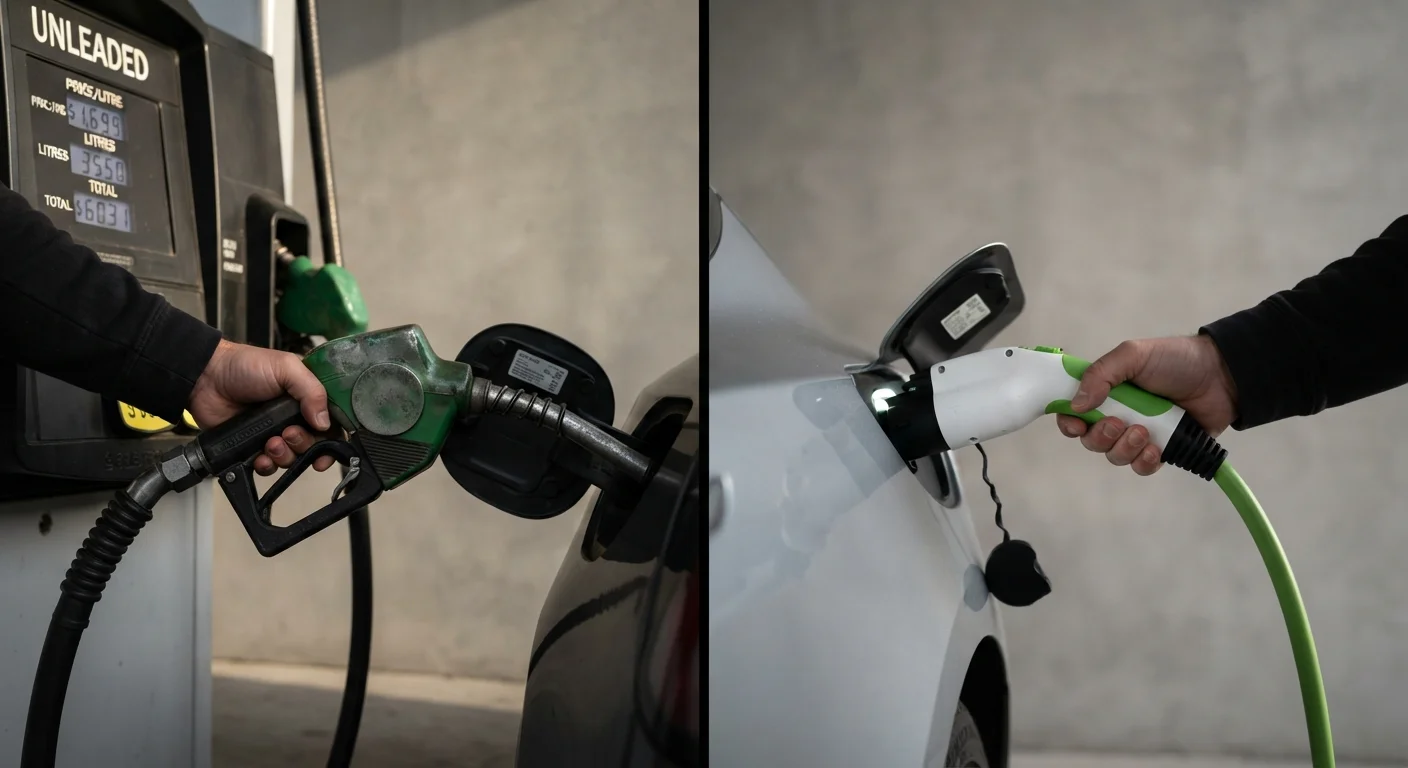
The most direct operating cost for any vehicle is what you spend to move it down the road. For gas cars, that means tracking fuel prices and miles per gallon (MPG). For EVs, it's kilowatt-hours (kWh) consumed per mile and local electricity rates.
According to the U.S. Department of Energy's Alternative Fuels Data Center, the average cost to drive 100 miles in a gas vehicle is roughly $10-$14 at national average fuel prices, depending on the vehicle's efficiency. The same 100 miles in a typical EV costs approximately $3-$5 at average residential electricity rates - a significant difference that compounds over tens of thousands of miles.
That said, local variables matter enormously. Electricity rates vary from under $0.10/kWh in some states to over $0.25/kWh in others. Drivers relying heavily on public DC fast chargers - rather than home charging - pay substantially more per kWh, sometimes erasing a large portion of the fuel cost advantage. See how MPG shapes annual fuel spending for a deeper look at how driving habits amplify these differences.
~$3-$5
EV cost per 100 miles (home charging)
U.S. Department of Energy's Alternative Fuels Data Center estimates average residential charging costs significantly undercut gasoline.
$400+
Estimated annual maintenance savings with an EV
Consumer Reports analysis indicates EV owners report meaningfully lower maintenance and repair costs than gas vehicle owners on average.
10-20%
Higher insurance cost for EVs vs. gas equivalents
Multiple insurance industry analyses suggest EVs carry higher premiums due to repair costs and vehicle values.
Maintenance: Where EVs Pull Ahead
Gas vehicles have more mechanical complexity - engines with dozens of moving parts, oil that needs regular changing, transmission fluid, spark plugs, exhaust components, and more. EVs eliminate most of that. There's no oil to change, no timing belt, no multi-speed transmission in most models, and regenerative braking reduces wear on brake pads significantly.
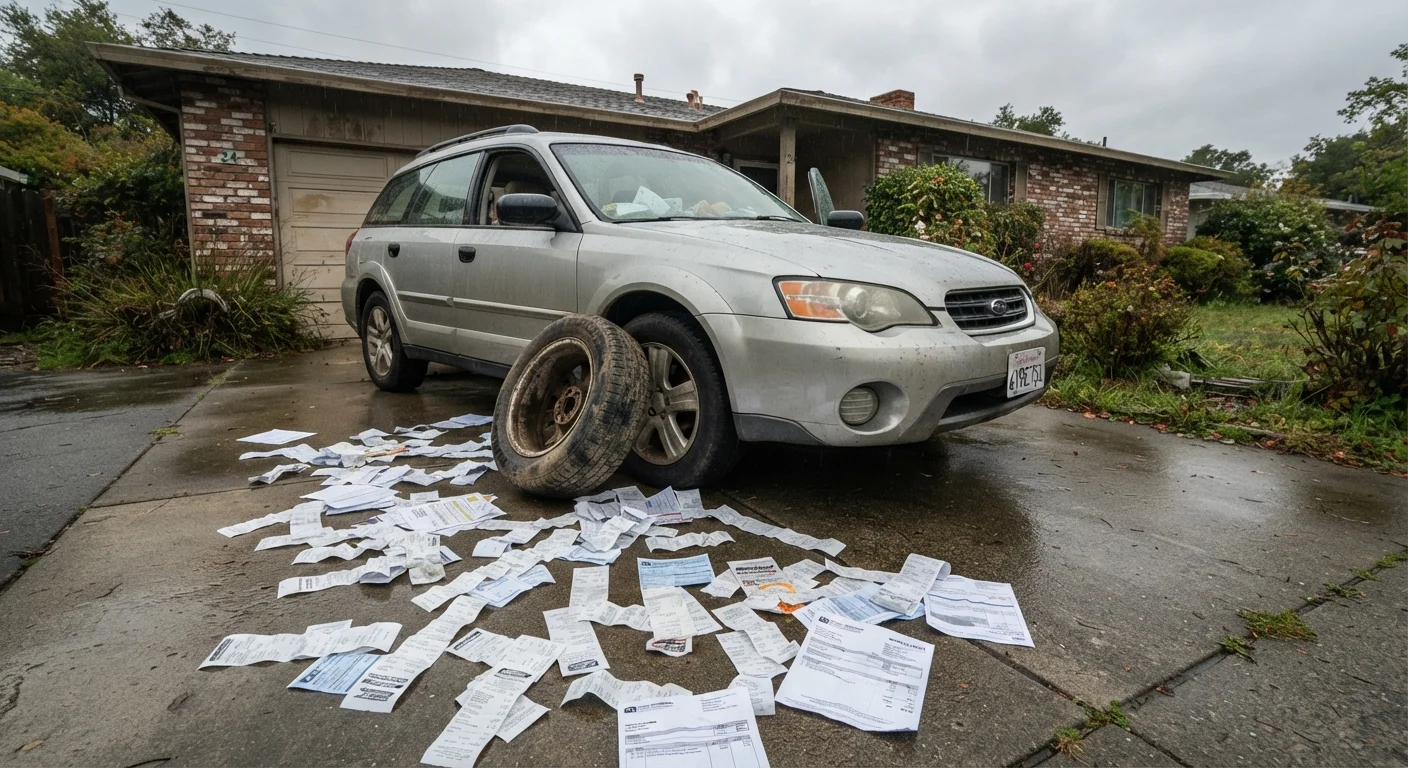
Consumer Reports data consistently shows EV owners report lower average maintenance and repair costs than gas vehicle owners. Industry estimates place average annual maintenance costs around $900-$1,200 for a gas vehicle versus $500-$800 for a comparable EV. Over five years, that gap can represent several thousand dollars.
EVs do carry one major maintenance wildcard: the high-voltage battery pack. Replacement costs, while declining, remain substantial - potentially $8,000-$20,000 depending on the vehicle. Most new EVs come with battery warranties covering 8 years or 100,000 miles, which limits this risk for early ownership but is worth factoring into longer-term planning. For a broader view of ownership costs across a vehicle's life, see car ownership costs from purchase to resale.
Check Your Brake Fluid and Tires Regardless
Even though EVs skip many traditional service items, they still require regular tire rotations (often more frequently, due to heavier weight and instant torque), brake fluid checks, and cabin air filter replacements. Don't assume an EV is fully maintenance-free - build a simple annual checklist and stick to it. For broader upkeep guidance, the car maintenance hub covers essential tasks for all vehicle types.
Insurance, Depreciation, and the Hidden Line Items
Operating costs extend beyond fuel and oil changes. Insurance is a significant line item, and EVs generally cost more to insure than comparable gas vehicles - often 10-20% more, according to multiple insurance industry analyses. Higher repair costs (specialized parts, battery proximity to collision damage) and higher vehicle values drive that premium.
Depreciation is another factor. EVs have historically depreciated faster than gas vehicles in some segments, though that trend is shifting as EV adoption grows and used EV supply increases. Residual values vary significantly by make and model.
Don't overlook registration fees - some states charge additional fees for EVs to offset lost gas-tax revenue, ranging from $50 to over $200 per year. These details are part of the hidden ownership expenses that rarely show up in simple cost comparisons. For a complete picture of what ownership actually costs annually, the true annual cost of owning a car is worth reviewing.
| Cost Category | Gas Vehicle | Electric Vehicle | |
|---|---|---|---|
| Fuel/Charging per 100 miles | ~$10-$14 (avg. gas prices) | ~$3-$5 (home charging) | |
| Annual maintenance (est.) | $900-$1,200 | $500-$800 | |
| Insurance premium (relative) | Baseline | Typically 10-20% higher | |
| Oil changes required | Yes, every 5,000-7,500 mi | None | |
| Battery/powertrain warranty | Varies, typically 5yr/60k mi | 8yr/100k mi (federal minimum) | |
| Federal purchase incentives | Generally none | Up to $7,500 (if eligible) | |
| State registration surcharges | Standard fees | Possible EV surcharge ($50-$200+) |
Incentives and Break-Even: Running the Numbers
Federal tax credits - currently up to $7,500 for qualifying new EVs under the Inflation Reduction Act - can meaningfully close the upfront price gap, though eligibility depends on income, vehicle price caps, and assembly location. Some states add additional credits or rebates on top of the federal incentive.
A straightforward break-even calculation: if an EV saves you $1,500 per year in fuel and $400 in maintenance versus a comparable gas car, but costs $6,000 more after incentives, you'd reach break-even in roughly 3.5 years - assuming consistent driving patterns and stable energy prices. At 15,000 miles per year with reliable home charging, many drivers find EVs financially competitive within four to six years of ownership.
Low-mileage drivers - those covering under 8,000-10,000 miles annually - may find the math less favorable. The fuel and maintenance savings simply don't accumulate fast enough to justify the higher purchase price. For guidance on overall savings strategy, the saving and insurance hub offers additional context on managing vehicle-related financial decisions.
This article provides general educational information about vehicle operating costs. Individual results will vary based on driving habits, local energy prices, vehicle choice, and financial circumstances. Consult qualified financial or automotive professionals for guidance specific to your situation.