
The Full Lifecycle of Vehicle Costs
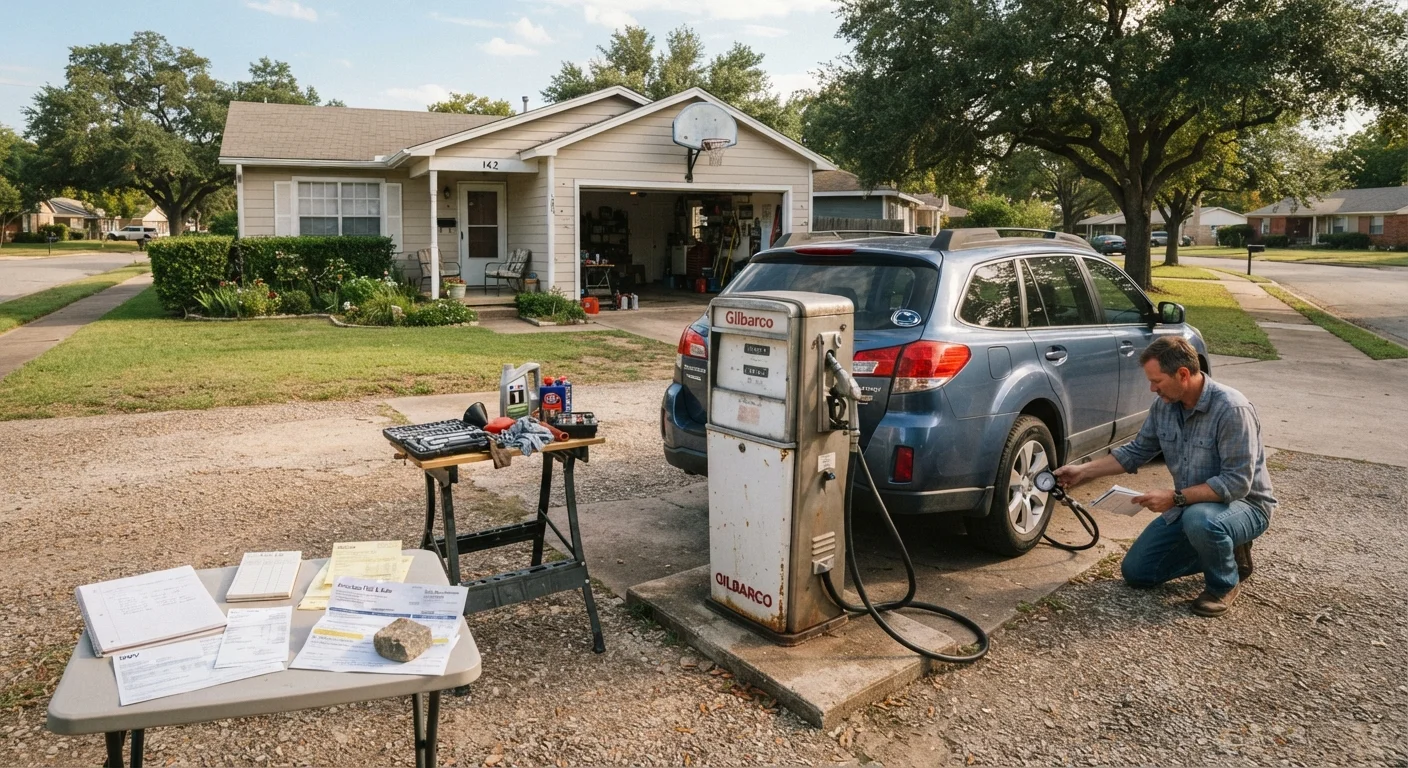
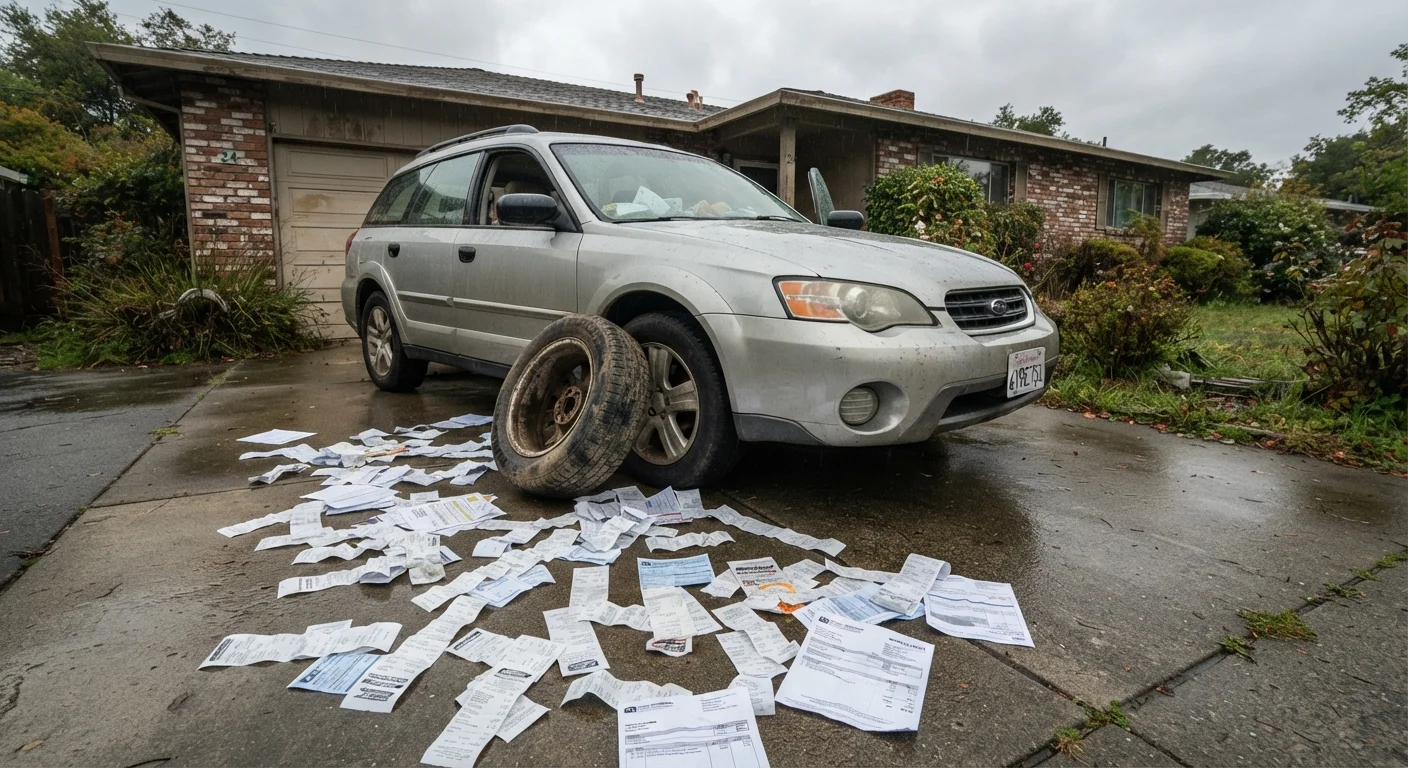
Most drivers think about car costs in two moments: when they sign the paperwork and when something breaks. The reality is that vehicle expenses run continuously - and silently - across every month of ownership. Understanding the full financial arc, from acquisition through resale, is the only reliable way to avoid surprises and manage your budget with confidence.
Research on annual ownership costs consistently shows that the average American driver spends significantly more per year than they expect. This guide maps every layer of that spending so you can plan proactively rather than react to the next bill.
$12,000+
Average annual car ownership cost in the U.S.
AAA's annual Your Driving Costs study consistently estimates total vehicle ownership - including depreciation, fuel, insurance, and maintenance - exceeds $10,000-$12,000 per year for average drivers.
~20%
Value lost in a new car's first year
General industry data indicates most new vehicles lose approximately 15-20% of their value within the first 12 months of ownership.
50%
Depreciation over 5 years on average
By the five-year mark, many vehicles have lost roughly half their original purchase value, making depreciation the single largest ownership cost for most drivers.
Purchase Costs: What You Pay on Day One
The sticker price is just the starting point. Before you leave the dealership, several additional costs are layered on top of the vehicle price itself:
- Sales tax: Varies by state but typically ranges from 4% to 10% of the purchase price.
- Title and registration fees: Usually $100-$400 depending on your state and vehicle weight.
- Documentation fees: Dealer-charged processing fees, often $100-$500.
- Extended warranties or add-ons: Optional but frequently presented as standard - these can add thousands if you're not vigilant.
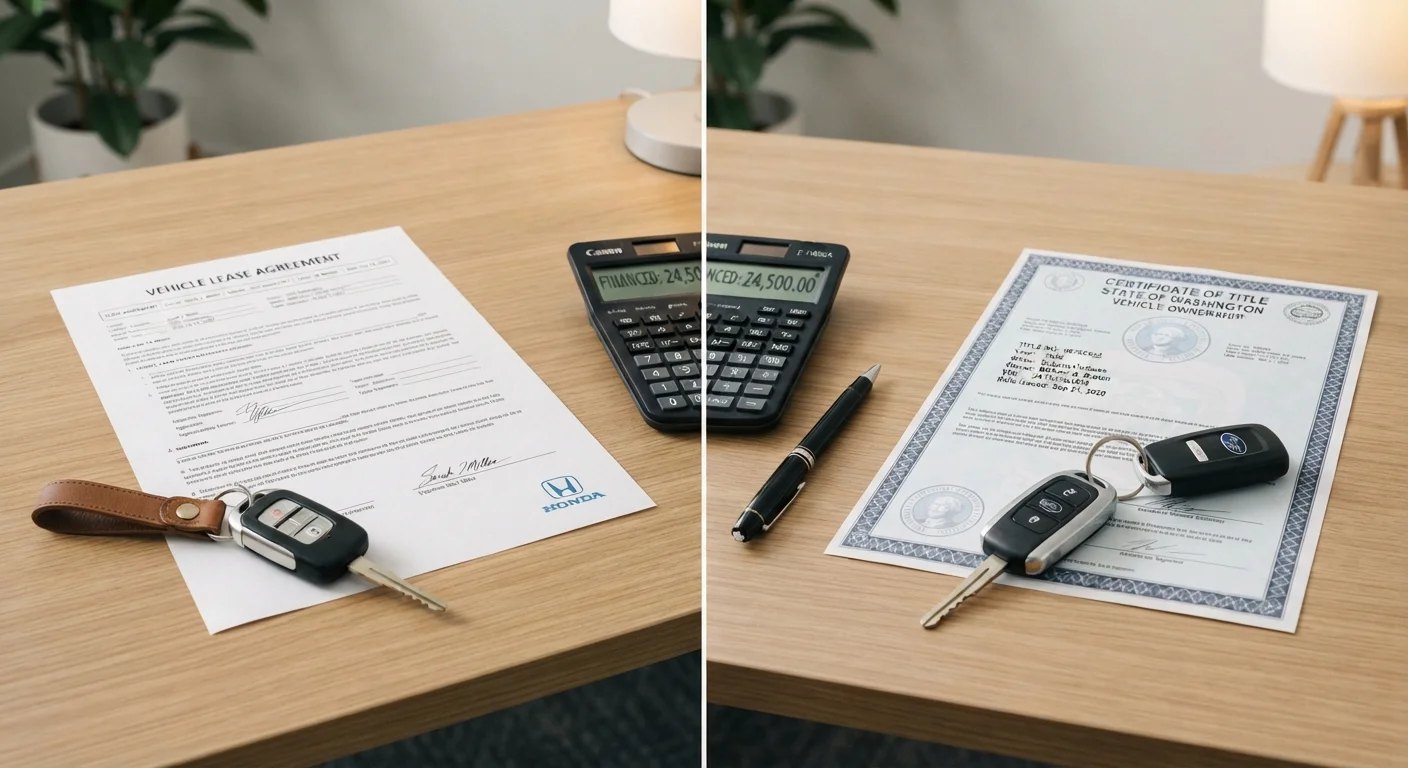
If you're financing, your loan terms matter as much as the vehicle price. A longer loan term lowers the monthly payment but increases total interest paid - sometimes by thousands of dollars. The monthly payment doesn't tell the full story of what you'll actually spend.
Financing Terms Affect Total Cost Dramatically
A loan with a lower interest rate and shorter term will almost always cost less in total than one with a lower monthly payment spread over more years. Before accepting a financing offer, calculate the total amount you'll repay - not just the monthly figure. Even a one-percentage-point difference in APR can mean hundreds or thousands of dollars over the life of a loan.
Ongoing Ownership Costs: The Monthly Drain
Once you're driving, a predictable set of recurring costs begins. Budgeting for each category separately prevents the feeling that money is disappearing without explanation.
- Auto insurance: Nationally, average annual premiums range from roughly $1,500 to over $2,500 depending on coverage level, driving history, and location. For tips on managing this line item, see practical insurance saving strategies.
- Fuel: Varies by vehicle efficiency and local gas prices, but typically represents $1,500-$3,000 per year for average drivers.
- Routine maintenance: Oil changes, tire rotations, filters, and brake inspections. Skipping these costs more in the long run. Car maintenance fundamentals are essential reading for any owner.
- Registration renewal: An annual fee that often goes unbudgeted until it arrives.
Hidden ownership expenses - tolls, parking, car washes, roadside assistance - add up faster than most drivers realize.
Get insurance quotes for any vehicle you're seriously considering before you finalize the purchase - premiums can vary dramatically between similar-priced models and significantly affect your monthly budget.
Insurance cost is tied to the specific vehicle's safety ratings, theft rates, and repair costs, not just its price. Discovering a high premium after signing the contract leaves you with little recourse.
Set up a dedicated savings account for vehicle maintenance and fund it monthly, even in months with no repairs. This prevents large, unexpected repair bills from derailing your budget.
Vehicles have predictable maintenance cycles. Treating maintenance as a monthly expense rather than a random emergency cost keeps your finances stable and your car properly serviced.
Depreciation: The Biggest Cost You Don't Write a Check For
Depreciation is what most drivers overlook most dramatically. A new vehicle can lose 20% of its value within the first year and up to 50% by the end of year five, according to general industry data. That loss doesn't appear on a monthly statement, but it's real money leaving your net worth.
Vehicles with historically stronger resale value - generally trucks, certain SUVs, and some fuel-efficient models - tend to depreciate more slowly. But no vehicle escapes depreciation entirely. When evaluating a purchase, factor in the projected 5-year value loss alongside the purchase price itself to understand total cost of ownership.
“Depreciation is the silent cost that most car buyers never factor in - but it's often the largest single expense of vehicle ownership, dwarfing fuel and insurance combined over a five-year period.”
— Consumer Financial Research Perspective, General principle cited across automotive financial planning literature
Buying a vehicle that's two to three years old lets someone else absorb the steepest depreciation curve while you still get many years of reliable use.
Selling Your Car: Maximizing Resale Value
Your exit strategy deserves as much thought as your purchase decision. Several factors directly influence what a buyer - private party or dealer - will pay:
- Maintenance records: A documented service history signals a well-cared-for vehicle and supports a higher asking price.
- Mileage: Lower mileage generally means higher resale value. For every 10,000 miles over the average annual driving norm of roughly 13,500, expect measurable price reductions.
- Condition: Addressing minor cosmetic damage before listing is often worth the expense. Major mechanical issues, however, should be disclosed honestly - concealing them creates legal and ethical risk.
- Timing: Convertibles sell better in spring; 4WD trucks sell better heading into winter. Market timing can genuinely affect your outcome.
Keep a Simple Vehicle Maintenance Log
A basic log - even a notes app on your phone - recording every service, oil change, and repair pays dividends at resale time. Buyers and dealers both respond positively to documented care history, and it can justify a meaningfully higher asking price.
Private party sales typically return more than trade-ins, but they require more effort. Know your vehicle's market value from multiple independent sources before negotiating either route.
Building a Smarter Ownership Budget
The smartest approach combines upfront research, consistent habits, and a clear sense of your financial limits before you ever set foot on a lot. A practical ownership budget accounts for:
- Total purchase cost including taxes and fees
- Monthly loan payment and total interest over the loan term
- Insurance premiums (get quotes before buying, not after)
- Annual fuel costs based on your real driving patterns
- Maintenance reserves - a common guideline is $75-$150 per month set aside
- Registration and any applicable emissions testing fees
- Projected depreciation loss over your intended ownership period
For ongoing strategies to contain these costs year over year, proven long-term cost control habits offer practical guidance that applies to any vehicle or budget.
This article is for general informational purposes only and does not constitute financial or legal advice. Costs vary by location, vehicle type, and individual circumstances. Consult a qualified financial professional for guidance tailored to your situation.