The Costs That Don't Show Up in the Sales Pitch
When most drivers calculate what a car will cost them, they start with the monthly payment and stop at insurance. That leaves a wide gap between what they expect to spend and what actually comes out of their account over a year of ownership. The true annual cost of owning a car routinely surprises drivers who focused only on the loan terms at signing.
The items below are the line items most budget guides skip - costs that are real, recurring, and worth planning for before they catch you off guard. Understanding them is the first step toward building an accurate ownership budget.
Track These Costs Separately From Your Car Payment
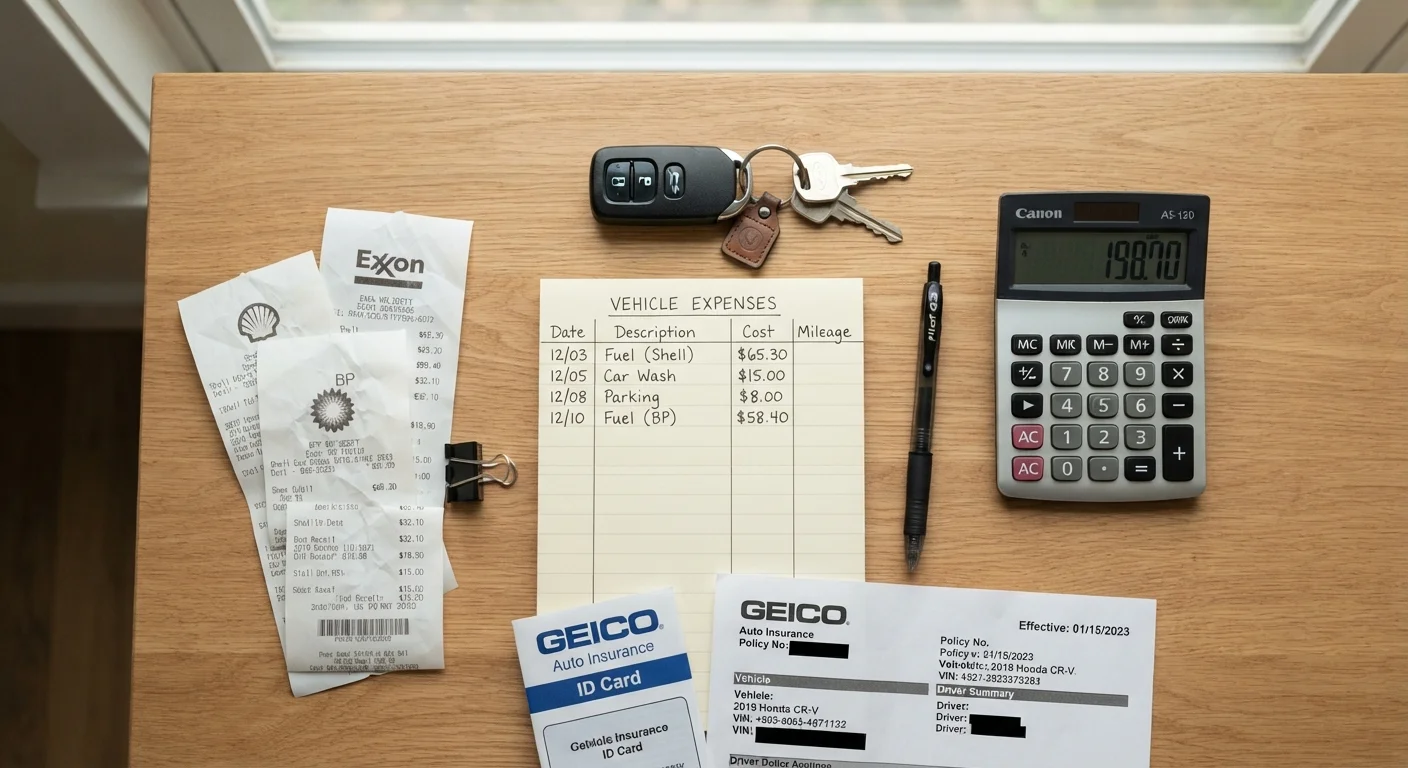
Consider opening a dedicated savings category - even a simple spreadsheet column - for non-recurring vehicle expenses like tires, registration, and inspections. Spreading these costs mentally across 12 months makes them far less disruptive when they arrive. A target of $100-$150 per month set aside for these items is a reasonable starting point for many drivers.
Hidden Ownership Costs Worth Tracking
Annual Registration and Licensing Fees
Every state charges annual vehicle registration fees, and in many states those fees are tied to the vehicle's value or weight - meaning a newer or heavier vehicle costs significantly more to register. Some states also levy personal property taxes on vehicles annually. Depending on where you live, registration alone can run anywhere from under $100 to over $500 per year. These fees are non-negotiable and easy to forget until the renewal notice arrives.
In many states, registration fees scale with vehicle value - a newer car means a bigger annual bill.
Tire Replacement
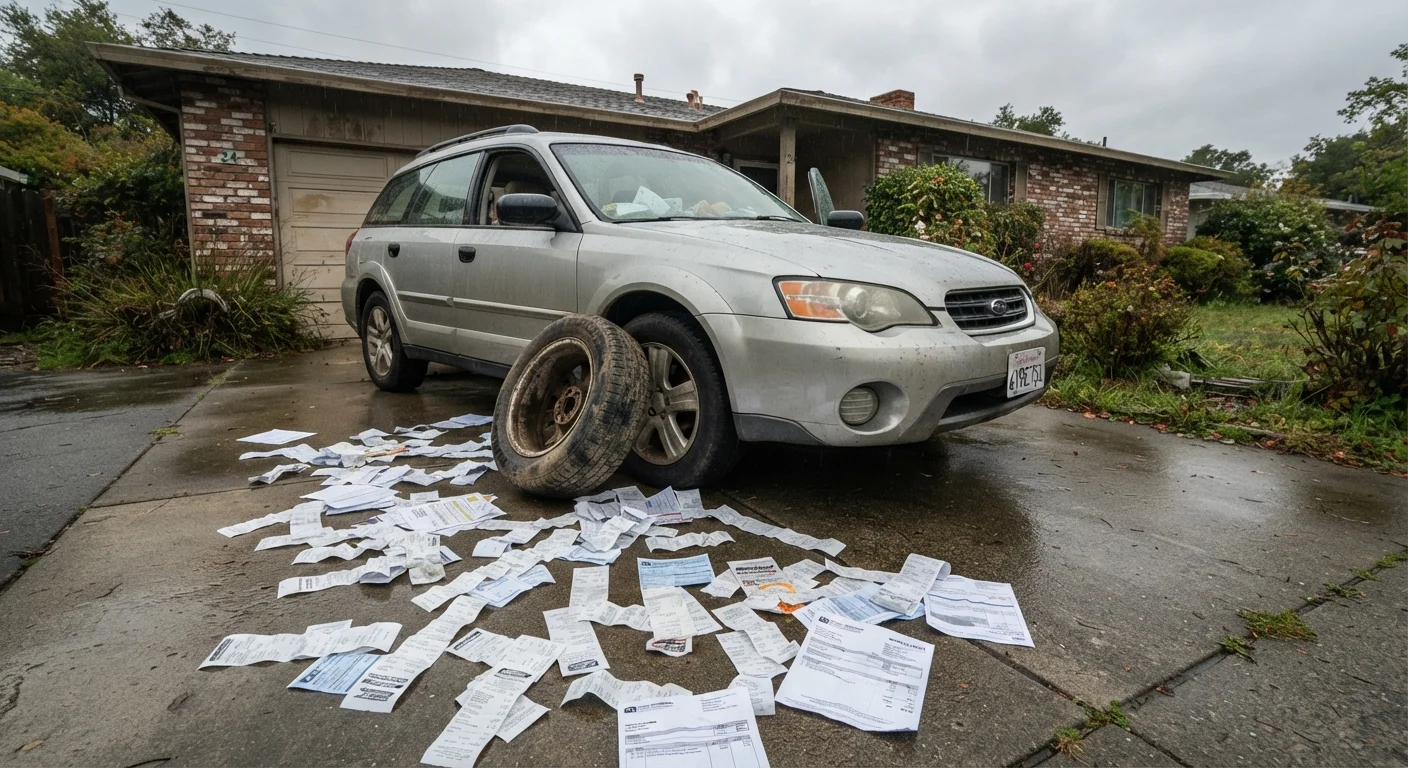
Tires wear out. Most last between 25,000 and 50,000 miles depending on type, driving habits, and road conditions - but that replacement cycle catches many drivers flat-footed. A full set of four tires, including mounting and balancing, commonly runs between $600 and $1,200 or more for larger vehicles or performance fitments. Rotating tires regularly (typically every 5,000-7,500 miles) extends their life, but doesn't eliminate the eventual cost. Budget for it as a recurring expense, not a one-time surprise. For more on keeping your vehicle maintained to reduce costs, see the car maintenance hub.
A full tire replacement set can easily run $600-$1,200 - a cost most drivers don't plan for in advance.
Toll and Parking Fees
Commuters and city drivers know this one well, but it's easy to underestimate the annual total. Regular toll road users can accumulate $500 to over $1,500 in charges per year depending on their route and frequency. Monthly parking fees in urban areas can rival a car payment. Even occasional parking garage visits, meter fees, and event parking add up to a meaningful annual figure. These costs rarely appear in standard ownership calculators.
Regular toll users can rack up $500-$1,500 annually - a cost that rarely shows up in standard budget estimates.
Roadside Assistance Plans
Many drivers pay for roadside assistance coverage - through their insurer, an auto club membership, or a dealer-sold plan - without factoring it into their ownership budget. These plans typically run $50 to $150 per year. Some manufacturer warranties include roadside assistance for a limited period, so it's worth verifying what you already have before purchasing a duplicate plan. If your vehicle is older or you drive long distances, the coverage may be genuinely worthwhile - just budget for it consciously.
Duplicate roadside assistance plans are a common oversight - verify what you already have before paying twice.
Car Washes and Detailing
This one gets dismissed as optional, but neglecting exterior and interior care accelerates wear and can affect resale value. Regular washes - even basic automatic washes at $10-$20 each - add up to $120-$240 per year at a once-a-week pace. Professional detailing, which many owners do once or twice annually, can run $100-$300 per session. Keeping up with these costs is part of managing total ownership costs from purchase through resale.
Regular washes and annual detailing can quietly add $300-$500 or more to yearly ownership costs.
Emissions and Safety Inspection Fees
Many states require annual or biennial vehicle inspections - emissions tests, safety checks, or both. Fees typically range from $15 to $75 for the inspection itself, but the real cost emerges when an inspection flags a needed repair as a prerequisite to passing. Older vehicles are more likely to face this scenario. It's worth treating inspection cycles as a prompt to check for deferred maintenance rather than waiting to be surprised by a failed sticker.
A failed inspection can turn a $30 fee into a several-hundred-dollar repair bill before you can re-register.
Gap Insurance and Extended Warranties
Gap insurance covers the difference between what your car is worth and what you still owe on your loan if the vehicle is totaled - a genuine protection during the early years of a loan when depreciation outpaces payoff. Extended warranties or vehicle service contracts are a separate product with variable value depending on reliability history and contract terms. Both are real costs that belong in your ownership budget. Common ownership assumptions often gloss over these products entirely, leaving drivers underprepared.
This article is for general informational purposes only and does not constitute financial or insurance advice. Coverage terms, fees, and requirements vary by provider and state. Consult a licensed insurance professional for guidance specific to your situation.
Gap insurance and extended warranties are legitimate budget line items that most ownership calculators ignore entirely.
Two-Car Households Face These Costs Twice
Every item on this list applies per vehicle, not per household. Drivers managing a two-car household should double most of these estimates when building an annual budget. The full cost picture of one-car versus two-car households examines whether the convenience of a second vehicle holds up financially once all hidden costs are included.
Build These Into Your Budget Before You Need To
None of these expenses are unusual - they're a normal part of car ownership that simply doesn't get enough attention during the purchase process. The drivers who handle them best are the ones who anticipate them. A useful starting point is running through an annual vehicle cost audit to see where your actual spending lines up against your assumptions.
If you're weighing long-term strategies to keep total costs manageable, keeping long-term ownership costs under control covers habits and approaches that hold up across years of ownership. And if you've never fully accounted for depreciation, that's worth a separate look - it's consistently the largest single ownership cost most drivers underestimate. See how depreciation works and why it matters for a clear breakdown.