Why Depreciation Is Your Biggest Car Expense
When drivers tally up what their car costs, they usually think about gas, insurance, and the occasional repair. Depreciation rarely makes the list - because it never shows up as a line item on a receipt. But it's almost always the largest single expense in the full picture of ownership.
Industry cost estimates from organizations like AAA consistently place depreciation as the top annual ownership cost for new vehicle buyers, often running between $3,000 and $5,000 per year depending on the vehicle. That can exceed what many drivers spend on fuel and maintenance combined. For a full breakdown of how these costs stack up, see the true annual cost of owning a car in America.
~20%
Value lost by a new car in year one
Industry estimates from sources like Edmunds and AAA consistently place first-year depreciation for new vehicles in the 15-25% range.
$3,000-$5,000
Average annual depreciation cost, new vehicle
AAA's annual "Your Driving Costs" research places depreciation as the top ownership expense category for new car buyers.
~50%
Value lost within the first five years
Most vehicles depreciate by roughly half their original value within five years, according to industry resale data and vehicle valuation guides.
Depreciation is also unavoidable in a way that other costs aren't. You can shop around for cheaper insurance. You can drive fewer miles to cut fuel spending. But the moment you buy a new vehicle and drive it off the lot, its value starts declining - regardless of how carefully you treat it.
How Depreciation Works Over Time
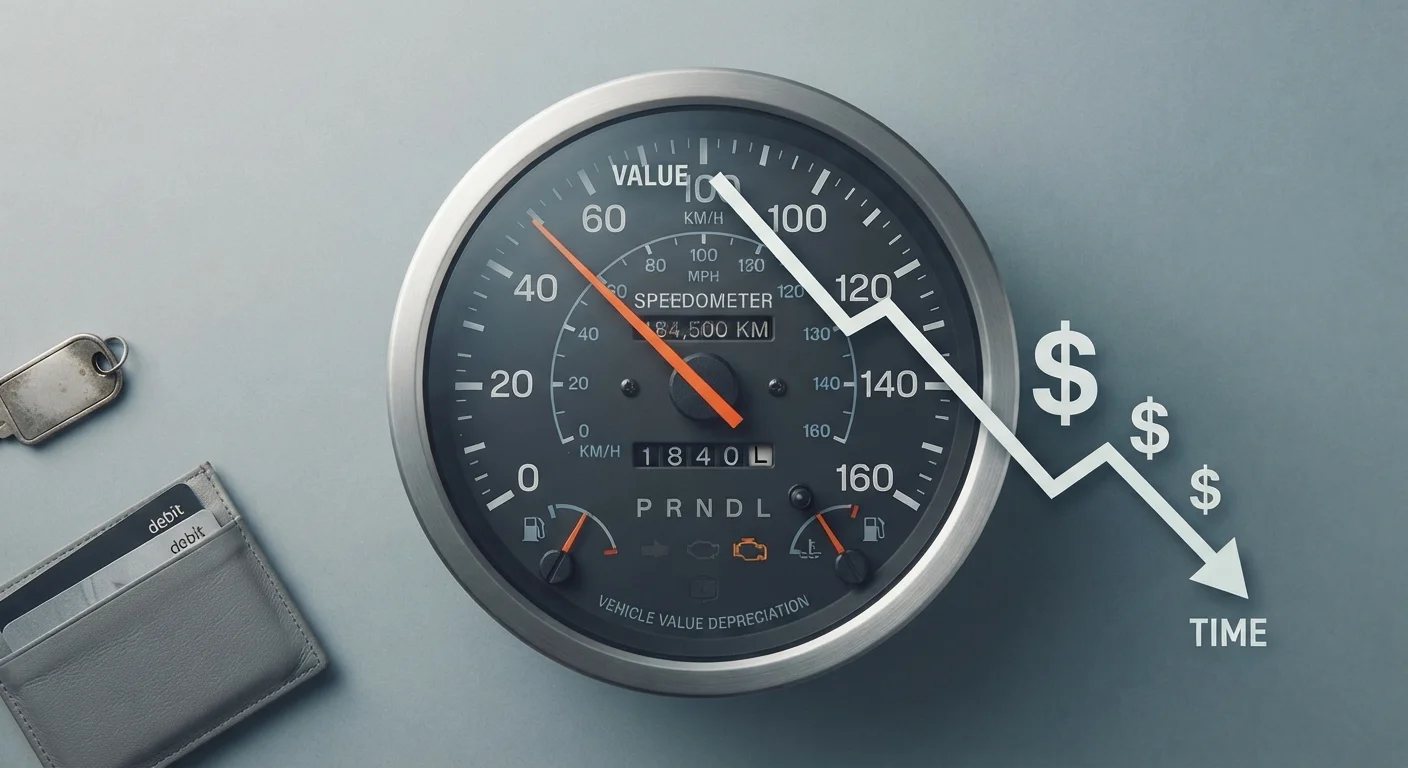
Depreciation doesn't fall at a steady pace. It front-loads: the loss is steepest in the early years and gradually flattens out as the vehicle ages. A typical new car loses roughly 20% of its value in year one and around 40-50% by the end of year five. After that, the rate of loss slows considerably.
This curve has real implications for how you think about buying and owning a vehicle. Someone who buys a three-year-old car has already let the original owner absorb the worst of the decline. That's one reason new vs. used vehicle economics matter so much to budget-minded buyers.
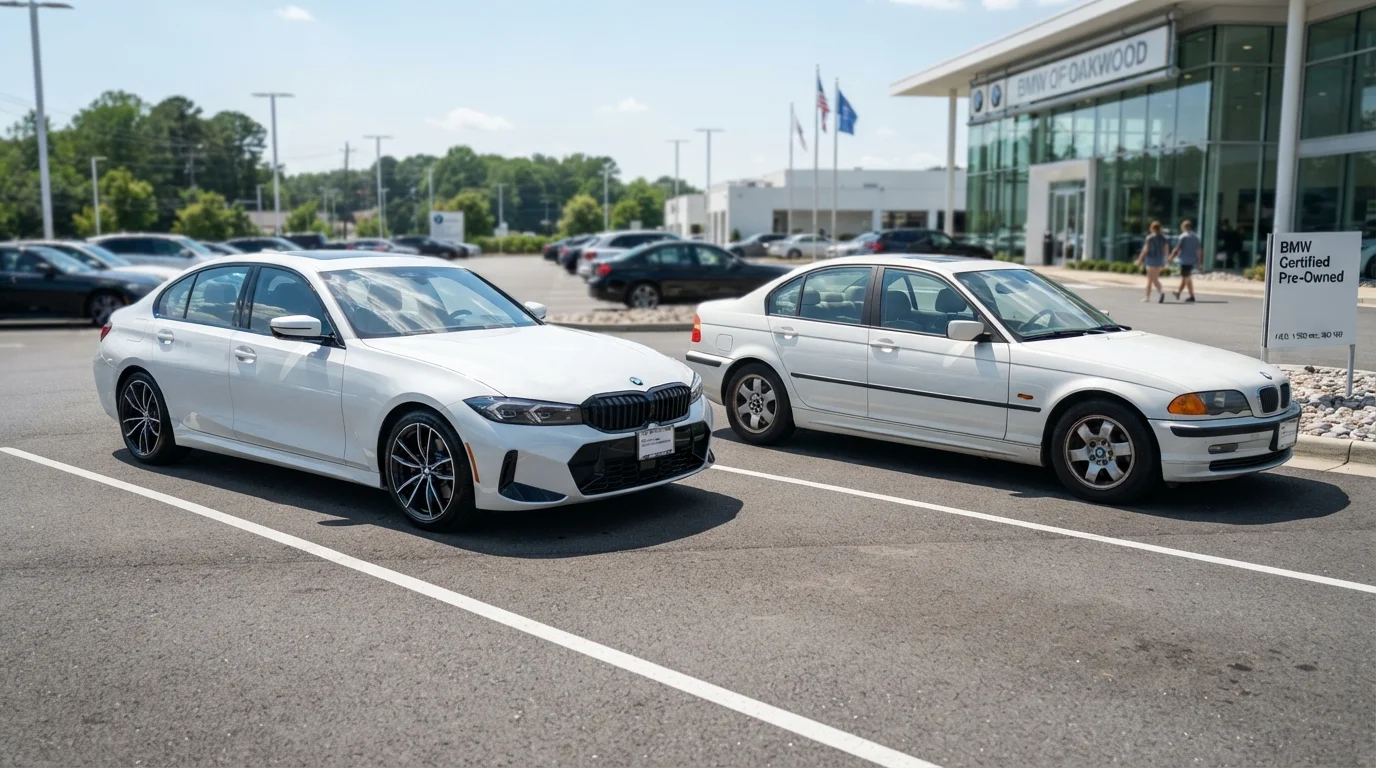
Not all vehicles depreciate at the same rate, either. Trucks and body-on-frame SUVs with strong consumer demand tend to hold value better than midsize sedans. Luxury vehicles, despite their higher sticker prices, often depreciate sharply - especially in the first few years - because the pool of buyers who can afford them is smaller. Certain electric vehicle models have seen unusually rapid depreciation as battery technology evolves and newer models enter the market.
What Affects How Fast Your Car Loses Value
Several factors influence a vehicle's depreciation rate beyond just its age:
- Mileage: Higher mileage means more wear. The market heavily discounts vehicles that have exceeded average annual mileage thresholds.
- Condition: Accident history, interior wear, and mechanical problems all push resale value down. Clean maintenance records and a spotless vehicle history report help.
- Fuel economy and powertrain: As gas prices fluctuate, so does demand for fuel-efficient vehicles. Models with strong fuel economy can sometimes hold value better during periods of high prices.
- Market demand: A vehicle that's popular in your region will sell for more than one that's out of step with local buyer preferences.
- Color and configuration: Unusual colors or stripped-down configurations with few features can reduce the pool of interested buyers at resale.
Understanding these factors helps you make smarter choices at purchase time - both in selecting a vehicle type and in how you maintain it. Consistent upkeep pays off financially at resale in ways that often surprise sellers.
Choose Your Vehicle With Resale in Mind
Before you buy, look up historical resale values for the models you're considering. Some vehicles consistently hold value better than others - and that difference compounds significantly over a five-year ownership period. Checking resale value data from established vehicle valuation resources before purchasing is a straightforward step that can save thousands.
Depreciation in the Bigger Ownership Picture
Depreciation doesn't operate in isolation. It connects to almost every other ownership cost: a more expensive vehicle depreciates in larger dollar amounts even if the rate is similar, and financing a vehicle that's depreciating quickly can leave you "underwater" - owing more than the car is worth - if you're not careful about loan terms and down payments.
It also interacts with hidden ownership expenses like registration fees, which in many states are tied to the vehicle's assessed value and decline as the car ages. A thorough look at ownership costs from purchase to resale shows how depreciation shapes the total financial picture from day one to the final sale.
The most practical takeaway: treat depreciation as a real, budgetable cost - not an abstraction. If you're buying a $35,000 vehicle expected to lose 45% of its value over five years, you're effectively paying roughly $3,150 per year in depreciation alone. Factoring that into your total monthly cost gives you a far more accurate read on what you're actually spending. For strategies to manage long-term costs once you own a vehicle, keeping long-term ownership costs under control offers concrete, actionable approaches.