What You're Really Comparing
The one-car versus two-car question isn't simply about convenience - it's about one of the largest recurring expenses most American households carry. According to AAA's annual driving cost studies, owning and operating a typical new vehicle costs between $10,000 and $12,000 per year when you factor in depreciation, fuel, insurance, maintenance, and financing. Add a second vehicle, and you're potentially doubling that figure.
To get the full picture, you need to look beyond the car payment. The true annual cost of owning a car in America covers every line item - registration fees, tires, oil changes, and the often-overlooked depreciation hit. Understanding that baseline is essential before deciding whether a second vehicle makes financial sense for your household.
$10,000-$12,000
Estimated annual cost per vehicle
AAA's annual Your Driving Costs study consistently places total new-vehicle ownership costs in this range when depreciation, fuel, insurance, and fees are included.
57%
U.S. households with two or more vehicles
U.S. Census Bureau American Community Survey data shows a majority of American households own multiple vehicles, reflecting both geographic necessity and cultural norms.
The Case for Two Cars
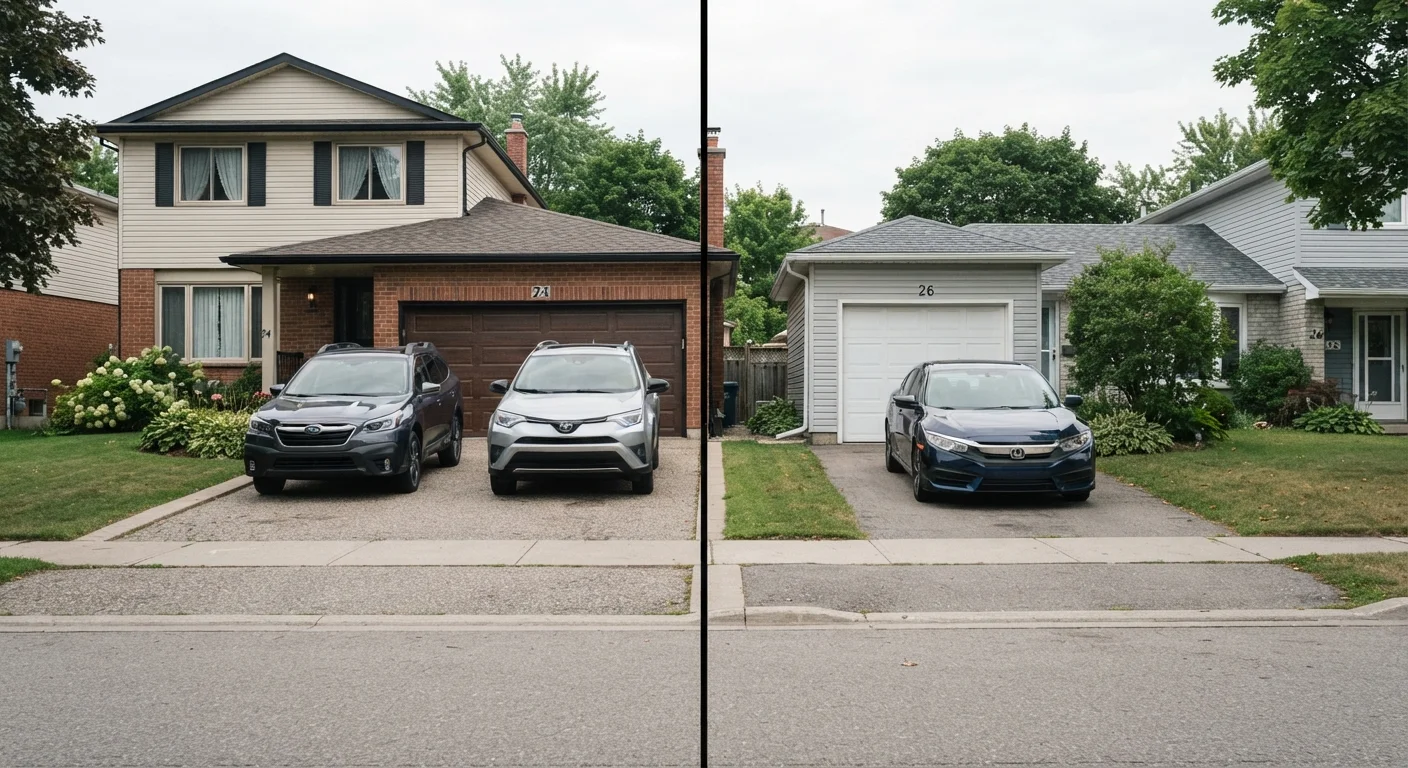
There are real, practical reasons why roughly 57% of U.S. households own two or more vehicles, according to U.S. Census Bureau data. For many families, a second car isn't a luxury - it's a logistical necessity driven by geography and work schedules.
Full scheduling independence for both drivers
Each adult can commute, run errands, and manage appointments without coordinating vehicle access - a significant quality-of-life benefit for households with conflicting schedules.
Reduces rideshare and rental spending
Households that would otherwise rely on rideshare services for a second driver can offset some vehicle costs, particularly in areas without reliable public transit.
Backup vehicle during breakdowns or repairs
When one car is in the shop, the household doesn't lose all transportation - a practical safety net that eliminates the need for costly rental vehicles during maintenance.
Better suited to suburban and rural geography
In areas where destinations are spread out and transit is minimal, two cars often represent the only practical way for both adults to maintain employment and daily independence.
In suburban and rural areas where public transit is limited or nonexistent, two cars often represent the only realistic way for both adults to hold jobs, manage school pickups, and handle medical appointments independently. The time cost of coordinating a single vehicle can also translate into real financial cost - missed hours, inflexible scheduling, or reliance on rideshares that add up fast.
The Case for One Car
Single-car households trade scheduling flexibility for significant financial savings. The math is hard to argue with: eliminating one vehicle removes one set of insurance premiums, one registration renewal, one loan or depreciation loss, and one maintenance budget.
Doubles fixed costs: insurance, registration, depreciation
Every vehicle carries its own annual insurance premium, registration fee, and depreciation loss - costs that apply regardless of how much the car is driven.
Parking costs stack in urban areas
Monthly garage or street parking fees in cities can range from $100 to over $400 per vehicle, making a second car financially unsustainable in dense metro areas.
Maintenance budgets multiply with each vehicle
Tires, brakes, oil changes, and unexpected repairs apply to both cars - two vehicles means two maintenance histories to track and fund.
Financing a second car strains monthly cash flow
Carrying two auto loans simultaneously significantly reduces monthly budget flexibility and can limit the household's ability to save or handle other financial priorities.
Remote work, which became far more common after 2020, has made one-car living viable for many more households than before. If one partner works from home full-time and the other has a predictable commute, a single well-maintained vehicle may cover nearly all transportation needs. Hidden car ownership expenses like parking fees and toll costs are also halved immediately - a meaningful difference in metro areas.
Urban vs. Suburban Ownership Math Differs Significantly
In cities with robust public transit - subway, bus rapid transit, commuter rail - the utilization rate of a second car often drops low enough that rideshare becomes cheaper on a per-trip basis. In contrast, suburban and rural households typically have no cost-effective substitute for a personal vehicle. Your zip code should be one of the first factors in this calculation, not an afterthought. For general guidance on insurance-related savings as part of your vehicle decisions, see insurance and savings strategies.
Running the Numbers for Your Household
Before making the call, build out your actual figures rather than relying on averages. Start with what a second vehicle would cost annually: insurance premium, registration fee, estimated fuel, a maintenance reserve, and either a loan payment or the depreciation loss on a cash purchase.
Then estimate what you'd spend replacing that vehicle's utility - rideshare trips, occasional rentals, transit passes, or e-bike infrastructure. For many households, the replacement cost is a fraction of full ownership. Building a realistic monthly car budget walks through a practical method for calculating this, including expenses that fluctuate seasonally.
Also consider common assumptions about car affordability that lead households to underestimate what a vehicle actually costs month to month. Many two-car households discover, after doing the full accounting, that the second car costs significantly more than it appeared on paper.
If you are evaluating vehicle options as part of this decision, reviewing new vs. used car ownership economics can help clarify which type of vehicle minimizes ongoing costs if you do move forward with a purchase.