More Than Just Staying Alert
Most drivers think of defensive driving as simply paying attention. But attention alone isn't enough if you don't know what to look for or what to do with what you see. Defensive driving is a structured approach to road awareness that combines three things: space management, hazard anticipation, and controlled decision-making.
The core idea is that crashes are rarely random. Most are the result of one or more preventable factors - a driver following too closely, failing to check mirrors before changing lanes, or looking at a phone for three seconds too long. Defensive driving trains you to recognize those conditions before they combine into an emergency.
It's also worth understanding what defensive driving is not. It doesn't mean driving below the speed limit everywhere, being overly hesitant, or assuming the worst of every driver around you. It means being deliberate and informed - adjusting your behavior based on real conditions, not habit or assumption. For a side-by-side look at how these principles shift depending on your environment, see how highway and city driving demand different safety skills.
The Core Principles Explained
Defensive driving breaks down into a handful of principles that work together. Understanding each one helps you apply them consistently rather than just remembering a checklist.
94%
Of serious crashes involve human error
According to the National Highway Traffic Safety Administration (NHTSA), human choice or error is a critical factor in approximately 94% of serious crashes.
3 sec
Minimum recommended following distance
Traffic safety guidelines commonly recommend maintaining at least a 3-second gap between your vehicle and the one ahead under normal driving conditions.
~80 ft
Distance covered per second at 55 mph
At highway speeds, a vehicle travels roughly 80 feet every second - underscoring how quickly a momentary distraction removes your ability to respond.
1. Manage the Space Around Your Vehicle
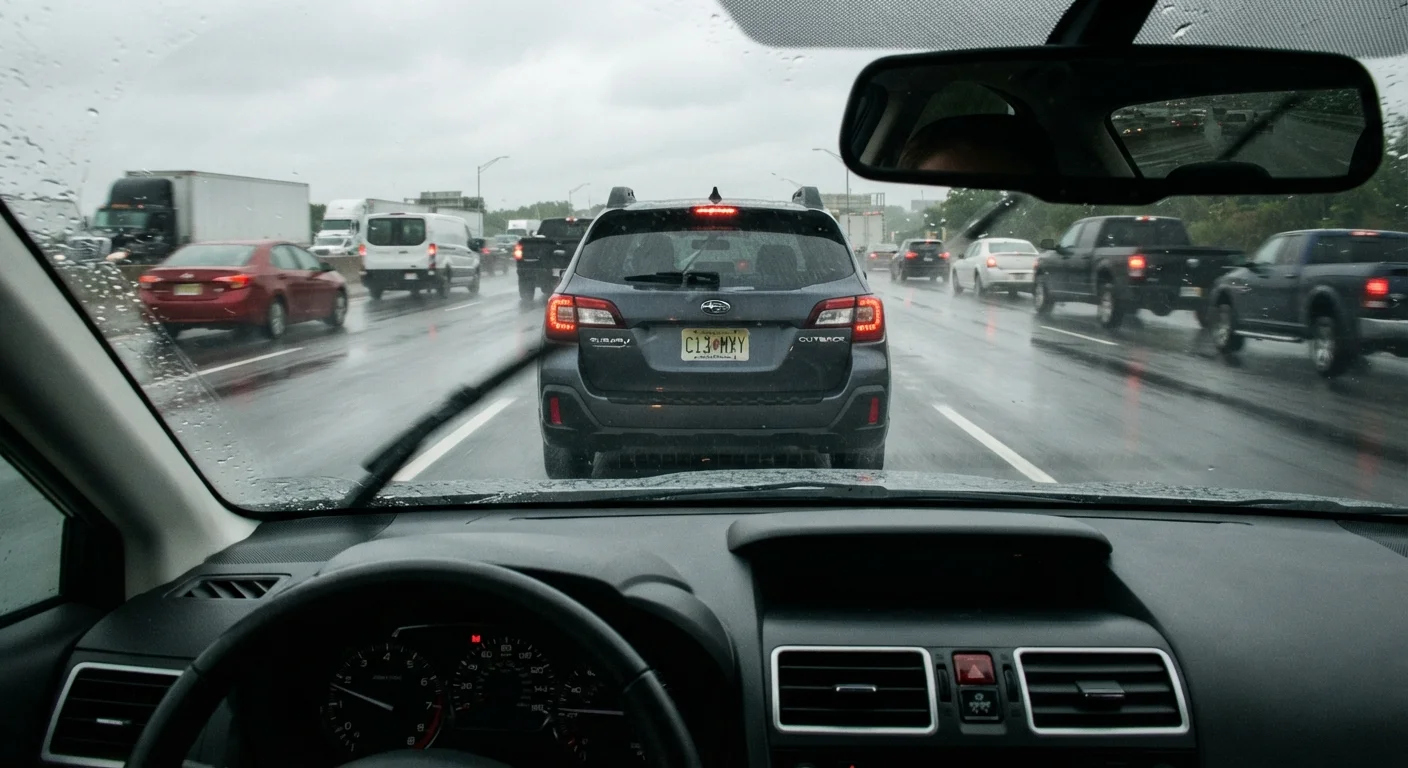
Your first line of defense is space - the buffer between your car and everything around it. Following distance is the most critical element. Tailgating is one of the leading causes of rear-end collisions, and most drivers underestimate how much stopping distance they actually need. The 3-second rule (see FAQ below) is a practical starting point; expand it to 4-5 seconds in rain, fog, or heavy traffic.
2. Scan Ahead, Not Just in Front
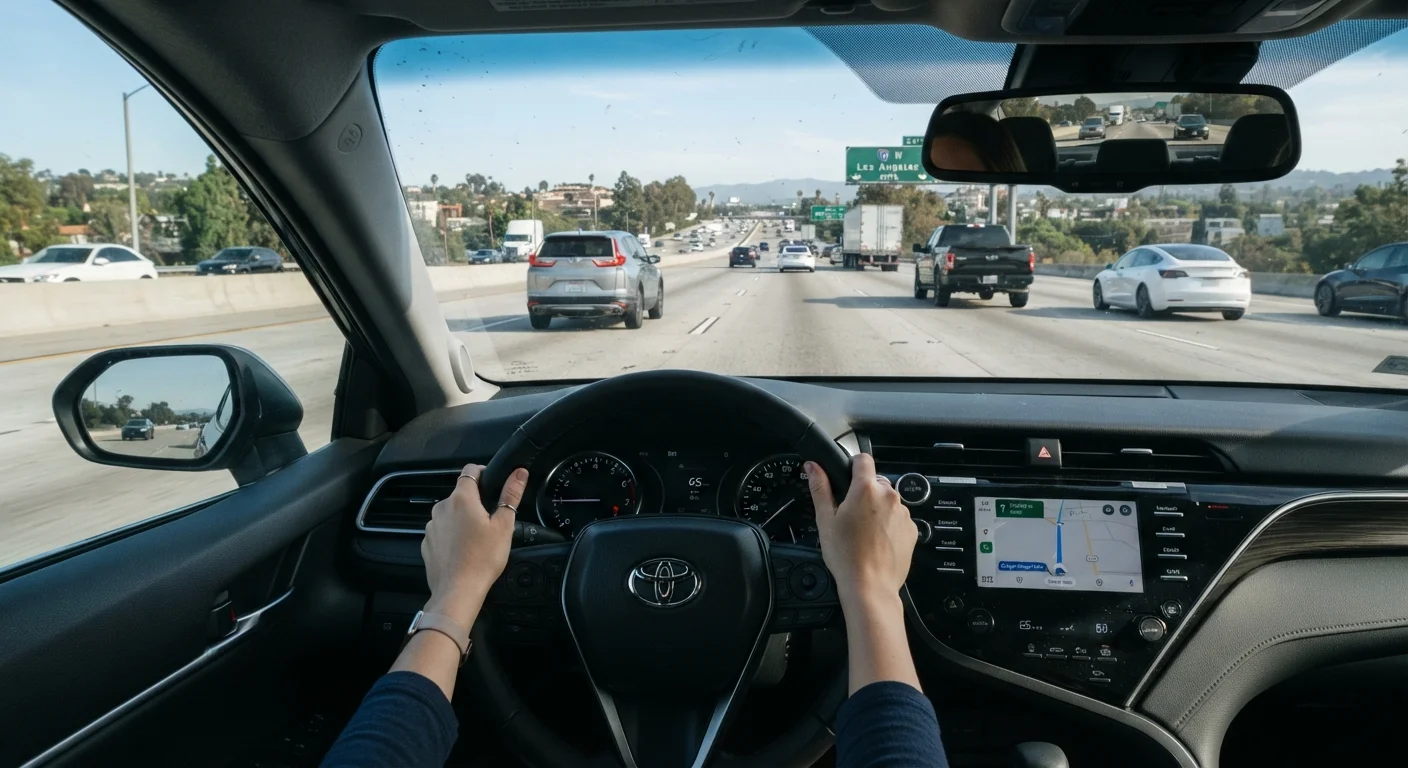
New or inattentive drivers tend to fix their gaze on the vehicle directly in front of them. Experienced defensive drivers scan much farther down the road - 10 to 15 seconds ahead - which gives earlier warning of brake lights, merging vehicles, debris, or changing conditions. Use your mirrors every 5-8 seconds to keep a full picture of your surroundings.
3. Eliminate Distractions Before They Happen
Distraction isn't just phones - it includes eating, adjusting the radio, or deep conversation. Defensive drivers set up navigation and adjust mirrors before moving, not after. A vehicle traveling at 55 mph covers roughly 80 feet per second. Three seconds of inattention means 240 feet of road traveled without full awareness.
4. Communicate and Be Predictable
Using turn signals early, avoiding abrupt lane changes, and making eye contact at intersections when possible all reduce the chance that another driver misreads your intentions. Predictability is a safety tool.
Common Situations Where Defensive Driving Pays Off
Defensive habits matter most when conditions are imperfect - which is most of the time. Reduced visibility at night narrows your reaction window significantly; applying defensive spacing and scanning habits can compensate. These evidence-based night driving habits build directly on defensive principles.
It's also worth questioning driving "rules" you may have learned informally. Some widely held beliefs about safe driving are outdated - road safety myths that could get you into trouble covers several that are worth unlearning.
Practice the 3-Second Rule Every Drive
Pick a fixed roadside marker - a sign, a shadow line, a bridge post. When the vehicle ahead passes it, count: one-one-thousand, two-one-thousand, three-one-thousand. If you reach the marker before you finish counting, you're following too closely. Do this on your next commute until it becomes automatic.
Why Formal Training Still Matters
Reading about defensive driving builds awareness. A structured course builds muscle memory. Organizations like the National Safety Council and AAA offer driver improvement programs that walk through hazard recognition, skid control, and high-risk scenario management in a structured format. These courses are available online and in person.
Beyond safety, completing a certified course may qualify you for an insurance discount - though eligibility depends on your insurer and state. Check with your provider before enrolling if that's a factor for you. For broader context on managing car ownership costs, routine car maintenance and safe driving habits work together to keep your vehicle and your premiums in better shape.
If you're newer to driving in the U.S., this practical safety orientation for new drivers pairs well with everything covered here - it grounds defensive habits in the specific rules and conditions you'll encounter on American roads.
“The goal of defensive driving is not to be a perfect driver - it's to create enough time and space around yourself that imperfect conditions don't become fatal ones.”
— National Safety Council, Nonprofit organization focused on eliminating preventable deaths in the U.S.