Why Construction Zones Are Disproportionately Dangerous
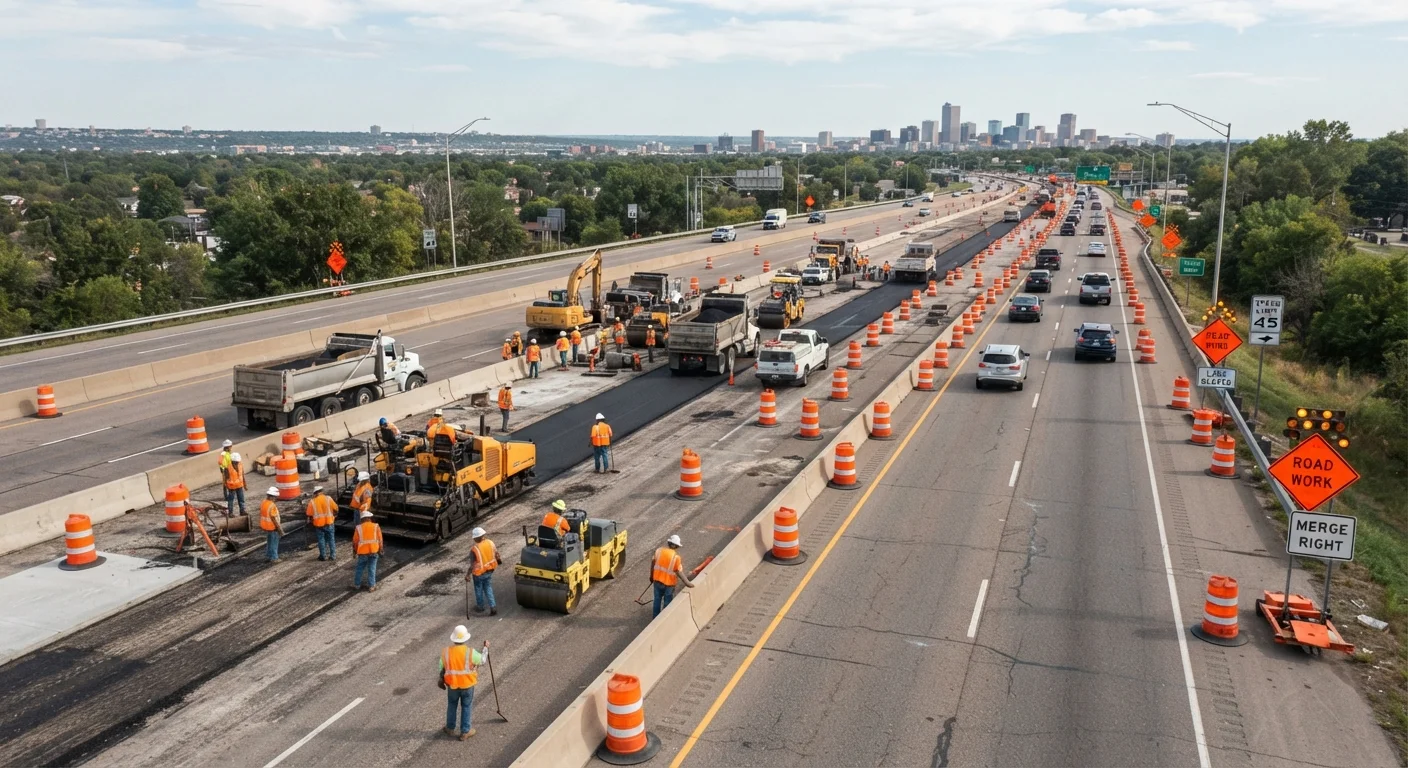
Work zones rank among the most hazardous stretches of American roadway - not because drivers are reckless, but because the environment shifts constantly. Lane boundaries move, pavement drops off without warning, workers appear close to live traffic, and speed limits change abruptly. According to the Federal Highway Administration, thousands of crashes occur in work zones each year, injuring both drivers and road workers.
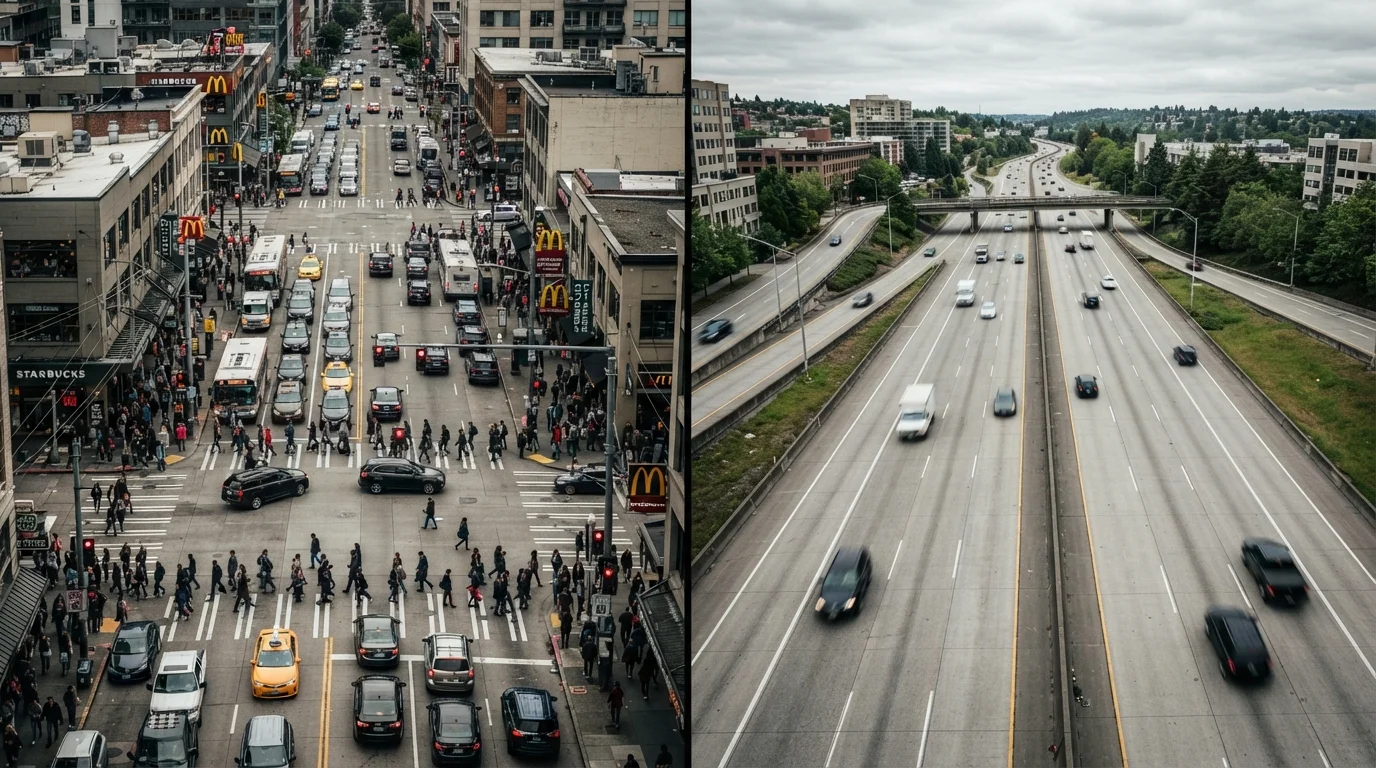
The single most cited cause is driver inattention. Rubbernecking, phone use, and simply underestimating how quickly conditions change all contribute. Understanding the structure of a work zone - what each sign means and what the law requires - removes the guesswork and makes you a safer, more predictable driver through these stretches. For a broader look at how environment shapes driving risk, see our comparison of highway and city driving safety demands.
What the Signs Actually Mean
Construction zone signage follows a standardized system set by the MUTCD, the federal manual that governs road signs across all 50 states. Orange is the universal color for temporary traffic control. Here is what the most common signs communicate:
- Road Work Ahead - Signals the start of a work zone sequence. Begin reducing speed and increasing following distance here, before restrictions begin.
- Reduced Speed Ahead / Speed Limit X - The posted limit is legally enforceable from the sign forward, not from the point where workers appear. Fines are typically doubled in active work zones.
- Lane Closed Ahead / Right (or Left) Lane Ends - A lane will merge. Begin moving over early rather than racing to the merge point.
- Flagger Ahead - A human flagger is controlling traffic flow. Their hand signals and paddle instructions override all other signs - treat them as you would a traffic signal.
- Grooved Pavement - Surface has been milled or is uneven. Reduce speed; motorcyclists and cyclists are especially affected.
- End Road Work - Normal speed limits resume. Accelerate only after you have fully cleared the zone and verified conditions are stable.
Taper
The transition section of a work zone where lanes are narrowed or merged using cones, barrels, or chevrons. Drivers should complete lane changes before the taper, not within it.
Flagger
A trained worker who uses a hand-held STOP/SLOW paddle or flags to direct traffic through a work zone. Their directions carry the force of a traffic signal and must be obeyed.
MUTCD
Manual on Uniform Traffic Control Devices - the federal standard governing the design and placement of road signs, signals, and pavement markings across the United States.
Milled pavement
Road surface that has been ground down as part of repaving. It creates a grooved, uneven texture that can affect vehicle handling, particularly for two-wheeled vehicles.
Active work zone
A work zone in which construction personnel are actually present. Enhanced fines and additional legal obligations such as Move-Over laws commonly apply specifically to active zones.
Speed Rules, Fines, and the Move-Over Requirement
Every state enforces enhanced penalties in active work zones. Most double standard fines for speeding; several add license points or mandatory surcharges when workers are present. Some states impose a blanket reduced speed limit - commonly 45 mph or lower - regardless of the normal limit on that road.
Key legal obligations most drivers overlook:
- Move-Over Laws extend to stationary construction and maintenance vehicles with flashing amber lights in most states. Slow down and, where safe, shift one lane away - the same rule that applies to police and emergency vehicles.
- Posted limits apply even when no workers are visible. The work zone designation is tied to signage, not worker presence.
- Flaggers have full legal authority. Ignoring a flagger's direction carries the same penalties as running a red light in many jurisdictions.
Fatigue significantly worsens reaction time in these stop-and-go environments. If you are tired before entering a work zone, our article on recognizing fatigue at the wheel covers early warning signs worth knowing. Also review merging and lane changes done right - work zone merges are where late-mover behavior causes the most conflicts.
Posted Limits Apply Day and Night
Work zone speed limits remain in effect around the clock, not just during daylight hours when workers are visible. Many work zones continue overnight with reduced lighting and narrower lanes, making the speed limit equally - if not more - relevant after dark. Do not assume an empty-looking zone is a normal driving environment.
Safe-Passage Habits That Make a Real Difference
Rules define the minimum. These habits reflect what experienced, attentive drivers actually do through construction zones:
- Increase following distance to at least 4 seconds. Stopping distances in construction zones shrink because pavement is often uneven or covered in debris.
- Turn off cruise control. Automatic speed maintenance makes it harder to react to sudden stops or flaggers.
- Watch for construction vehicle blind spots. Large equipment operators may not see you. Do not sit in their side or rear blind zones.
- Avoid lane changes inside the zone. Merge before the taper, then hold your lane. Weaving between lanes at speed is a leading cause of rear-end crashes in work zones.
- Do not use your phone - even at a complete stop. Several states now treat phone use in a work zone as an aggravated offense.
If you are newer to U.S. roads or want to revisit foundational rules, our practical safety orientation for U.S. roads provides a solid starting framework. Being a predictable, attentive driver through a work zone protects not just yourself - it protects the workers whose workplace happens to be the road you are driving on.