The Chain Reaction Nobody Budgets For
Car problems almost never stay isolated. A single neglected component puts stress on everything connected to it - and by the time that stress shows up as a failure, you're usually looking at a repair bill that could have been a fraction of the cost weeks or months earlier.
This is the mechanic's version of a truism worth understanding: deferred maintenance doesn't eliminate costs, it multiplies them. As we cover in why skipping routine maintenance ends up costing more, delaying basic upkeep consistently leads to far larger bills down the road.
The mistakes below reflect exactly how that chain reaction starts - and what you can do to break it before it becomes expensive.
Ignoring unusual noises - squeaks, grinding, or knocking - and assuming they'll go away on their own.
Why it happens: Strange sounds often come and go, which makes drivers hope they're harmless. Without visible damage, it's easy to rationalize waiting.
Skipping oil changes or stretching them well beyond the manufacturer's recommended interval.
Why it happens: Oil changes feel like an expense with no immediate payoff, and busy schedules make it easy to push the next one back by weeks or months.
Letting tire pressure drift low and skipping rotation schedules.
Why it happens: Tires lose pressure gradually and visually look fine until they're dangerously low. Rotation feels like a formality rather than a real maintenance need.
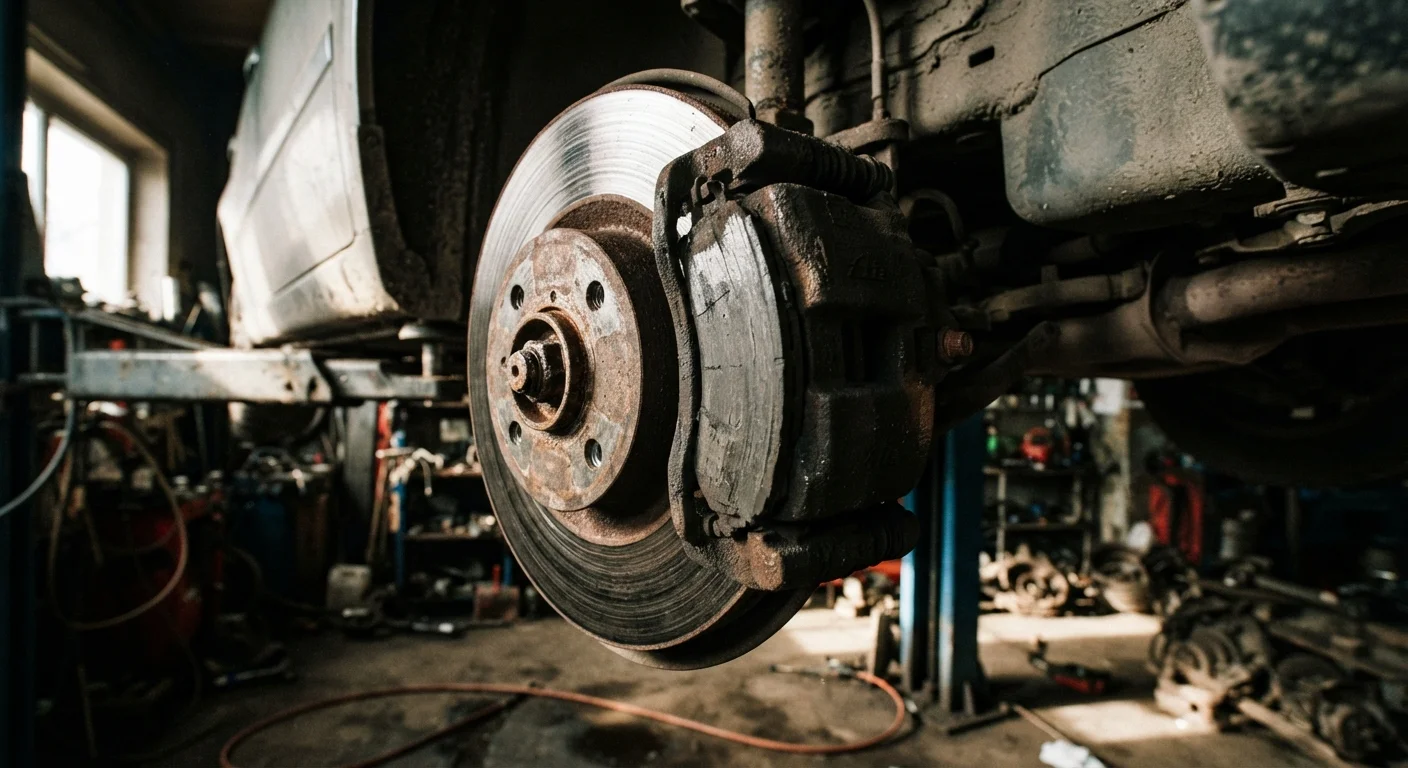
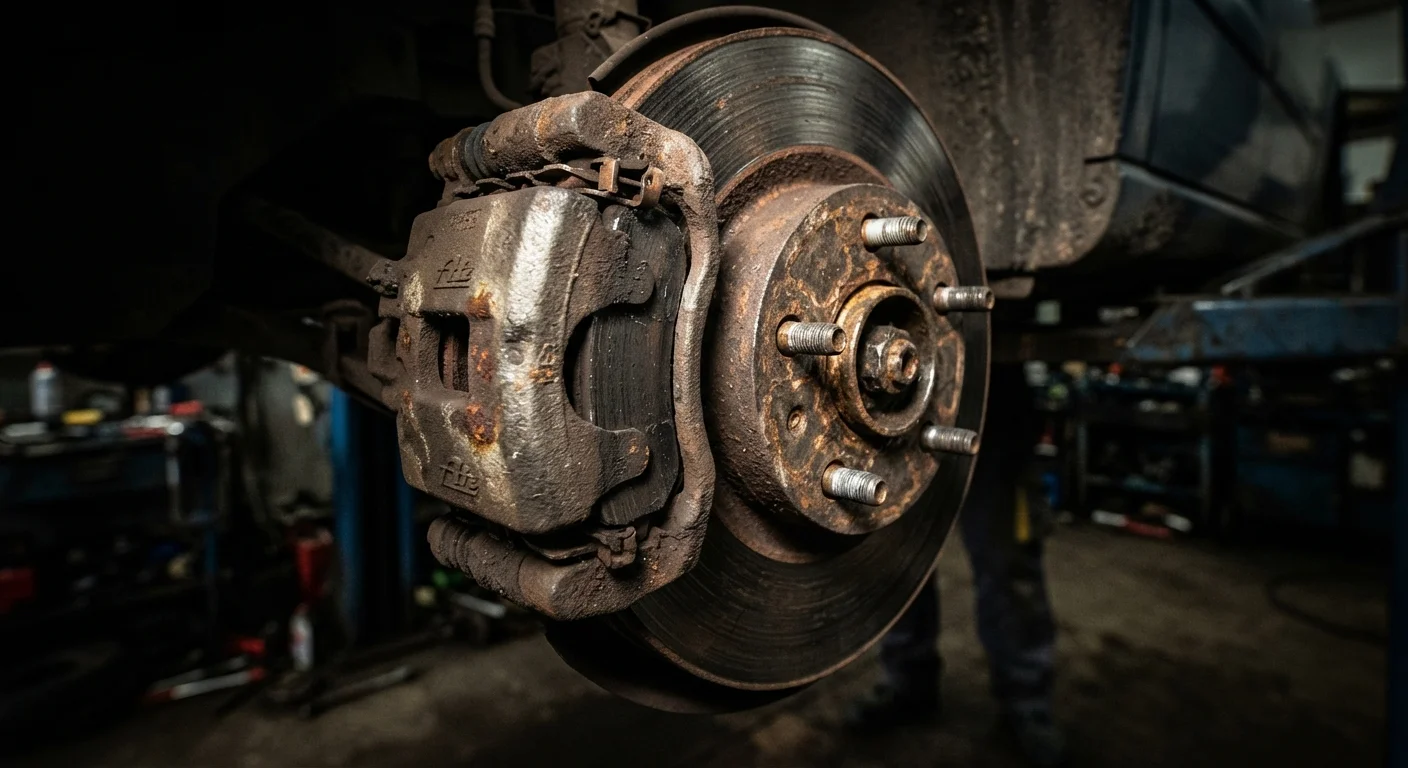
Postponing brake service until braking performance noticeably degrades.
Why it happens: Brakes can feel adequate right up until they're not. Drivers often conflate "still stopping the car" with "brakes are fine."
Ignoring small fluid leaks - coolant, transmission fluid, or brake fluid - because the car still drives normally.
Why it happens: If the car starts and moves, the problem doesn't feel urgent. Small drips seem like a nuisance, not a hazard.
What Neglect Actually Costs You
It's tempting to frame skipped maintenance as a money-saving move. In reality, it's a cost deferral - and interest accrues fast. Understanding your total car ownership costs means accounting for the maintenance you skip today showing up as a repair bill tomorrow.
$1,200+
Average cost of a neglected brake repair
Industry repair data consistently shows rotor and caliper replacement costs several times more than timely pad-only service.
40%
Of roadside breakdowns linked to maintenance neglect
AAA has reported that a significant share of vehicle breakdowns involve issues that routine maintenance would have caught or prevented.
$0.09/mile
Estimated routine maintenance cost per mile
The American Automobile Association estimates routine upkeep costs are far lower per mile than the repair costs triggered by skipped service.
The pattern holds across almost every vehicle system. Tires worn unevenly from skipped rotations get replaced sooner. Engines run on degraded oil accumulate microscopic damage that shortens the drivetrain's life. Brakes ignored past their wear indicators damage rotors that were otherwise fine. Everyday driving habits can compound this wear further when maintenance is already behind.
Dashboard Warning Lights Are Not Optional
A check engine or oil pressure light is your car's way of flagging a problem before it worsens. Driving for weeks with an illuminated warning light can turn a $100-$200 sensor fix into a $1,000+ engine repair. Have warning lights diagnosed promptly - many auto parts retailers offer free code reading.
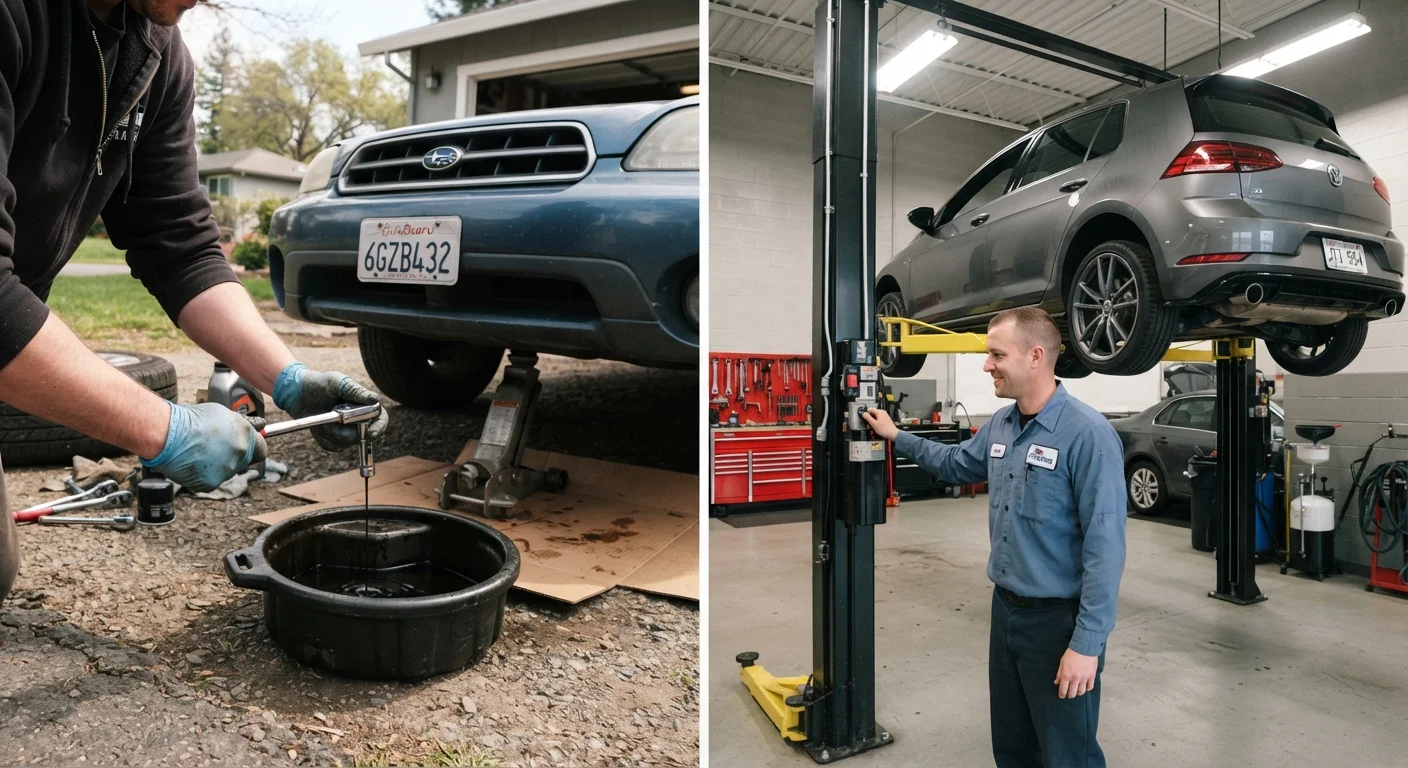
If you're unsure which repairs you can reasonably handle yourself versus which ones need a professional, weighing DIY car maintenance against shop visits is a practical next step. Catching small problems early - whether you fix them yourself or take them in - is always the more budget-friendly path.
Coolant Leaks Can Destroy Your Engine Fast
Even a slow coolant leak can cause your engine to overheat within miles if the level drops critically low. Overheating is one of the leading causes of catastrophic engine damage, which can cost several thousand dollars to repair or require a full engine replacement. Never dismiss a puddle under your car as insignificant without identifying the fluid first.
This article provides general automotive maintenance information for educational purposes. For specific diagnosis, repair recommendations, or safety-related concerns, consult a qualified mechanic.