Why Store Brands and Name Brands Can Be More Similar Than They Look
Private-label products - sold under a retailer's own name rather than a manufacturer's brand - have grown significantly across U.S. grocery and general merchandise sectors. A key reason shoppers hesitate to try them is unfamiliarity, but the manufacturing reality is often more mundane: many store-brand products are produced by the same contract manufacturers that supply national brands, sometimes on the same production lines.
This doesn't mean every store brand is identical to its name-brand counterpart. Retailers negotiate formulas, specifications, and ingredients separately. Some store brands replicate the national brand closely; others use different proportions, lower-tier ingredient grades, or simplified formulations to hit a price point. The packaging tells you nothing reliable about which situation you're in - the label does.
For a deeper look at how ingredient labeling practices can obscure quality differences, see how ingredient splitting works on labels.
How to Compare Products Past the Packaging
The most actionable comparison tool is the ingredient list or, for non-food items, the product specification sheet. Here's a practical approach:
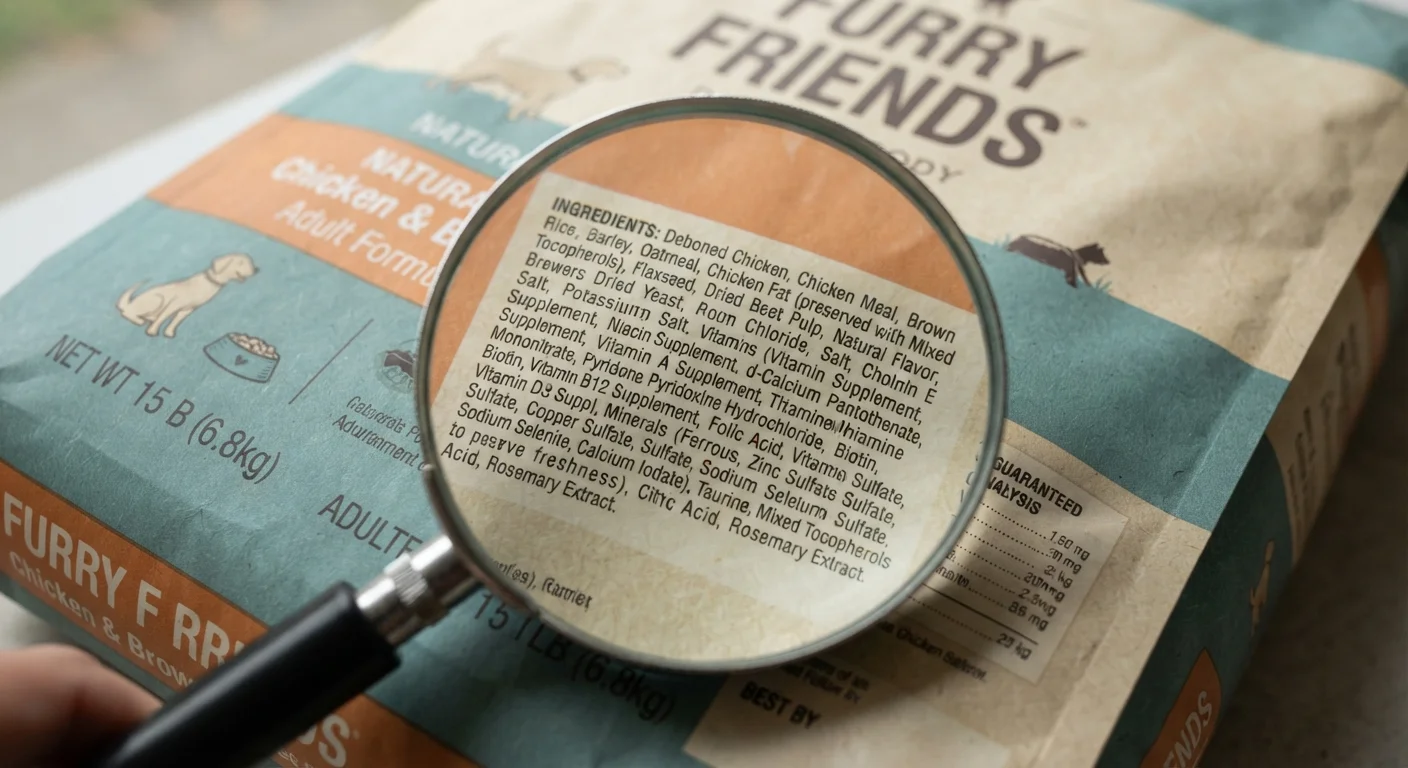
- Align ingredient order: Ingredients are listed by weight, descending. If the first three to five ingredients match between two products, the formulations are likely similar at the core.
- Check active ingredients for OTC medications: Generic and name-brand over-the-counter drugs sold in the U.S. must contain the same active ingredients at the same concentrations - this is an FDA regulatory requirement, not a marketing claim.
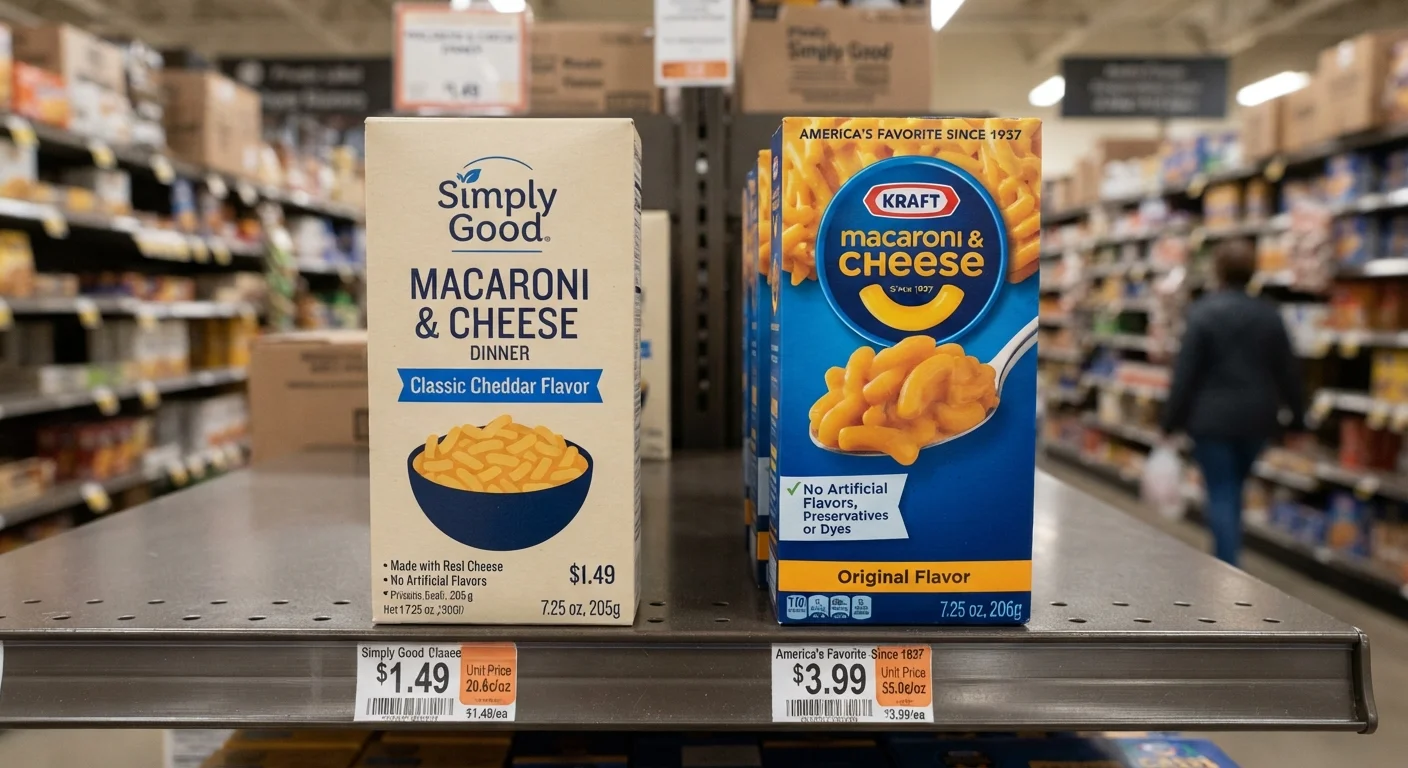
- Calculate unit price: Divide the shelf price by ounces, count, or square footage. This neutralizes size differences that packaging uses to obscure real value.
- Note what's omitted: Name brands sometimes include stabilizers, texture agents, or added vitamins absent from the store version. Whether those matter depends on your use case.
Start With a Small Test Purchase
Before committing to a larger quantity of any store-brand product, buy the smallest available size and use it in conditions that match your normal use. This is especially useful for cleaning products, personal care items, and food with specific texture or taste requirements. One small test purchase costs little and removes most of the guesswork.
For non-food comparisons across retailers, strategies for aligning product specs across multiple retailer sites can help you build a consistent framework.
Categories Where the Swap Typically Makes Sense
Not all product categories carry the same risk of disappointment when switching to store brands. Some areas show consistently narrow differences:
| Category | Store Brand Value | Key Comparison Signal | |
|---|---|---|---|
| OTC Medications (pain relief, antacids) | Generally equivalent | Match active ingredient and dosage exactly | |
| Pantry Staples (flour, sugar, salt) | Very similar | Check grade; most commodity items are equivalent | |
| Cleaning Supplies (bleach, dish soap) | Often comparable | Compare active ingredient concentrations | |
| Personal Care (shampoo, lotion) | Variable - test first | Compare full ingredient list order | |
| Snack Foods and Condiments | May differ noticeably | Taste and texture are subjective; try before committing to bulk | |
| Tools and Small Appliances | Spec-dependent | Look for published wattage, material grades, and warranty |
In commoditized categories - basic pantry staples, dish soap, aluminum foil, common OTC pain relievers, bleach-based cleaners - the active components are either regulated or chemically simple enough that meaningful variation is limited. These tend to be lower-stakes swaps.
Where Meaningful Differences Are More Likely
In some product areas, formula complexity, quality tiers of raw materials, or years of brand-specific research and development create real gaps between store and name brands:
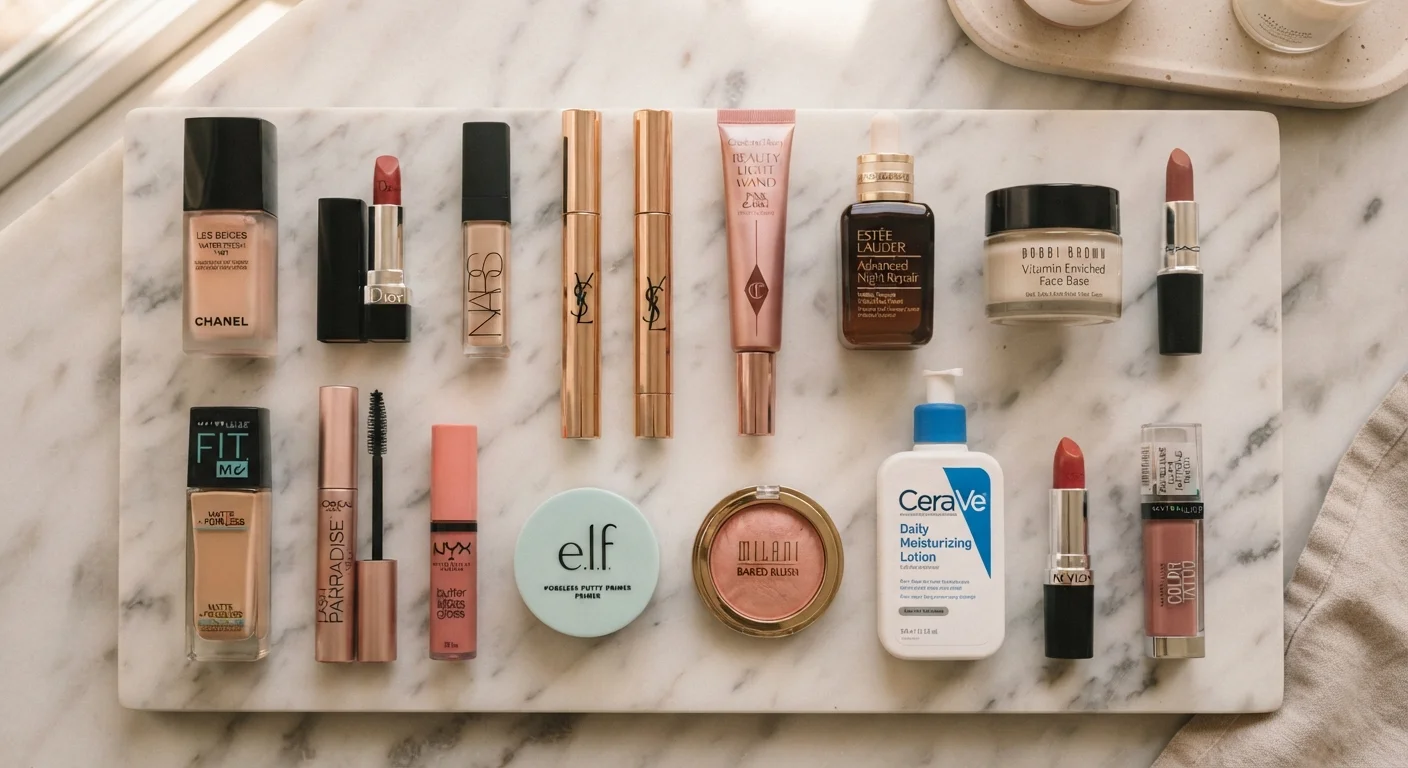
- Complex personal care formulas: Shampoos, skincare, and hair treatments can vary significantly in active concentrations, vehicle ingredients, and pH. What the price gap in beauty products actually reflects explores this in detail.
- Specialty tools and appliances: Component quality - motor ratings, blade steel, sealing materials - can diverge between private-label and established brands in ways ingredient lists don't capture. Always look for published specifications.
- Certain food categories with texture or flavor complexity: Crackers, snack items, and condiments where proprietary processes create distinct results are areas where you may notice the difference.
Don't Assume Cheaper Always Saves Money
A store-brand product that requires more product per use, wears out faster, or doesn't perform adequately can end up costing more than the name-brand alternative over time. Factor in performance and longevity alongside sticker price before deciding a swap is worthwhile.
It's worth remembering that a lower price is not inherently a better deal if the product requires more frequent replacement or delivers a noticeably inferior result. Understanding the full cost of ownership applies here just as it does to major purchases.
Building a Selective Substitution Habit
The most practical approach is category-by-category substitution rather than an all-or-nothing switch. Start with commodity items where regulatory standards or chemical simplicity reduce the risk: pain relievers, basic cleaners, pantry staples, paper products. Record what works. Reserve name-brand spending for categories where your own side-by-side tests reveal a genuine difference you care about.
This selective habit also pairs well with unit-price discipline. Bulk buying trade-offs are worth factoring in here too - a store-brand item bought in bulk at a lower unit price compounds savings, but only if you'll actually use it before it expires or loses effectiveness.
For a broader framework on where quality premiums are genuinely justified at home, a category-by-category look at home essentials offers useful context.