Why the Ingredient List Isn't Always Straightforward
Pet food labels are regulated - in the United States, the Association of American Feed Control Officials (AAFCO) sets standards for how ingredients must be listed and named. That structure gives consumers a starting point, but it doesn't prevent manufacturers from using legal labeling strategies that can make a product's ingredient profile look more favorable than it actually is.
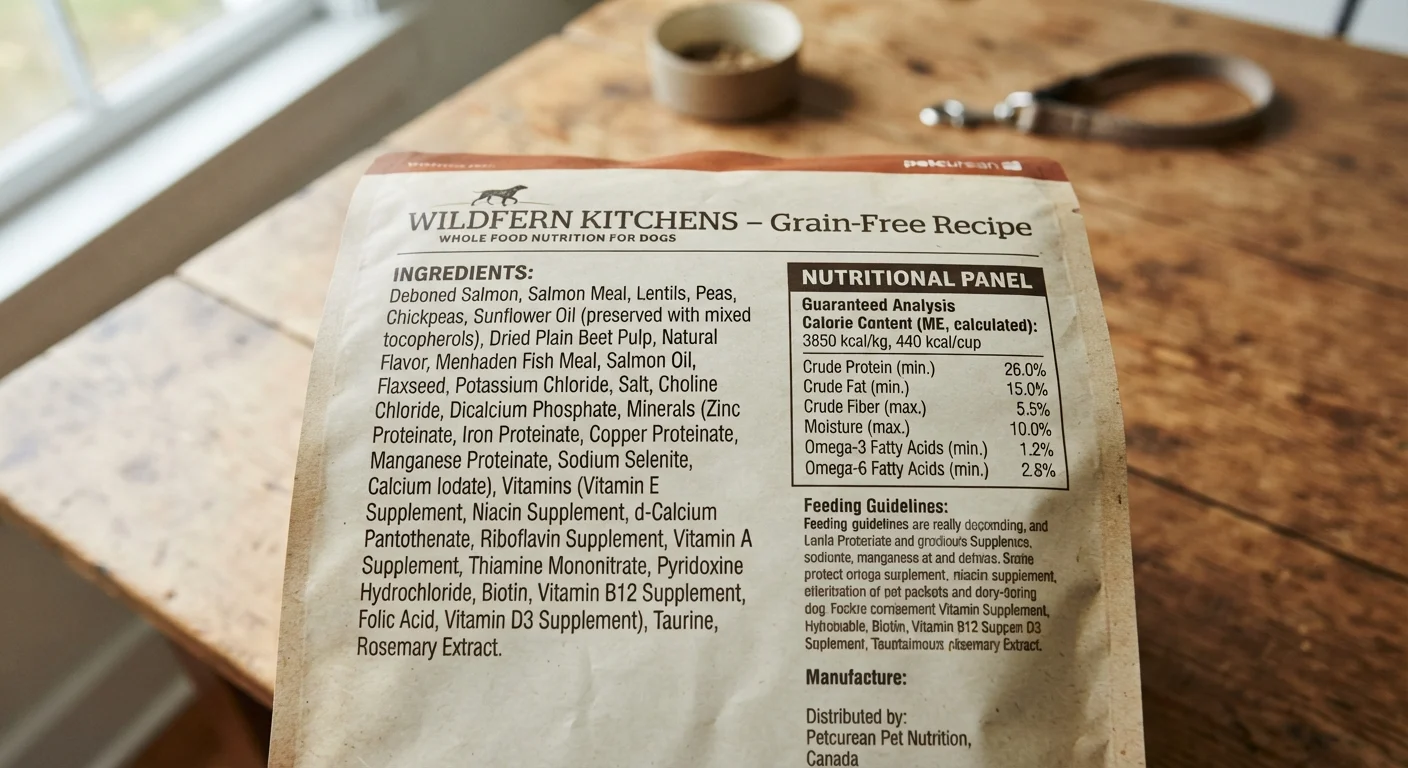
The foundation of the list is simple: ingredients must appear in descending order by pre-cooking weight. That sounds reliable, but it creates an immediate wrinkle. Whole chicken, for example, contains roughly 70% water before processing. Once cooked and dried into the final kibble, its actual contribution to the product shrinks considerably. Meanwhile, a dry ingredient like chicken meal - which is already water-reduced - may represent far more protein per pound even when it ranks lower on the list. As we explain in our guide to pet food label terminology, understanding these mechanics helps you read past the surface order.
Ingredient Splitting: What It Is and How to Spot It
Ingredient splitting occurs when a manufacturer lists the same base ingredient in multiple distinct forms, spreading its total weight across several entries. Because each form is listed separately, none of them individually ranks as high as the combined total would. The result: a less prominent ingredient appears to represent a smaller share of the food than it actually does.
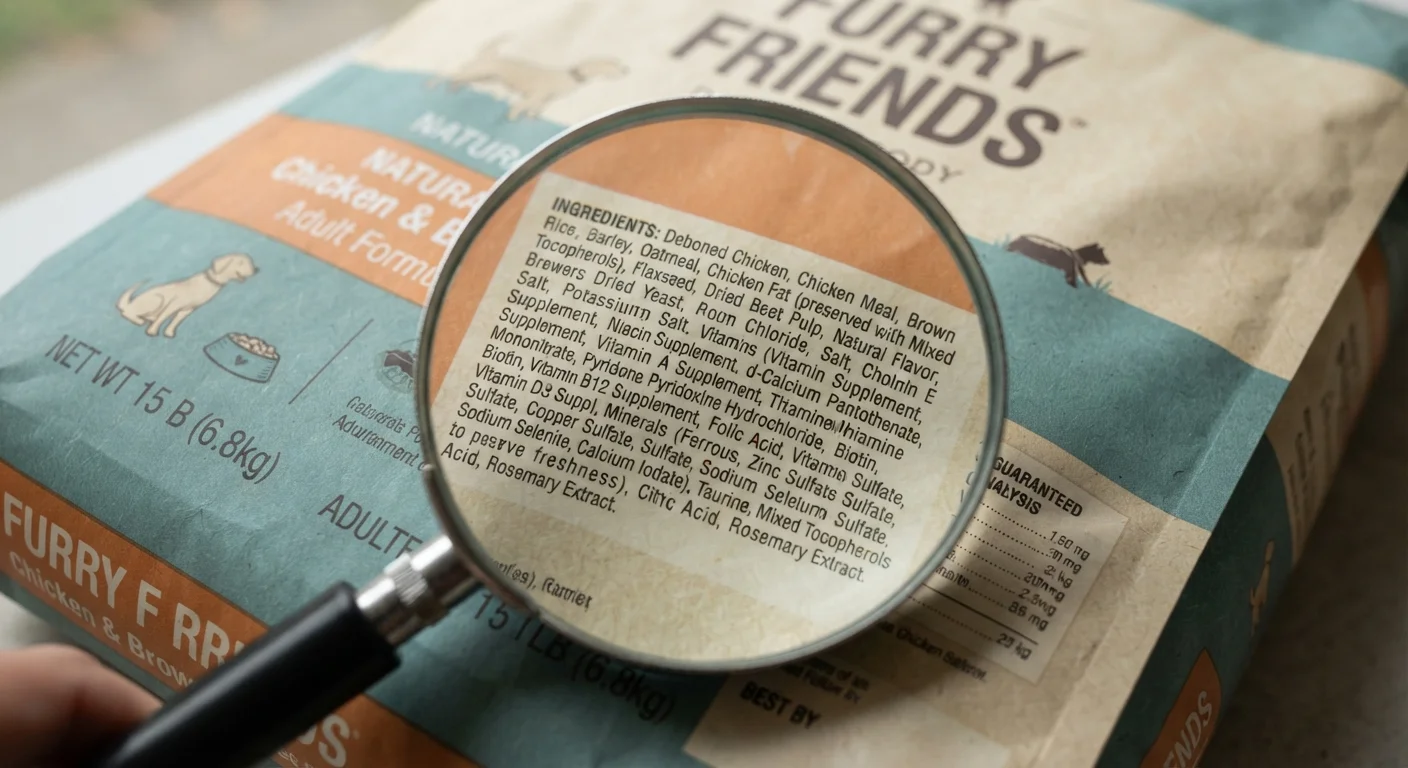
A common example involves grain products. Instead of listing "corn" as a single entry - which might rank second or third - a formula might list "ground corn," "corn gluten meal," and "corn bran" as three separate ingredients. Individually, each ranks lower. Together, they could outweigh the protein source listed first.
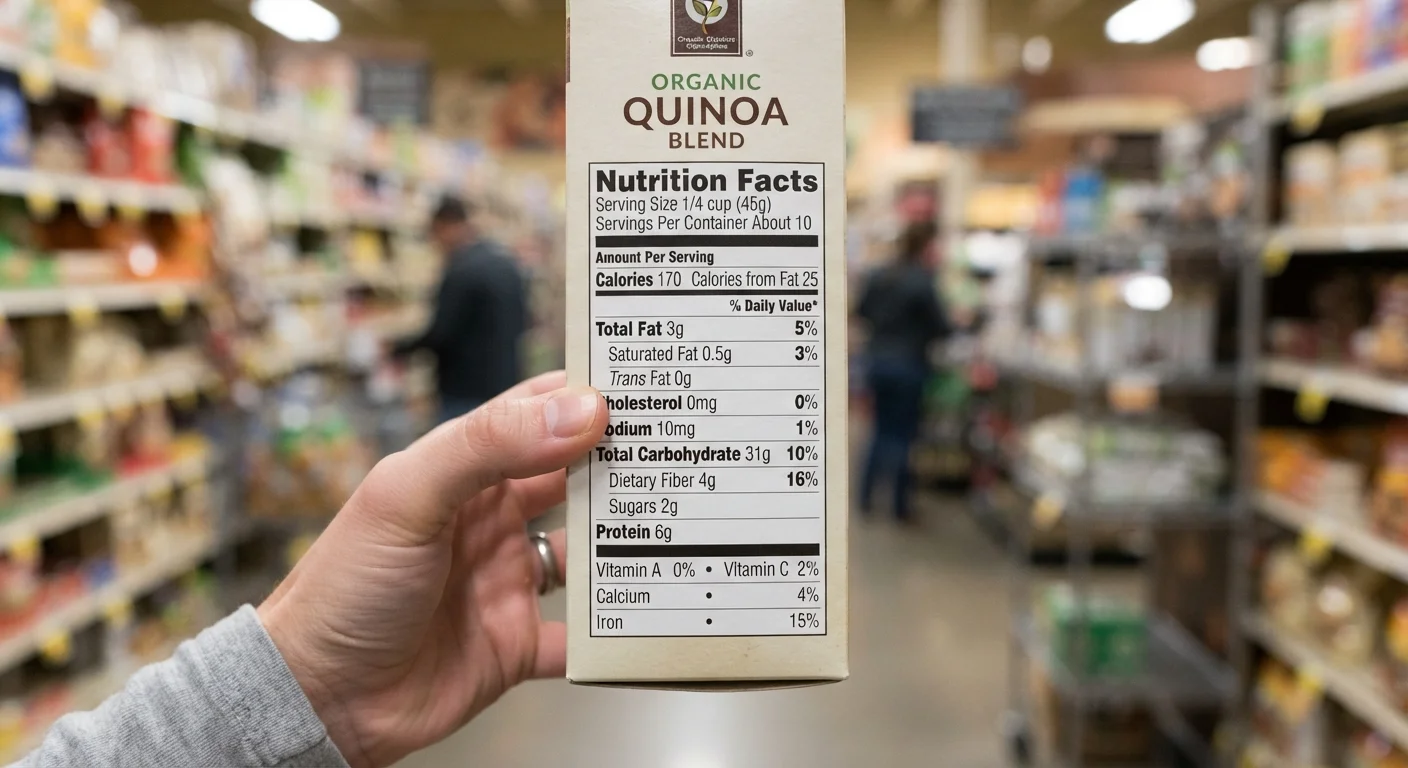
This practice is legal and not always deceptive - different forms of an ingredient genuinely have different nutritional profiles and functional roles. Corn gluten meal, for instance, is a concentrated protein source, while corn bran contributes fiber. The concern arises when the splitting is used purely to obscure a high-starch or low-nutrient ingredient's dominance in the formula. For a broader look at how manufacturers frame nutritional content across categories, see how nutrition labels work in general.
Fillers: A Misunderstood Term
"Filler" is a loaded word in pet food discussions, often used to mean any ingredient that isn't meat. That framing is imprecise. In a technical sense, a filler is an ingredient that contributes bulk or calories with little accompanying nutritional benefit for the animal - but many carbohydrate sources that owners dismiss as fillers actually provide digestible energy, fiber, or specific nutrients that support gut health.
Not All Carbohydrates Are Equal - Or Empty
Ingredients like brown rice, oatmeal, peas, and sweet potatoes provide digestible carbohydrates and, depending on the ingredient, meaningful fiber or micronutrients. Their presence near the top of an ingredient list doesn't automatically signal a low-quality formula. The relevant question is whether the overall nutrient profile - especially protein and fat levels - meets established requirements for your pet's species, size, and life stage.
What matters more than whether an ingredient is labeled a "filler" is where it appears in the formula and what the guaranteed analysis says about actual nutrient levels. A food that lists a named meat first but then includes six starch-based ingredients in succession may deliver less protein per calorie than one where a meat meal ranks second. Cross-referencing the ingredient list with the crude protein and fat percentages in the guaranteed analysis gives a more complete picture than the ingredient order alone. For a structured walkthrough of the complete label, our pet food label field guide covers every section in plain language.
Putting It Together: Practical Label Reading for Budget-Conscious Owners
None of these tactics make a pet food automatically poor quality - or automatically disqualify it from being a reasonable choice for your pet. The goal is to read labels accurately, not to chase a theoretical ideal that may not translate to better outcomes for your individual animal.
When comparing two foods at different price points, look at the guaranteed analysis side by side, not just the ingredient order. A food with chicken listed first but a crude protein percentage of 22% may deliver similar nutrition to one with chicken meal listed second and 26% protein. The numbers sometimes tell a different story than the hierarchy of names.
If you want to apply similar critical thinking to other categories of consumer products, reading past packaging on store brands offers transferable principles for any label comparison. The core skill is the same: look at what the data actually shows rather than what the presentation implies.
This article provides general pet nutrition information for educational purposes only. For questions about your specific pet's dietary needs or health conditions, consult a licensed veterinarian.