What Bulk Buying Actually Means for Your Budget
Bulk buying - purchasing larger quantities at a lower cost-per-unit - is a fixture of warehouse clubs and online subscription models alike. The appeal is obvious: pay less per ounce, per roll, or per serving. But the savings are only realized if you actually use what you buy before it expires, degrades, or gets crowded out by the next haul.
The core question isn't whether bulk pricing is cheaper. It usually is, per unit. The question is whether the total value holds up once you account for what you might waste, what you had to spend upfront, and what you gave up in return - storage space, cash flow flexibility, variety. As a starting framework, consider bulk purchases in two categories: items where the math reliably works, and items where it rarely does.
For a broader look at how low sticker prices can obscure real costs, see why a lower price tag doesn't always mean a better deal.
Lower cost-per-unit on frequently used items
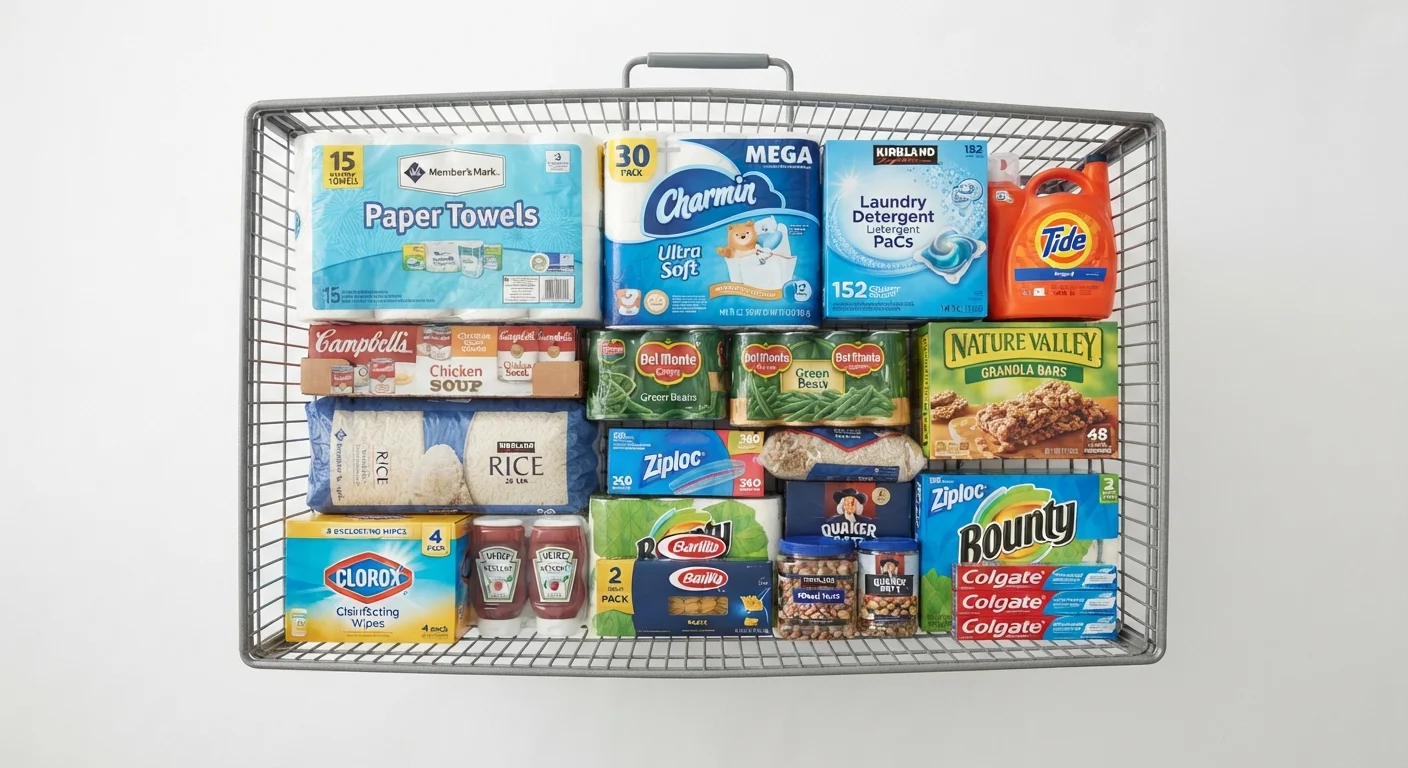
Buying larger quantities typically reduces the price per unit, which adds up meaningfully for staples used every week - toilet paper, laundry detergent, canned goods, and similar products.
Fewer shopping trips over time
Stocking up on essentials reduces how often you need to make routine purchases, saving both time and the incidental spending that tends to accumulate during store visits.
Buffer against price increases
Locking in current prices on a product you know you'll use protects against future price hikes, particularly for shelf-stable goods subject to supply chain or inflation pressure.
Reduces packaging waste per unit
Larger packages generally use less packaging material relative to product volume, which can reduce household waste and the environmental footprint of routine consumption.
Convenience for households with predictable needs
Families with consistent routines - the same breakfast foods, the same cleaning products, the same personal care items - benefit most because consumption rates are reliable and predictable.
When Bulk Buying Works Against You
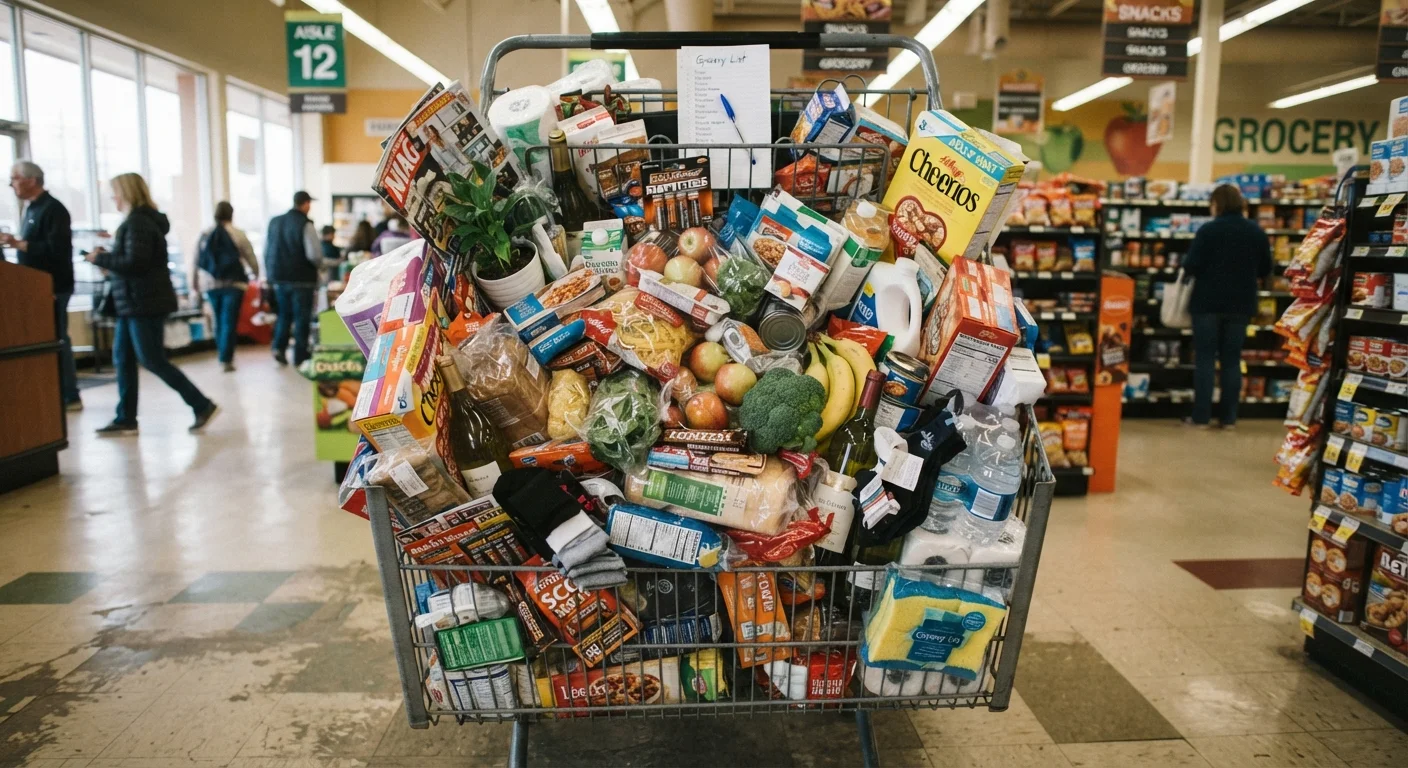
The strongest case against bulk buying is waste. Perishables bought in bulk quantities beyond what a household can reasonably consume represent a direct financial loss - the discount evaporates the moment food goes in the trash. This is especially true for produce, dairy, and bread, but it also applies to items with subtler shelf lives: cooking oils go rancid, spices lose potency, and even paper products can absorb moisture in poorly sealed storage areas.
There's also a psychological trap worth naming: the sunk-cost effect. Once a large supply is in the house, shoppers often feel committed to using it even when preferences change or a better product becomes available. Buying a bulk supply of a cleaning product you've never tried before, for instance, is a gamble that doesn't pay off if you dislike it.
High upfront cost strains cash flow
Bulk purchases require spending more money at once, which can create cash flow pressure even when the per-unit price is lower. This trade-off is especially significant for households on tight monthly budgets.
Perishables often go to waste
Food items bought in bulk quantities that exceed realistic consumption rates result in spoilage - turning a perceived discount into a direct financial loss.
Storage space requirements are real
Large quantities of goods require dedicated, organized storage. Without it, items get misplaced, forgotten, or stored in conditions that accelerate deterioration.
Locks you into a product you may dislike
Buying a bulk supply of an untested product is a significant gamble. If the item doesn't suit your needs, you're either stuck using it reluctantly or absorbing a loss by discarding it.
Membership fees can erode savings
Warehouse clubs that offer bulk pricing typically charge annual membership fees. For households that shop infrequently or buy selectively, those fees can offset much of the per-unit savings.
False sense of savings encourages over-purchasing
The psychological pull of a per-unit discount can lead shoppers to buy more than they need across multiple categories, inflating the total spend well beyond what was planned.
Impulse bulk buying - grabbing a jumbo pack simply because it's prominently displayed or feels like a deal - is a spending pattern worth watching. Shopping on impulse covers the habits behind these decisions and how to interrupt them before they become a pattern.
A Practical Decision Framework Before You Stock Up
Before committing to a bulk purchase, a few direct questions can filter out the ones likely to backfire:
- Do you use this item consistently? If you buy it every single month and the product doesn't change, bulk makes sense. If your use is seasonal or occasional, it probably doesn't.
- What's the realistic shelf life? Check the expiration date and estimate honestly whether your household will finish it in time.
- Do you have dedicated storage? Items stored in awkward spots tend to get forgotten. If it won't fit in a logical place, it may never get used efficiently.
- Have you used this product before? Never buy a large quantity of something untested. Try a standard size first.
- What does the unit price actually compare to? Store brands at standard sizes sometimes beat bulk pricing from name brands. Reading past the packaging can help calibrate that comparison.
Unit Price Is Not the Whole Picture
Warehouse clubs and grocery stores are required to display unit pricing in most U.S. states, making comparisons easier. However, unit price alone doesn't account for spoilage risk, storage cost, or the opportunity cost of tying up cash in inventory. A standard-size package that gets fully used is often a better value than a bulk package where a portion goes to waste.
For a more structured approach to any purchase decision, this pre-purchase checklist walks through the key steps before adding anything to your cart.
Where Bulk Buying Fits Into a Broader Budget Strategy
Bulk buying works best as one tool among several - not a blanket habit. Pairing it with a well-organized pantry makes the strategy significantly more effective; if you can see what you already have, you avoid duplicate purchases and track what actually gets used. Stocking a kitchen pantry offers a practical framework for what's genuinely worth keeping on hand.
It's also worth situating bulk buying within your overall budget. A large warehouse run might generate per-unit savings but strain cash flow if it crowds out other planned spending. The honest tradeoffs of strict budgeting covers how to weigh discipline against flexibility in practical terms.
~$65B
Annual U.S. warehouse club industry revenue
Industry estimates place U.S. warehouse club and supercenter annual revenues in the tens of billions, reflecting how deeply bulk-buying habits are embedded in American household shopping.
30-40%
Estimated food waste in U.S. households
The USDA estimates that American households waste roughly 30-40% of the food supply, a figure directly relevant to the risk of over-purchasing perishables in bulk.
Used deliberately, bulk purchasing rewards households with stable needs and adequate space. Used reflexively, it becomes a source of clutter, waste, and a budget drain dressed up as a deal.