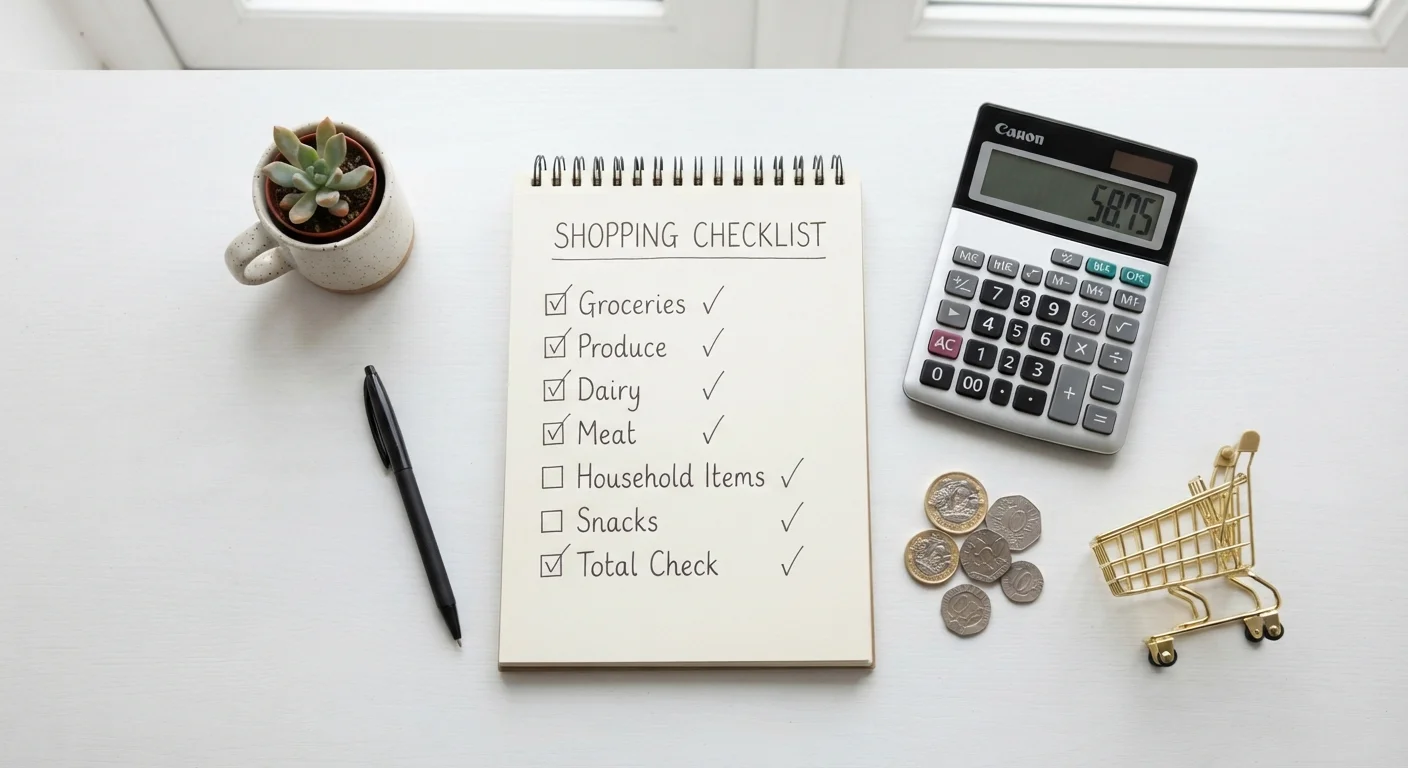
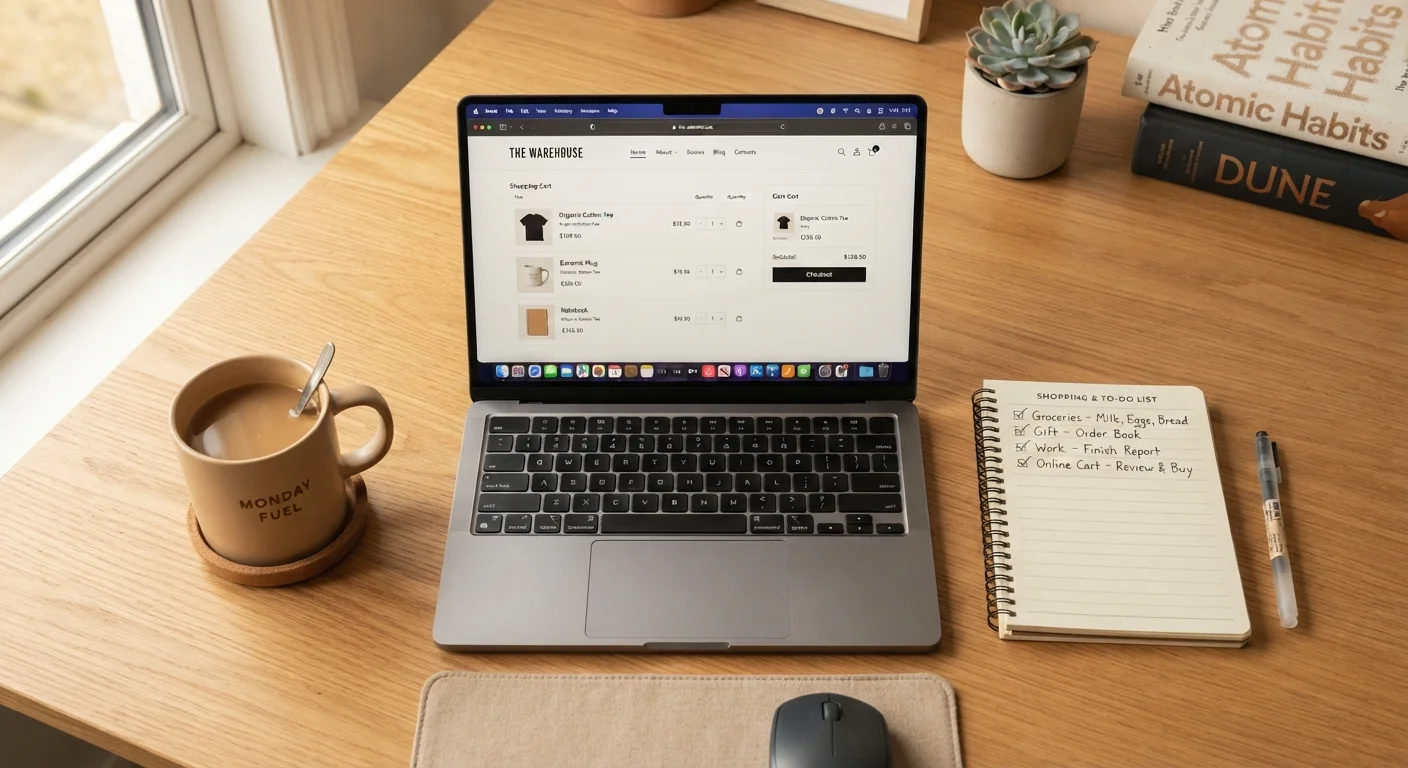
Why a Pre-Purchase Checklist Pays Off
Most buyer's remorse doesn't come from bad luck - it comes from skipping a few questions that were worth asking before hitting "place order." A short, consistent pre-purchase routine helps you catch hidden costs, verify quality signals, and confirm the item fits your actual needs rather than a momentary impulse.
This checklist is designed for everyday purchases: electronics, home goods, apparel, and similar items where the stakes are real but not overwhelming. For larger financial commitments, this end-to-end decision guide covers additional factors worth layering in.
If you're still building the mental framework for what "good value" actually means, this introduction to value-based shopping is a useful starting point before running through the steps below.
Budget & Need Verification
Price & Total Cost Check
Product Quality Signals
Return, Refund & Seller Policies
Final Checkout Review
Tools That Make the Process Faster
You don't need specialized software to run this checklist - but a few free tools reduce the time and mental effort involved significantly.
Browser price-comparison extension
Automatically surfaces prices from competing retailers on product pages so you can compare without opening additional tabs.
Price-history tracker (e.g., CamelCamelCamel for Amazon)
Shows historical price data for a product so you can judge whether the current price is genuinely low or artificially inflated before a sale.
Spreadsheet or notes app
Records product specs, prices, and return-policy details across multiple options so nothing slips through the cracks during comparison.
Retailer mobile app
Some retailers offer app-exclusive prices or digital coupons that are not available through the desktop website.
For a deeper look at how to manage multiple browser tabs and price comparisons without losing track of what you've already checked, see our guide on comparison shopping across multiple sites.
Common Pitfalls to Watch For
Even careful shoppers run into a handful of recurring traps. Knowing what to look for in advance makes them easier to spot.
Artificially Inflated 'Original' Prices
Some retailers list a high "original" or "was" price to make discounts look larger than they are. A price-history tool can quickly show you whether that reference price was ever genuinely charged. If the item has been listed at the "sale" price for months, the discount isn't as meaningful as it appears.
Marketplace Seller Confusion
On large marketplace platforms, multiple sellers may list the same product at different prices and with different return policies - even on the same product page. Always confirm which seller you're purchasing from and read their specific policies, not just the platform's general policy, before completing checkout.
Subscription Traps Hidden in Checkout
Some checkout flows include pre-checked boxes that enroll you in loyalty programs, auto-ship subscriptions, or trial memberships. Scan every checkout screen carefully for pre-selected options and uncheck anything you didn't intentionally choose.
Discount stacking is another area where fine print trips people up. Promotional codes, rebates, and sale prices don't always combine the way you'd expect - see how to layer deals correctly before assuming a combined offer is as good as it looks.
Bulk purchases deserve their own scrutiny. A lower unit price only helps if you'll actually use the quantity you're buying. This balanced look at bulk buying walks through when the math works and when it doesn't. For broader spending habits, the Budgeting Basics hub offers simple strategies for keeping purchases aligned with your overall financial plan.