The Price Gap Isn't Just About What's in the Bottle
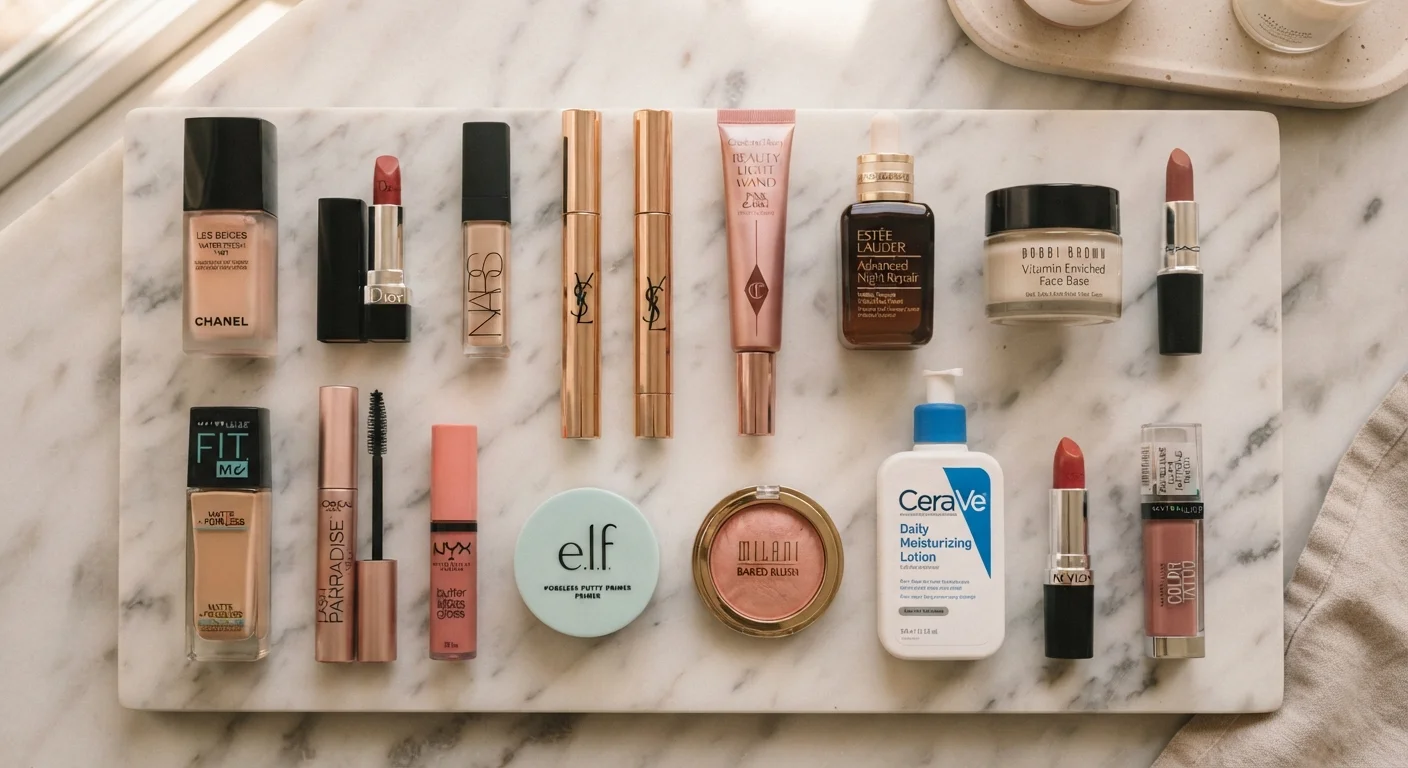
Walk down a drugstore aisle and you'll find a retinol serum for $12. Cross town to a department store beauty counter and a similar-sounding product might run $95. That gap feels enormous - but what's actually driving it?
The honest answer involves several layers that have little to do with formula efficacy. Industry pricing accounts for retail overhead, counter staff wages, elaborate packaging, celebrity partnerships, and the cost of high-gloss advertising campaigns. Estimates from industry analysts have long suggested that marketing and packaging can account for as much as 50% or more of a prestige beauty product's retail price - though exact figures vary widely by brand and category.
That doesn't automatically make department store products a bad deal. It means the price gap reflects a bundle of things, not purely the quality of what touches your skin. Understanding that bundle is how you shop smarter. A lower price tag doesn't always mean a better deal, and a higher one doesn't automatically guarantee superior results either.
Where Drugstore Products Genuinely Compete
Cosmetic chemists have publicly noted for years that the regulatory framework governing cosmetic ingredients in the U.S. applies equally to drugstore and prestige formulas. That means a glycolic acid cleanser sold at a mass-market retailer contains the same acid as one sold at a department store counter - the difference lies in concentration, vehicle (the surrounding formula), and texture engineering.
Categories where drugstore products tend to hold their ground:
- Cleansers and basic toners - These are typically on your skin briefly, then rinsed off. Functional ingredients don't need to be expensive to work at this rinse-off stage.
- SPF moisturizers - Sunscreen actives are regulated by the FDA, meaning efficacy requirements are standardized. A broad-spectrum SPF 30 from a drugstore is held to the same standard as one in a prestige compact.
- Mascara and eyeliner - These are categories with a long history of strong drugstore performance, and beauty editors have noted this openly for decades.
| Drugstore Beauty | Department Store Beauty | |
|---|---|---|
| Average price range | $5-$30 | $30-$150+ |
| Formula transparency | Full ingredient list required | Full ingredient list required |
| Active ingredient concentration | Varies; often lower | Often higher; better stabilization |
| Packaging quality | Functional; minimal | Premium; significant cost driver |
| In-store guidance | Self-service only | Trained beauty advisors available |
| Texture/sensory investment | Basic to moderate | Often highly engineered |
| Best for daily-use staples | Strong value | May be unnecessary spend |
| Best for targeted treatments | Check concentrations carefully | More consistently reliable |
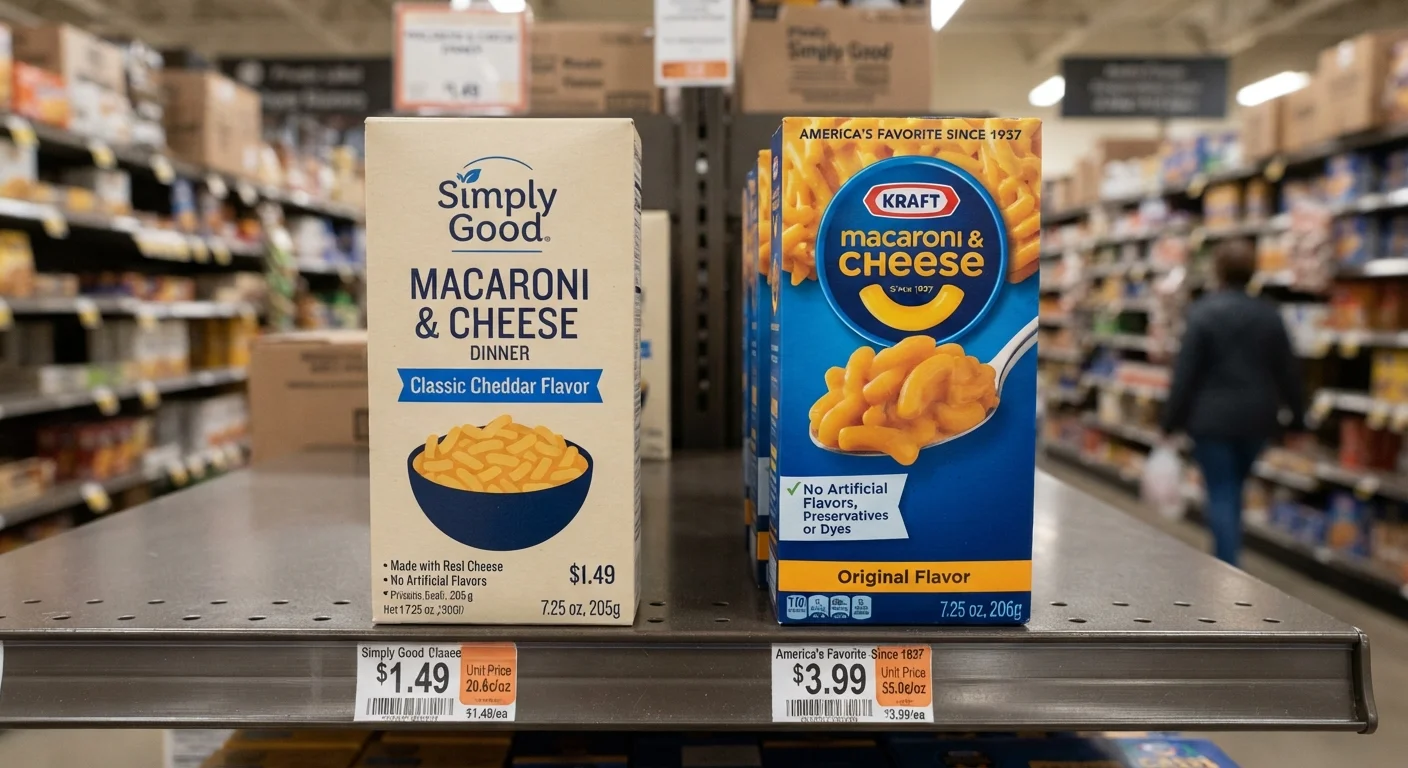
Store brands and name brands often share more than you'd expect - the same principle applies across beauty aisles.
What the Premium Price Can Legitimately Deliver
To be fair, prestige beauty isn't all smoke and mirrors. There are real differences that some shoppers will genuinely value.
Higher concentrations of active ingredients. A vitamin C serum is only as effective as its concentration and stabilization method. Prestige brands sometimes invest more in stabilizing volatile actives like L-ascorbic acid, which degrades quickly and is difficult to formulate well at low cost.
Texture and sensory experience. The feel of a product on your skin - how quickly it absorbs, whether it pills under makeup, its scent profile - is a function of sophisticated formulation chemistry. Luxury brands often spend significantly on this aspect, and for daily-use products, sensory enjoyment directly influences whether you'll use something consistently.
In-store guidance and shade matching. The department store beauty counter offers a service component a drugstore shelf cannot: trained staff who can help you find the right foundation undertone, recommend layering strategies, or explain which active ingredients to avoid combining. That service has real value, particularly for skincare beginners.
Read the Ingredient List, Not the Price Tag
Before buying any skincare product, scan the first five ingredients - these make up the bulk of the formula. If the active ingredient you're seeking (like niacinamide or retinol) appears near the bottom of a prestige product's list, a well-formulated drugstore alternative may deliver similar - or greater - efficacy per dollar. Look up unfamiliar ingredients on publicly available cosmetic databases for additional context.
Worth noting: not every prestige product delivers on its premium. Knowing which categories genuinely reward spending versus where the premium is mostly theatrical helps across all shopping decisions, not just beauty.
Building a Smarter Mixed-Tier Routine
The most practical approach isn't brand loyalty to a price tier - it's category logic. Many experienced beauty consumers deliberately mix drugstore and prestige products based on where each dollar works hardest.
A reasonable framework: spend where you stay (leave-on products with active ingredients, like treatment serums and overnight creams), and save where you rinse (cleansers, micellar waters, basic toners). Apply similar logic to color cosmetics - experiment freely with drugstore lip and eye color, but consider investing in a longer-wear foundation if coverage consistency matters to your daily confidence.
Retail sale events at department store beauty counters can also shift the value equation significantly - bonus gift periods and loyalty reward redemptions can bring prestige products much closer to drugstore prices for shoppers who time purchases strategically.
Ultimately, the most empowering beauty habit is reading ingredient lists with the same attention you give a price tag. That simple shift puts the real decision-making power back where it belongs: with you. Side-by-side product comparisons are another useful tool for cutting through marketing noise.