
How Retailers Build the Illusion of Savings
Every sale price tells a story - but the retailer writes that story. The mechanics are straightforward: display a higher "original" price, cross it out, and show a lower number. The gap between the two figures is what creates the feeling of saving money. What shoppers often don't realize is that the higher figure - the reference price - is frequently set at a level the item rarely or never sold at in meaningful volume.
This practice, sometimes called anchor pricing, exploits a well-documented aspect of human decision-making: we judge value relative to the first number we see. A $60 item marked down from $120 feels like a deal even if every competing retailer has sold it for $65 all year. The anchor number does the persuasion work before the shopper has a chance to evaluate actual market value.
Regulatory Oversight Is Limited
While the FTC and some state regulators have issued guidance on deceptive reference pricing, enforcement is uneven and many promotional practices fall into gray areas - particularly "compare at" claims that reference external prices rather than the retailer's own history. Shoppers generally cannot rely on legal protections to catch inflated reference prices; independent verification remains the most effective safeguard.
Understanding when discounts are structural versus cosmetic is a core skill for stretching a household budget. The budgeting basics hub covers complementary strategies for tracking what you actually spend versus what you intended to.
The Mechanics of "Was" Pricing and "Compare At" Claims
Two phrases carry most of the weight in retail sale signage: "was" and "compare at." They sound similar but carry different implications.
A "was" price should - in principle - represent the price at which that specific retailer sold the item before the markdown. Regulatory guidance in many states requires this to reflect a genuine prior selling price maintained for a reasonable period. In practice, a retailer might set a high "was" price, sell a handful of units at that price for a week, then run a perpetual sale using that short window as justification.
"Compare at" pricing is looser still. It typically references an external figure - often a manufacturer's suggested retail price (MSRP) or a price at another retailer - and is under less regulatory pressure to reflect the store's own history. MSRP in many product categories functions more as a starting negotiation point than a price anyone actually pays. When a product's "compare at" figure matches its MSRP, the meaningful question is: where, and at what frequency, did anyone pay that price?
~40%
Share of U.S. retail apparel sold "on sale"
Industry analysts have estimated that a large proportion of apparel volume moves at promotional prices, suggesting perpetual discounting is structural in many categories.
MSRP
Manufacturer's Suggested Retail Price rarely reflects actual selling price
In categories like consumer electronics and appliances, most products transact well below MSRP, making it a weak benchmark for evaluating genuine savings.
90 days
Recommended price history window for validating a deal
Consumer advocates and price-tracking services commonly suggest reviewing at least 90 days of price history before treating a sale as a meaningful markdown.
What Genuine Markdowns Actually Look Like
Real discounts do exist - they just tend to follow patterns tied to inventory reality rather than marketing calendars. Understanding those patterns helps separate substance from theater.
Clearance events at the end of a product season are among the most reliable. When a retailer needs physical shelf space for incoming inventory, the pressure to move old stock is genuine and the prices reflect it. The same logic applies to model-year transitions in categories like electronics and appliances, and to post-holiday selloffs when seasonal merchandise must go. As the seasonal clothing sales breakdown explains, markdowns in apparel follow predictable calendar points that serious shoppers can anticipate.
By contrast, a "sale" that runs continuously or resets on a regular promotional cycle - think a store that is perpetually offering 30% off - is almost certainly baked into the pricing structure. The reference price is set high enough that the "discounted" price is simply the normal operating margin the retailer needs.
Check Price History Before Any Major Purchase
Before assuming a sale represents real savings, look up the item's price history using a browser extension or price-tracking site. If the current "sale" price matches or exceeds the item's historical average, the promotional framing is doing more work than the actual discount. This habit takes under two minutes and is particularly valuable for electronics, appliances, and home goods.
How to Verify Whether a Discount Is Real
The most direct method is price history. Several browser extensions and third-party tools track the selling price of products at major retailers over time and display that history visually. Before assuming a sale is meaningful, check whether the current "sale" price is actually lower than the item's average price over the past 90 days. If the price spiked shortly before the promotion started, that spike is a red flag.
The second method is cross-retailer comparison. A price that looks impressive relative to one store's reference figure may simply be that item's normal going rate everywhere. Comparing products across retailer sites takes effort - product names and specs are formatted inconsistently - but it is the most reliable check on whether any single store's "original" price reflects market reality.
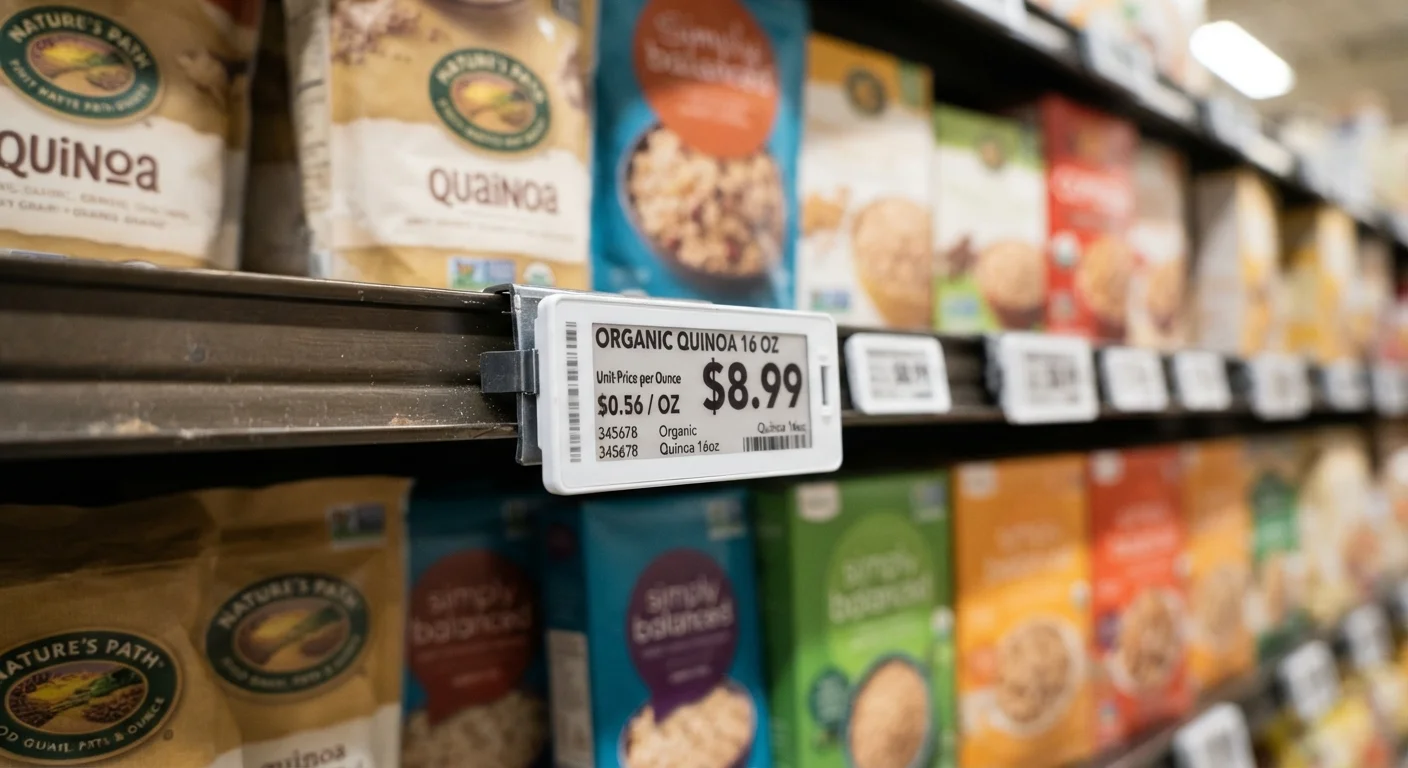
Finally, consider the unit economics where applicable. A "sale" on a bulk pack can hide a higher per-unit cost than the regular-size version. Unit price math is particularly useful here - the shelf number most shoppers walk past is often more informative than the sale tag. And if you find a genuine deal, understanding how to layer it with other discounts without misreading the fine print is covered in the guide to stacking discounts correctly.