
Why Body-Shape Rules Took Over - and Why They're Overdue for a Rethink
For decades, fashion magazines and style guides have sorted bodies into fruit shapes - apple, pear, hourglass, rectangle - and then handed out dressing prescriptions accordingly. The intention was to make styling more accessible, but the effect has often been the opposite: prescriptive, limiting, and quietly shame-driven.
The reality is that human bodies don't fit neatly into four categories, and most "rules" emerged from a narrow, historically exclusionary view of what bodies should look like. As our understanding of style evolves, it's worth examining which of those rules are genuinely useful, which are harmless but overhyped, and which are flat-out wrong.
If you've ever felt confused by a closet full of clothes that supposedly suit your "shape" but still don't feel right, you're not alone. The issue usually isn't your body - it's the advice. For a broader look at wardrobe habits that quietly cost you, see our guide on common wardrobe mistakes.
Myth
You should always dress to "balance" your proportions by minimizing some areas and emphasizing others.
Fact
There is no universal proportion that all dressing should aim for. Balance is a personal aesthetic choice, not an objective standard.
The idea that bodies need "balancing" implies some shapes are problems to be solved. In practice, dressing to emphasize what you love - rather than hide what you've been told is wrong - tends to produce more confident, cohesive outfits. Proportion awareness is a useful design tool; proportion correction as a goal is an outdated concept rooted in narrow ideals.
Myth
Horizontal stripes make you look wider, so anyone concerned about width should avoid them.
Fact
Research on the so-called Helmholtz illusion - the theory behind this rule - is mixed, and real-world effect depends on stripe width, spacing, color contrast, and garment cut.
Some studies suggest that under certain conditions, vertical stripes can actually read as wider than horizontal ones. More importantly, pattern placement on a garment varies enormously, so a blanket rule about horizontal stripes is both oversimplified and unreliable. Wear what you're drawn to and assess the actual garment on your actual body.
Myth
Dark colors are slimming and should be worn by anyone who wants to look smaller.
Fact
Color contrast, not just darkness, drives visual perception of size. A dark top with dark pants reads differently than a dark top with light pants.
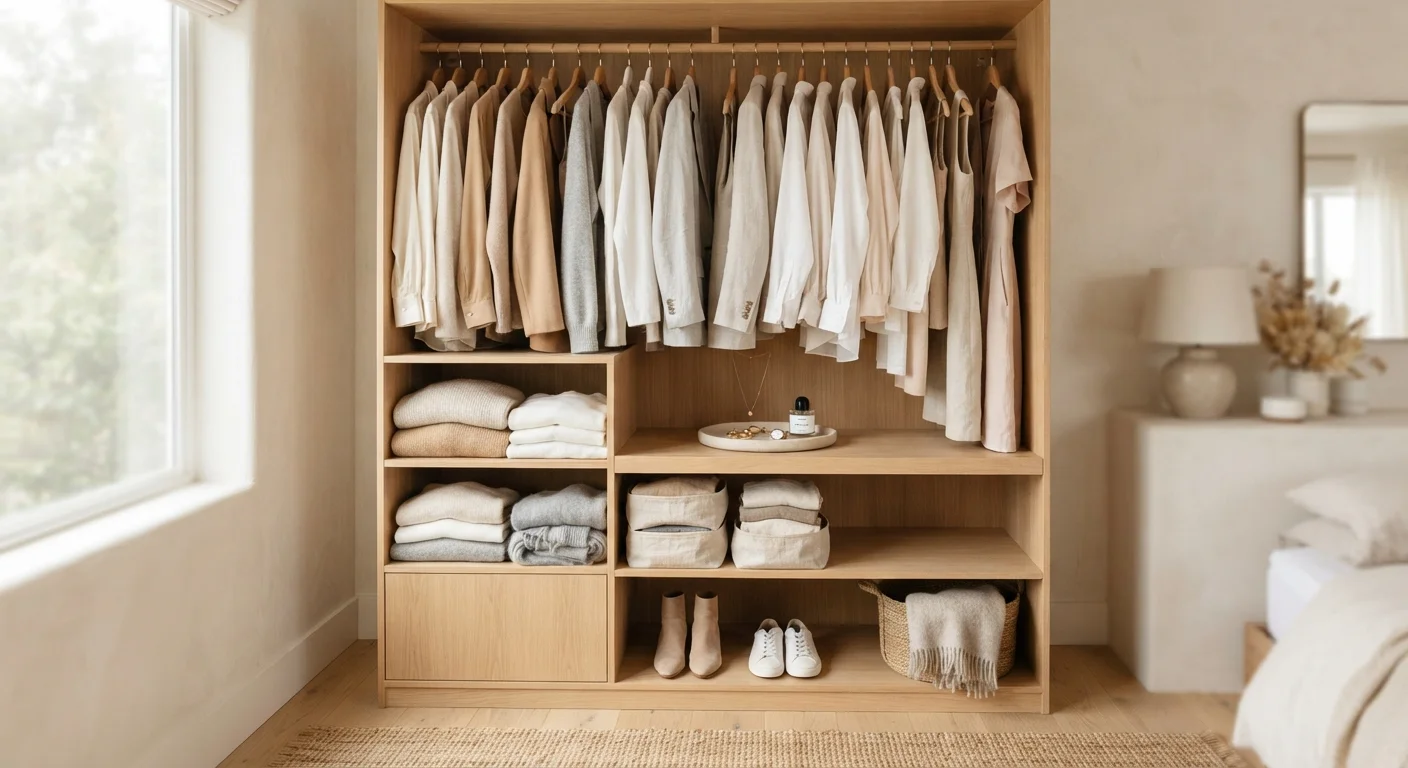
Monochromatic outfits - where top and bottom are close in value - do create a lengthening, streamlined effect regardless of whether the palette is dark or light. Tonal dressing in camel, cream, or blush can have a similar visual effect to an all-black look. The mechanism is contrast reduction, not darkness itself.
Myth
Pear-shaped people should always wear A-line skirts and avoid slim-cut bottoms.
Fact
Fit, fabric weight, and personal preference matter far more than a one-size-fits-all silhouette prescription for any body type.
Slim-cut trousers with a well-fitted top can look polished and proportional on any body. A-line skirts work beautifully for many people, but they're not the only option - and insisting otherwise ignores the enormous variety within any loosely defined body category. Try on a range of silhouettes and evaluate based on fit and feel, not a chart.
Myth
Ruffles, embellishments, and volume should only be worn "on top" or "on the bottom," never both.
Fact
Volume-on-volume can absolutely work when the fabrics and proportions are considered together as a whole outfit.
The concern behind this rule is that too much visual noise overwhelms the eye. But a voluminous linen top with a full midi skirt in a coordinated palette is a deliberately editorial choice - not a mistake. The key is intentionality. Mixing patterns and visual elements follows similar logic: understanding why something works gives you far more flexibility than following a prohibition.
What Actually Works: Fit, Proportion, and Personal Preference
Rather than starting with a body-shape category, experienced stylists often start with three practical questions: Does it fit well through the most important points of contact? Does the proportional balance of the outfit feel intentional? And does the wearer feel comfortable and confident?
Those questions work for every body, every budget, and every occasion. Vertical design elements - seam lines, stripes, open necklines, monochrome layering - do create a lengthening optical effect, and that's a useful tool. But it's a tool, not a mandate. Likewise, fabric weight and structure genuinely affect how a garment falls and reads visually, which is worth knowing when you're shopping.
4 in 5
Women who feel ill-served by standard sizing
Surveys conducted by apparel industry researchers consistently find the majority of women report that standard sizing does not reflect the actual diversity of body proportions.
~30%
Wardrobe items never or rarely worn
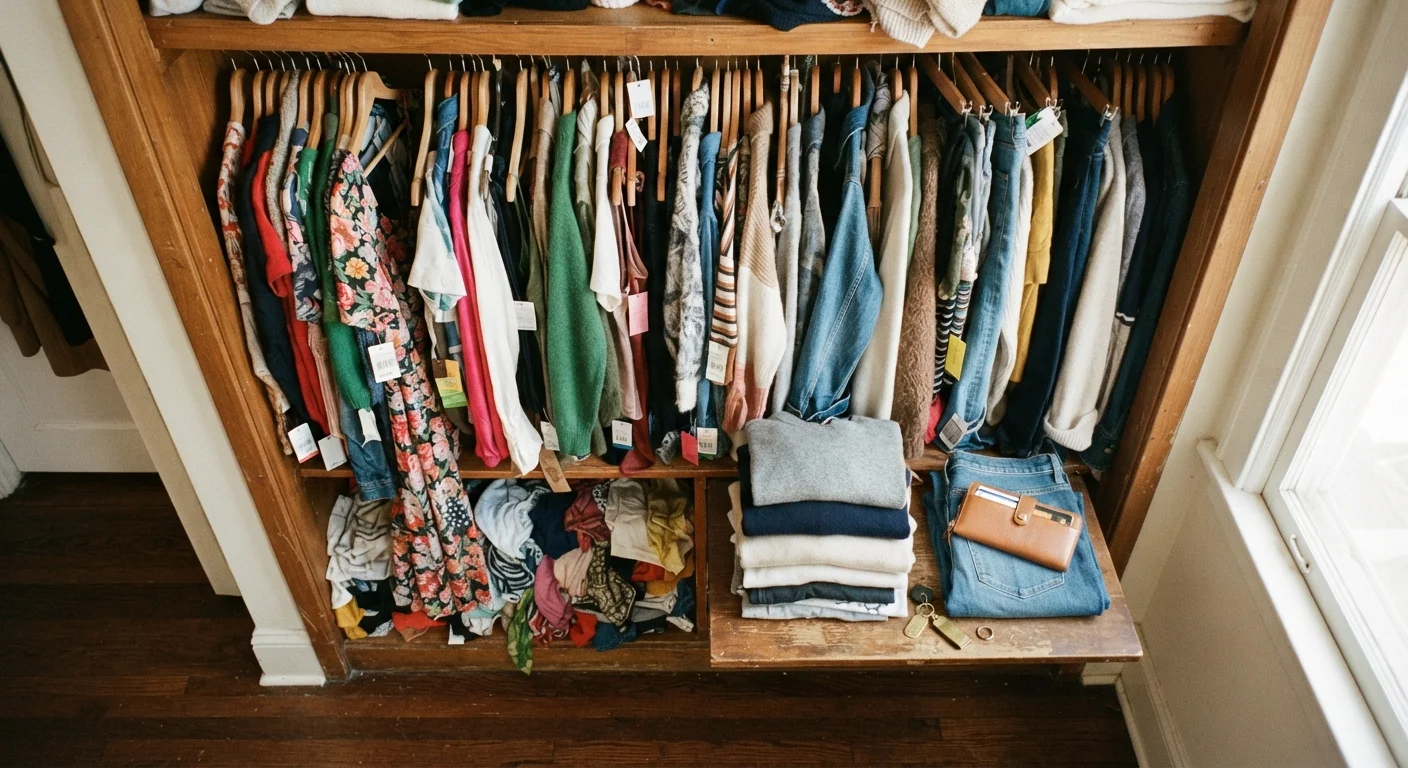
Closet audit studies suggest roughly a third of owned clothing goes unworn, often because pieces were bought to follow a style rule rather than to suit actual lifestyle needs.
The most versatile wardrobe pieces tend to be the ones chosen for fit and wearability rather than for "correcting" a perceived flaw. If you're building or refining your closet on a budget, foundational principles that hold across every season offer a more durable framework than any shape-based chart.
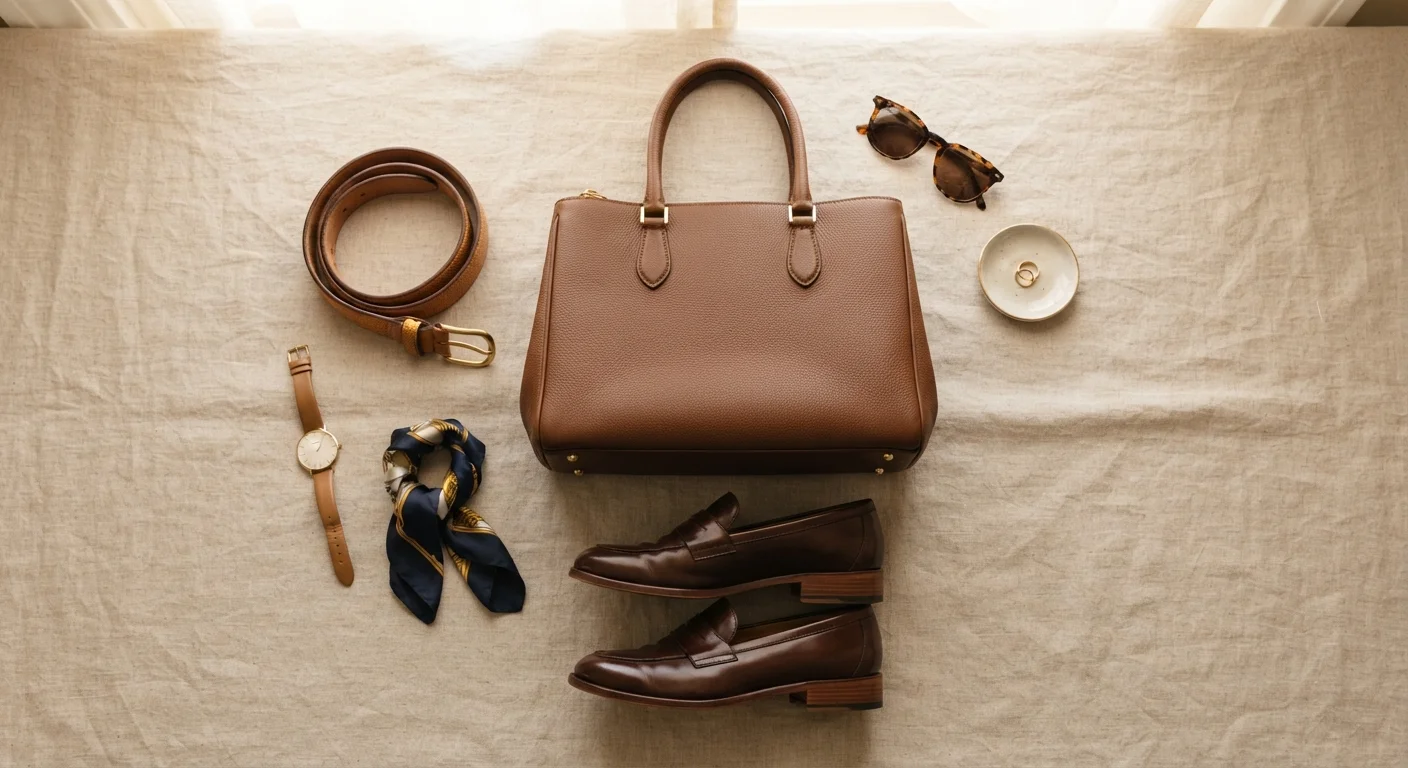
Don't underestimate the role accessories play in shifting visual proportion, either. A well-placed belt, a longer bag strap, or a pointed shoe can do significant outfit work without requiring a wardrobe overhaul. Explore how in our piece on how accessories shift the look of an entire outfit.
Watch Out for Rule-Based Impulse Buying
Buying a piece specifically because it's described as "flattering for your shape" - rather than because you genuinely love it and it fits your life - is one of the most common ways wardrobes fill with unworn items. Before purchasing, ask: does this actually fit well right now, and do I have places to wear it? Shape-based marketing language is persuasive; your honest answers to those two questions are more reliable.
And remember: repeating outfits that genuinely work for you isn't a style failure. It's smart. Outfit repeating done strategically keeps you looking put-together without constantly buying new pieces.
This article is for general style and editorial information only. Fashion guidance is subjective; personal comfort and individual preference should always take priority over any prescriptive rule system.