What Sets Fast and Slow Fashion Apart
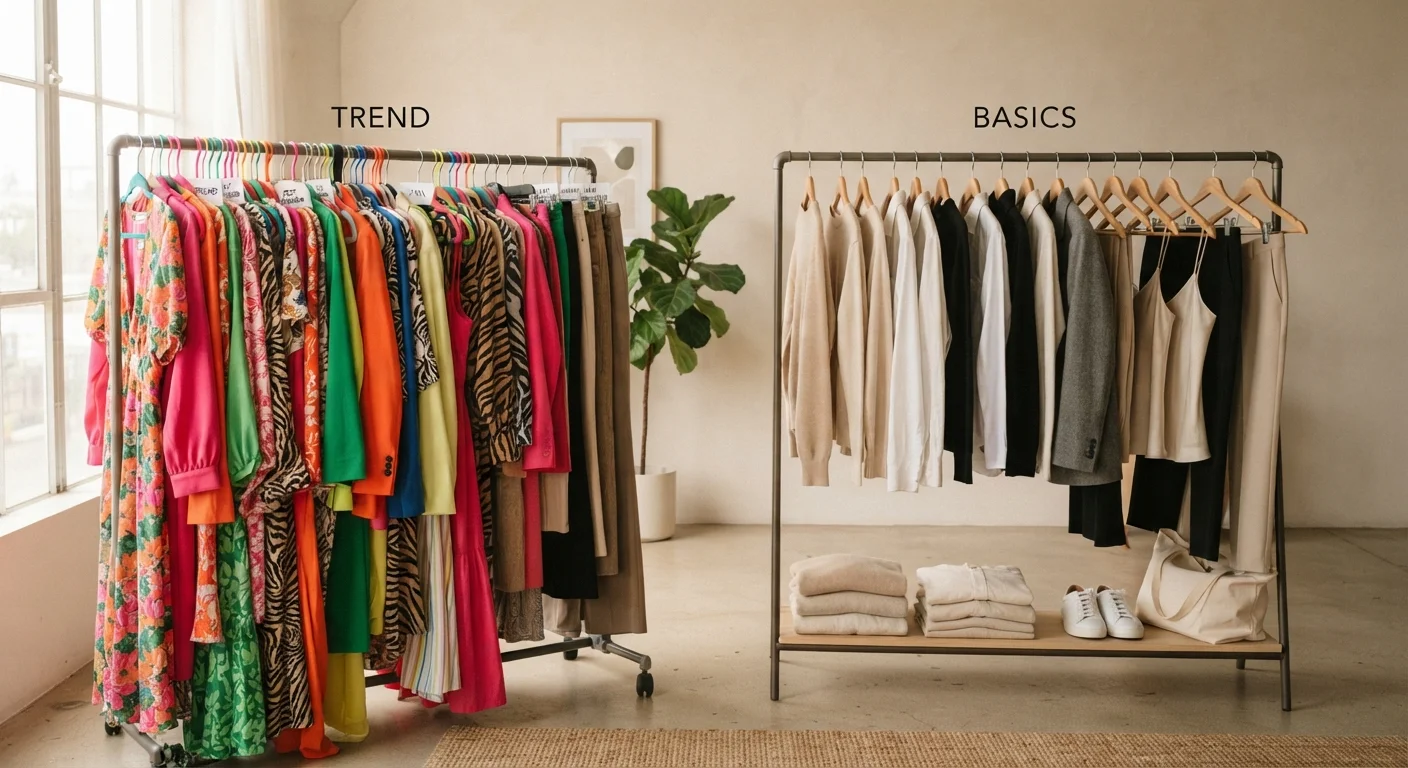
Fast fashion refers to clothing produced rapidly in high volumes to mirror current runway or social media trends - typically at very low retail prices. Brands in this space rotate new inventory weekly or even daily. Slow fashion, by contrast, emphasizes deliberate design, ethical sourcing, fair labor practices, and longer-lasting construction. It's less about trend cycles and more about building a wardrobe that endures.
Understanding which model aligns with your lifestyle starts with honest self-assessment: How often do your style preferences shift? How much do you wear each piece you own? What's your realistic clothing budget per year - not just per purchase? These questions matter more than any blanket rule about which approach is "better." For a broader framework on thoughtful wardrobe building, see principles for dressing well on any budget.
The Case for Fast Fashion
For budget-conscious shoppers, fast fashion's primary appeal is access. Trend-forward pieces at low price points mean you can experiment with new styles without committing significant funds. This is particularly valuable for younger shoppers still discovering their aesthetic, or anyone going through major life changes - new job, new city, shifting body size - where investing heavily in a wardrobe feels risky.
Low upfront cost for trend-forward pieces
Fast fashion makes it affordable to try new styles without significant financial risk, which is especially helpful during style-discovery phases or life transitions.
Wide availability and rapid restocking
New inventory arrives frequently and is broadly accessible online and in-store, making it easy to find something for nearly any occasion quickly.
Lower commitment for short-lifecycle items
For pieces you'll only wear a few times - a costume-adjacent party outfit, a one-season trend - fast fashion limits financial exposure.
Fast fashion also excels at filling functional gaps quickly. Need a blazer for a last-minute interview or a swimsuit for a spontaneous trip? Affordability and availability are real advantages. That said, the true cost of cheap clothing isn't always reflected in the price tag.
The Case for Slow Fashion
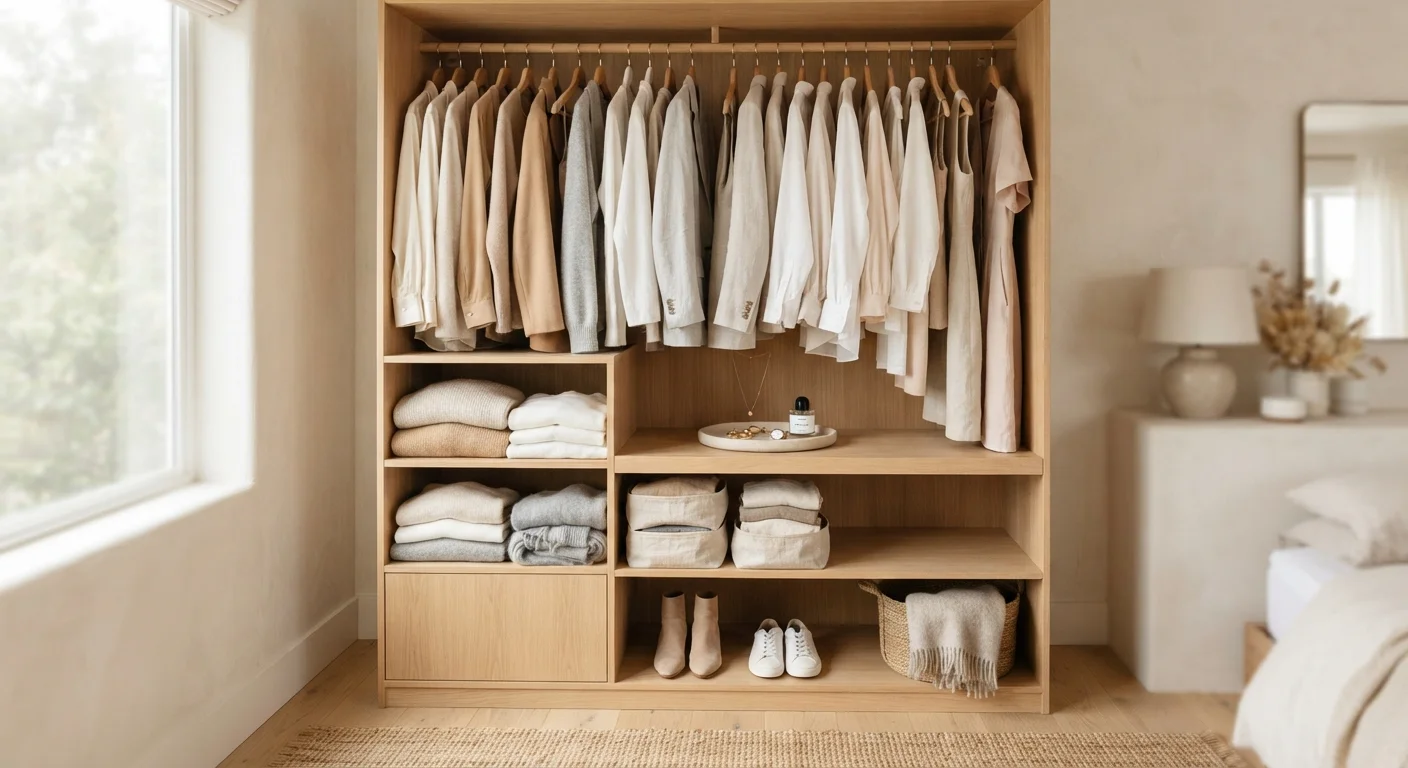
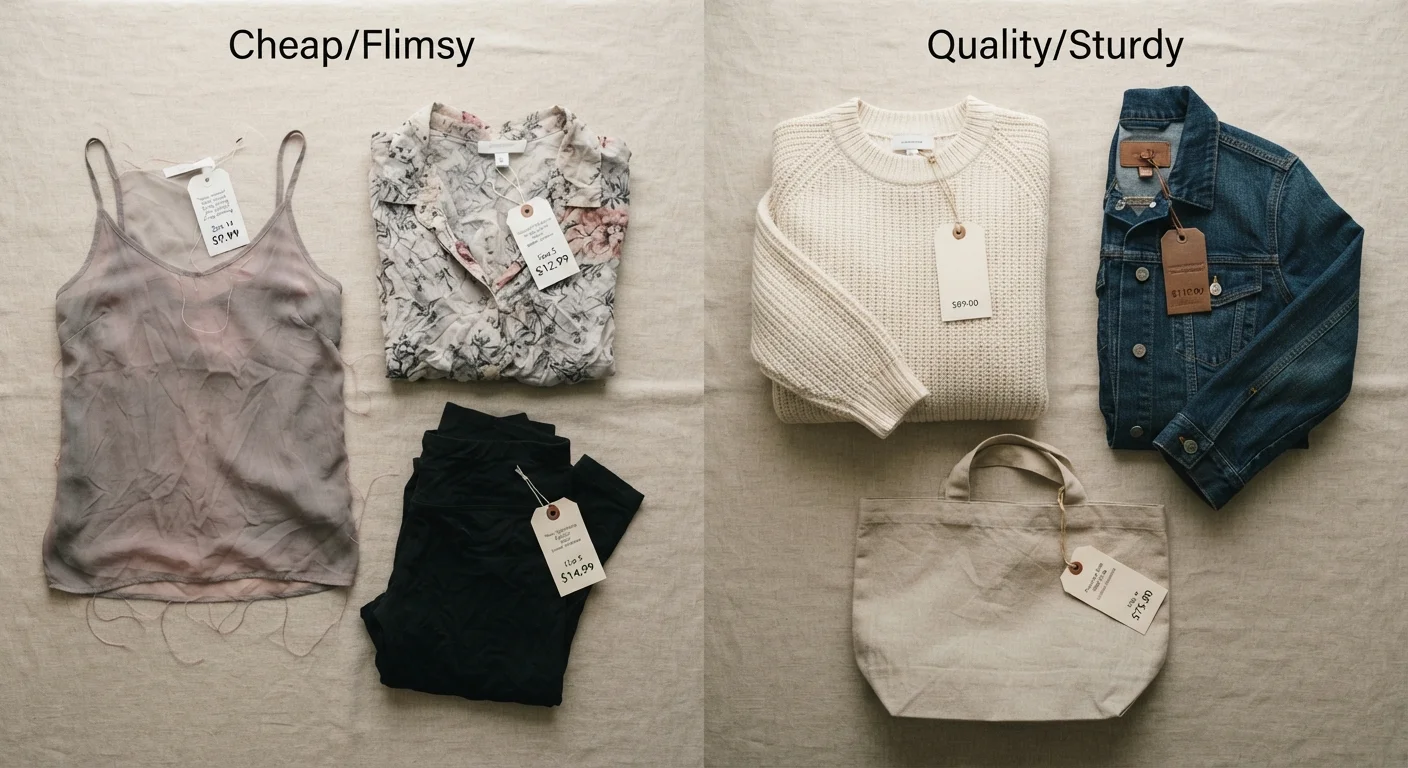
Slow fashion's strongest argument is long-term value. A well-constructed garment in a classic silhouette - a tailored trouser, a sturdy denim jacket, a merino wool sweater - can last years or even decades with proper care. When you calculate cost-per-wear, quality pieces frequently win out over their cheaper counterparts.
~$13
Average fast fashion item cost in the U.S.
Industry analysts estimate the average price per fast fashion garment has dropped significantly over two decades, even as trend turnover has accelerated.
150+
Micro-seasons some fast fashion retailers produce yearly
Some ultra-fast fashion retailers have been reported to release new collections continuously, far exceeding the traditional two-season fashion calendar.
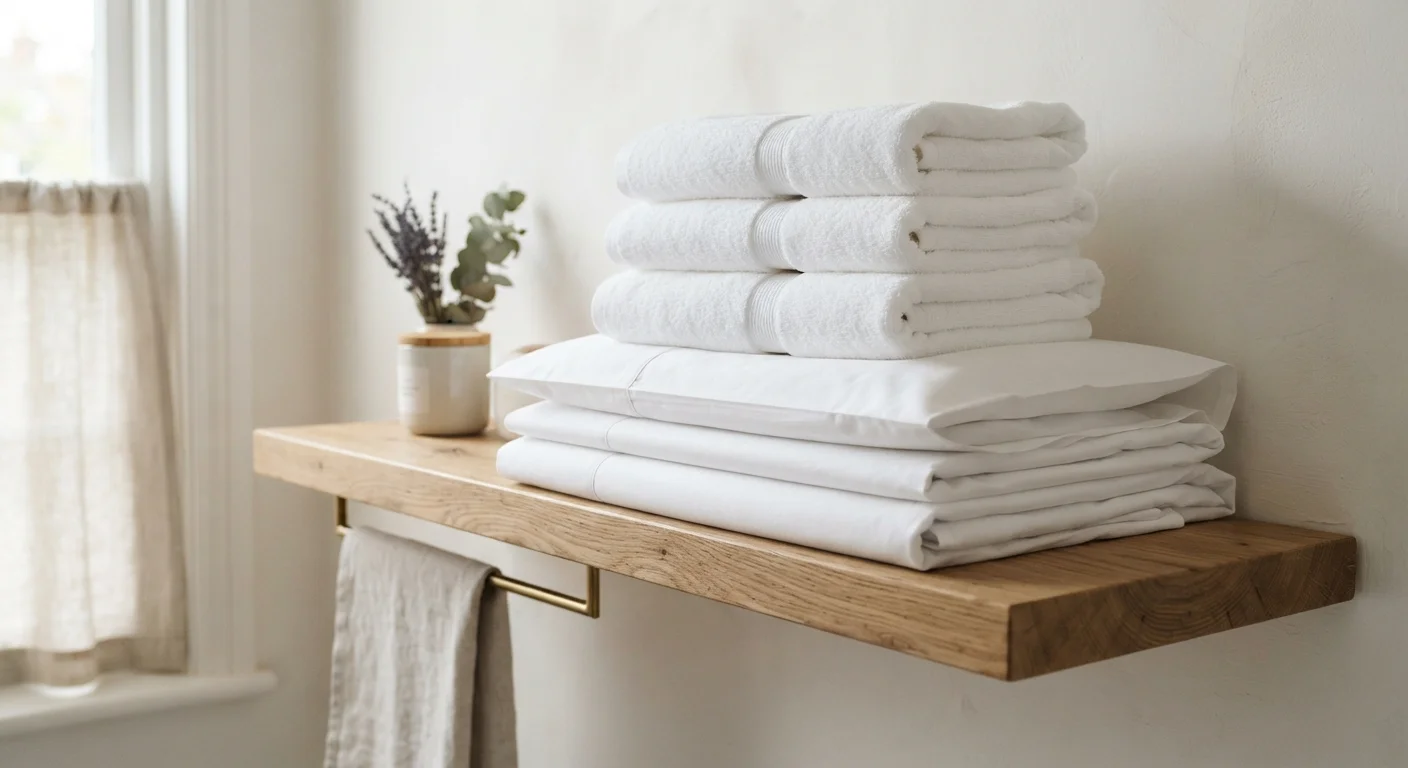
Beyond economics, slow fashion's ethical dimensions matter to many shoppers. Documented concerns about labor conditions in fast fashion supply chains are not fringe talking points - they've been the subject of investigative journalism and academic research for years. Slow fashion brands typically publish information about their supply chains and material sourcing, making it easier to shop with confidence. It's a principle that applies broadly: cheap textiles often cost more over time, whether they're in your closet or your linen cabinet.
Lower durability means more frequent replacement
Thin fabrics, weak seams, and inconsistent construction mean fast fashion items often wear out quickly, eroding their apparent cost advantage over time.
Documented labor and environmental concerns
Independent researchers and journalists have found that fast fashion supply chains frequently involve low wages, poor working conditions, and significant textile waste and water pollution.
Encourages overconsumption and wardrobe clutter
The low-cost, high-volume model can lead shoppers to accumulate far more than they wear, ultimately spending more in aggregate than a curated slow-fashion wardrobe would cost.
Slow fashion requires higher upfront spending
Quality, ethically made clothing carries a price premium that is genuinely inaccessible for many shoppers, making slow fashion an unrealistic default for tight budgets.
Finding a Workable Middle Ground
The binary framing of fast vs. slow fashion isn't always useful in practice. Many financially savvy shoppers use a blended strategy: invest in slow fashion for wardrobe anchors (neutral basics, outerwear, quality footwear) and accept fast fashion for short-lifecycle items (seasonal trend pieces, occasion-specific wear). This approach respects both budget realities and long-term value.
The Cost-Per-Wear Framework
Divide the price of any garment by the number of times you realistically expect to wear it. A $20 top worn five times costs $4 per wear. A $80 blouse worn 40 times costs $2 per wear. This mental model cuts through sticker-price anchoring and helps you assess whether a higher-priced slow fashion piece is actually the better financial choice for your specific wardrobe habits.
Thrifting adds another layer to this conversation - secondhand shopping can deliver quality construction at fast-fashion prices. For a detailed side-by-side, thrift stores vs. fast fashion retailers breaks down where each approach actually saves you money. And if you're evaluating this within a stricter overall budget framework, the honest trade-offs of tight budgeting offers useful context for setting spending priorities across all categories.