The Real Cost Breakdown: Upfront Price vs. Long-Term Value
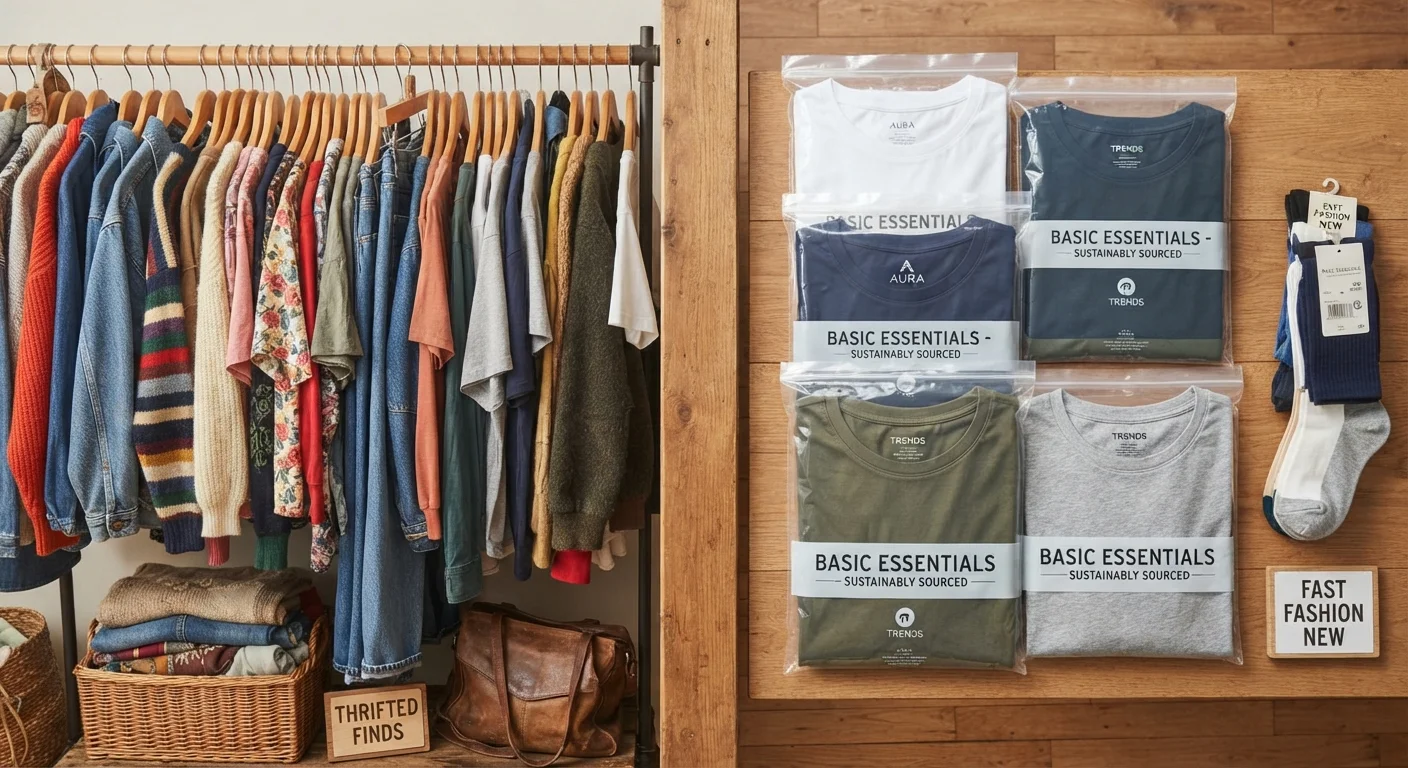
At first glance, fast fashion wins the price-tag contest. A blouse for $12, jeans for $20, a jacket under $30 - the numbers look irresistible. Thrift stores, by contrast, may price a single secondhand blazer at $15 to $25. But this comparison misses a crucial variable: how long each piece actually lasts.
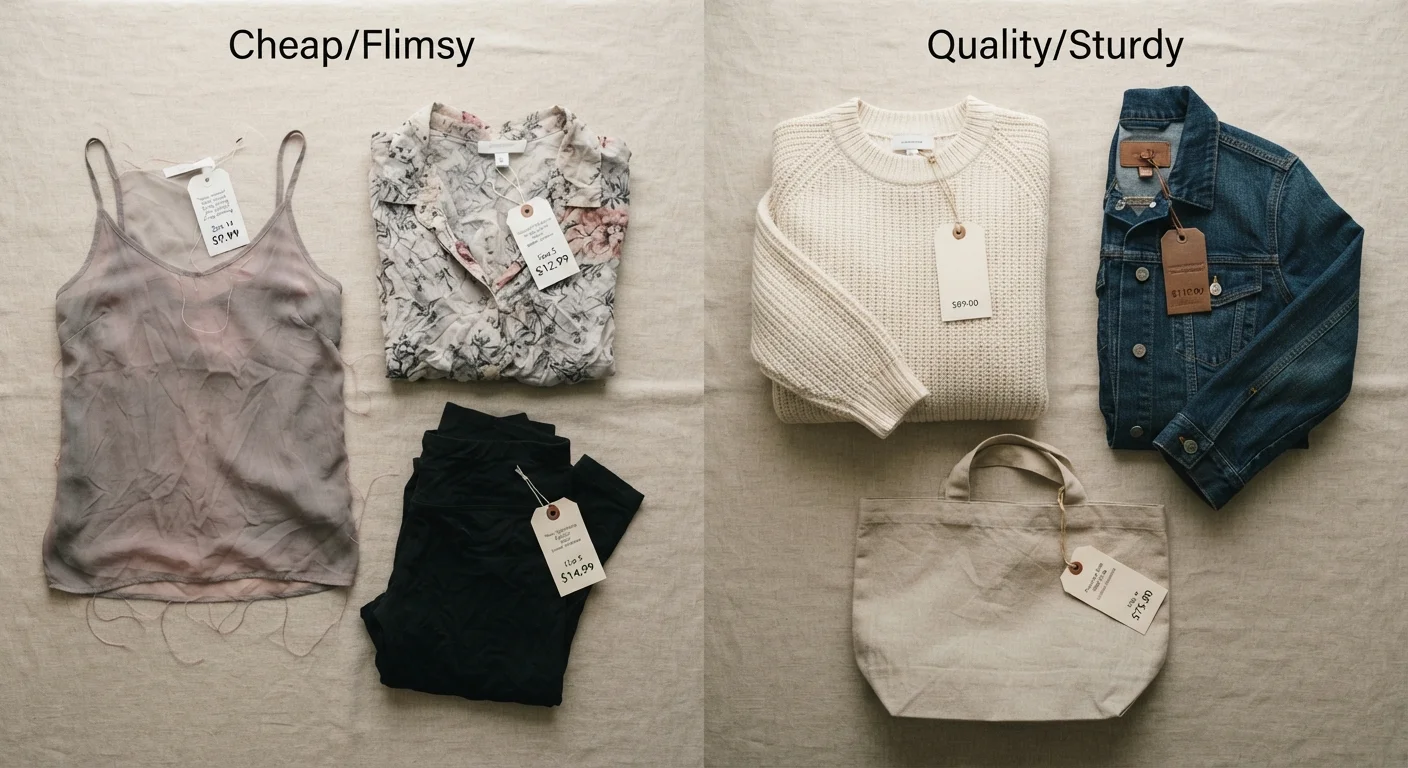
Fast fashion garments are engineered for speed and volume, not longevity. Thinner fabrics, lighter stitching, and trend-chasing construction mean many pieces show wear within months of regular use. A $12 shirt replaced three times a year costs $36 - more than a $20 thrifted version of the same item that holds up for several seasons.
This is where the cost-per-wear formula becomes indispensable. Divide what you paid by the number of times you'll realistically wear something, and the math often flips entirely in thrifting's favor - especially for staples worn weekly.
| Criterion | Thrift Store Shopping | Fast Fashion Retailers |
|---|---|---|
| Upfront cost per item | Varies; often $5-$30 | Typically $8-$35 |
| Typical garment durability | Often higher (older construction standards) | Generally lower; faster wear |
| Size & style consistency | Unpredictable; inventory varies daily | Reliable; standard sizing available |
| Time investment | High; requires browsing and repeat visits | Low; quick, targeted shopping |
| Environmental footprint | Lower; extends existing garments' life | Higher; high-volume production model |
| Trend availability | Inconsistent; depends on donations | High; mirrors current trends closely |
| Best purchase type | Staples, outerwear, quality basics | Trend pieces, event-specific items |
What Thrifting Gets Right (and Where It Falls Short)
Thrift stores carry a genuinely unpredictable mix of quality. On a good day, you'll find wool coats, leather belts, and structured denim that were originally sold at prices most shoppers couldn't touch new. Those pieces - now priced at a fraction of their original cost - represent real value. Their construction is simply better than what most budget retailers offer today.
The catch is time. Effective thrifting requires repeat visits, a willingness to sort through a lot of misses, and enough familiarity with fabrics and fit to spot a gem quickly. Shoppers who go in without a clear sense of what they need often leave with impulse buys that clutter the closet rather than fill genuine wardrobe gaps. A quick wardrobe audit before any shopping trip - thrift or otherwise - helps prevent this pattern.
Sizing is another honest limitation. Thrift inventory is whatever was donated, meaning popular sizes sell fast and your size may simply not be on the rack that day. Shoppers with less common measurements or who need tall, petite, or plus sizing may find the hunt more frustrating than rewarding.
~$1,700
Average annual U.S. household clothing spend
According to the U.S. Bureau of Labor Statistics Consumer Expenditure Survey, American households spend roughly this amount on apparel and related services each year.
Fewer than 5
Average times a fast fashion item is worn before disposal
Research from organizations studying textile waste has consistently found that many fast fashion garments are discarded or donated after very limited use.
70%+
Resale market growth over the past five years
Reports from secondhand market analysts indicate the U.S. resale and thrift market has grown significantly, reflecting wider acceptance of secondhand shopping across age groups.
What Fast Fashion Gets Right (and Where It Quietly Costs You)
Fast fashion's genuine strengths are consistency and convenience. You can walk into a store knowing your size, find exactly the trend you saw online, and leave in under 20 minutes. For time-pressed shoppers or those buying for a specific event, that reliability has real value.
The hidden cost, though, runs deeper than most shoppers realize. Beyond durability, there's the volume trap: low prices encourage buying more items more often, and many fast fashion pieces end up worn fewer than five times before being discarded or donated - ironically, often to the same thrift stores. Low price tags can be genuinely misleading when purchase frequency climbs to compensate for short garment lifespan.
Common wardrobe habits that quietly drain budgets - impulse buys, chasing trends without a plan, ignoring fit - show up disproportionately in fast fashion shopping behavior. Understanding these patterns is the first step to breaking them. See our look at wardrobe mistakes that keep your closet cluttered and your wallet thin for a fuller picture.
Fast Fashion vs. Slow Fashion: A Related Question
The thrift vs. fast fashion debate connects to a broader conversation about how garments are made and marketed. If you're curious about the trade-offs between speed-to-market production and more considered fashion systems, our look at fast fashion vs. slow fashion covers the ethical and practical dimensions in more depth. Understanding both sides helps you make more confident choices regardless of where you shop.
Building a Smarter Strategy: Using Both to Your Advantage
The most practical approach for budget-conscious shoppers isn't choosing one lane exclusively - it's knowing which purchases belong in which lane. Thrift stores shine for classic, durable items: structured jackets, denim, quality knitwear, leather accessories, and workwear pieces you'll reach for repeatedly. These are exactly the categories where construction quality matters most and where thrift store pricing delivers the largest relative savings.
Fast fashion makes more sense for highly specific, trend-driven items with a naturally short style lifespan - a color-of-the-season top, a novelty print, or an accessory tied to a specific look you're building. If you already know you'll wear it sparingly, the low upfront cost aligns with the low usage.
Whatever the source, dressing well on a budget comes down to intentionality - buying with purpose rather than impulse, evaluating fit and fabric before committing, and resisting the pull of volume. Both thrift stores and fast fashion retailers can drain a budget just as easily as they can stretch one, depending entirely on how you shop them.