
Why the Price Tag Tells Only Half the Story
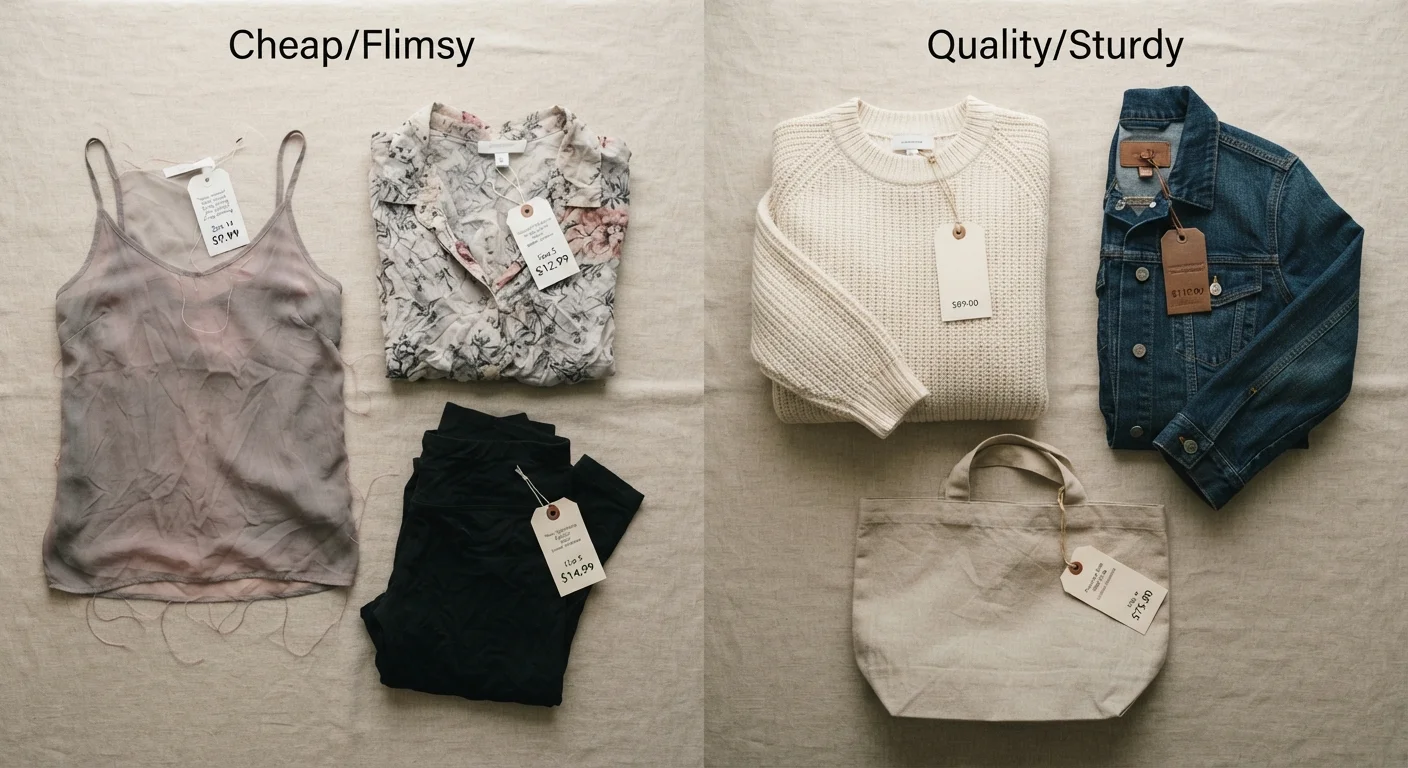
Most of us evaluate clothing purchases by looking at one number: the price on the tag. But that number alone tells you almost nothing about whether a piece is actually worth your money. A $15 trendy top and a $90 classic blouse look very different at checkout - but over time, the math can flip completely.
Cost-per-wear (CPW) is the formula that closes that gap. It forces you to ask not just what does this cost? but how much value will I actually get from it? That shift in thinking is surprisingly powerful for anyone trying to build a wardrobe that works without constantly draining their account.
Understanding CPW doesn't require a spreadsheet or a finance background. The arithmetic is simple: purchase price ÷ number of wears = cost per wear. What makes it transformative is the habit of actually applying it before you buy - and honestly assessing how often you'll reach for something.
CPW Is a Guide, Not a Guarantee
Cost-per-wear is a planning tool, not a perfect predictor. Life changes - jobs, seasons, personal style - can shift how often you wear something. Use CPW estimates as a gut-check rather than a precise forecast, and revisit them honestly when clearing out your closet.
How the Formula Works in Real Life
Let's run through a few realistic scenarios to see how CPW plays out:
- A $40 printed party dress worn to two events, then forgotten: CPW = $20
- A $110 structured blazer worn twice a week for a year: CPW ≈ $1.06
- A $25 fast-fashion cardigan that pills after five washes and gets tossed: CPW = $5
The blazer - three times the price of the dress - costs a fraction per use. This is why low price tags can be misleading; what feels like savings at the register often costs more in the long run once you factor in durability and wearability.
What Drives Cost-Per-Wear Down
Lowering your CPW is really about maximizing how often a piece earns its place in your closet. Several factors directly influence this:
Versatility
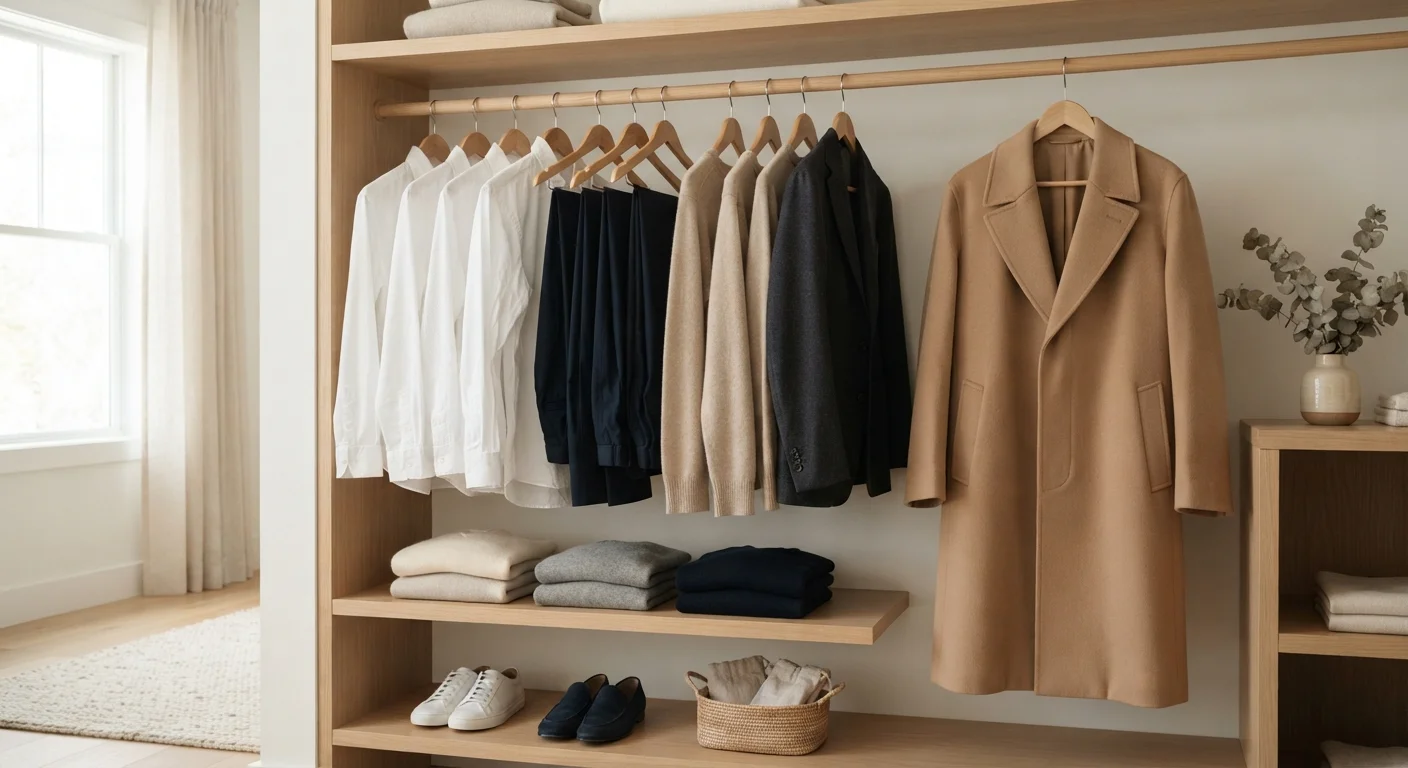
Garments that work across multiple occasions, seasons, or outfit combinations naturally get worn more. A well-fitted navy trouser that goes from the office to a dinner out will accumulate wears far faster than a novelty print that works in only one context.
Fit and Comfort
Clothes you feel good in get worn. It sounds obvious, but uncomfortable garments - even attractive ones - tend to stay on the hanger. This makes proper fit one of the highest-value investments you can make.
Quality and Care
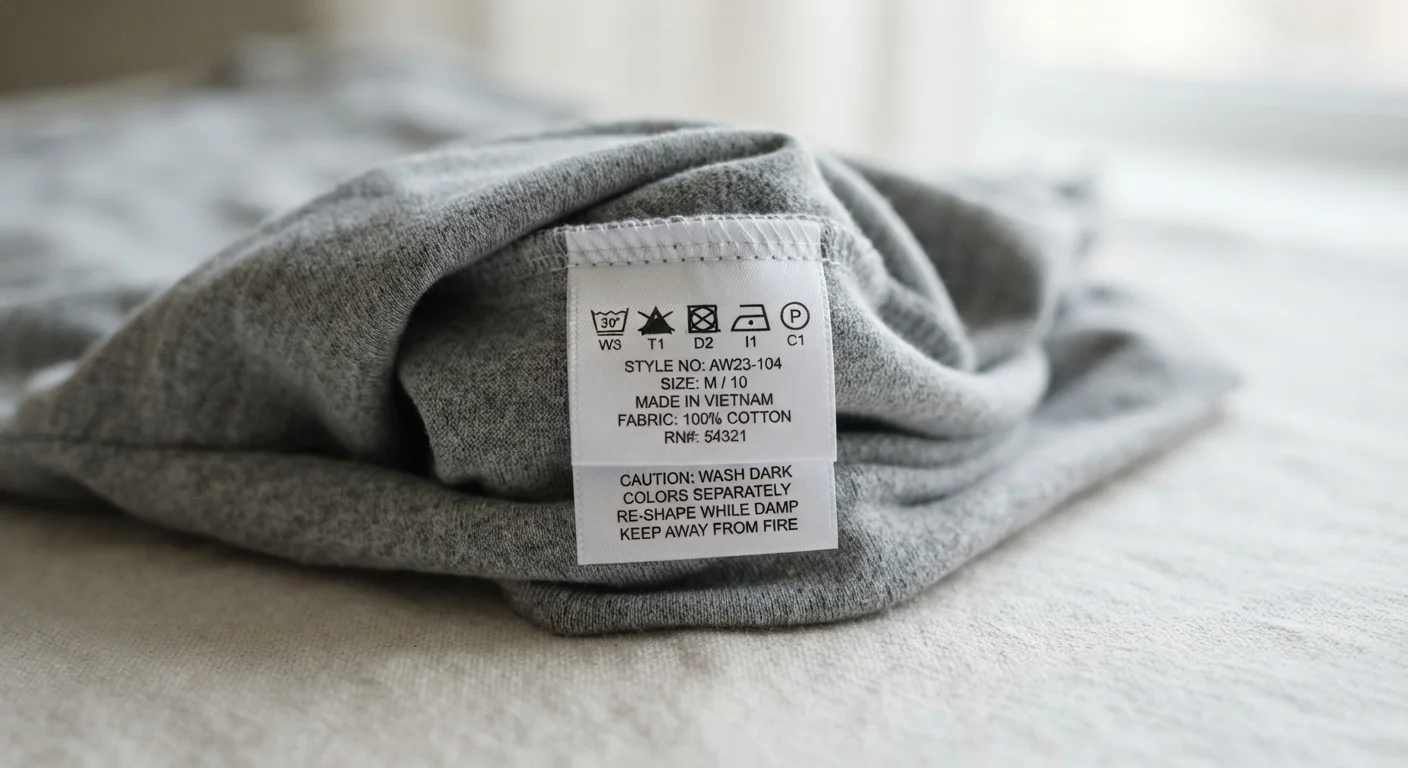
A piece that holds up wash after wash stays in rotation longer, accumulating more wears over its lifetime. Understanding care labels is a practical step that directly extends a garment's life - and lowers its CPW.
Try a Quick Wear Estimate Before Buying
Before purchasing, mentally estimate how many times you'll realistically wear something in the next year. If you can't picture at least 20-30 occasions, pause and reconsider. This single habit can prevent a large share of regret purchases and wardrobe clutter.
Using CPW to Build a Smarter Wardrobe
Once you start thinking in CPW terms, your buying habits naturally shift toward pieces that work harder. This aligns perfectly with the logic behind a capsule wardrobe - a small collection of versatile, durable items that mix and match with ease. If you're curious how to put that into practice, building a capsule wardrobe on a tight budget walks through how to identify pieces that do the most work in your closet.
CPW also helps you recognize the real cost of impulse buys. That deeply discounted item you grabbed on a whim - but never quite incorporated into your wardrobe - carries a sky-high CPW precisely because it never got worn. Common wardrobe habits like impulse buying quietly drain budgets in ways that aren't obvious until you do the math.
The formula works across any budget level. Whether you're comparing thrift store finds to fast fashion or investing in mid-range staples, CPW gives you a consistent measuring stick that makes comparison genuinely meaningful. And the broader principles behind dressing well on a budget - quality over quantity, fit over fashion - are exactly what CPW rewards.
~30%
Clothes never worn after purchase
Research cited by sustainability organizations suggests roughly 30% of clothing in the average wardrobe goes unworn, representing significant wasted spending.
7-10 wears
Average wears before disposal
Industry estimates suggest fast fashion garments are worn as few as 7 to 10 times before being discarded, pointing to the hidden cost of low-durability purchases.
3x
Longer average lifespan of quality garments
Consumer and environmental groups note that well-constructed garments can last three or more times longer than lower-quality alternatives when properly cared for.