How to Read a Fabric Label
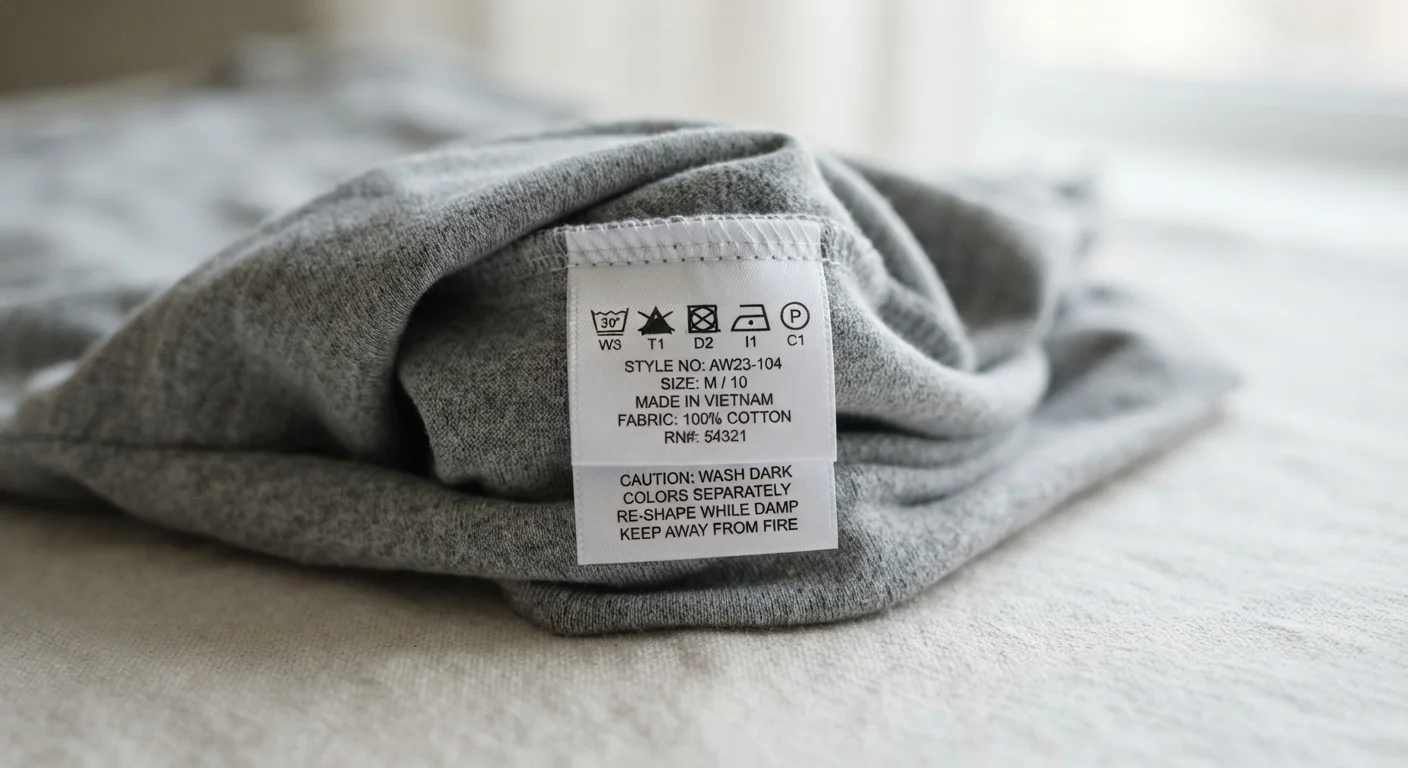
That small tag sewn into your collar or side seam isn't just a nuisance - it's one of the most useful pieces of information you have before committing to a purchase. U.S. law requires clothing labels to list fiber content by percentage, from the highest to the lowest. A tag reading "60% cotton, 40% polyester" tells you exactly what you're getting.
Fabric Labels Are Required by Law in the U.S.
The U.S. Federal Trade Commission (FTC) requires that most clothing sold domestically carry a label listing fiber content by percentage. This applies to garments where any single fiber makes up 5% or more of total weight. If a label is missing or vague, that's worth noting before purchasing.
The fiber percentages directly affect how a garment feels, how long it lasts, and how it should be washed. Learning to decode those numbers means you can make genuinely informed choices - not just trust the price tag or the marketing copy. For a deeper look at care symbols on those same labels, see our care label guide.
| Most common clothing fiber worldwide | Polyester (Textile Exchange Preferred Fiber & Materials Report) |
| Cotton's moisture absorption | Up to 27× its weight in water (General textile science reference) |
| Rayon's base material | Cellulose (plant pulp) |
| Wool's natural property | Temperature regulating and naturally odor-resistant |
| Linen's durability vs. cotton | Roughly 2× stronger when wet (Fiber science literature) |
| Typical polyester garment lifespan | 200+ washes without significant degradation |
The Most Common Fabrics and What They Mean for Your Wallet
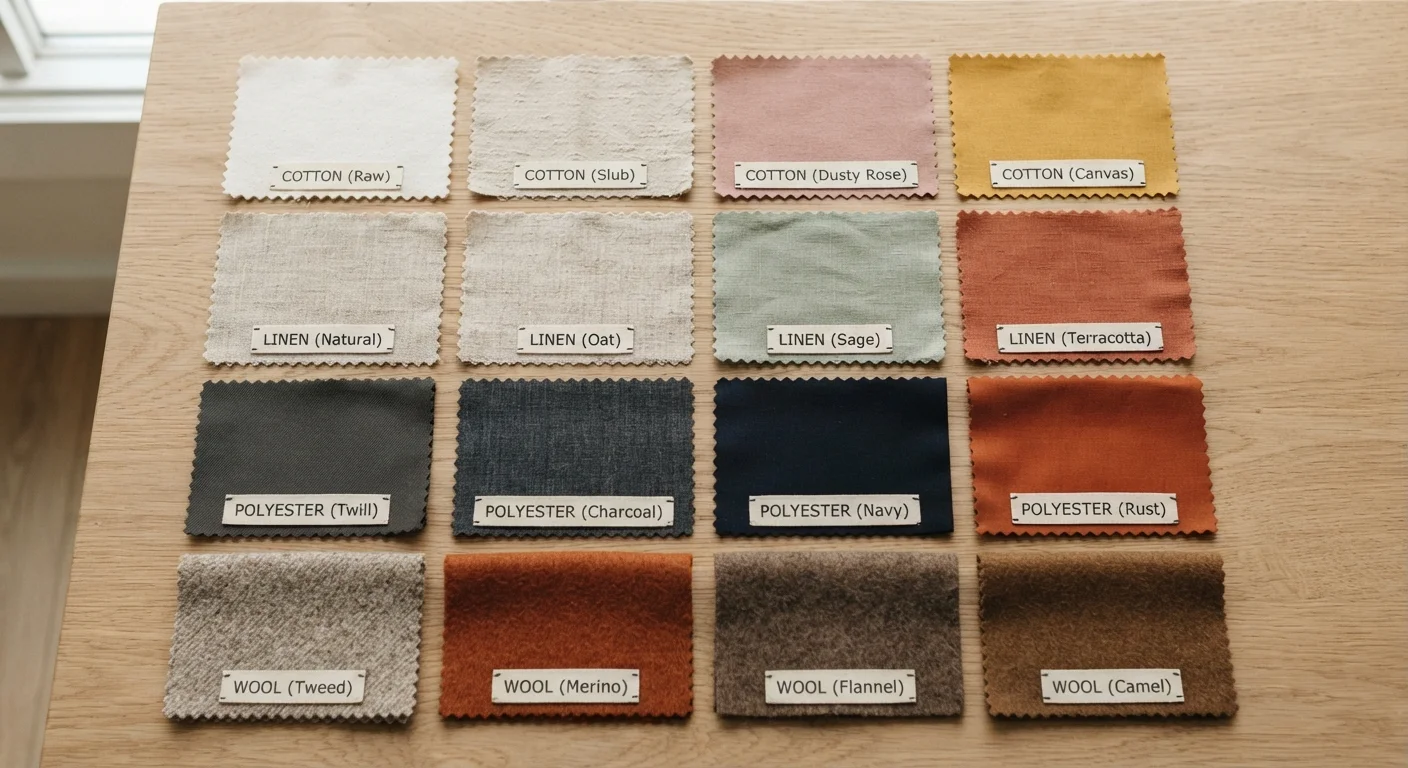
Here's a plain-language breakdown of the fibers you'll encounter most often in everyday clothing:
- Cotton
- Soft, breathable, and skin-friendly. It absorbs moisture well, making it comfortable in warm weather. Cotton wrinkles easily and can shrink when washed in hot water. It's durable with proper care, though it's less resistant to moisture-related wear than synthetics.
- Polyester
- The most widely produced fiber globally. Polyester resists wrinkles and shrinking, dries quickly, and handles repeated washing well. The trade-off: it doesn't breathe as well as natural fibers and can feel warm or clammy in hot weather. In blends, it adds longevity to softer fabrics.
- Rayon (also called viscose)
- Made from plant cellulose, rayon mimics the drape and softness of silk at a much lower cost. It's lightweight and comfortable but weakens when wet and often requires gentle washing. Look for "dry clean only" tags - those add ongoing cost.
- Linen
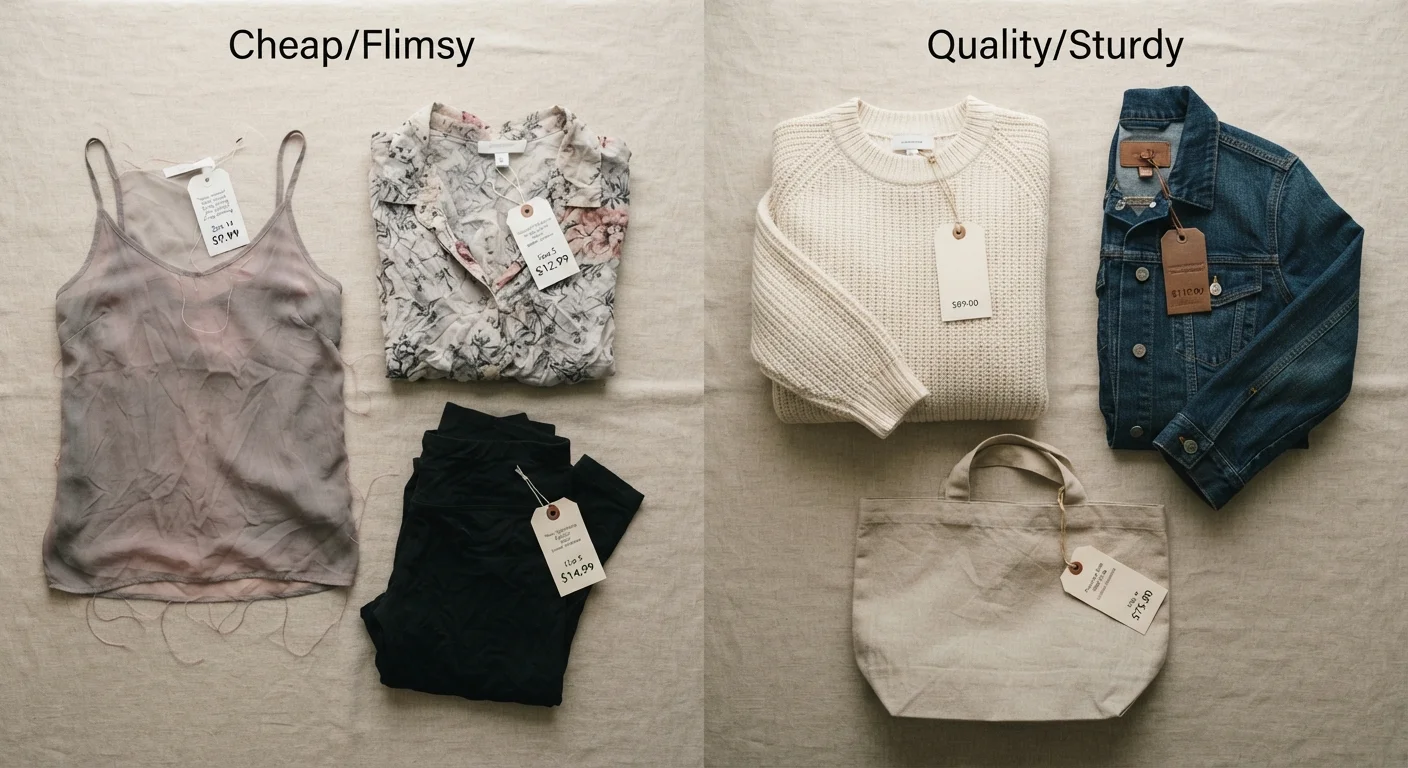
- Derived from flax plants, linen is exceptionally strong and gets softer with each wash. It's highly breathable, making it ideal for warm climates. It wrinkles readily and tends to be pricier, but its durability often justifies the investment. The real cost of cheap garments is worth weighing against linen's longer lifespan.
- Wool
- A natural insulator that regulates temperature and resists odor. Wool garments can be expensive but tend to last years with proper care. Fine-grade wool (like merino) is soft enough for everyday wear; coarser wool is better suited to outerwear.
- Nylon
- Extremely strong and abrasion-resistant. Common in activewear, hosiery, and outerwear linings. Like polyester, it wicks moisture but doesn't breathe as freely as natural fibers.
- Acrylic
- A budget-friendly alternative to wool, often used in sweaters and knits. It's lightweight and holds color well but pills more readily than wool and has lower durability over time.
Natural fiber
A textile fiber derived from plants or animals, such as cotton, linen, wool, or silk. Natural fibers are generally breathable and biodegradable, though they often require more careful washing.
Synthetic fiber
A man-made fiber produced from chemical processes, including polyester, nylon, and acrylic. Synthetics are usually more durable and wrinkle-resistant but may trap heat and moisture.
Fabric blend
A textile made from two or more fiber types woven or knitted together. Blends are designed to combine the best properties of each fiber - for example, cotton-poly blends balance breathability with durability.
GSM (grams per square meter)
A measurement of fabric weight and density. Higher GSM generally means a heavier, more substantial fabric, while lower GSM indicates something lighter and more sheer.
Pilling
Small fuzzy balls that form on fabric surfaces through friction and wear. Pilling is common in low-quality synthetics and loosely spun fibers and is a key indicator of garment longevity.
Wicking
A fabric's ability to pull moisture away from the skin and disperse it across the surface where it can evaporate. Common in performance synthetics like polyester and nylon.
What Fabric Blends Actually Do
Many garments are blends - and that's often a deliberate engineering decision, not a cost-cutting compromise. A cotton-polyester blend, for example, gives you the breathability of cotton plus the wrinkle resistance and durability of polyester. A wool-nylon blend in socks delivers warmth without the fragility of pure wool at the heel and toe.
When evaluating a blend, look at the dominant fiber - it drives most of the garment's characteristics. A 90% polyester, 10% elastane legging behaves like polyester but has stretch. A 70% rayon, 30% linen blend has rayon's drape with a bit more structure.
Understanding blends also helps you see through marketing language. "Luxuriously soft" might mean 95% acrylic. "Breathable performance fabric" might describe a polyester that wicks moisture but still traps heat. The label gives you the facts - the packaging gives you the story.
54%
Share of global fiber production that is polyester
According to the Textile Exchange Preferred Fiber & Materials Report, polyester dominates global clothing production.
30%
Cotton's share of global fiber use
Cotton remains the most widely used natural fiber in apparel, per Textile Exchange data.
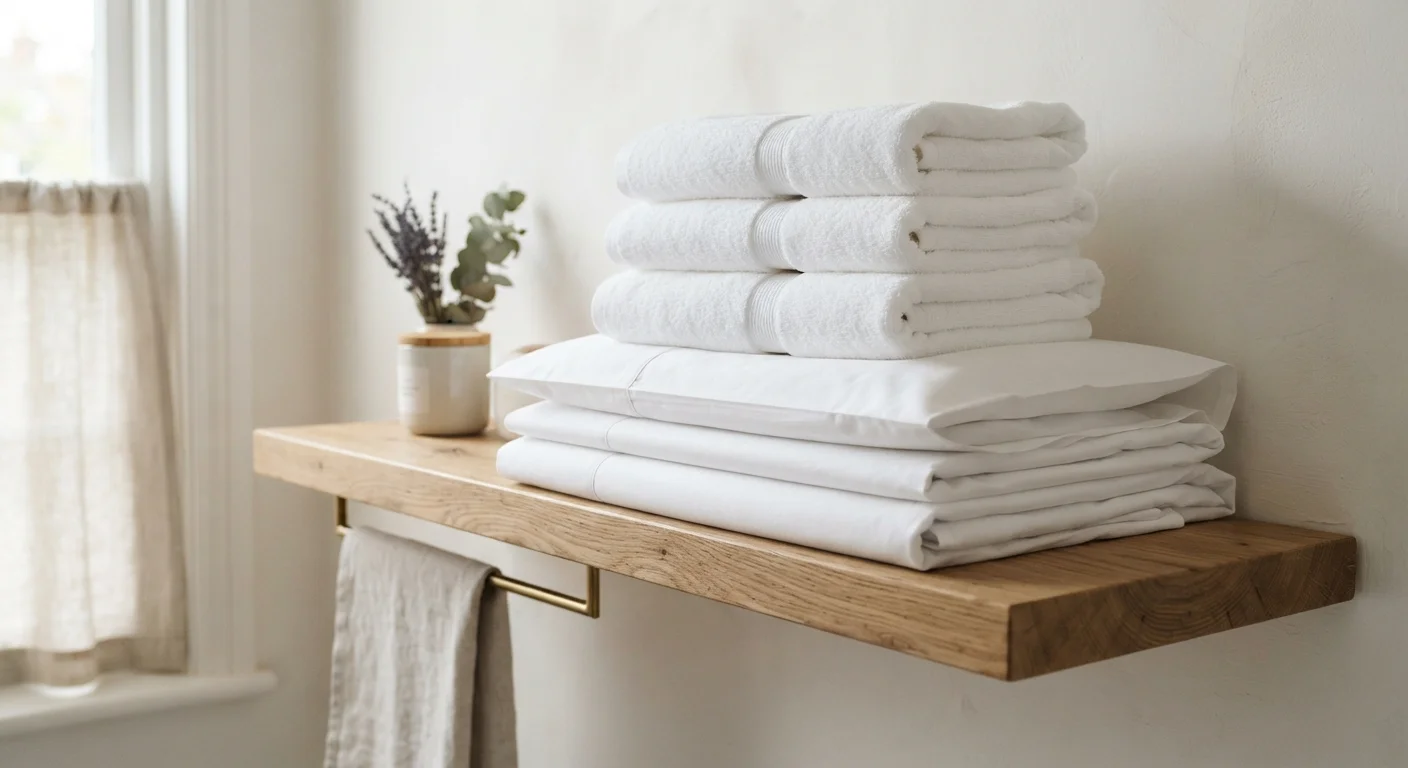
If you're thinking beyond clothing, similar textile principles apply to home goods. Our guide to bedding and bath textiles and the article on bedding specs that actually matter use the same logic to help you evaluate sheets and towels.