Why Outfit Repeating Gets a Bad Reputation (and Shouldn't)
The idea that wearing the same outfit twice is somehow embarrassing is a remarkably modern invention - and one driven largely by fast fashion marketing rather than any real style logic. Throughout most of history, people owned fewer garments, cared for them carefully, and wore them repeatedly without social consequence. The shift came with cheap, disposable clothing that made newness feel expected.
The reality is that a thoughtfully repeated outfit signals something quite different: that you know what works for you, you invest in quality over quantity, and you're not buying clothes just to own them. As budget-friendly dressing principles consistently reinforce, great style is about intention, not volume. Repeating outfits is one of the clearest expressions of that principle in action.
The challenge most people face isn't a reluctance to repeat - it's not knowing how to make the same piece feel different across multiple wears. That's entirely a technique question, and technique is learnable.
What You Need Before You Start
Strategic outfit repeating works best when your wardrobe has a few key characteristics in place. Before diving into the steps, take stock of what you're working with.
What you will need
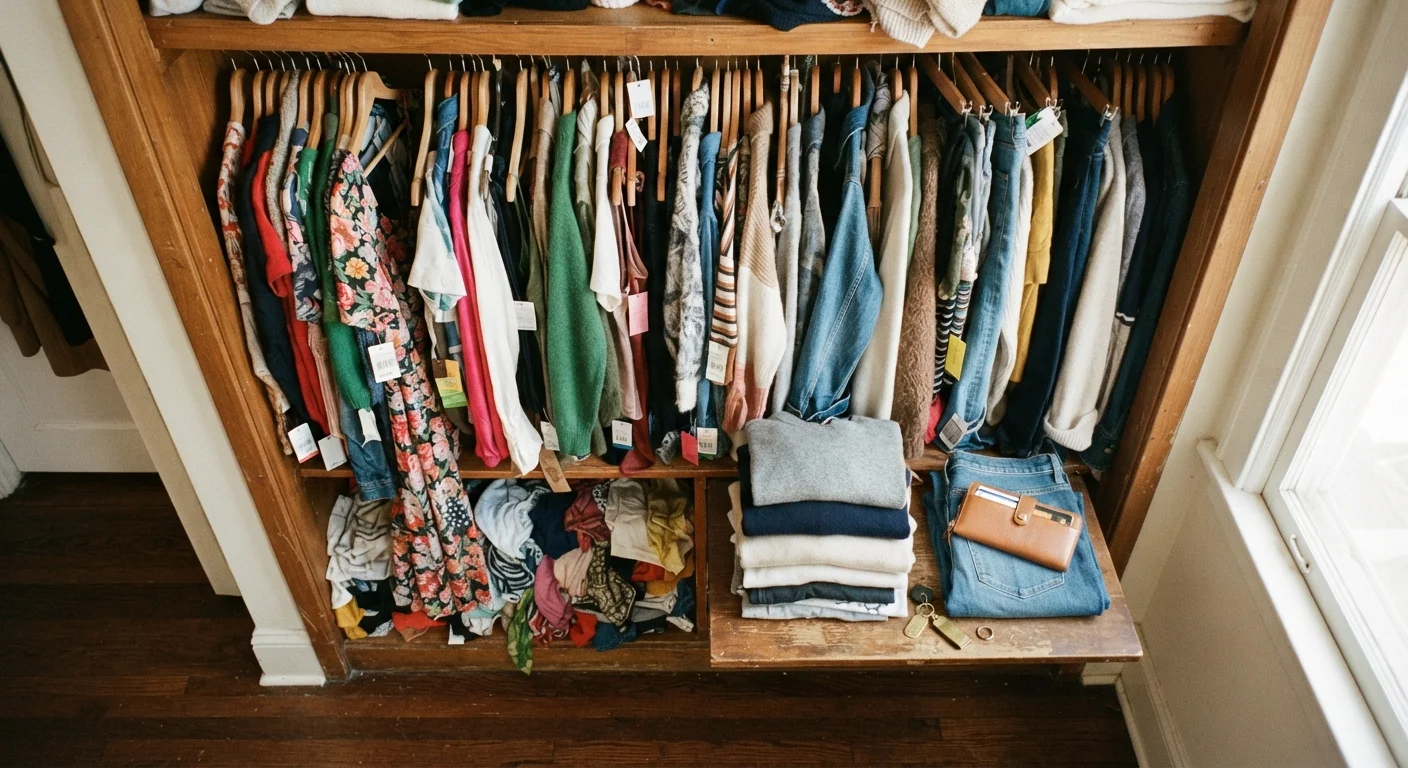
If your closet is full of impulse purchases that don't coordinate with anything, repeating becomes harder - not because of the concept, but because of the inventory. The common wardrobe habits that drain budgets often leave shoppers with many clothes but few outfits. Fixing that foundation makes every strategy below more effective.
How to Repeat Outfits Strategically: Step by Step
Follow these steps to turn your existing wardrobe into a source of genuinely varied looks - without buying a single new item.
Identify Your Most-Worn Pieces
Open your closet and honestly note which items you reach for most often. These are your workhorses - the pieces that already prove they earn their space. Make a short list (even a mental one) of five to eight items that appear repeatedly in your outfits. These become the anchor pieces for your repeating strategy.
Map Each Piece to at Least Three Different Combinations
For every anchor piece on your list, challenge yourself to build three distinct outfits around it - varying the other garments, shoes, and accessories each time. Write these down or photograph them with your phone. A black trouser might work with a silk blouse and heels, a chunky knit and boots, and a fitted tee with sneakers. Three outfits, one item.
This exercise also surfaces genuine gaps. If a piece only works in one combination, it's worth asking whether it belongs in a versatile wardrobe. See how silhouette choices affect outfit flexibility for more on choosing pieces that work harder.
Use Layering to Change a Look's Tone
The same base outfit can shift dramatically depending on what's layered over or under it. A simple dress becomes a completely different silhouette when worn over a fitted turtleneck. A button-down shirt reads preppy tucked in, relaxed untucked, and edgy tied at the waist. Practice changing layers before changing outfits - it's almost always the faster, cheaper move.
Swap Accessories to Shift the Mood
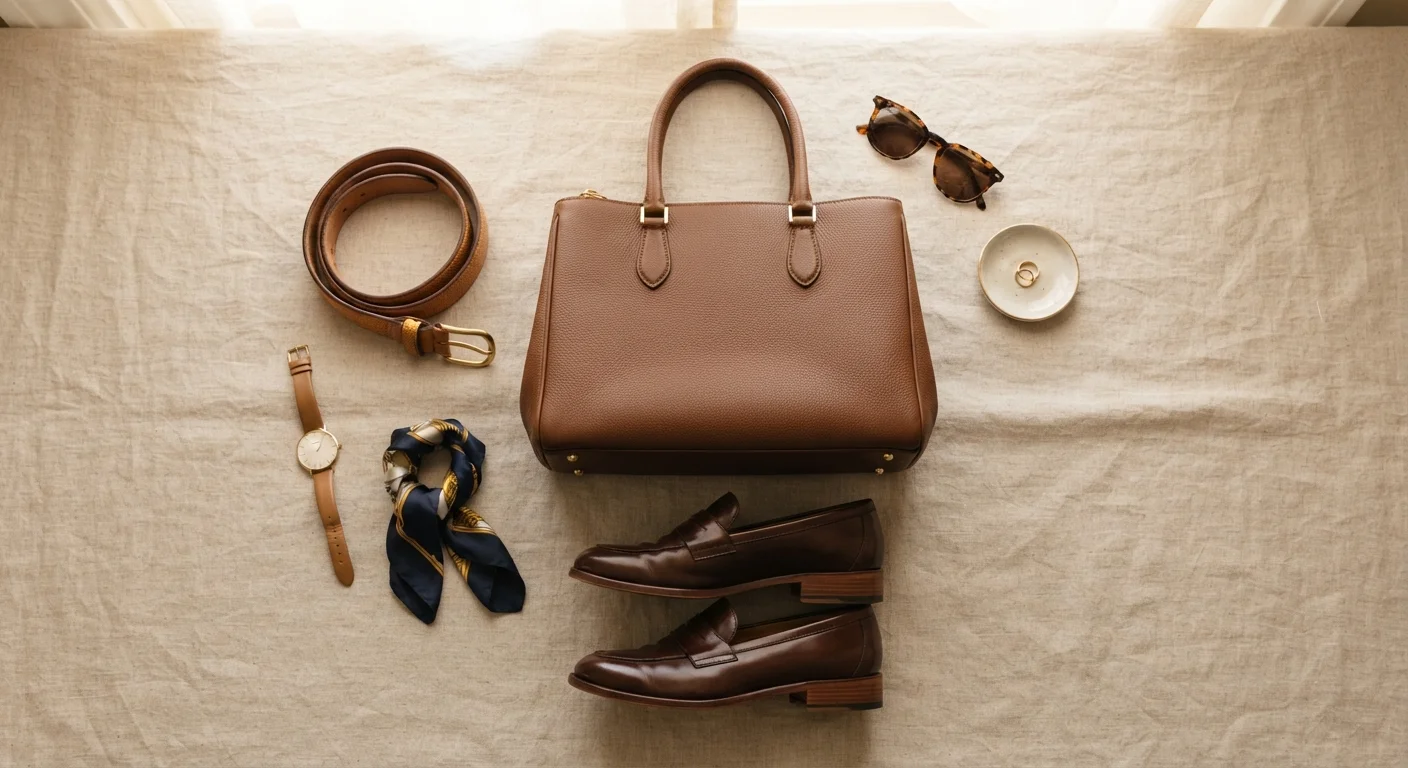
Once your base outfit is set, treat accessories as the volume dial on formality and personality. The same jeans-and-blouse combination worn with a structured tote, pearl earrings, and pointed flats conveys something entirely different from the same outfit with a crossbody bag, hoop earrings, and white sneakers. Practice swapping one or two accessories at a time rather than changing everything at once - it helps you see what's actually driving the change.
Track Your Outfits Over Time
You don't need an app or a spreadsheet - a simple photo on your phone before leaving the house works fine. After a few weeks, reviewing these photos reveals patterns: which combinations you actually love, which pieces aren't pulling their weight, and how long a genuine interval between repeats feels comfortable to you. This data makes your next wardrobe decision (whether to buy, donate, or restyle) far more informed.
The 'Same But Different' Mindset
When building repeat outfits, focus on changing at least two elements - not just one. Swapping shoes and adding a scarf, for example, shifts more of the visual impression than a single swap alone. Over time, this two-element rule becomes instinctive and makes repeating feel genuinely creative rather than lazy.
Making Repeats Feel Intentional, Not Accidental
There's a subtle but real difference between repeating an outfit because you forgot what you wore last time and repeating it because you're deliberately building a look around a piece you love. The second approach reads as confidence; the first can feel like autopilot.
Accessories are your most powerful lever here. Swapping shoes alone - say, from sneakers to loafers, or flats to ankle boots - shifts a look from casual to polished without touching anything else. How accessories transform an entire outfit is a concept worth studying, because it multiplies options from a modest collection dramatically.
Pattern mixing is another underused tool. A striped top that anchors one outfit can layer under a patterned jacket in another context entirely. Mixing patterns without the guesswork walks through exactly how to make that feel intentional rather than chaotic.
Finally, context shifts perception. The same blazer-and-trouser combination worn to a work meeting reads completely differently when styled with a graphic tee and white sneakers on the weekend. You haven't changed the clothes - you've changed the conversation they're having. That's the essence of strategic repeating: the piece stays the same, but its meaning doesn't have to.
Don't Let Repeating Become Avoidance
Strategic repeating is about getting more from what you own - not about avoiding self-expression or sticking exclusively to 'safe' combinations. If you find yourself wearing only one or two outfits on rotation because everything else feels too hard to coordinate, that's a sign the wardrobe foundation may need revisiting, not that repeating itself is the problem.