Why Accessories Do More Heavy Lifting Than You Think
Most wardrobe advice focuses on clothing - the jeans, the blouses, the blazers. But if you're dressing on a budget and want to get more mileage from what you already own, accessories are where the real leverage lives. A well-chosen shoe, bag, or belt doesn't just complete an outfit; it fundamentally changes the story that outfit tells.
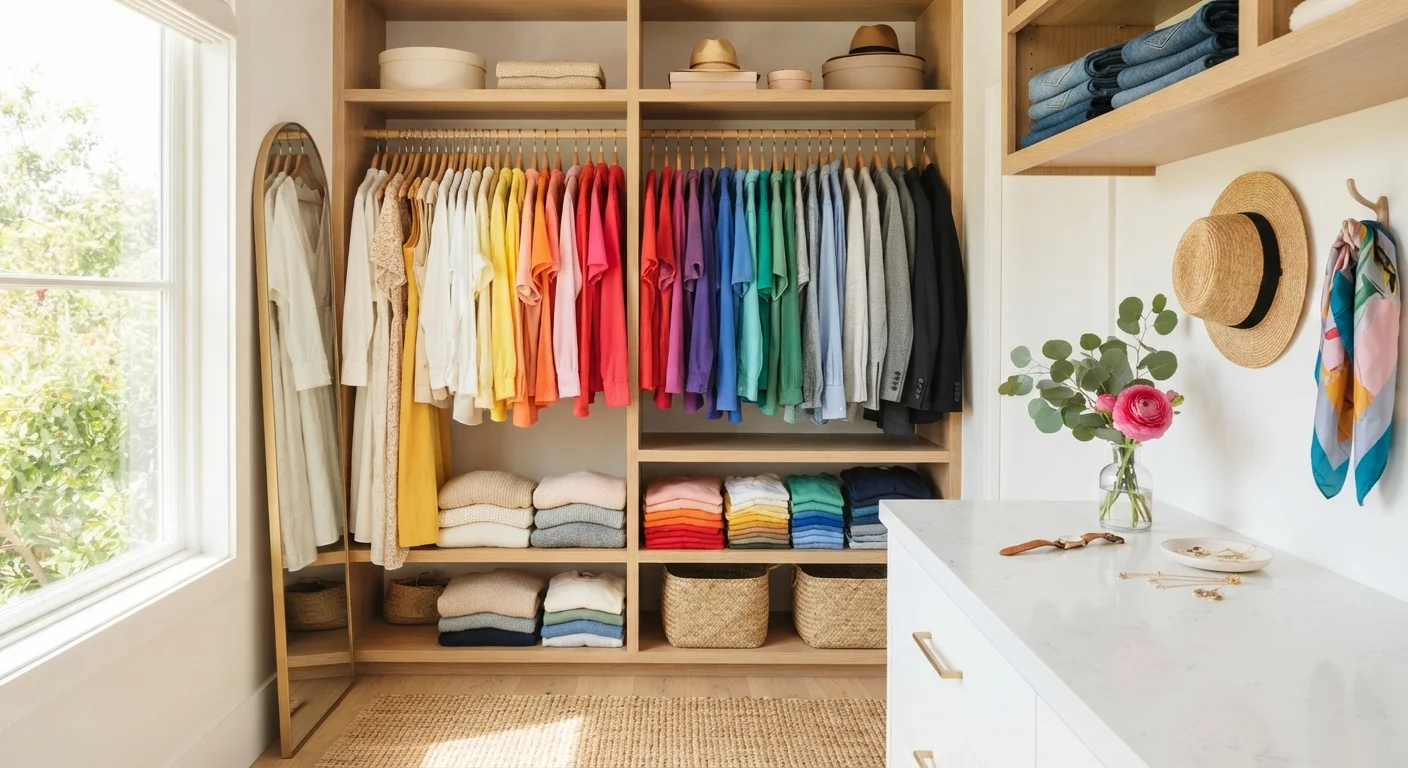
Consider a simple black dress. Worn with chunky white sneakers and a canvas tote, it reads weekend brunch. Switch to a pointed-toe flat and a structured crossbody, and suddenly it's boardroom-adjacent. The dress didn't change - the accessories rewrote the context entirely. Before shopping for anything new, it's worth doing a wardrobe audit to see which accessories you already have and where the gaps actually are.
Below are seven practical ways accessories shift an outfit's look - and how to use each one strategically.
Shoe Silhouette Sets the Formality Level
The silhouette of a shoe - its toe shape, heel height, and overall structure - is the fastest signal of how dressed-up an outfit is. A rounded-toe loafer reads relaxed-professional; a stiletto heel reads formal event. This means you can keep the same trousers and blouse and completely reframe the occasion just by swapping footwear. When building a practical shoe collection, prioritize silhouettes across at least two formality tiers so you're not locked into a single register.
Swapping shoe silhouette is the fastest way to change an outfit's formality without touching a single garment.
Shoe Color Creates or Breaks Visual Flow
A shoe that matches or closely echoes the color of your trousers or skirt creates a long, unbroken vertical line - a lengthening effect that's especially noticeable in monochromatic outfits. A shoe in a contrasting color, on the other hand, draws the eye downward and creates a deliberate visual stop. Neither is wrong; the choice depends on whether you want a streamlined or a more dynamic, interrupted silhouette. Understanding this helps you make purposeful decisions rather than defaulting to whatever's on sale.
Matching shoe color to hemline creates length; contrasting it creates visual interest - both are valid tools.
Bag Shape Communicates Structure and Intention
Structured bags - boxy shapes, rigid frames, clean edges - signal intention and polish. Unstructured bags like slouchy hobos or canvas totes feel relaxed and easy. This distinction matters more than most people realize: a structured bag can elevate a casual outfit, while a soft, draped bag can make a formal outfit feel more approachable. If you own only one bag, a medium-sized structured style in a neutral tends to offer the widest range - it can be dressed down more easily than a soft bag can be dressed up. For ideas on balancing statement pieces with neutrals, see neutral vs. statement pieces.
A structured bag elevates a casual outfit more reliably than a slouchy bag elevates a formal one.
Bag Size Changes Your Proportions
An oversized tote against a petite frame emphasizes scale in a way that can feel overwhelming; a tiny micro-bag against broader shoulders can look disproportionate. This isn't a hard rule - fashion regularly plays with exaggerated proportion intentionally - but if you're building a practical everyday wardrobe, choosing a bag size that creates visual balance with your frame tends to look most cohesive. Medium-sized bags, roughly the width of your torso, are the most universally proportionate starting point.
Bag size affects perceived body proportion - a medium-width bag is the most universally balanced starting point.
Belts Define Waist and Anchor Proportion
A belt placed at the natural waist creates definition and separates the upper and lower body visually - useful for outfits that otherwise read as one long block. A belt worn at the hips sits differently, elongating the torso and giving a relaxed, low-slung feel. Width matters too: thin belts feel delicate and classic; wide statement belts feel bold and fashion-forward. Because belts are among the more affordable accessories, they're an ideal category to experiment with. Outfit repeating becomes far more interesting when a single belt can re-proportion the same dress three different ways - a strategy covered in depth in our piece on strategic outfit repeating.
A belt's placement - waist versus hip - changes the entire proportion of an outfit, not just the waistline.
Texture and Finish Communicate Formality Independently of Color
A matte leather belt reads more casual than a patent leather one, even if they're the same color and width. A suede bag feels softer and more bohemian than a smooth leather version of the same shape. This means texture and finish are tools entirely separate from color - you can stay within the same palette and still shift the feel of an outfit significantly. Mixing textures (say, a smooth bag with a woven shoe) adds visual interest without requiring pattern mixing, which can feel riskier. For those curious about mixing more adventurously, mixing patterns without the guesswork is worth exploring.
Texture communicates formality independently of color - matte reads casual, patent reads polished, suede reads relaxed.
Intentional Contrast Beats Perfect Matching
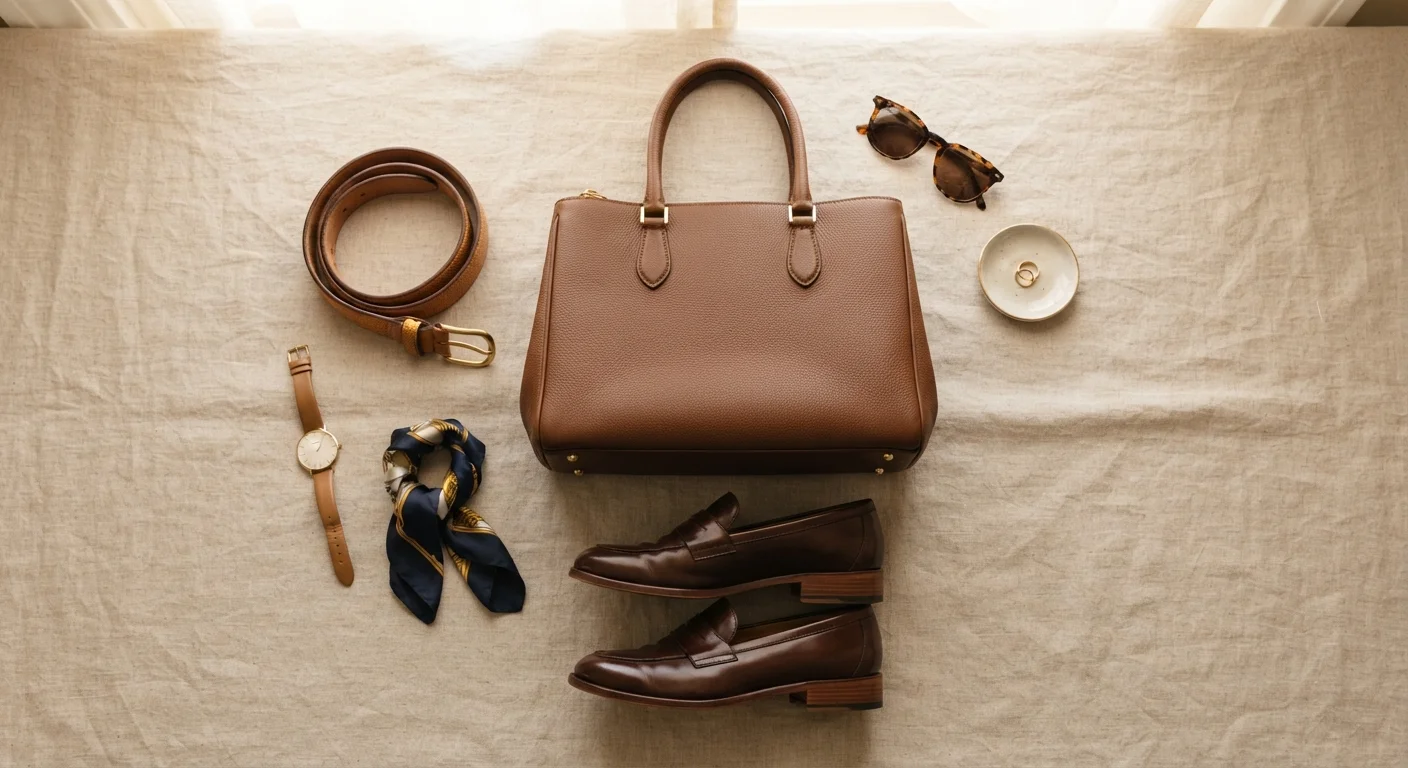
The old rule that shoes, bag, and belt should match in color is largely outdated. Contemporary styling more often uses intentional contrast - a brown belt with a black bag, for instance, or a colorful shoe against a neutral bag. The key word is intentional: the pieces should look like they were chosen together, even if they don't match. A simple way to achieve this is to ensure all accessories share at least one quality - similar finish, complementary undertone, or consistent level of formality - even when the colors diverge. This gives a look cohesion without requiring a matchy-matchy approach that can feel dated.
Intentional contrast between accessories looks more modern than matching everything - cohesion comes from shared qualities, not identical color.
Building an Accessory Strategy That Lasts
The goal isn't to own more accessories - it's to own the right ones. Think in terms of how many outfits each piece can touch. A neutral-toned belt in a classic width can work across trousers, jeans, and dresses. A structured bag in a versatile shade pulls together everything from a blazer look to a linen set. That kind of cross-outfit utility is what separates a smart accessory purchase from a one-use impulse buy - a pattern worth avoiding, as explored in our look at common wardrobe habits that drain budgets.
Start With Three Versatile Anchors
If you're building an accessory collection from scratch, aim for one pair of shoes per formality tier you regularly dress for, one medium structured bag in a neutral shade, and one or two belts in different widths. These three categories handle the majority of outfit-shifting work. Add from there only when a genuine gap appears - not when something is merely appealing in the moment.
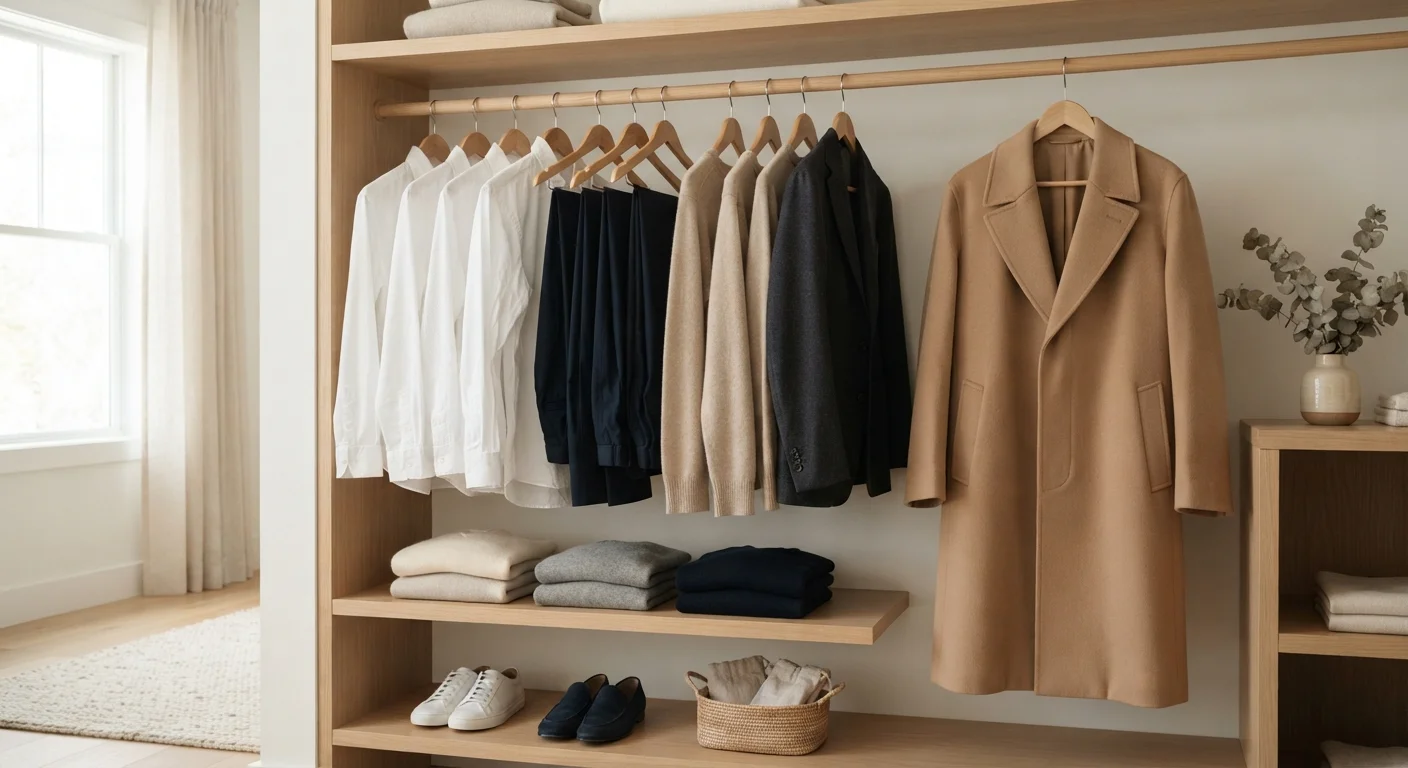
Accessories also work hand-in-hand with the principles behind a capsule wardrobe - a small, intentional set of pieces that do the most work. When your clothing base is neutral and mix-and-match friendly, your accessories become the primary tool for creative expression. That's a powerful position for a budget-conscious shopper to be in. For broader guidance on this mindset, dressing well on a budget is a strong companion read.