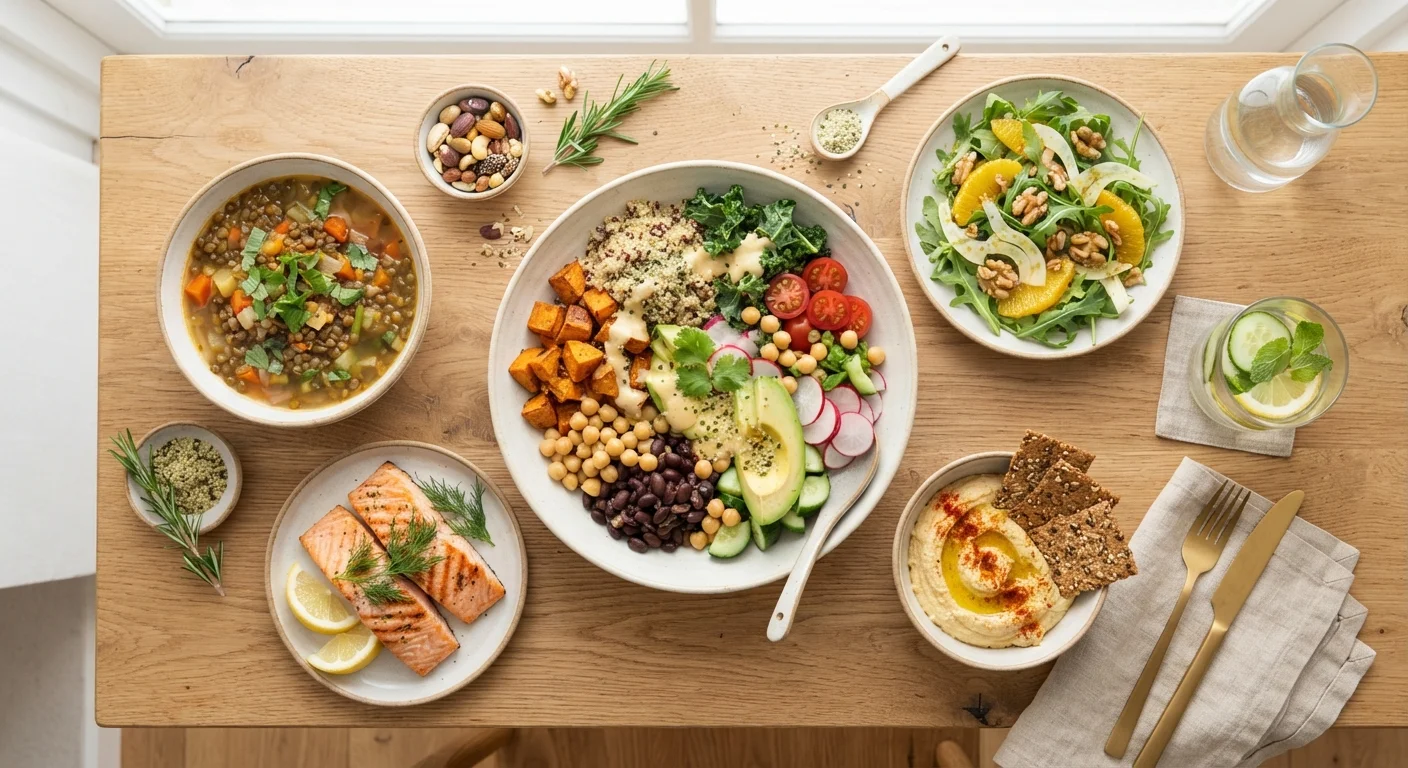

Why Nutrition Basics Matter More Than Diet Trends
Americans are surrounded by nutrition advice - often contradictory, frequently expensive, and regularly attached to a product or plan to sell. Before any of that noise, there's a simpler question worth asking: what does your body actually need every day, and can you get it without spending a lot?
The answer, for most people, is yes. Good nutrition doesn't require specialty stores, subscription meal kits, or trending superfoods. It requires understanding a handful of core concepts and applying them to the ordinary foods already available at any grocery store.
This guide is a starting point - not a prescription. For deeper context on how nutrients work together, see our complete nutrition reference. And if budget pressure extends beyond food, the principles in Budgeting Basics can help you see how food fits into your overall financial picture.
This article is for general informational and educational purposes only. It is not a substitute for personalized advice from a qualified healthcare professional or registered dietitian.
The Core Nutrients Your Body Needs Every Day
Nutrition science identifies two broad categories of nutrients: macronutrients (needed in larger amounts) and micronutrients (needed in smaller amounts but still essential).
Macronutrients
The three main categories of nutrients - protein, carbohydrates, and fat - that your body needs in relatively large amounts to produce energy and support basic functions.
Micronutrients
Vitamins and minerals your body needs in smaller quantities but cannot function well without - examples include iron, calcium, vitamin C, and vitamin D.
Dietary fiber
A type of carbohydrate found in plants that your body cannot digest. It supports digestive health, helps regulate blood sugar, and promotes a feeling of fullness after eating.
Omega-3 fatty acids
A type of healthy fat found in fatty fish, walnuts, and flaxseed that supports heart and brain health. Most Americans don't consume enough of them.
Nutrient density
The ratio of nutritional value to calorie content in a food. A nutrient-dense food provides substantial vitamins, minerals, or other beneficial nutrients relative to how many calories it contains.
Whole foods
Foods that are minimally processed and close to their natural state - such as vegetables, fruits, legumes, eggs, and whole grains - as opposed to products with many added ingredients.
Macronutrients
- Protein supports muscle maintenance, immune function, and cellular repair. It's found in meat, poultry, fish, eggs, dairy, legumes, and soy foods.
- Carbohydrates are the body's primary energy source. Whole-food sources like oats, brown rice, beans, and vegetables also supply fiber - a carbohydrate most Americans consistently fall short on. Learn more in our article on fiber and why it matters.
- Fats support brain function, hormone production, and absorption of fat-soluble vitamins. Affordable sources include eggs, canned fish, nuts, and vegetable oils.
Key Micronutrients to Know
Vitamins and minerals - including iron, calcium, potassium, and vitamins A, C, and D - play essential roles in everything from bone health to immune response. A varied diet built around whole foods is the most reliable way to cover micronutrient needs without supplementation. If you have specific concerns about nutritional gaps, consult a healthcare provider or registered dietitian.
Budget-Friendly Foods With Strong Nutritional Value
Some of the most affordable foods at a typical American grocery store also happen to be nutritionally dense. Understanding why makes it easier to shop with intention rather than impulse.
Frozen Vegetables Are a Nutrition Win
Don't overlook the freezer aisle. Frozen vegetables are typically harvested at peak ripeness and preserved quickly, locking in most of their vitamins and minerals. They're often less expensive than fresh, and they won't go bad before you use them - which also means less food waste and more value per dollar spent.
| Food | Key Nutrients | Budget Notes |
|---|---|---|
| Dried or canned beans and lentils | Protein, fiber, iron, folate | Among the lowest cost-per-serving protein sources available |
| Eggs | Protein, healthy fats, vitamins B12 and D | Versatile and consistently affordable |
| Oats | Fiber, complex carbohydrates, manganese | Plain rolled oats cost far less than packaged cereals |
| Frozen vegetables | Vitamins A, C, K; fiber | Nutritionally comparable to fresh; longer shelf life reduces waste |
| Canned fish (sardines, tuna) | Protein, omega-3 fatty acids, calcium (sardines) | One of the most affordable sources of omega-3s |
| Brown rice | Complex carbohydrates, fiber, B vitamins | Bought in bulk, cost is very low per serving |
| Bananas and seasonal fruit | Potassium, vitamin C, natural sugars | Bananas are reliably low-cost year-round |
Stocking these staples consistently is a practical starting point. For guidance on organizing your kitchen around them, see our article on stocking a kitchen pantry.
Building a Balanced Plate on a Tight Budget
A balanced meal doesn't need to be elaborate. A simple visual framework - roughly half your plate as vegetables or fruit, a quarter as protein, and a quarter as a whole grain or starchy vegetable - provides a reasonable nutritional structure without requiring calorie tracking or nutrition labels.
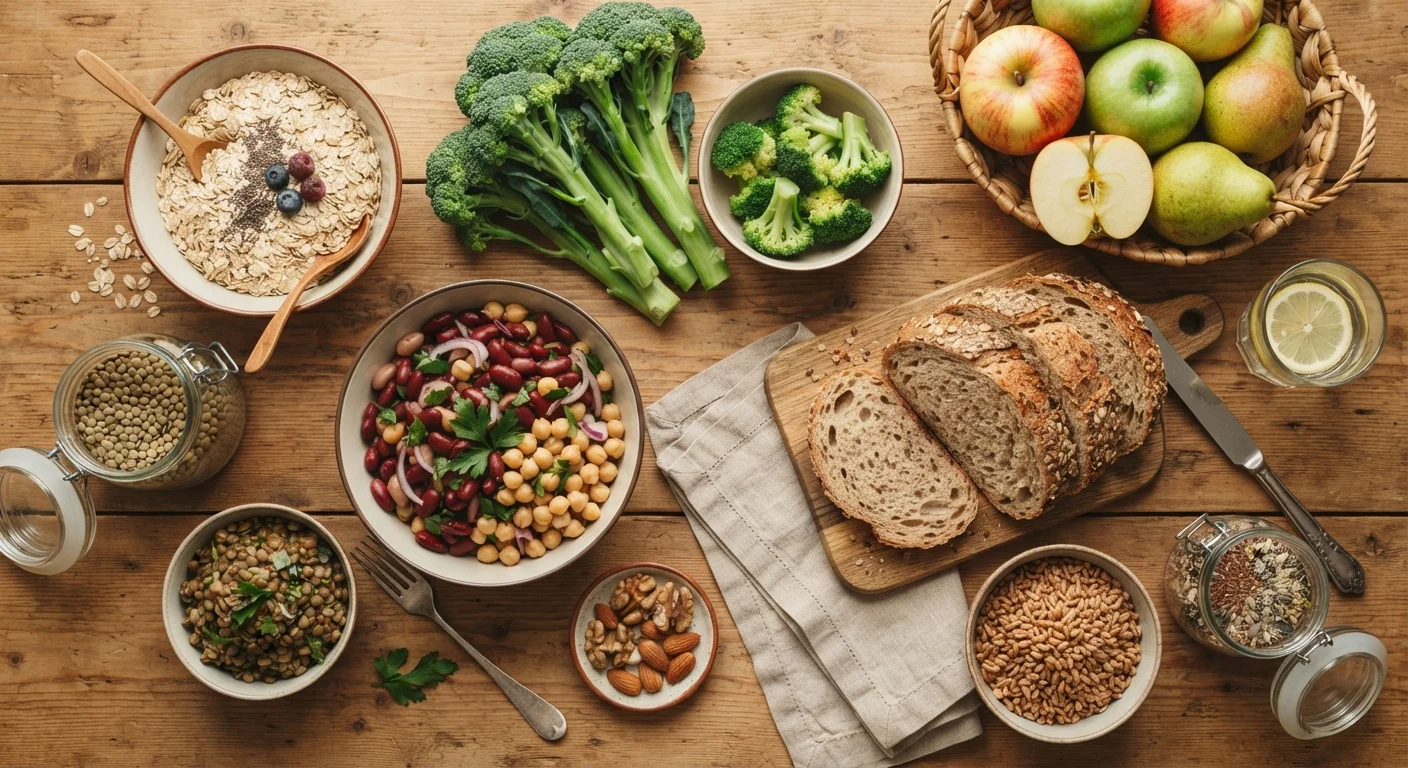
Practically, this might look like: a bowl of lentil soup with a side of steamed frozen broccoli and a slice of whole-grain bread. Or scrambled eggs with sautéed onion and canned tomatoes over brown rice. These are complete, satisfying meals built from inexpensive staples.
For a more detailed walkthrough of meal structure, our article on building a balanced plate covers practical frameworks without complex rules. You can also use the prep checklist in A Week of Nutritious Eating to set yourself up before your next shopping trip.
Cooking Method Affects Nutrient Retention
How you prepare food matters. Boiling vegetables for a long time can leach water-soluble vitamins like vitamin C and B vitamins into the cooking water. Steaming, microwaving, or briefly sautéing vegetables tends to preserve more of their nutritional content. This doesn't mean you need to change everything - just that simple adjustments to cooking approach can make a real difference over time.
Smart Shopping Habits That Support Better Eating
What you put in your cart is shaped as much by habit and store layout as by intention. A few consistent practices can shift that dynamic without requiring willpower or a strict system.
- Shop with a list. Planning meals for the week before shopping reduces impulse purchases and food waste - two of the biggest quiet costs in most households.
- Compare unit prices, not package prices. A larger container of oats is nearly always a better value than individual packets, even if the upfront cost is slightly higher.
- Prioritize the perimeter for whole foods. Produce, proteins, and dairy tend to be located around the edges of the store; the center aisles are where heavily processed, higher-margin products dominate.
- Embrace frozen and canned. Both preserve nutritional quality while extending shelf life - reducing the likelihood that fresh items go to waste before you use them.
Certain shopping patterns can quietly undermine even a well-intentioned grocery run. Our article on grocery shopping habits that undermine nutrition identifies the most common ones worth recognizing. And if you're looking to align food spending with a broader financial plan, building a savings safety net offers realistic strategies for households on tight incomes.
This article provides general nutrition education and is not a substitute for advice from a qualified healthcare professional or registered dietitian. Individual nutritional needs vary. If you have specific health conditions or concerns, please consult your doctor or a licensed nutrition professional.