What Each One Actually Does for Your Wardrobe
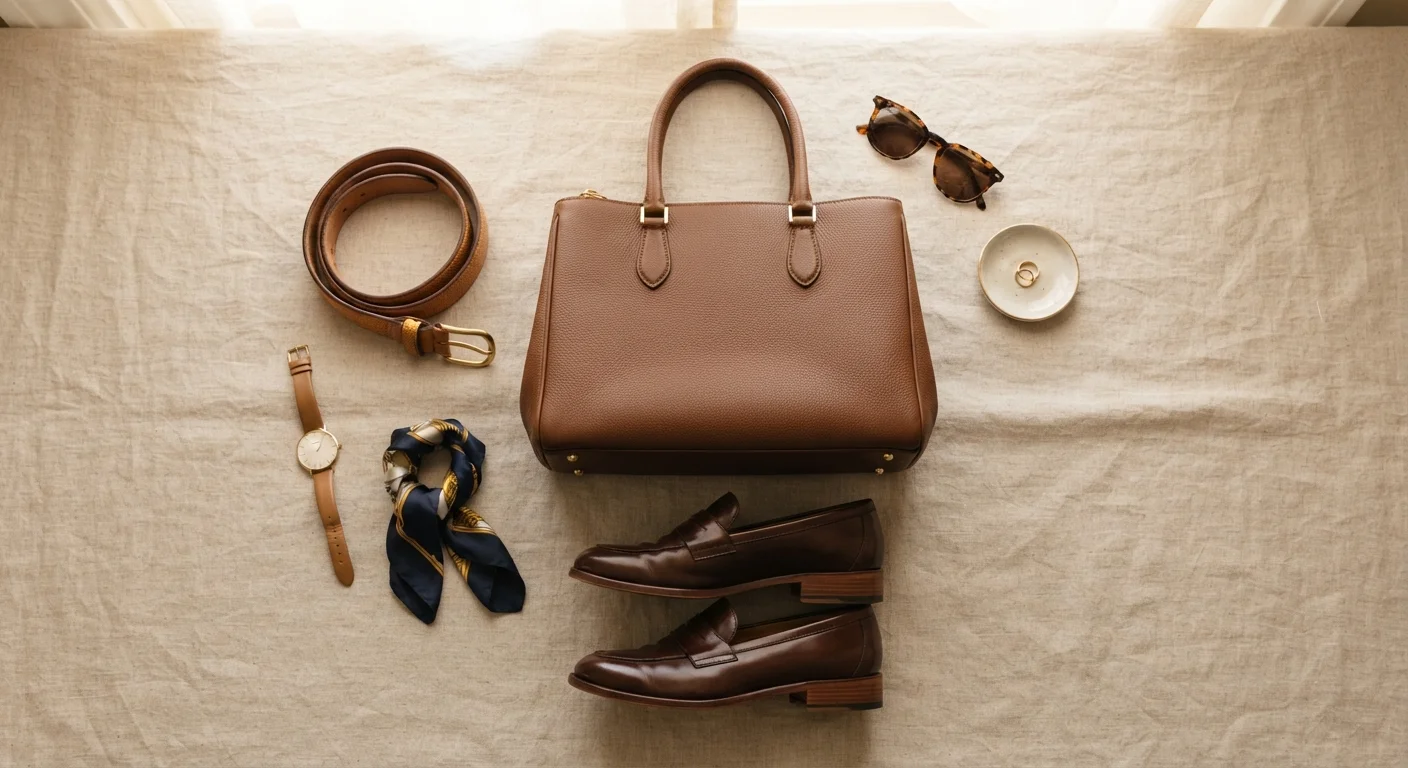
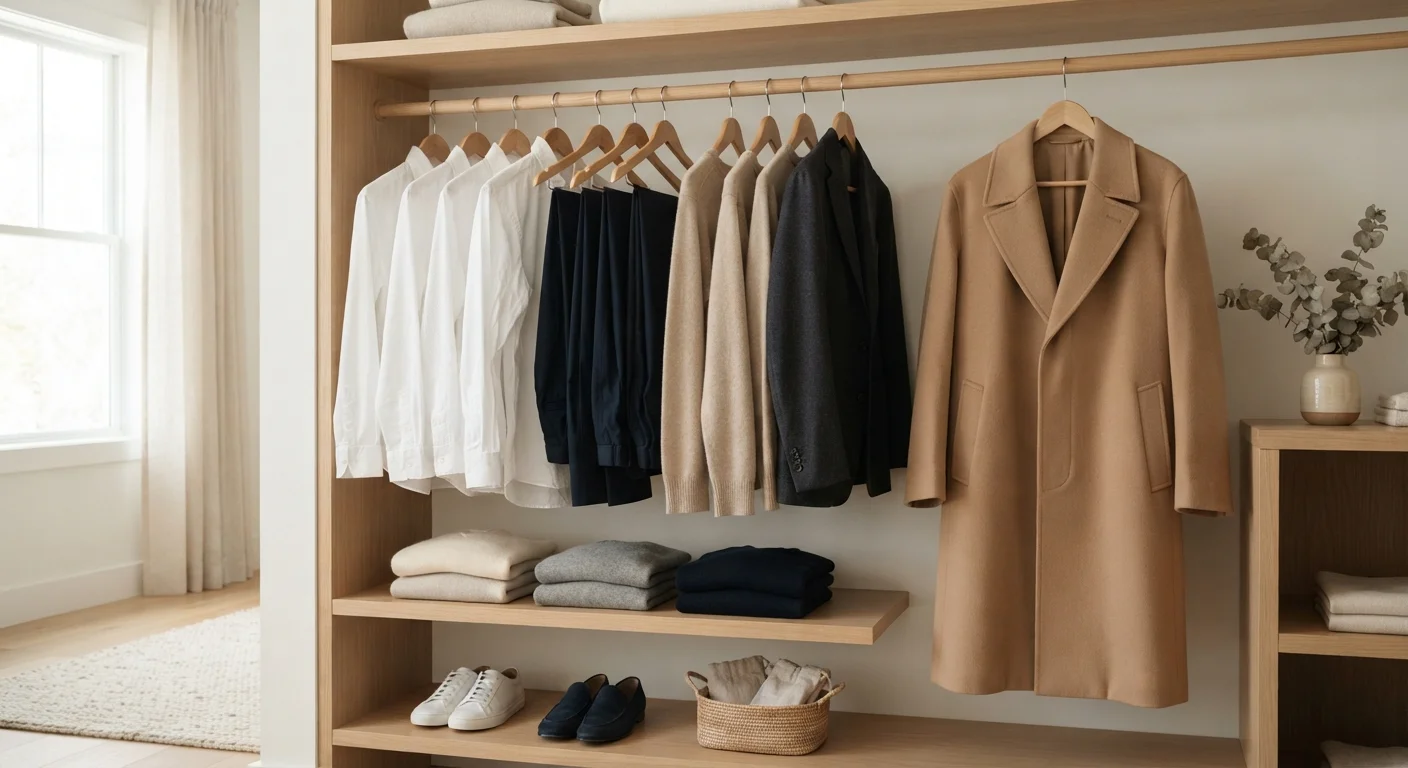
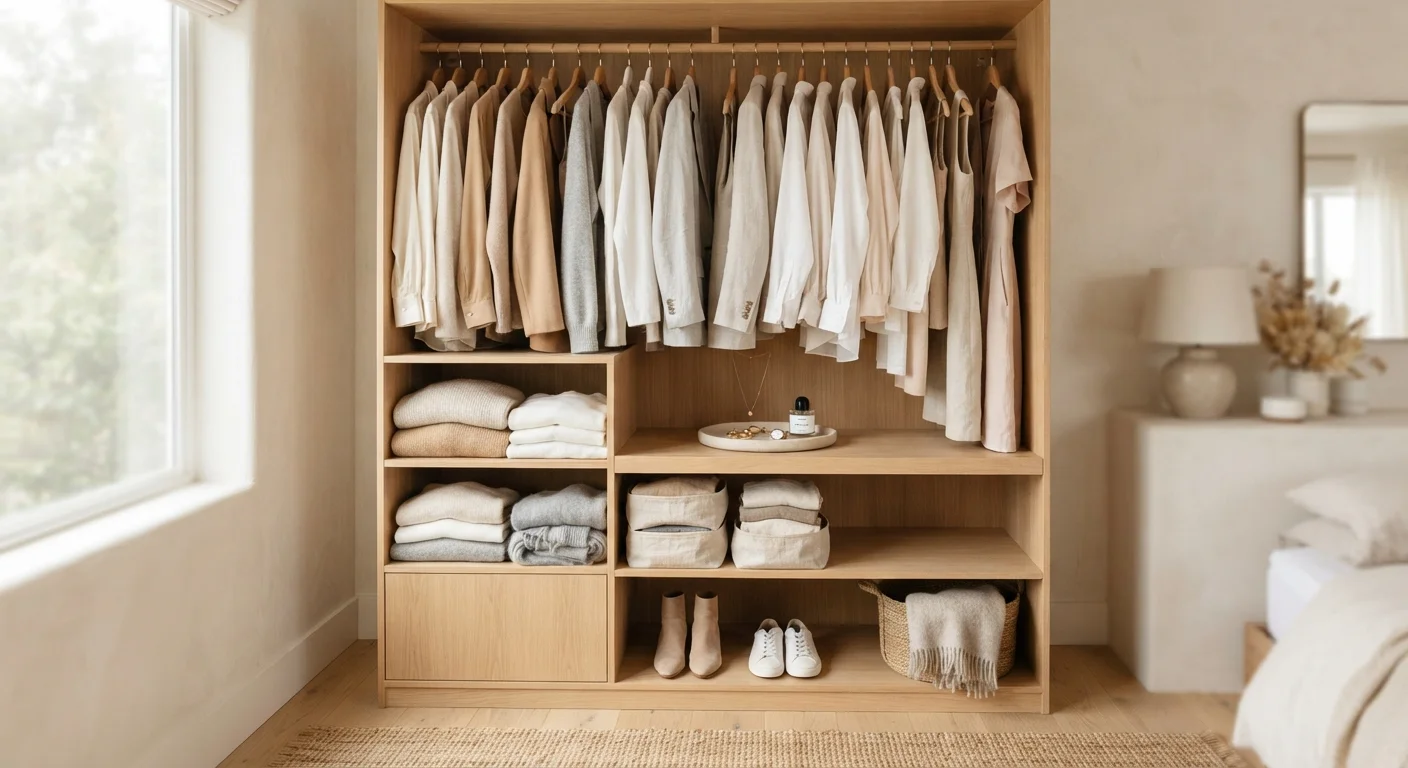
Neutral pieces - think white shirts, navy trousers, beige trench coats, grey knitwear - do the quiet, unglamorous work of making everything else in your closet cohere. They don't demand attention; they share it. That's exactly why they're so valuable. A well-chosen neutral can pair with ten other items you already own, which means every dollar spent on a genuine neutral punches well above its weight.
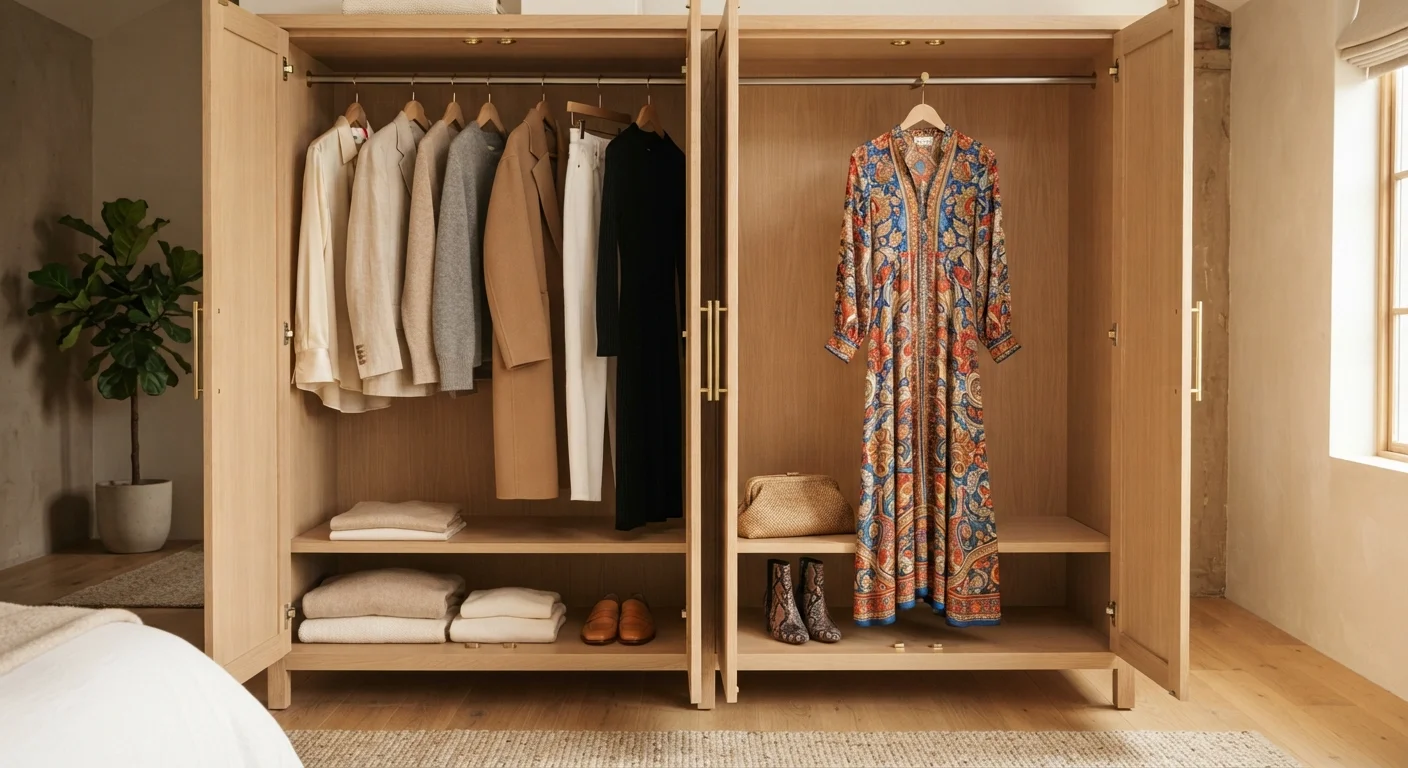
Statement pieces operate differently. A cobalt-blue wide-leg trouser, a leopard-print coat, a structured bag in cherry red - these items announce themselves. They carry the visual interest of an outfit so the rest doesn't have to. Done right, a single statement piece worn over a simple neutral base looks polished and intentional. Done wrong, two statement pieces competing for attention in the same outfit look cluttered.
Understanding this dynamic - neutrals as the stage, statements as the performer - is the core principle behind building a wardrobe that's both expressive and practical. For more on how this thinking extends to accessories specifically, see how accessories shift the look of an entire outfit.
Side-by-Side: How They Compare Across Key Wardrobe Factors
Comparing neutrals and statement pieces directly across practical wardrobe considerations reveals where each one earns - or doesn't earn - its place.
| Criterion | Neutral Pieces | Statement Pieces |
|---|---|---|
| Outfit versatility | Pairs with nearly everything | Limited pairing options |
| Cost-per-wear potential | Very high with regular use | High only if worn often |
| Trend sensitivity | Low - stays relevant longer | Higher - can date quickly |
| Expressive personality | Minimal on its own | Strong and immediate |
| Risk of wardrobe regret | Low when chosen carefully | Higher with impulse purchases |
| Outfit refresh power | Steady, background role | Transforms a basic outfit instantly |
The versatility gap is the most important number here for budget shoppers. A neutral item that pairs with eight other pieces in your closet will almost always deliver a lower cost-per-wear than a statement piece worn occasionally. That said, cost-per-wear only favors neutrals if you actually wear them together - which is where intentional wardrobe building matters.
The Budget Case for Investing More Heavily in Neutrals
If you're starting from scratch or rebuilding a wardrobe thoughtfully, the math strongly favors neutrals first. A capsule wardrobe built on a tight budget typically recommends spending proportionally more on neutral basics because their per-wear cost collapses fastest.
The practical test: before buying any neutral, ask whether it pairs with at least five things already hanging in your closet. If yes, it's earning its spot. If not, it risks becoming a different kind of dead weight - the orphaned piece that has nothing to connect with.
80%
Of wardrobe items rarely or never worn
Research from fashion sustainability studies consistently suggests that most people regularly wear only about 20% of what they own - reinforcing the case for fewer, more considered purchases.
3-5x
More outfit combinations from a neutral base
Style educators and wardrobe consultants commonly note that a single well-chosen neutral can create three to five times more outfit combinations than a comparable statement piece.
That same discipline applies to statement pieces, just with different criteria. The question shifts from versatility to specificity: Does this item suit your actual life? A dramatic evening coat is a wonderful statement - but not if your lifestyle runs 90% casual. The store-to-sidewalk test is unforgiving.
When Statement Pieces Are Worth Every Dollar
Statement pieces earn their keep in three specific scenarios. First, when they can be worn multiple ways with your existing neutrals - styled dressed up one way, dressed down another. Second, when they fill a genuine gap rather than duplicate a mood you've already captured. Third, when they reflect something authentically you rather than a trend that caught your eye for five minutes.
Trendy statement pieces are the most common source of wardrobe regret. A color or silhouette that's everywhere one season can feel dated surprisingly fast, and because statement pieces are inherently specific, they rarely get repurposed once the moment passes. Opting for statement pieces built around shape, texture, or a color you genuinely love year-round sidesteps this trap entirely.
Dressing well on a budget year-round comes down to exactly this kind of selectivity - spending thoughtfully rather than reactively. When a statement piece does all three things above, it often becomes the most-loved item in the closet, worn far more than its price tag initially suggests.
Mixing bold items with simpler bases also opens up pattern play. Mixing patterns without the guesswork explains the visual logic that makes that work - useful reading once you're ready to push beyond a single statement piece per outfit.