What Makes an Expense Fixed
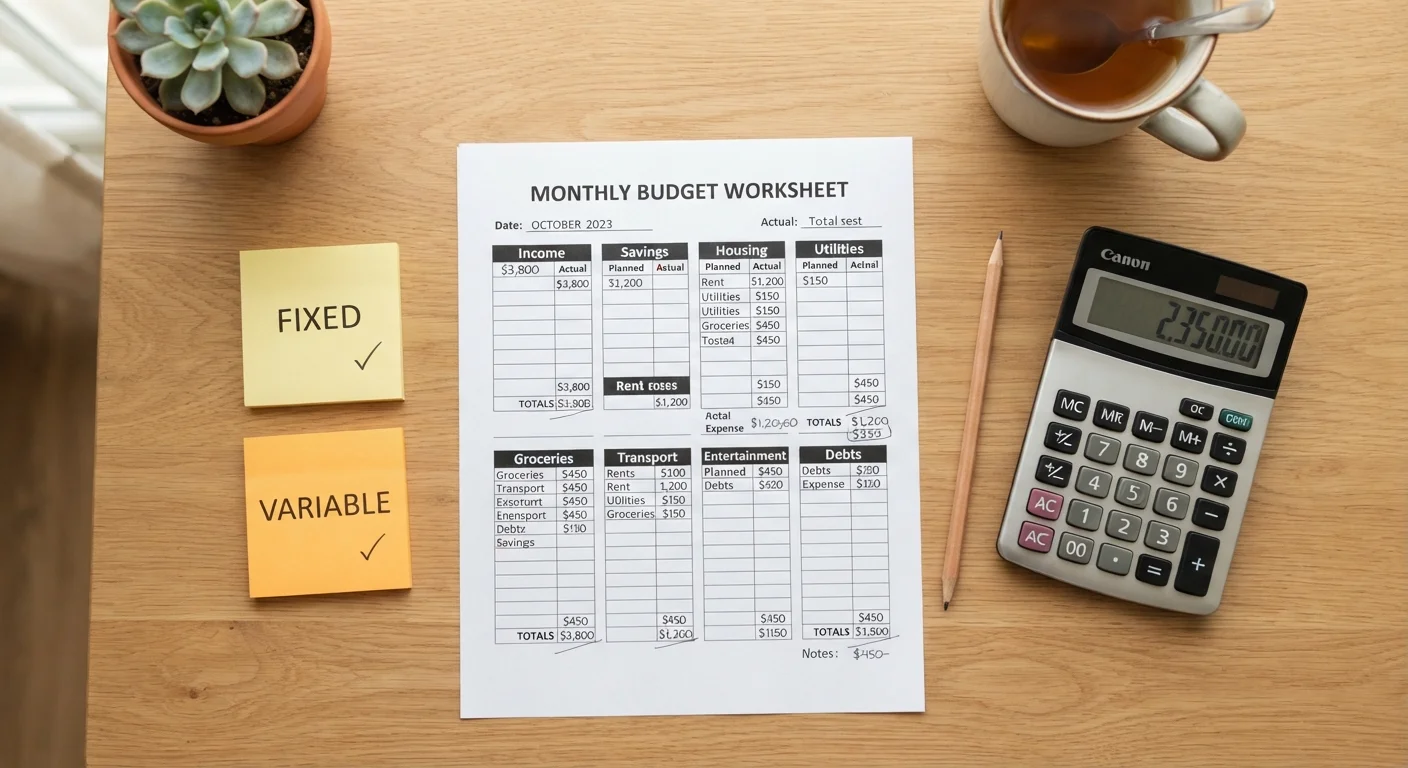
A fixed expense is one that arrives in the same amount on a predictable schedule, regardless of how you live your life that month. You don't choose the amount - it was decided when you signed the lease, took out the loan, or enrolled in the plan.
Common fixed expenses include:
- Rent or mortgage payments
- Car loan or lease payments
- Health, auto, and renters insurance premiums
- Student loan payments
- Fixed-rate internet or phone contracts
The defining characteristic is that you can't easily reduce these costs without making a significant change - moving, refinancing, canceling a service, or renegotiating a contract. That's why budgeting advice that says "just spend less" can frustrate people: a large share of many Americans' income is locked into fixed obligations before they make a single discretionary choice.
Periodic Fixed Costs Need a Monthly Reserve
Some fixed expenses don't arrive monthly - annual insurance renewals, semi-annual property taxes, and vehicle registration fees are all fixed in amount but irregular in timing. The most reliable way to handle them is to divide the annual cost by 12 and set that amount aside each month. This way, the expense doesn't catch you off guard.
What Makes an Expense Variable
Variable expenses change from month to month based on your behavior, consumption, or circumstances. These are the costs where budgeting has the most direct, immediate impact - because your decisions genuinely move the number.
Common variable expenses include:
- Groceries and household supplies
- Dining out and takeout
- Gas and transportation costs
- Clothing and personal care
- Entertainment and recreation
- Utility bills (which vary with usage and season)
Variable doesn't mean unimportant or optional. Groceries are variable, but you still have to eat. The difference is that the amount is within your control - you can spend $400 or $700 on groceries in a month depending on your choices. That flexibility is exactly what makes variable expenses the primary lever in most budgets.
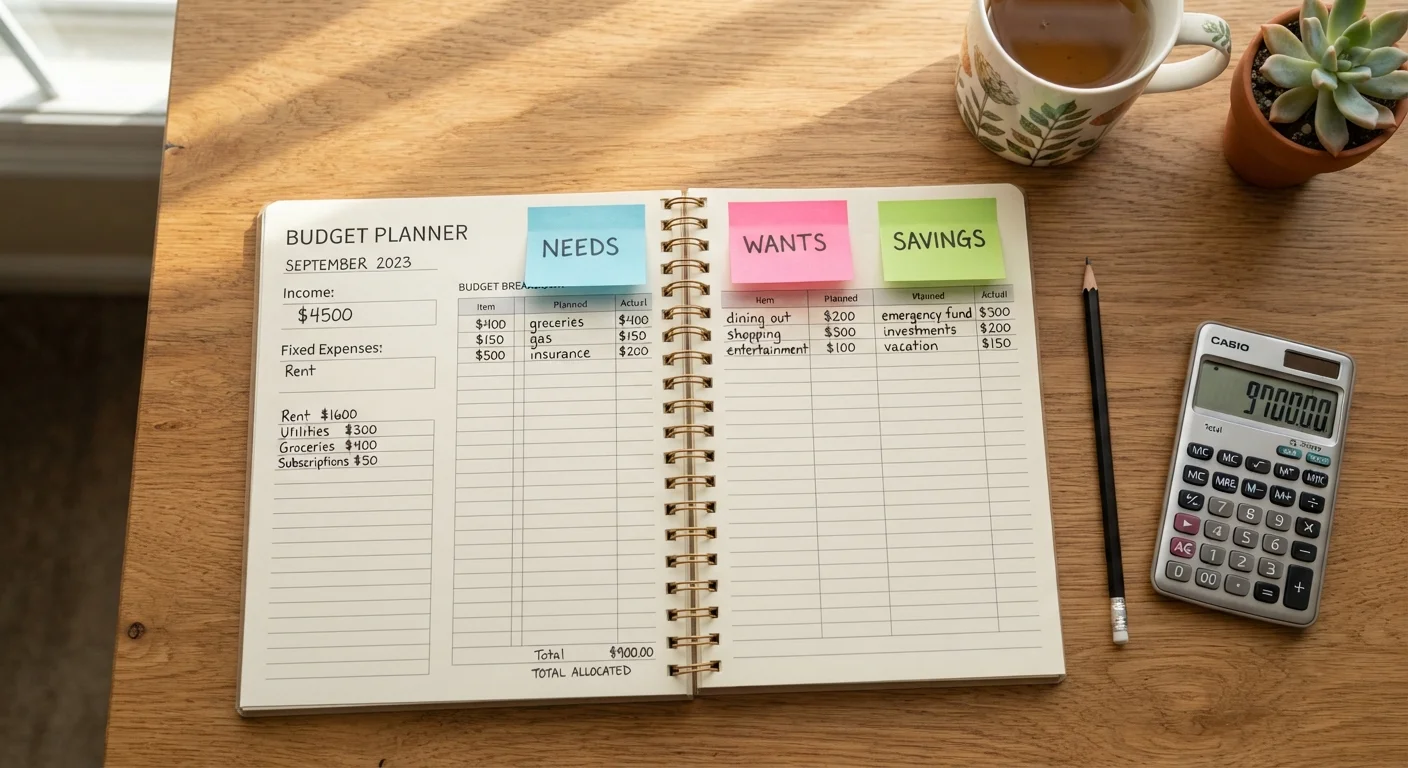
For a framework that helps you sort these further, see the needs, wants, and savings framework - a useful complement to the fixed/variable distinction.
~33%
Average share of income spent on housing alone
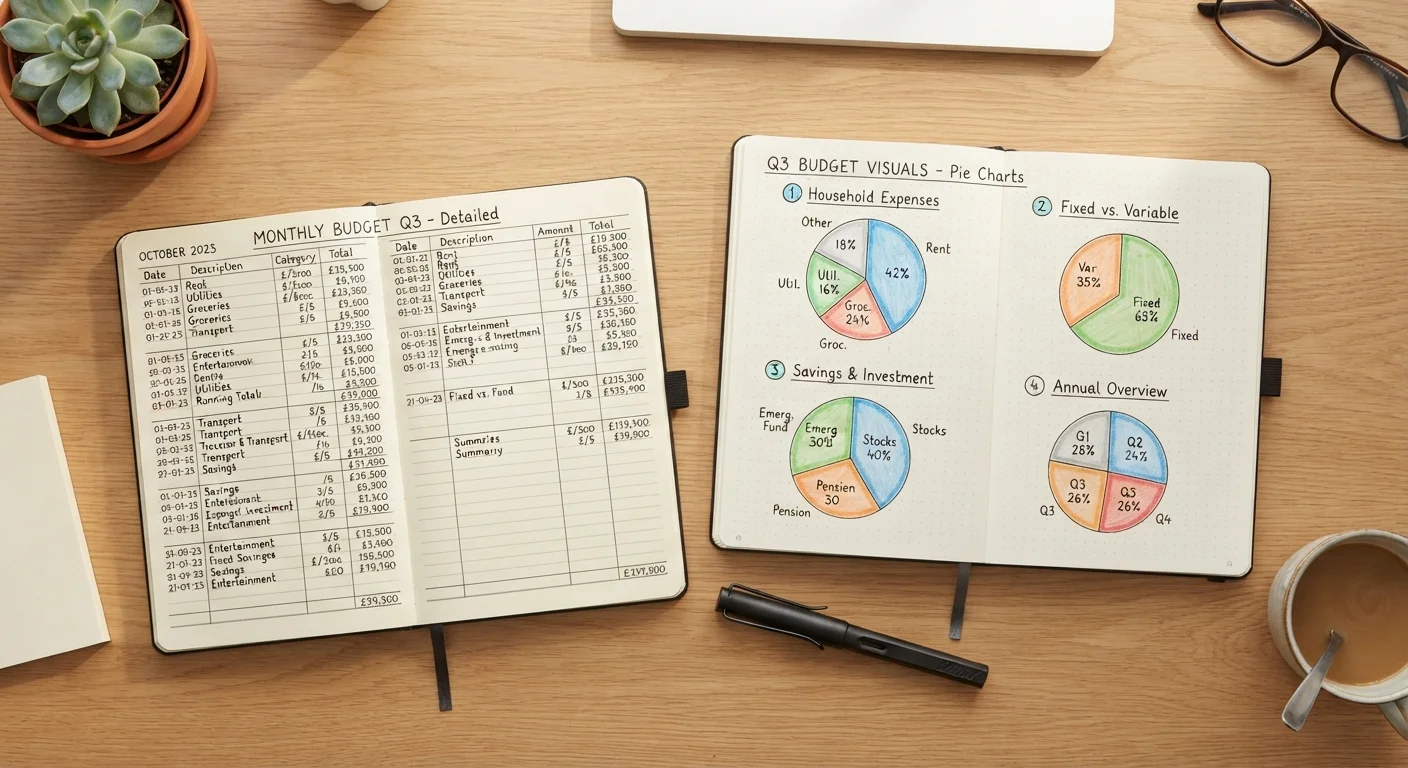
The U.S. Bureau of Labor Statistics Consumer Expenditure Survey consistently shows housing as the single largest expense category for American households, averaging around one-third of spending.
~15%
Average share spent on food (at home and away)
Food is one of the largest variable expense categories for most households, according to BLS Consumer Expenditure data, making it a key area where budgeting decisions have real impact.
The Grey Zone: Semi-Variable Expenses
Not every expense fits neatly into either bucket. Semi-variable expenses - sometimes called mixed costs - have a fixed base component that you pay regardless, plus a variable portion that depends on usage.
A utility bill is a common example: there's often a minimum service charge that's fixed, while the usage-based portion changes month to month. A cell phone plan with a data overage policy works the same way. Credit card minimum payments are another: the minimum may be fixed or formula-based, but what you actually owe depends on variable spending.
When building a budget, it helps to estimate these at their likely average plus a small buffer, rather than assuming the minimum or maximum every month. Over time, tracking actual figures gives you a reliable personal average to plan around.
Track Actuals for Three Months First
Before setting variable expense targets, track what you actually spend for two to three months without changing behavior. Many people underestimate variable categories by 20-30% when estimating from memory. Real numbers give you an honest baseline - and a more realistic budget you're likely to stick with.
Why the Distinction Changes How You Budget
Understanding fixed versus variable costs isn't an academic exercise - it directly determines where your effort will pay off. If you're trying to free up $200 a month and most of your spending is locked into fixed commitments, you'll need to focus almost entirely on variable categories. Hoping to chip away at a mortgage payment through willpower won't work.
Conversely, if you've already trimmed variable spending to the bone but your fixed costs are high relative to your income, the only real solution is a structural change: a different living situation, refinancing debt, or eliminating a recurring commitment. No amount of skipped lattes will offset a housing cost that consumes 45% of take-home pay.
This is also why two people with the same income can have very different budget flexibility. The person with lower fixed obligations has far more room to redirect money month to month. Understanding this helps you make decisions with realistic expectations rather than vague guilt about spending.
Once you have a handle on both categories, you can explore different budgeting approaches to decide how to allocate what remains after your fixed costs are covered. Or if you want a broader comparison, this side-by-side breakdown of budgeting methods lays out the most common systems.
This article is for general informational and educational purposes only and does not constitute personalized financial advice. Consider consulting a qualified financial professional for guidance specific to your situation.