
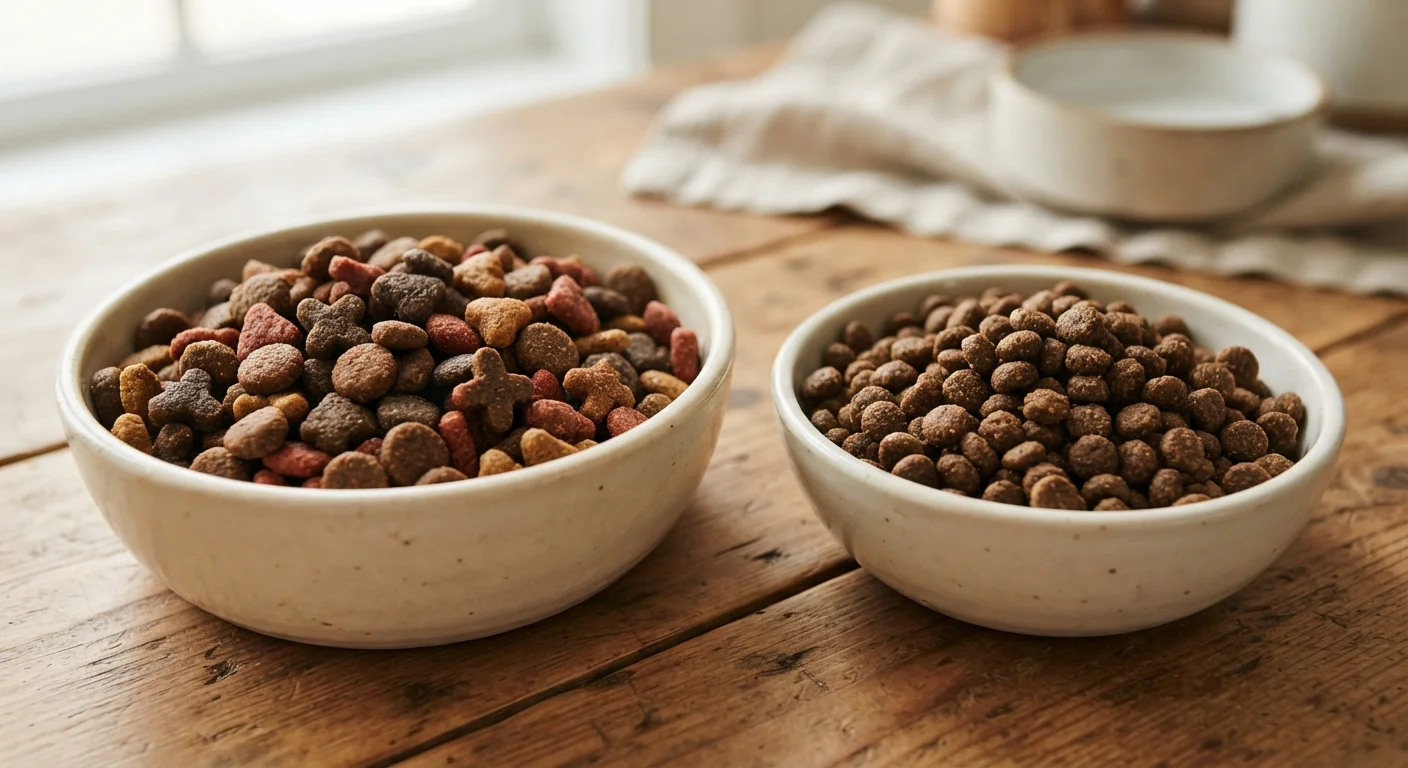
Why Budget Formulas Can Fall Short
Price alone does not determine a pet food's nutritional quality, but cost pressure does influence formulation decisions. Manufacturers producing lower-cost foods often use less expensive protein sources, fewer fresh ingredients, and more filler carbohydrates - and several key nutrients that pets need regularly tend to be the first casualties of those trade-offs.
This matters because the AAFCO minimum nutrient standards set a floor, not a ceiling. A food can be labeled "complete and balanced" while still delivering nutrients at the low end of the acceptable range, using ingredients that are poorly absorbed, or omitting certain functional nutrients that aren't explicitly required by current guidelines. For a deeper look at what a truly complete diet should include, see the nutritional building blocks every dog diet needs.
The six nutrients below are among the most commonly under-supplied in low-cost formulas. Understanding what each one does - and what a deficiency looks like - helps you make more informed decisions without necessarily spending more.
Omega-3 Fatty Acids (EPA and DHA)
Omega-3 fatty acids - particularly EPA and DHA - support skin and coat health, reduce inflammation, and play a role in brain and eye development in young animals. Most budget kibbles use chicken fat or generic vegetable oils as their fat sources, which are higher in omega-6 fatty acids and provide little to no EPA or DHA.
Fish meal, whole fish, or fish oil are the primary dietary sources of EPA and DHA for pets. These ingredients cost more and are less common in economy formulas. An imbalanced omega-6 to omega-3 ratio - which is common in low-cost foods - can contribute to chronic low-grade inflammation over time, though clinical signs may not be obvious early on.
Budget kibbles often deliver far more omega-6 than omega-3, an imbalance that can quietly compound over time.
Taurine
Taurine is an amino acid that cats cannot synthesize on their own - making it an absolute dietary requirement. It is critical for heart function, vision, and reproductive health in cats. Dogs can produce taurine from other amino acids, but certain diets - particularly those heavily reliant on legumes or exotic proteins - have been associated with lower plasma taurine levels in some dogs, a topic that continues to be studied by researchers and the FDA.
Low-cost cat foods that use lower-quality protein sources or heavily processed meat meals may supply taurine below optimal levels, even if they technically meet AAFCO minimums. Taurine is heat-sensitive and can degrade during high-temperature processing, further reducing what's actually available to the animal.
Taurine is non-negotiable for cats - deficiency can lead to irreversible heart and vision damage.
Zinc
Zinc supports immune function, wound healing, skin integrity, and enzyme activity across many biological processes. It is present in most commercial pet foods, but the form of zinc matters considerably. Budget formulas commonly use zinc oxide - a cheaper compound with lower bioavailability - rather than zinc chelates (such as zinc proteinate), which are more readily absorbed in the gut.
Some dog breeds, including Siberian Huskies and Alaskan Malamutes, have a known genetic predisposition to zinc malabsorption and may be particularly vulnerable when fed lower-bioavailability sources. Signs of zinc insufficiency can include flaky skin, poor coat condition, and slow wound healing, but these symptoms overlap with many other conditions.
The form of zinc in pet food - not just its presence - determines how much your pet actually absorbs.
Vitamin E
Vitamin E is a fat-soluble antioxidant that protects cell membranes from oxidative damage, supports immune function, and works in tandem with selenium. It is particularly important in diets high in polyunsaturated fats, because higher fat levels increase oxidative stress and thus the need for antioxidant protection.
In low-cost foods, vitamin E may be added at the minimum required level without accounting for the fat content of the diet. Additionally, vitamin E added to food degrades over time, especially in warm or humid storage conditions - meaning a food that meets requirements on the day of manufacture may fall short by the time it reaches the bowl, particularly near the end of a large bag.
Vitamin E degrades in storage - older or improperly stored kibble may deliver less than the label suggests.
Calcium-to-Phosphorus Ratio
Calcium and phosphorus are both essential minerals for bone health, muscle function, and nerve signaling. However, the ratio between them matters as much as their individual amounts. Budget foods that rely heavily on meat by-products or plant-based proteins may have skewed calcium-to-phosphorus ratios, which can impair absorption of both minerals over time.
The generally accepted dietary calcium-to-phosphorus ratio for adult dogs is approximately 1.2:1 to 1.4:1. Puppies and kittens have tighter tolerances and are more vulnerable to imbalances during rapid growth phases. Foods that use bone meal as a calcium source can help balance this ratio, but the quality and consistency of bone meal varies considerably across manufacturers.
Getting the calcium-to-phosphorus ratio wrong matters as much as the total amounts of either mineral.
Choline
Choline is a nutrient that supports liver function, nerve signaling, and fat metabolism. While it is required by AAFCO standards, it is sometimes supplied at minimal levels in economy formulas. Choline deficiency in pets has been associated with fatty liver changes and impaired neurological development, particularly in young animals.
It's worth noting that choline is found in meaningful amounts in high-quality protein ingredients like eggs and organ meats - ingredients that budget formulas may use sparingly. Owners feeding lower-cost foods to growing puppies or kittens, pregnant animals, or older pets with known liver concerns should discuss choline adequacy specifically with their veterinarian.
Choline often goes unnoticed on a label, yet its absence can quietly affect liver health and brain function.
What You Can Actually Do About It
Recognizing nutritional gaps is only useful if it leads to practical action. That doesn't always mean switching to a pricier food. In some cases, modest targeted additions - a small amount of canned fish for omega-3s, for instance - can meaningfully improve a diet's nutritional profile at low cost. For evidence-based strategies on this, stretching your pet food budget without cutting nutritional corners offers practical approaches for budget-conscious owners.
Check the Label - Then Look Deeper
The guaranteed analysis panel shows minimum or maximum levels of crude protein, fat, fiber, and moisture - but it doesn't reveal ingredient quality or bioavailability. Look for named protein sources (e.g., "chicken" or "salmon meal" rather than "poultry by-product meal") and check whether chelated minerals are listed. These details signal how much care went into the formulation, even in an affordable product.
Before adding any supplement or making significant dietary changes, consult your veterinarian. Signs of deficiency - dull coat, low energy, poor muscle tone, or digestive irregularity - can also indicate unrelated health conditions, so professional evaluation matters. You can also explore common misunderstandings about pet nutrition at pet nutrition myths that veterinarians hear all the time.
This article is for general informational purposes only and is not a substitute for professional veterinary advice. Always consult a licensed veterinarian regarding your pet's specific health and dietary needs.