
What Zoonotic Diseases Are - and Aren't
A zoonotic disease (or zoonosis) is any illness caused by a pathogen - bacterium, virus, parasite, or fungus - that can naturally pass between animals and humans. The term sounds alarming, but context matters: the risk of actually contracting a zoonotic illness from a healthy, well-cared-for pet is low for most people in typical households.
This article is general health information and education, not medical or veterinary advice. If you or a family member has symptoms you're concerned about, consult a licensed healthcare provider. For your pet's health, work with a licensed veterinarian.
| Estimated U.S. zoonotic diseases from pets | Hundreds of thousands of cases annually (CDC, general public health estimates) |
| Most common mode of transmission | Contact with animal feces or secretions (CDC zoonotic disease guidance) |
| Primary rabies reservoir in the U.S. | Wildlife (bats, raccoons, foxes) - not vaccinated pets (CDC rabies data) |
| Toxoplasma oocyst infectious window | 1-5 days after shedding in feces (CDC Toxoplasma fact sheet) |
| Most effective single prevention habit | Handwashing with soap and water after animal contact (CDC hygiene guidance) |
The goal here isn't to frighten you - it's to help you understand which risks are real, which are overstated, and what straightforward habits genuinely reduce exposure. Pet ownership carries many well-documented psychological and physical benefits; informed prevention lets you keep those benefits while managing actual risk sensibly.
Common Zoonotic Pathogens Associated with Household Pets
Several pathogens account for the majority of pet-associated human infections. Understanding each one clarifies where prevention effort is best spent.
- Toxoplasma gondii: A parasite shed in cat feces. Cats typically contract it by eating infected prey or raw meat. Healthy adults rarely develop serious illness, but exposure during pregnancy carries documented risks - pregnant individuals should delegate litter box duties or wear gloves and wash hands thoroughly.
- Campylobacter and Salmonella: Bacterial pathogens associated with animal feces and, in the case of Salmonella, raw pet food. Both cause gastrointestinal illness in humans. Reptiles and poultry are higher-risk carriers than dogs or cats.
- Ringworm (Dermatophytosis): Despite the name, this is a fungal skin infection - not a worm - that spreads by direct contact with infected animals or contaminated surfaces. It's common, treatable, and not dangerous to healthy people.
- Capnocytophaga canimorsus: A bacterium found in the mouths of dogs and cats. Transmission generally requires a bite or deep scratch. Serious illness is rare overall but disproportionately affects people with weakened immune systems or those who have had a splenectomy.
- Rabies: A preventable viral disease. Routine vaccination of dogs and cats through your veterinarian is the primary safeguard. Wild animals - bats, raccoons, foxes - are the main reservoir in the U.S., not vaccinated pets.
Outdoor and free-roaming pets encounter more pathogens than strictly indoor animals. See our guide to how lifestyle affects health risks for a fuller picture of environment-related exposures.
Zoonosis
Any disease or infection that can be transmitted naturally between animals and humans. The pathogens involved include bacteria, viruses, parasites, and fungi.
Oocyst
A hardy, egg-like stage of certain parasites - including Toxoplasma - that is shed in feces and can survive in the environment. Oocysts become infectious only after a maturation period of one to several days.
Immunocompromised
A state in which the immune system is weakened due to disease, medication, or other factors, making an individual more susceptible to infections that would be harmless to a healthy person.
Dermatophytosis
A fungal skin infection commonly called ringworm, spread by contact with infected animals or contaminated surfaces. Causes ring-shaped rashes in humans and patchy hair loss in animals.
Vector
An organism - commonly a flea, tick, or mosquito - that transmits a pathogen from one host to another without being the primary source of the disease itself.
Who Faces Elevated Risk - and Why It Matters
Most healthy adults and children experience minimal health consequences from typical pet-related pathogen exposure. However, certain groups warrant extra caution:
- Immunocompromised individuals - including people undergoing chemotherapy, living with HIV/AIDS, or taking long-term immunosuppressant medications - face higher risk of severe illness from organisms that are harmless to healthy hosts.
- Pregnant people should take specific precautions around cat litter and raw meat handling due to Toxoplasma risk to the developing fetus.
- Young children have less mature immune systems and are more likely to put hands in their mouths after animal contact.
- Elderly individuals may have reduced immune function compared to younger adults.
If you or someone in your household falls into one of these categories, consult both a physician and a veterinarian to tailor your household precautions appropriately. This is a situation where general guidance is insufficient on its own.
Special Populations: Get Personalized Guidance
If anyone in your household is immunocompromised, pregnant, under 5 years old, or elderly, general zoonotic prevention advice may not be sufficient on its own. Speak with both a licensed physician and your veterinarian to develop household-specific precautions. Do not rely on this article as a substitute for professional guidance tailored to your circumstances.
Practical Prevention: What Actually Works
The good news is that the core prevention strategies are simple, inexpensive, and broadly effective across multiple zoonotic risks:
- Handwashing: Washing hands with soap and water after handling pets, cleaning up feces, or preparing raw pet food is the single most impactful habit. It addresses bacterial, parasitic, and fungal risks simultaneously.
- Keep pets current on vaccines and parasite prevention: Rabies vaccination and routine parasite control (for fleas, ticks, and intestinal worms) dramatically reduce the pathogen load your pet carries. Our overview of parasite prevention basics explains how these protections work.
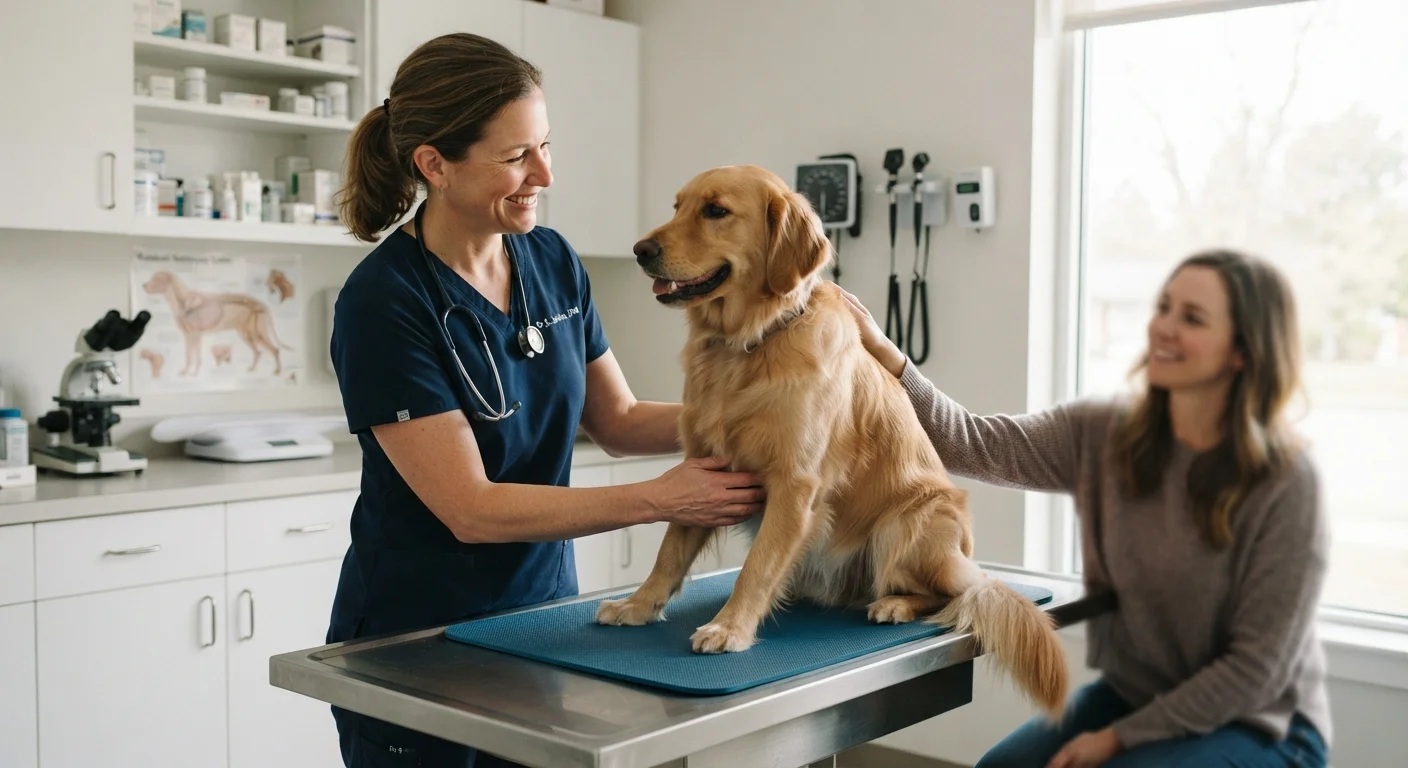
- Schedule routine wellness exams: Regular veterinary visits catch infections before they become established and keep vaccinations current. Preventive care visits are among the most cost-effective investments in your pet's - and your household's - health.
- Handle pet waste safely: Use gloves or a bag, dispose promptly, and wash hands afterward. For cat owners, clean the litter box daily - Toxoplasma oocysts require 1-5 days after shedding to become infectious, so prompt removal interrupts the transmission window.
- Be cautious with raw diets: Raw pet food carries documented Salmonella risk for both animals and the humans who handle it. If you feed a raw diet, follow safe food-handling practices similar to those used when handling raw poultry. See our balanced look at home-cooked and raw pet meals for more context.
- Avoid bites and scratches: Supervise animal-child interactions and teach children not to disturb pets while eating or sleeping. Clean any bite or scratch wound promptly and seek medical guidance if the wound is deep or if you are immunocompromised.
This article is for general informational purposes only and does not constitute medical or veterinary advice. Always consult a licensed healthcare provider for personal health concerns and a licensed veterinarian for your pet's care.