What 'Plant-Based' Actually Means
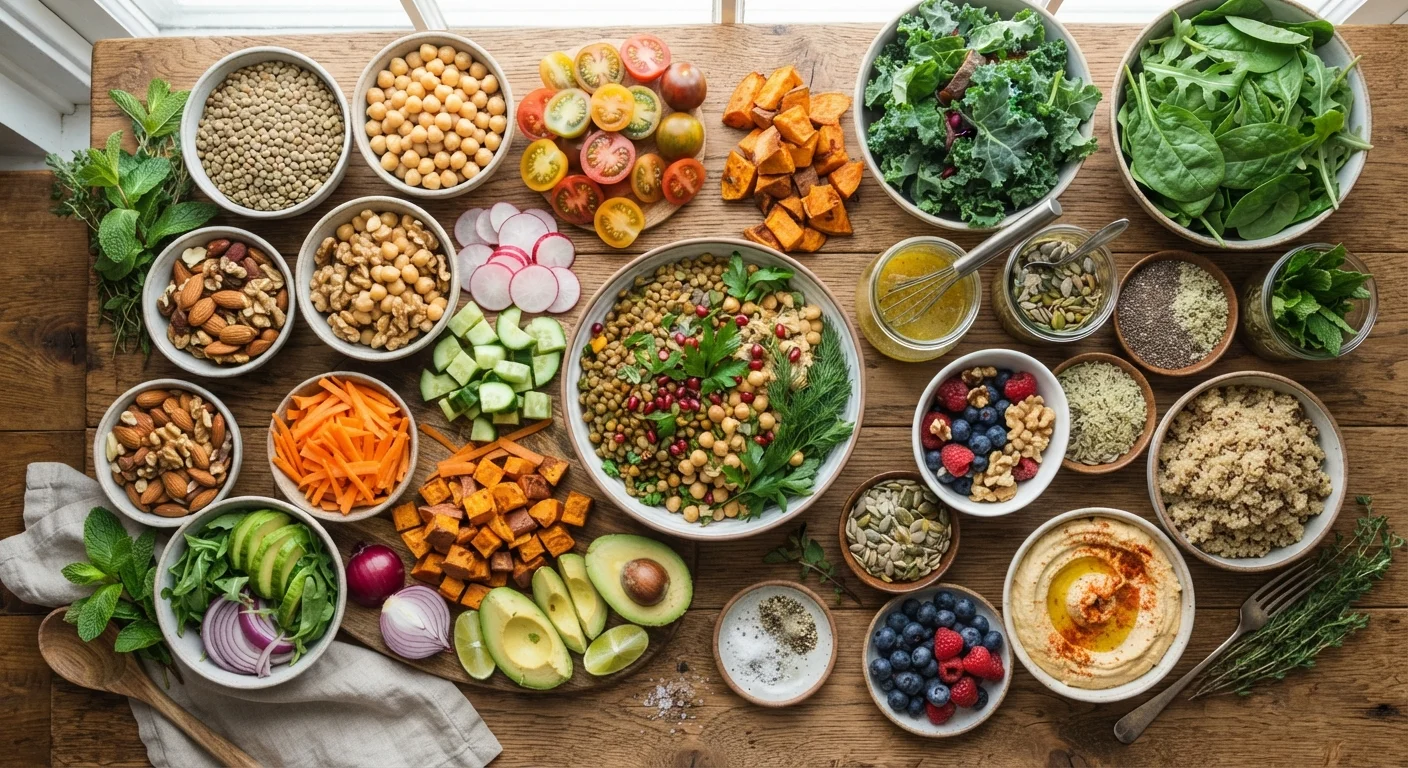
The term plant-based eating covers a wide spectrum. It can mean full veganism - eliminating all animal products - or simply shifting the balance of your plate so that vegetables, legumes, whole grains, fruits, nuts, and seeds take center stage. Most nutrition researchers use the phrase to describe a dietary pattern rather than a strict ruleset.
Understanding this flexibility matters, because the nutritional trade-offs differ significantly depending on how plant-forward you actually eat. Someone who adds two plant-based dinners per week faces very different planning challenges than someone eliminating all meat and dairy. This article focuses on the general principles that apply across the spectrum, while flagging where stricter approaches require extra care. For a grounding in how food categories work together, see building a balanced plate.
The Real Advantages
The evidence base supporting plant-forward diets is substantial and consistent across large observational studies and clinical trials.
Linked to lower heart disease risk
Diets rich in plants are consistently associated with lower LDL cholesterol, reduced blood pressure, and decreased cardiovascular event rates in large observational studies and clinical trials.
Supports healthy body weight over time
Plant-heavy diets tend to be higher in fiber and lower in caloric density, which promotes satiety. Multiple studies associate plant-forward eating with lower average body mass index compared to omnivorous diets.
Lower grocery costs with whole food staples
Dried legumes, canned beans, lentils, oats, and seasonal produce are among the most cost-effective foods available, making plant-based eating one of the more budget-friendly dietary approaches.
Reduced risk of type 2 diabetes
High fiber intake from whole plant foods improves insulin sensitivity and slows glucose absorption, and plant-based diets are associated with meaningfully lower rates of type 2 diabetes in long-term cohort studies.
High in protective fiber and antioxidants
Most Americans consume well below the recommended daily fiber intake. Shifting toward plants naturally closes that gap, supporting gut health, cholesterol management, and inflammation reduction.
Cost is a genuine and often underappreciated benefit. Dried lentils, canned beans, rolled oats, and seasonal produce are among the most affordable foods in any grocery store. For more on maximizing nutrition per dollar, affordable protein sources ranked by nutrition and cost is a practical reference.
The Nutritional Gaps to Plan Around
A plant-based diet is not automatically complete. Several nutrients are either absent from or poorly absorbed from plant foods, and ignoring them can lead to genuine deficiencies over time.
Vitamin B12 is absent from plant foods
B12 occurs naturally only in animal products. Those eating fully plant-based diets need fortified foods or a supplement to avoid deficiency, which can cause irreversible neurological damage if left unaddressed.
Plant iron is harder for the body to absorb
Non-heme iron from plants is less bioavailable than the heme iron in meat. Without strategic meal planning, iron deficiency is a genuine risk, particularly for premenopausal women and growing children.
Long-chain omega-3s (EPA and DHA) are scarce
Fatty fish is the primary dietary source of EPA and DHA. Plant foods contain ALA (found in flaxseed, walnuts), but the body converts only a small fraction to EPA and DHA, making algae-based supplements worth considering.
Calcium and vitamin D need deliberate sourcing
Removing dairy removes the most concentrated calcium sources in the typical American diet. Fortified plant milks, tofu made with calcium sulfate, and leafy greens can help, but intake needs monitoring.
Protein quality and completeness require attention
Most plant proteins are lower in one or more essential amino acids. Eating a variety of protein sources - beans, lentils, tofu, tempeh, whole grains - across the day addresses this without requiring rigid meal combining.
Highly processed plant products can be misleading
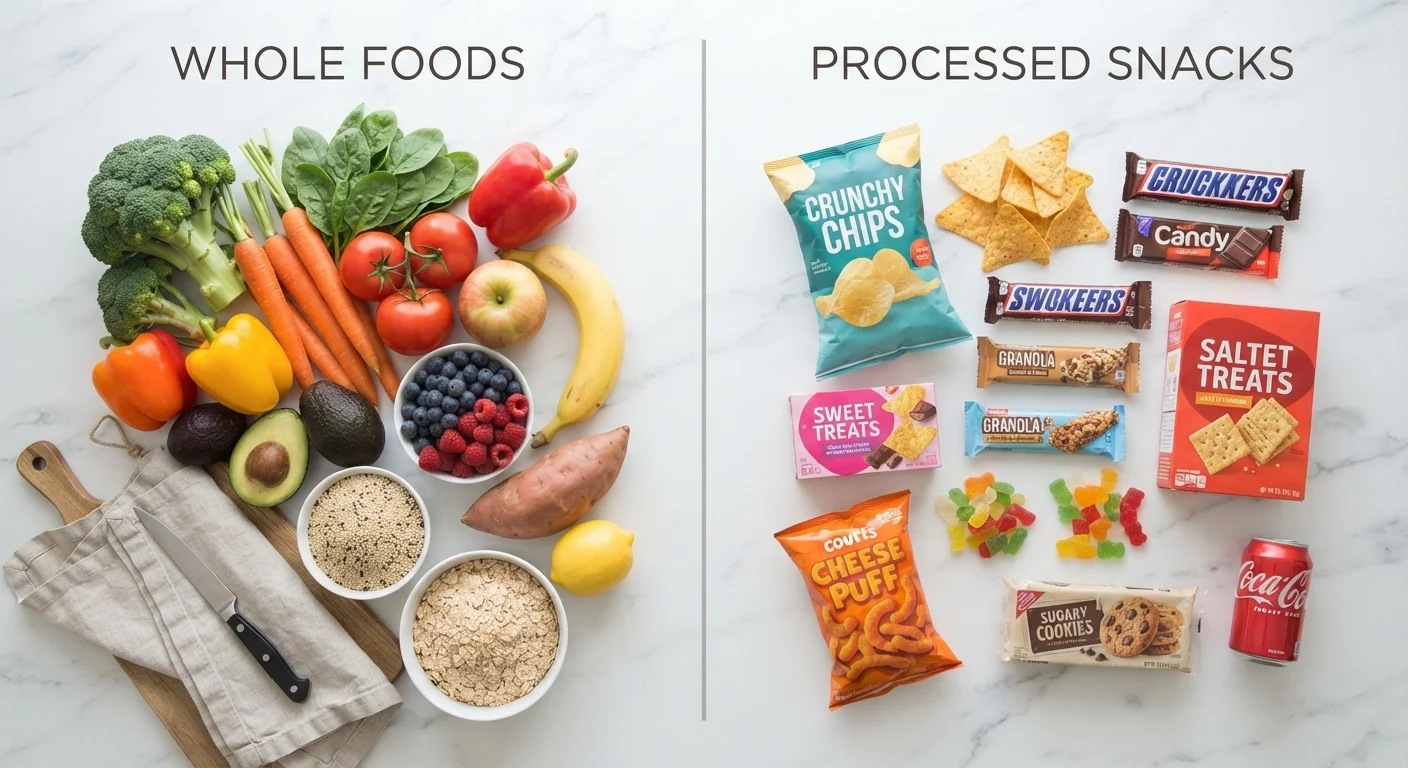
Many plant-based packaged foods are high in sodium, refined starches, and additives. The 'plant-based' label does not automatically indicate nutritional quality.
Special Populations Need Extra Care
Children, pregnant and breastfeeding individuals, older adults, and anyone with a chronic health condition face higher nutritional stakes when adopting a plant-based diet. Deficiencies in B12, iron, or calcium during pregnancy or early childhood can have serious developmental consequences. If any of these apply to you, consult a registered dietitian or physician before making significant dietary changes - general guidance is not sufficient for individual circumstances.
Understanding how whole and minimally processed plant foods compare to heavily refined options also matters here. Whole foods vs. processed foods explains why not all plant-based packaged products are nutritional equals.
Key Statistics on Plant-Based Diets
Research into plant-forward dietary patterns has grown substantially over the past two decades. The numbers below reflect findings from large-scale epidemiological studies and meta-analyses - they describe population-level associations, not guarantees for any individual.
~25%
Lower cardiovascular disease risk
A comprehensive review published in the Journal of the American Heart Association found vegetarian and vegan diets associated with approximately 25% lower risk of ischemic heart disease compared to omnivorous diets.
95%
Americans under daily fiber recommendations
According to the Dietary Guidelines for Americans, fiber is classified as a nutrient of public health concern, with the vast majority of Americans falling short of the recommended daily amount.
~23%
Lower type 2 diabetes risk
A meta-analysis in PLOS Medicine found plant-based dietary patterns associated with roughly 23% lower risk of type 2 diabetes compared to less plant-forward eating patterns.
This article is for general informational and educational purposes only and is not a substitute for personalized medical or nutritional advice. Consult a qualified healthcare professional or registered dietitian before making significant changes to your diet, especially if you have an existing health condition.
Practical Steps for Getting Started
Moving toward a more plant-forward diet doesn't require an overnight overhaul. A few targeted shifts can capture most of the benefits while keeping nutritional risks manageable.
- Start with swaps, not eliminations. Replace one or two meat-centered meals per week with legume-based dishes before making broader changes.
- Learn the gap nutrients. Vitamin B12, iron, calcium, zinc, vitamin D, and long-chain omega-3s (EPA and DHA) all need attention. Fortified foods and, where appropriate, supplements can help - but discuss specific needs with a healthcare provider.
- Combine strategically for iron. Pairing plant iron sources (beans, lentils, tofu, fortified grains) with vitamin C-rich foods improves absorption meaningfully.
- Read labels on plant-based packaged products. Many meat alternatives are high in sodium and low in fiber. Check the nutritious eating checklist for label-reading guidance.
- Consider professional guidance. A registered dietitian can assess your current intake and flag specific gaps before they become deficiencies - especially important for children, pregnant individuals, older adults, or anyone managing a chronic condition.