What 'Processed' Actually Means
The word "processed" is one of the most misunderstood terms in everyday nutrition conversation. Technically, any food that has been altered from its raw state - washed, cut, frozen, cooked, or packaged - has been processed. That definition is so broad it includes frozen blueberries, pasteurized milk, and canned chickpeas alongside candy bars and fast food.
Nutrition researchers commonly use a classification system called NOVA, developed by researchers at the University of São Paulo, which groups foods into four categories based on the degree and purpose of processing:
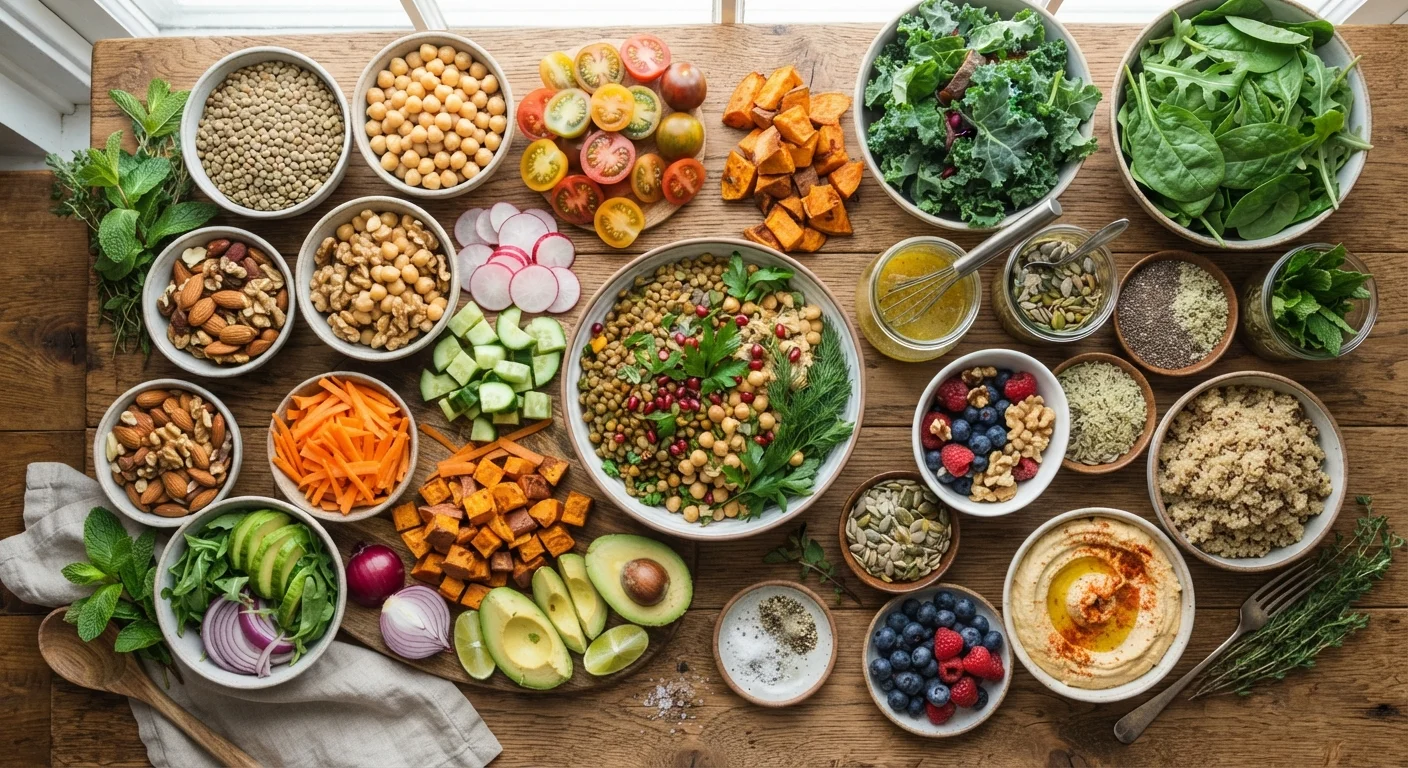
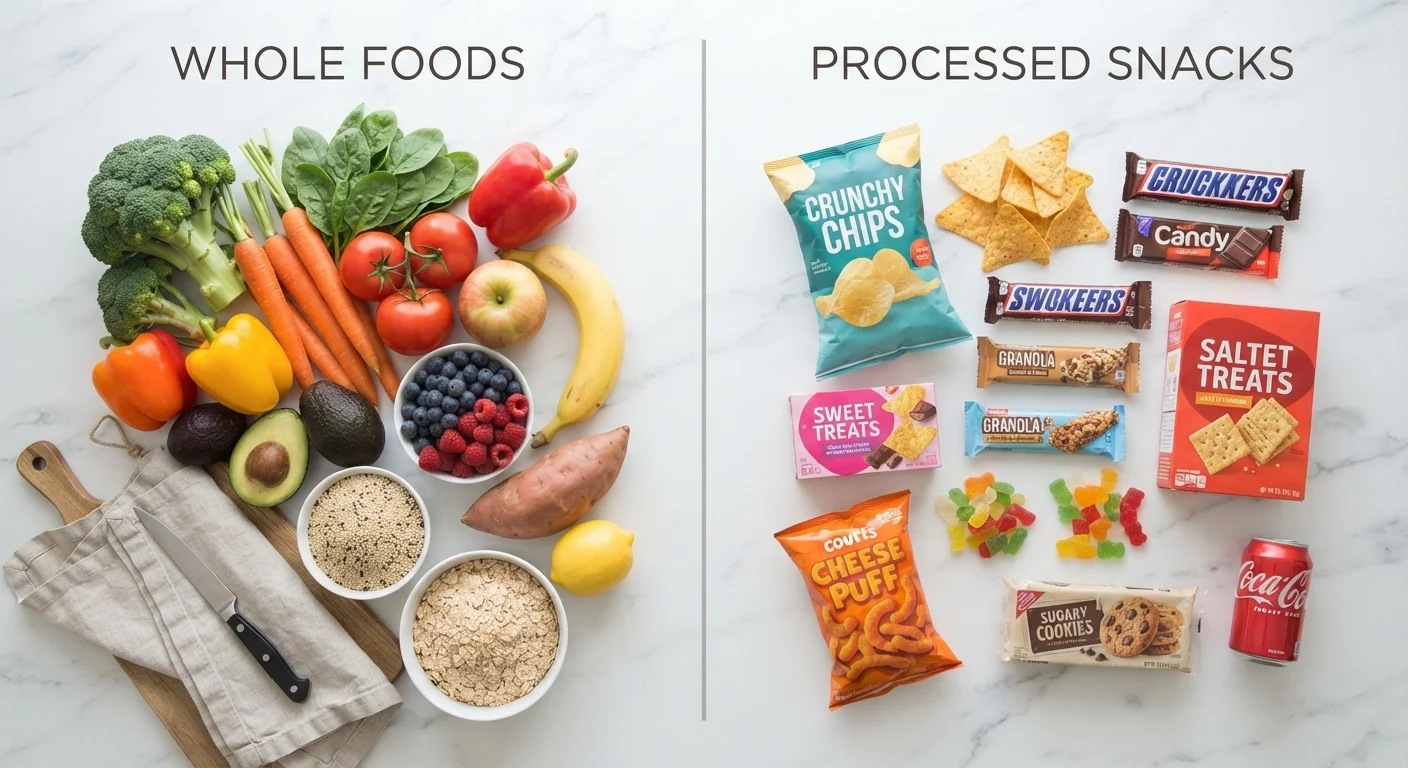
- Group 1 - Unprocessed or minimally processed: Whole fruits, vegetables, plain meat, eggs, legumes, plain nuts.
- Group 2 - Processed culinary ingredients: Oils, butter, flour, salt, sugar - used to prepare meals but not typically eaten alone.
- Group 3 - Processed foods: Canned fish, cheese, cured meats, bread - foods made by adding Group 2 ingredients to Group 1 foods.
- Group 4 - Ultra-processed foods: Soft drinks, packaged snack cakes, instant noodles, ready-to-eat meals with long ingredient lists of additives.
This spectrum matters because lumping Groups 1 through 4 together misleads people into avoiding nutritious, affordable options like canned beans or plain yogurt out of fear of the word "processed."
| Criterion | Whole Foods | Processed Foods |
|---|---|---|
| Definition | Unaltered or minimally altered from natural state | Spectrum from minimally to heavily modified |
| Fiber retention | Generally high | Decreases as processing increases |
| Micronutrient content | Typically preserved | Often reduced; sometimes fortified |
| Added sodium/sugar | None | Common in ultra-processed products |
| Shelf life | Usually short | Extended; often months or years |
| Cost | Variable; seasonal produce can be cheap | Often lower cost per serving |
| Convenience | Requires more prep time | Ready-to-eat or quick to prepare |
| Disease risk association | Linked to lower chronic disease risk | Ultra-processed linked to higher risk in studies |
Nutritional Trade-Offs Across the Spectrum
Whole and minimally processed foods tend to preserve more of the fiber, micronutrients, and phytochemicals that support long-term health. An apple, for instance, contains its pectin fiber intact; apple juice typically does not. Brown rice retains its bran layer and associated B vitamins; white rice has had those removed through milling.
Ultra-processed foods, by contrast, are typically designed for palatability and shelf stability - often at the cost of fiber and micronutrients, while adding sodium, added sugars, and refined starches. Population-based research published in journals like The BMJ and JAMA Internal Medicine has consistently found associations between high ultra-processed food consumption and elevated risks of obesity, type 2 diabetes, cardiovascular disease, and some cancers. These are associations, not guaranteed individual outcomes - but the pattern across large studies is consistent enough to be taken seriously.
That said, not all processing diminishes nutrition. Freezing vegetables at peak ripeness often preserves nutrients as well as - or better than - fresh produce that has traveled long distances. Canned tomatoes provide concentrated lycopene, an antioxidide compound, in a form the body may absorb more readily than raw. Context and degree of processing matter more than processing itself. For a related lens on how food choices intersect with ingredient sourcing, see our guide to added vs. natural sugars.
~57%
Share of US calories from ultra-processed foods
A study published in BMJ Open (2016) estimated that ultra-processed foods made up approximately 57.9% of calories in the average American diet.
4 groups
NOVA food processing classification levels
The NOVA system, developed by researchers at the University of São Paulo, classifies all foods across four tiers of processing for research and policy use.
10%+
Increased all-cause mortality risk
A 2019 JAMA Internal Medicine study found each 10-percentage-point increase in ultra-processed food consumption was associated with a 14% higher all-cause mortality risk.
How to Apply This in a Real Grocery Budget
A practical approach doesn't require buying exclusively fresh, organic produce. It means learning to distinguish minimally processed from ultra-processed, and prioritizing the former when possible.
Strategies that work for budget-conscious shoppers:
- Use whole grains - rolled oats, brown rice, whole wheat bread - as meal foundations. These are affordable and minimally processed.
- Treat canned and frozen produce as nutritional equals to fresh for most cooking purposes. Look for versions without added salt or sugar.
- Read ingredient lists rather than front-of-package claims. Short lists with recognizable ingredients signal minimal processing. Long lists with emulsifiers, artificial flavors, and multiple sugar types signal ultra-processing.
- Reserve ultra-processed foods for occasional use rather than meal staples.
Eating patterns built predominantly around whole and minimally processed foods align with both mainstream dietary guidelines and decades of nutritional epidemiology. If you're exploring a plant-forward version of this approach, our plant-based eating trade-offs overview covers the specific nutritional gaps to plan around.
This article is for general informational and educational purposes only and is not a substitute for professional medical or dietary advice. Consult a registered dietitian or qualified healthcare provider before making significant changes to your diet, especially if you have a medical condition.