Where Sodium Actually Comes From
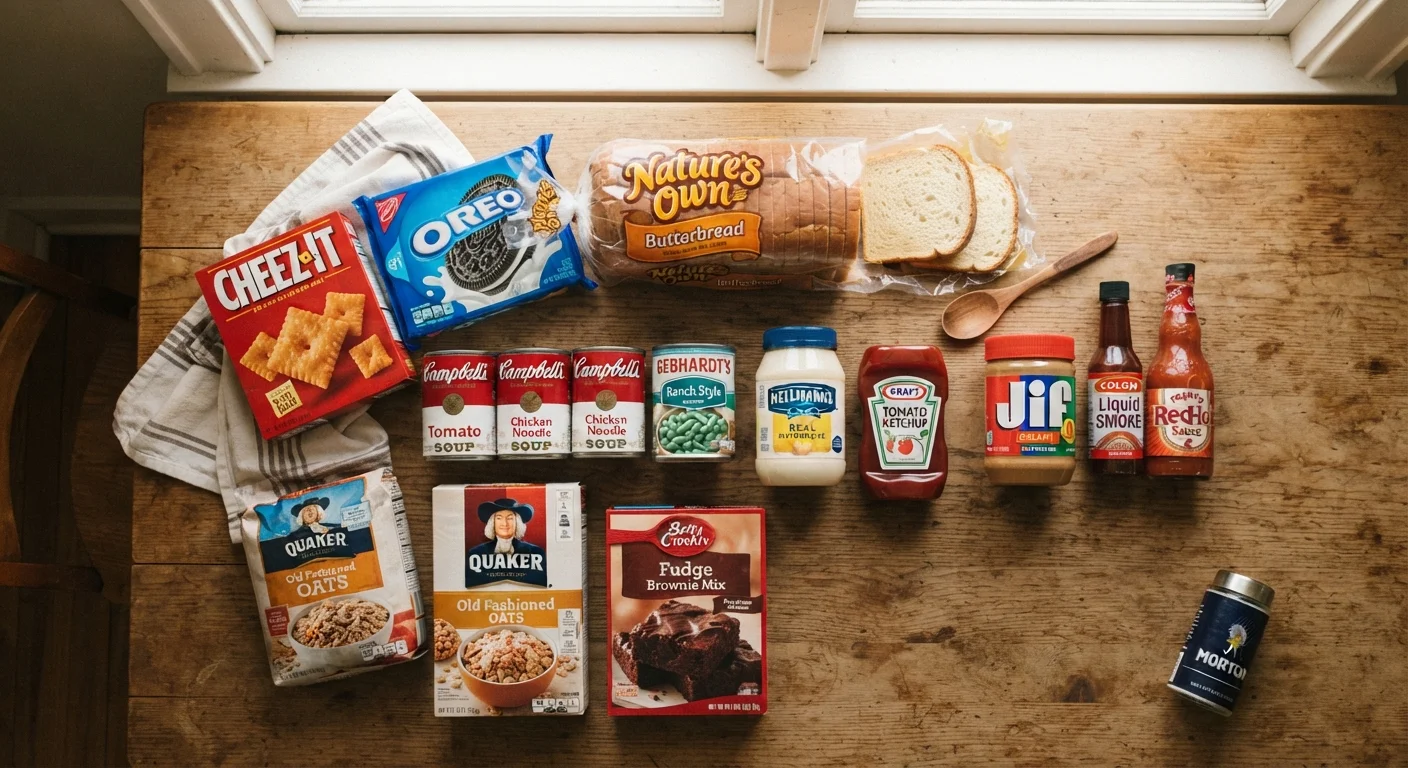
Many people assume their sodium intake is tied to how freely they use the saltshaker. In reality, home-added salt accounts for a small fraction of what most Americans eat. According to the U.S. Centers for Disease Control and Prevention (CDC), roughly 70% of dietary sodium comes from processed, packaged, and restaurant foods - products where sodium is added during manufacturing, often in amounts that are invisible until you check the label.
The foods contributing most to sodium intake may surprise you. Bread and rolls rank consistently at the top - not because any single serving is outrageously high, but because Americans eat them multiple times a day. Pizza, cold cuts, canned soups, poultry products, sandwiches, and cheese round out the leading sources. A single fast-food meal can easily deliver an entire day's worth of sodium in one sitting.
3,400 mg
Average daily sodium intake for U.S. adults
According to the CDC, the average American adult consumes approximately 3,400 mg of sodium per day - nearly 50% above the 2,300 mg general guideline.
~70%
Sodium from packaged and restaurant food
The CDC estimates that about 70% of dietary sodium for Americans comes from processed and restaurant foods, not home cooking or the saltshaker.
2,300 mg
Recommended daily upper limit for most adults
The U.S. Dietary Guidelines for Americans set 2,300 mg per day as the general upper limit for sodium intake for adults.
Understanding the Numbers on a Nutrition Label
Sodium is listed in milligrams (mg) on the Nutrition Facts label of packaged foods, along with a % Daily Value (%DV) based on 2,300 mg. A quick rule of thumb: 5% DV or less per serving is considered low; 20% DV or more per serving is considered high.
Pay attention to serving size. A can of soup labeled "2 servings" doubles the sodium count if you eat the whole can - a common scenario. Comparing sodium across similar products is one of the fastest, most budget-friendly ways to reduce intake without changing what you eat entirely.
Quick Label Check Before You Buy
When comparing two similar packaged products, look at sodium per serving and check whether the serving sizes match. A product with 15% DV sodium per serving versus one with 8% DV is a simple, meaningful difference you can spot in seconds. Over dozens of purchases a week, these small choices accumulate into a noticeably lower sodium pattern.
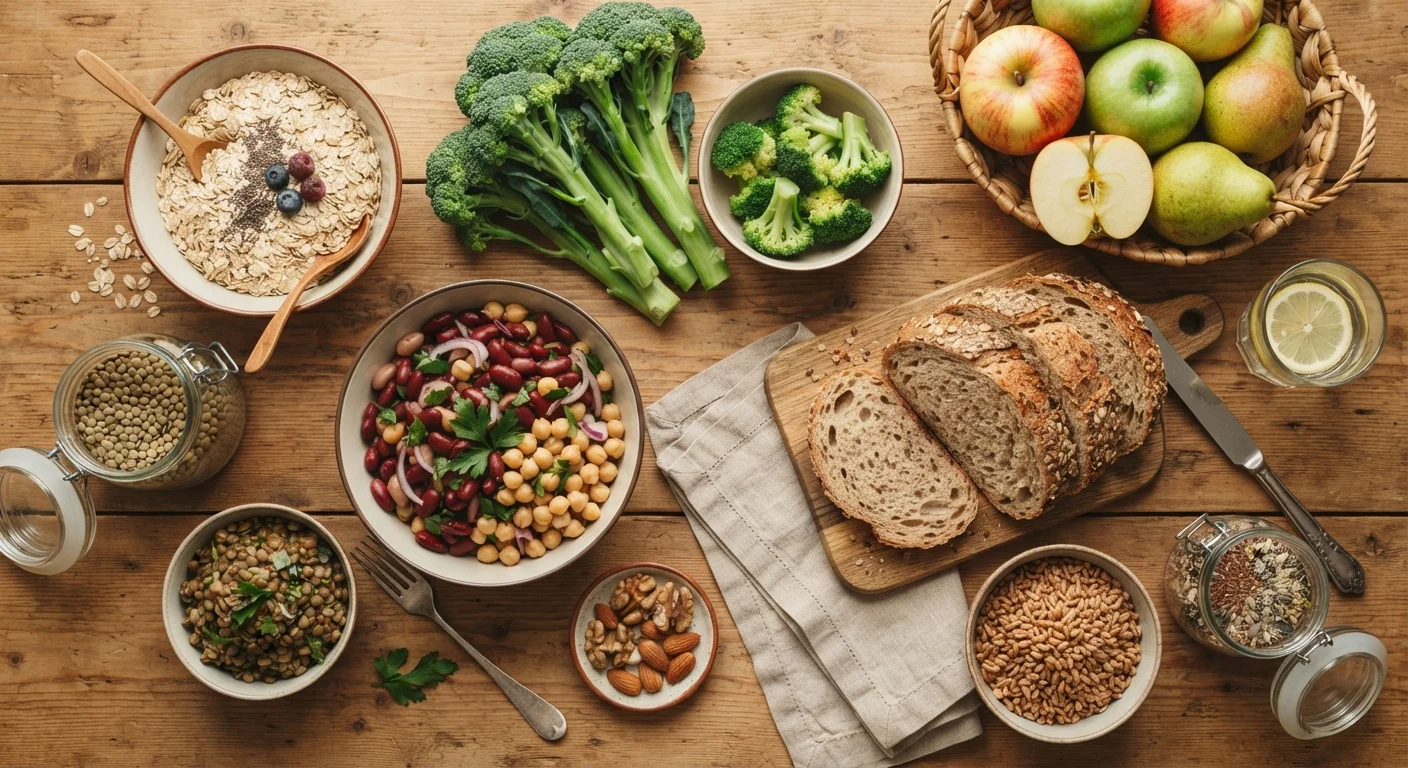
For shoppers looking to fill their plates with more nutrient-dense, lower-processed options, understanding labels pairs well with learning about other key nutrients. Fiber is another nutrient most Americans fall short on, and prioritizing it often naturally shifts the diet toward lower-sodium whole foods.
What General Guidance Says - and Why It Matters
The U.S. Dietary Guidelines for Americans recommend that most adults consume fewer than 2,300 mg of sodium per day. The American Heart Association suggests an even lower target - around 1,500 mg - for people with elevated cardiovascular risk. Most American adults currently consume an estimated 3,400 mg per day on average, well above either threshold.
High sodium intake is associated with elevated blood pressure, which in turn is a major risk factor for heart disease and stroke - two of the leading causes of death in the United States. The relationship is not uniform: some individuals are more "salt sensitive" than others, meaning their blood pressure responds more sharply to sodium changes. This is why personal medical guidance matters.
“Reducing sodium intake is one of the most important dietary changes Americans can make to protect their heart health. The good news is that even modest reductions - without reaching a very low-sodium diet - can have a meaningful impact on blood pressure at the population level.”
— CDC Division for Heart Disease and Stroke Prevention, U.S. Centers for Disease Control and Prevention, public health guidance
This article provides general nutrition information and is not a substitute for personalized medical advice. If you have questions about sodium intake and your health, consult a qualified healthcare professional.
Practical Ways to Reduce Sodium Without Overhauling Your Diet
Meaningful sodium reduction doesn't require an expensive overhaul or giving up foods you enjoy. Small, consistent label-reading habits and a few ingredient swaps can add up significantly over time:
- Choose "no salt added" or "reduced sodium" versions of canned beans, tomatoes, and broths - they typically cost the same as standard versions.
- Season with herbs and spices - garlic, cumin, paprika, and citrus can deliver bold flavor without any sodium.
- Rinse canned beans and vegetables before use; this simple step can remove a portion of added sodium.
- Cook more at home - even basic home cooking gives you direct control over how much sodium goes into a dish.
- Watch condiments - soy sauce, teriyaki sauce, and ketchup can add hundreds of milligrams per tablespoon.