What Bundling Actually Means in Practice
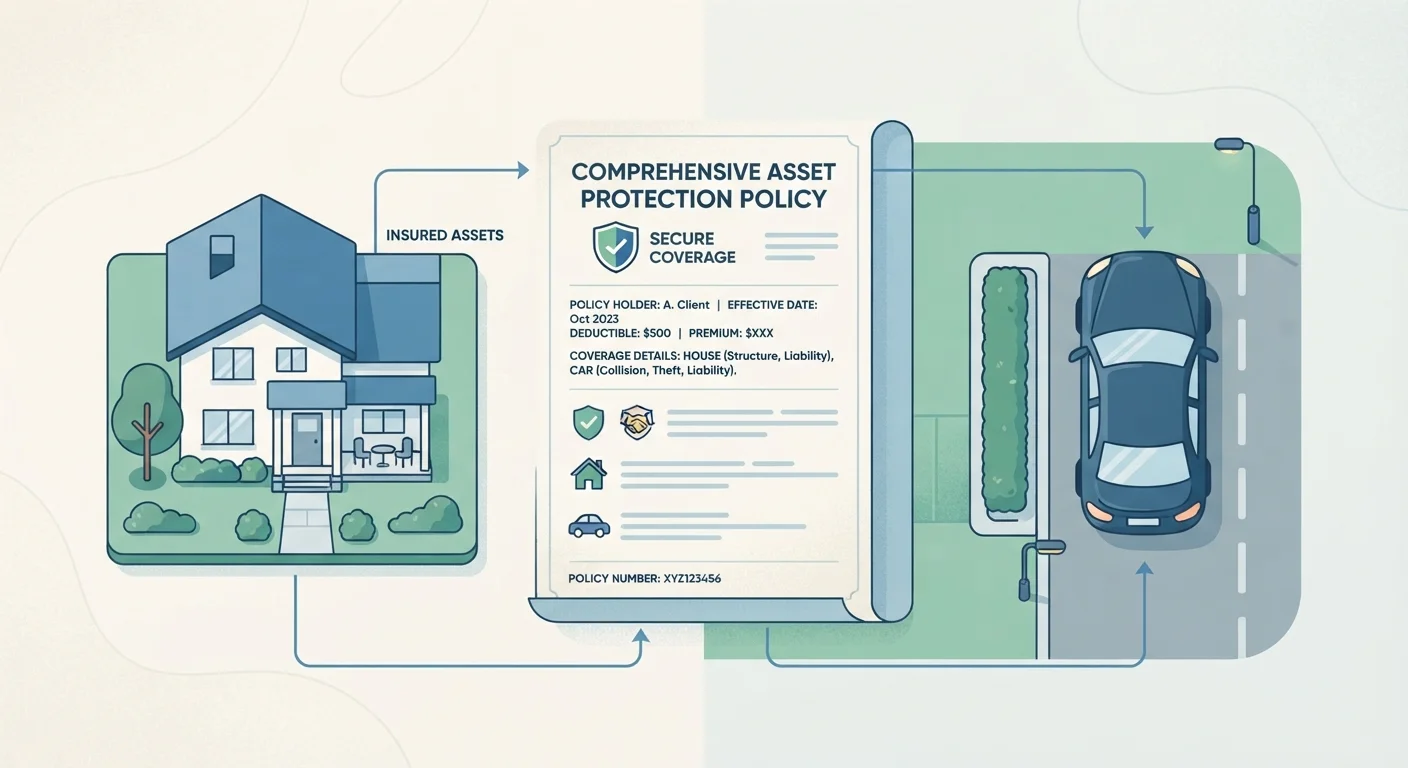
When an insurer offers a bundling discount, they are essentially pricing your combined business as more valuable than each policy sold separately. From their perspective, a customer with two policies is less likely to leave and represents predictable, recurring revenue. That loyalty value gets passed back to you-partially-as a lower premium.
The most common bundle is home plus auto, but many carriers also combine renters, life, umbrella, motorcycle, or boat policies under one multi-line discount. The discount structure differs: sometimes it's a flat percentage off each policy, sometimes only one policy is discounted, and sometimes the savings are embedded invisibly in adjusted base rates rather than listed as a line-item reduction.
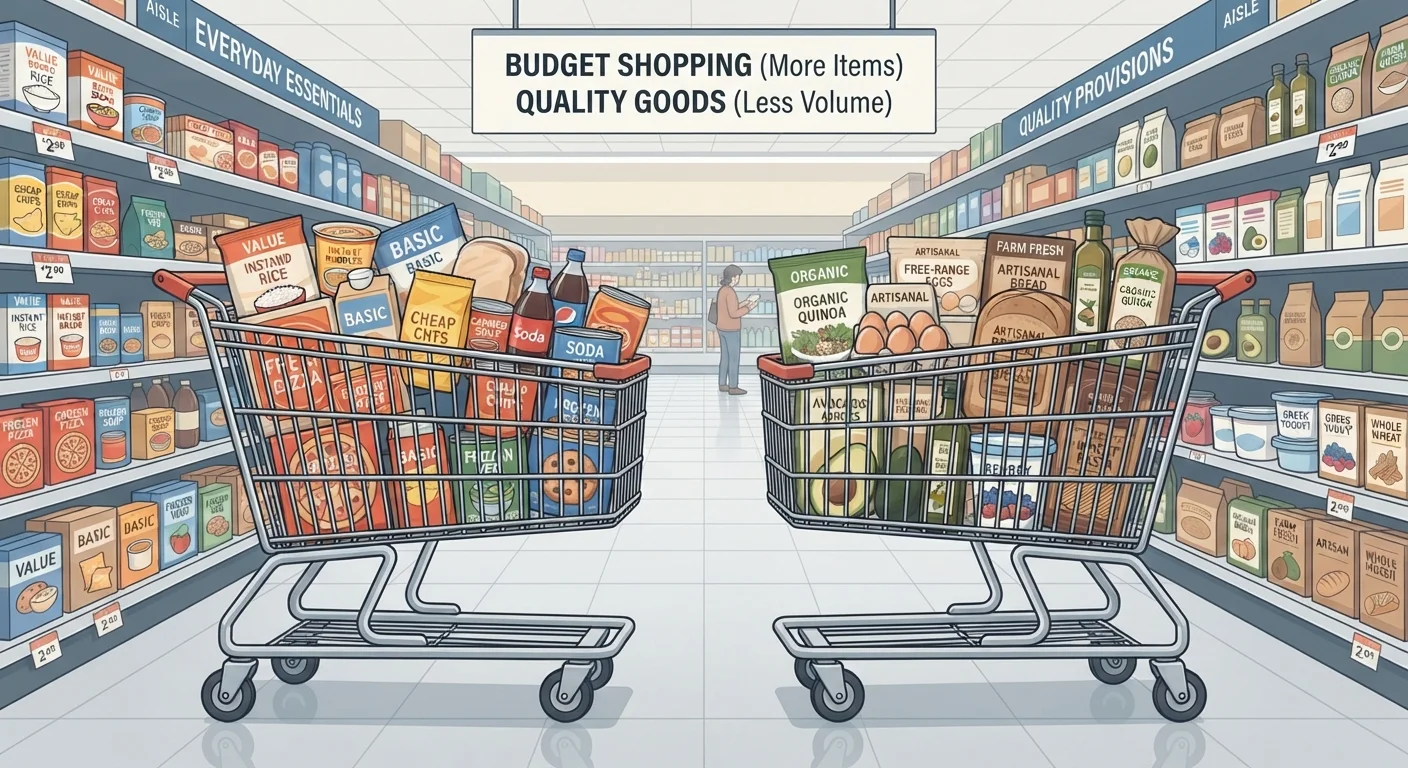
This is worth understanding because it affects how you evaluate the offer. A prominently advertised "15% bundle discount" sounds clear-cut, but if the insurer's base rate for your auto policy is already higher than competitors, the net price after the discount may still exceed what you'd pay elsewhere. As our guide on why cheap insurance can be the most expensive choice explains, headline numbers don't always reflect the full picture.
When Bundling Genuinely Saves Money
Bundling tends to produce real savings when your insurer happens to be competitive on both policy types for your specific risk profile. Several factors work in your favor:
- Similar risk characteristics: If your credit score, claims history, and property profile make you a low-risk customer, more insurers will compete for your business, and a bundle with a competitive carrier can deliver genuine savings on both fronts.
- Geographic pricing: In some states and zip codes, certain insurers have more favorable actuarial data and can offer aggressive multi-line pricing. Regional carriers sometimes outperform national ones in these markets.
- Simplified claims and billing: Even when the pure dollar savings are modest, managing one account, one renewal date, and one claims contact has real practical value-particularly during stressful events like a car accident that also damages your property.
5-25%
Typical bundling discount range
Industry sources and state insurance department filings indicate multi-policy discounts commonly fall in this range, though actual savings depend on the carrier and individual risk profile.
~1 in 3
Policyholders who re-shop annually
Consumer surveys on insurance shopping behavior consistently find that most policyholders do not compare quotes every year, leaving potential savings unclaimed.
2+
Policies needed to qualify for most bundles
The majority of multi-policy discounts require at least two active policies with the same insurer to trigger the discount.
Bundling also pairs naturally with a broader financial protection strategy. If you are working to build a safety net, consolidating and controlling insurance costs is one lever worth pulling-alongside emergency savings and appropriate coverage levels. See how emergency funds and insurance work together for context on structuring that protection.
When Bundling Can Mislead You
The scenarios where bundling underdelivers are more common than most people expect.
First, insurers are not uniformly competitive across all policy types. A carrier with excellent auto rates may write homeowners coverage at a premium, or vice versa. Accepting a bundle locks you into both products at their respective rates, and the discount may not offset the rate gap on the weaker policy.
Second, bundling can reduce the urgency to comparison-shop. Convenience is comfortable, and over several renewal cycles, policyholders who never re-quote their coverage can drift significantly above market rates. This dynamic mirrors the broader principle that a lower price tag doesn't always mean a better deal-the bundle discount can feel like savings while the underlying pricing quietly erodes value.
Third, your circumstances change. A home renovation, a new teen driver, or a move to a different zip code can shift which insurer prices your risk most favorably. A bundle that made sense two years ago may no longer be the most cost-effective option.
Run the Numbers Every Renewal Season
Set a calendar reminder two to four weeks before each policy renewal date. Use that window to request at least two competing quotes using identical coverage parameters. Even if you ultimately stay with your current bundle, you will know whether you are still getting fair value-or whether it is time to renegotiate or switch.
How to Evaluate a Bundle Before You Commit
The evaluation process is straightforward but requires legwork:
- Get a bundled quote from your current or prospective insurer, broken down by policy.
- Get individual quotes for each policy type from at least two other carriers. Use the same coverage limits and deductibles to make comparison valid.
- Add the totals. Compare the bundled annual premium against the combined cost of the best individual quotes.
- Factor in non-price considerations. Claims handling reputation, customer service quality, and financial stability ratings (available from independent rating agencies) matter alongside premium cost.
- Reassess annually. Set a reminder to re-quote at each renewal. Market conditions and your own risk profile both shift over time.
This exercise fits naturally within a broader budgeting habit. Tracking what you spend on recurring insurance premiums-and auditing them periodically-is part of the financial hygiene covered in our budgeting basics hub. You may also want to review how insurance riders can expand or clutter a policy to ensure any bundled package doesn't include coverage you don't actually need.
This article is for general informational purposes only and does not constitute personalized insurance, financial, or legal advice. Insurance terms, coverage, pricing, and eligibility vary by provider, state, and individual circumstances. Consult a licensed insurance agent or adviser before making decisions about your coverage.