What Each Tool Actually Does
An emergency fund is a pool of liquid savings - typically held in a basic savings account - set aside exclusively for unplanned expenses. Think: a busted water heater, a car transmission, or a few weeks of lost income. It's money you control completely, accessible without paperwork, waiting periods, or approval processes.
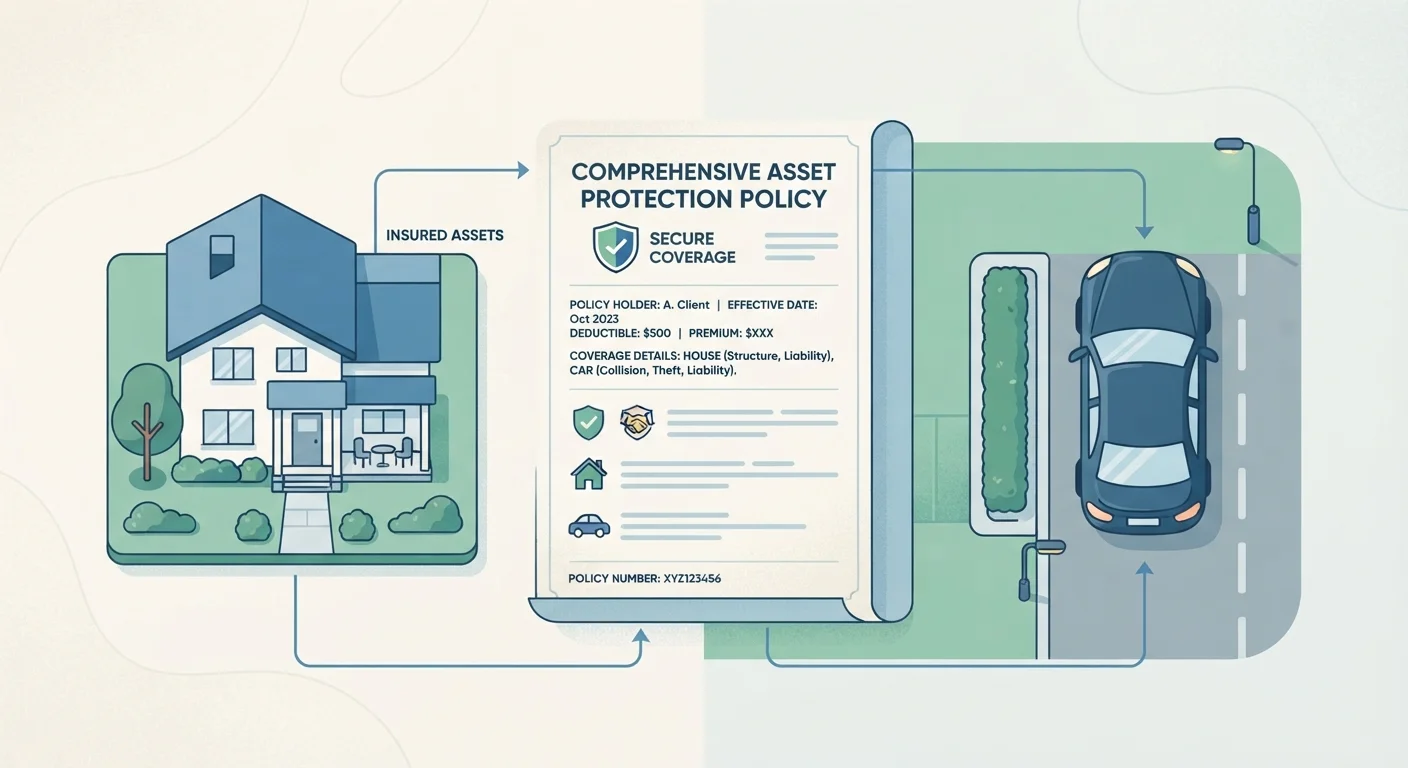
Insurance is a contractual risk-transfer arrangement. You pay a regular premium; in exchange, a licensed insurer agrees to cover losses that meet the policy's defined conditions - up to specified limits, minus your deductible. It doesn't build wealth; it prevents catastrophic loss.
The key distinction is magnitude and frequency. Emergency funds absorb frequent, moderate hits. Insurance absorbs infrequent, enormous ones. For a deeper look at how the two systems interlock, see this end-to-end guide on savings and insurance together.
| Criterion | Emergency Fund | Insurance |
|---|---|---|
| Primary purpose | Cover frequent, manageable expenses | Transfer risk of catastrophic losses |
| Cost structure | Your own saved money | Regular premiums to an insurer |
| Access speed | Immediate - no approval needed | Subject to claims process and review |
| Coverage ceiling | Limited to what you've saved | Up to policy limits (often $100K+) |
| Flexibility | Use for any expense, any reason | Restricted to covered events in policy |
| Impact on net worth | Builds and preserves net worth | Preserves net worth; no asset accumulation |
| Best for | Job loss, minor repairs, co-pays | House fire, major illness, liability |
The Risks of Relying on Only One
Households that skip insurance and rely entirely on savings are betting that nothing catastrophic will happen. A single uninsured house fire or serious medical event can cost hundreds of thousands of dollars - a figure no realistic emergency fund can absorb. This is the core reason insurance exists.
Conversely, households that carry insurance but maintain no savings face a different trap: the deductible gap. If your auto deductible is $1,500 and you have nothing saved, even a fender-bender forces you into credit card debt or a personal loan. Insurance doesn't help until losses exceed the deductible threshold.
There's also a timing problem. Insurance claims take time - adjusters, paperwork, disputed valuations. Cash covers expenses now, before the claim resolves. The two tools genuinely fill different windows of vulnerability.
~40%
Americans who can't cover a $400 emergency
The Federal Reserve's Report on the Economic Well-Being of U.S. Households has consistently found that a significant share of adults would struggle to cover a $400 unexpected expense without borrowing.
3-6 months
Recommended emergency fund target
Most financial education resources, including CFPB guidance, suggest saving three to six months of essential living expenses as a baseline emergency fund.
$1,000+
Average auto insurance deductible chosen
Policyholders with higher deductibles generally pay lower premiums - but need sufficient liquid savings to cover that out-of-pocket amount when a claim arises.
How They Work Together Strategically
Once you've built a solid emergency fund - generally three to six months of essential expenses is the widely cited benchmark - you gain a meaningful lever on insurance costs. With liquid savings available to cover a higher deductible, you can often reduce your premiums by choosing a higher out-of-pocket threshold. This is a concrete way the two tools create a feedback loop, each making the other more effective.
For planned, predictable costs that fall outside a true emergency - annual car registration, holiday spending, appliance replacement - neither an emergency fund nor insurance is the right tool. That's where sinking funds fit: dedicated savings buckets for known future expenses that protect your emergency fund from being drained by non-emergencies.
Thinking about bundling or adjusting your coverage to trim premiums? Bundling insurance policies can reduce costs, but the math depends on your specific situation - always compare line by line.
Building Both on a Tight Budget
The most common objection is affordability: "I can't save and pay premiums at the same time." In reality, skipping either creates a bigger financial risk than the cost of maintaining both.
A practical sequence for people starting out:
- Secure minimum required insurance first (auto liability where legally required; renter's or homeowner's if applicable).
- Build a starter emergency fund of around $1,000 before pursuing other financial goals.
- Reassess insurance deductibles and coverage levels as your savings grow.
- Expand your emergency fund toward three to six months of core expenses over time.
If income is stretched, building a savings safety net on a tight budget covers realistic, incremental steps for making progress without requiring a large initial surplus.
Once your safety net is in place, a periodic review helps ensure both your fund size and coverage levels still match your life. A structured annual financial check-up is a useful habit for catching gaps before they become costly.
This article is for general informational purposes only and does not constitute personalized financial, insurance, or legal advice. Consult a licensed financial adviser or insurance professional regarding your specific situation.