Obligate Carnivores: What That Actually Means
The phrase obligate carnivore is more than a dietary preference - it describes a fundamental biological reality. Unlike dogs, who evolved as omnivores capable of extracting nutrition from both animal and plant sources, cats evolved in environments where prey was the only reliable food source. Their metabolism is built around that assumption.
In practical terms, this means several nutrients that other species synthesize internally are simply not produced by cats at all. They must come from food - specifically, animal tissue. A diet that is nutritionally adequate for a dog, or even a human, can cause serious illness in a cat over time.
This distinction matters most when owners try to economize by sharing food across pets, or by choosing plant-heavy cat foods. It also explains why vegetarian or vegan diets for cats require extremely careful supplementation and ongoing veterinary monitoring. For a broader look at how nutritional science applies across pets, see the Pet Health Basics hub.
Obligate carnivore
An animal that must eat meat to survive because its body cannot produce certain essential nutrients on its own - it has to get them from animal tissue.
Taurine
An amino acid that cats cannot synthesize in adequate amounts and must consume through food. Deficiency leads to heart disease and vision loss.
AAFCO
The Association of American Feed Control Officials - a body that sets the nutritional standards used to define whether a pet food is 'complete and balanced' for a given life stage.
Guaranteed analysis
The section of a pet food label showing minimum levels of protein and fat and maximum levels of fiber and moisture, expressed as percentages.
Arachidonic acid
An essential fatty acid that cats cannot make from plant-based fats. They must obtain it from animal fat sources in their diet.
Dilated cardiomyopathy
A serious heart condition in which the heart muscle weakens and enlarges. In cats, it is strongly linked to taurine deficiency.
Taurine, Arginine, and Nutrients Cats Cannot Make Themselves
Two amino acids are particularly critical to understand: taurine and arginine. Most mammals manufacture taurine from other amino acids. Cats cannot do this in meaningful amounts, so every meal must supply it directly. Taurine deficiency causes dilated cardiomyopathy (a serious heart condition) and central retinal degeneration, which can lead to blindness. Both conditions are preventable with an adequate diet.
Arginine deficiency can cause dangerous ammonia buildup in the blood within hours of a single arginine-free meal - an extreme illustration of how tightly feline metabolism depends on dietary amino acid supply.
Beyond amino acids, cats also cannot convert beta-carotene into vitamin A the way dogs and humans can. They require preformed vitamin A from animal sources such as liver. Similarly, cats cannot synthesize enough arachidonic acid (an essential fatty acid) and require it from animal fat. Commercial cat foods formulated to AAFCO standards account for all of these needs.
Check the AAFCO Statement First
Before evaluating any other aspect of a cat food, find the AAFCO nutritional adequacy statement on the label. If the food says 'complete and balanced' for your cat's life stage, it meets established minimum nutritional standards. This single check eliminates many nutritionally inadequate products regardless of price or marketing language.
Moisture and the Feline Urinary System
Cats descended from desert-dwelling ancestors who obtained most of their water from prey tissue. As a result, cats have a relatively low thirst drive compared to dogs - they simply do not drink water as readily when it is available separately from food. This is not a behavioral quirk; it reflects how their kidneys evolved to concentrate urine efficiently under low-water conditions.
The problem is that modern domestic cats, especially those fed exclusively dry kibble, may be in a chronic mild state of dehydration. Over time, this contributes to urinary tract issues including crystal formation, urinary blockages (particularly dangerous in male cats), and chronic kidney disease - one of the leading causes of illness in older cats.
Wet food, which typically contains 70-80% moisture compared to roughly 10% in dry kibble, is one practical way to increase water intake. It does not have to replace dry food entirely, and budget-conscious owners can mix formats. Adding a separate water fountain can also encourage drinking. For more on how a cat's environment affects its health, see setting up a safe space for a new cat.
Hydration Needs Vary by Individual Cat
Some cats adapt reasonably well to dry-food-only diets and drink enough water to compensate, while others are at higher risk for urinary issues. Cats with a history of urinary crystals, kidney disease, or diabetes generally benefit most from increased dietary moisture. Discuss your cat's specific hydration needs with your veterinarian rather than applying a one-size-fits-all approach.
Reading a Cat Food Label: What Actually Matters
Cat food labels carry a lot of information, but not all of it is equally meaningful. The most important thing to look for is the AAFCO nutritional adequacy statement. This line confirms whether the food meets established minimum standards for a specific life stage - adult maintenance, growth (kittens), or all life stages.
After confirming that, check the ingredient list with realistic expectations. Ingredients are listed by weight before processing, so a meat listed first may shrink significantly after moisture is removed. The guaranteed analysis panel shows minimum protein and fat and maximum fiber and moisture - useful for comparing formats but not a complete nutritional picture.
High price does not guarantee superior nutrition, and a modest-priced food with an AAFCO complete-and-balanced statement from a manufacturer with quality control practices can serve a cat well. For a deeper look at labels and life-stage feeding, see Pet Food Nutrition from First Bag to Daily Routine.
Common Feeding Mistakes and How to Avoid Them
Even well-intentioned owners make feeding errors that can affect a cat's long-term health. The most common include:
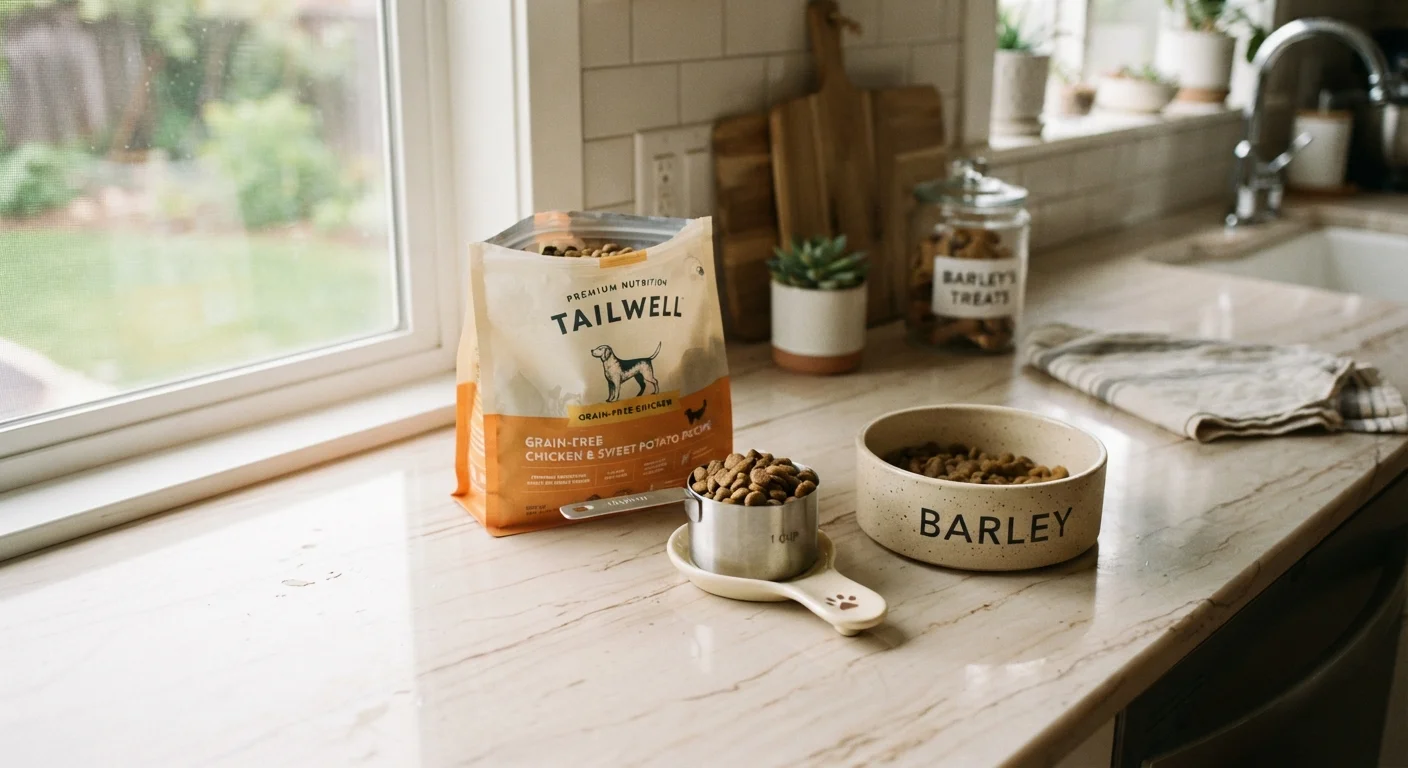
- Feeding dog food regularly: Dog food is not formulated to include taurine, preformed vitamin A, or arachidonic acid at cat-appropriate levels. It cannot substitute for cat food.
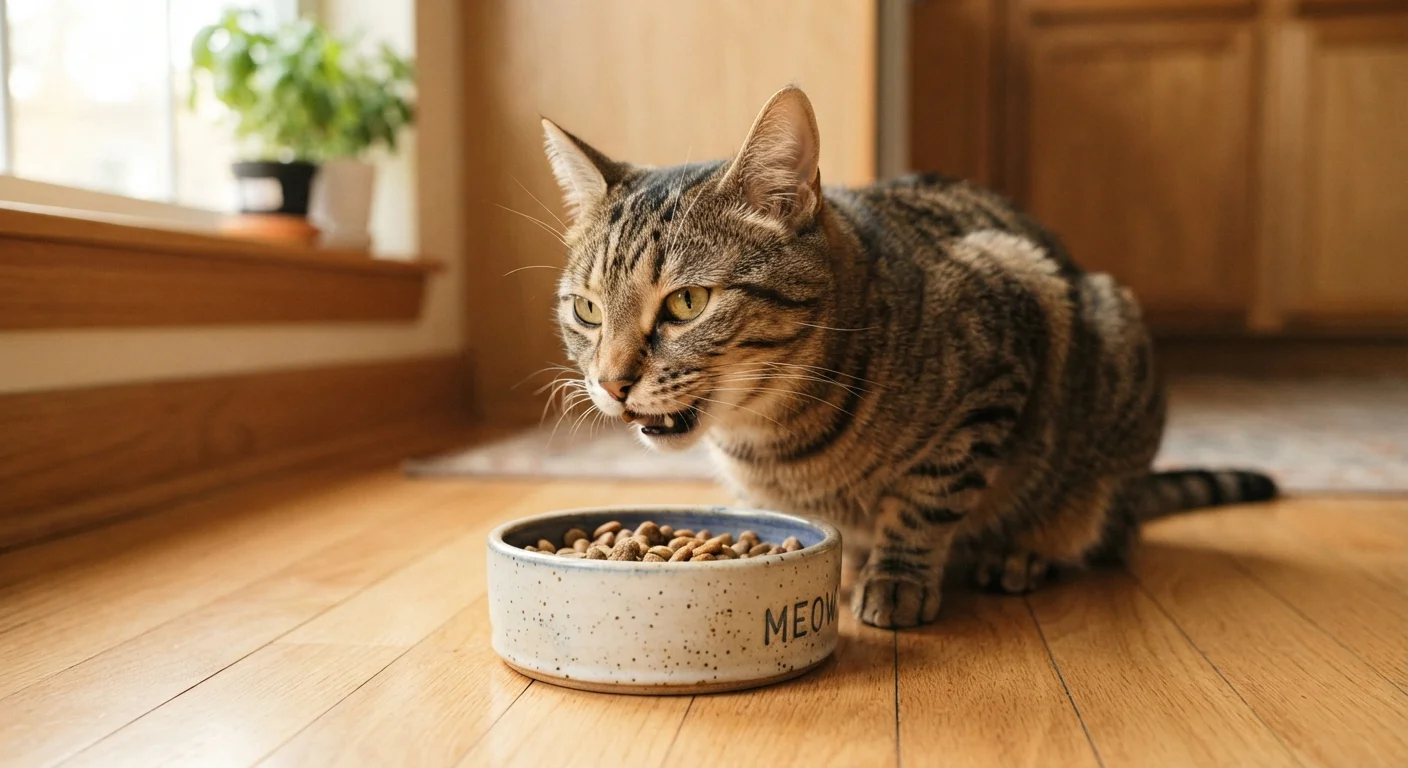
- Free-feeding dry kibble without monitoring intake: Cats who graze unrestricted often become overweight, which increases the risk of diabetes, joint problems, and fatty liver disease.
- Ignoring life stage: Kittens need more protein, fat, and certain minerals than adults. Senior cats may need adjusted phosphorus levels to support aging kidneys. Life-stage appropriate foods address these differences.
- Switching foods abruptly: A sudden food change commonly causes digestive upset. Transition gradually over 7-10 days by mixing increasing proportions of the new food with the old.
Many popular beliefs about cat nutrition do not hold up to scrutiny. For a veterinarian-informed look at some persistent myths, see Pet Nutrition Myths That Veterinarians Hear All the Time.
This article is for general informational and educational purposes only and is not a substitute for veterinary advice. Always consult a licensed veterinarian regarding your cat's specific health, diet, or medical needs.
Never Assume Cat and Dog Foods Are Interchangeable
Feeding a cat dog food long-term can result in serious, preventable nutritional deficiencies - particularly taurine deficiency, which causes irreversible heart and eye damage. Even if a cat appears healthy in the short term, the consequences of sustained nutritional gaps may only become apparent after significant organ damage has occurred. Always use food specifically formulated and labeled for cats.