Why Porosity Is the Missing Piece in Your Hair Care Routine
You've tried conditioner after conditioner. You've deep-conditioned, oiled, and steamed - and your hair still feels dry, frizzy, or weirdly weighed down. Sound familiar? There's a good chance the issue isn't the products themselves. It's that those products don't match your hair's porosity.
Porosity is arguably the most overlooked factor in hair care, yet it quietly controls whether your routine is working or wasting your time and money. Think of your hair strand like a roof made of tiny shingles - those are your cuticle scales. How tightly or loosely they lay determines everything about how moisture moves in and out.
Start With a Simple Porosity Test
Before overhauling your routine, try the float test: drop a clean hair strand into room-temperature water and check where it settles after a few minutes. It's not lab-precise, but it gives you a useful starting point for identifying your porosity range. Pair the result with how your hair typically behaves - does it take forever to dry? Does moisture seem to vanish within hours? - for a fuller picture.
Understanding your porosity doesn't require expensive testing. Once you know where you fall, you can stop guessing and start choosing products that actually do something for your strands.
The Three Levels of Hair Porosity
Porosity falls into three general categories, each with its own personality and care needs.
Low Porosity
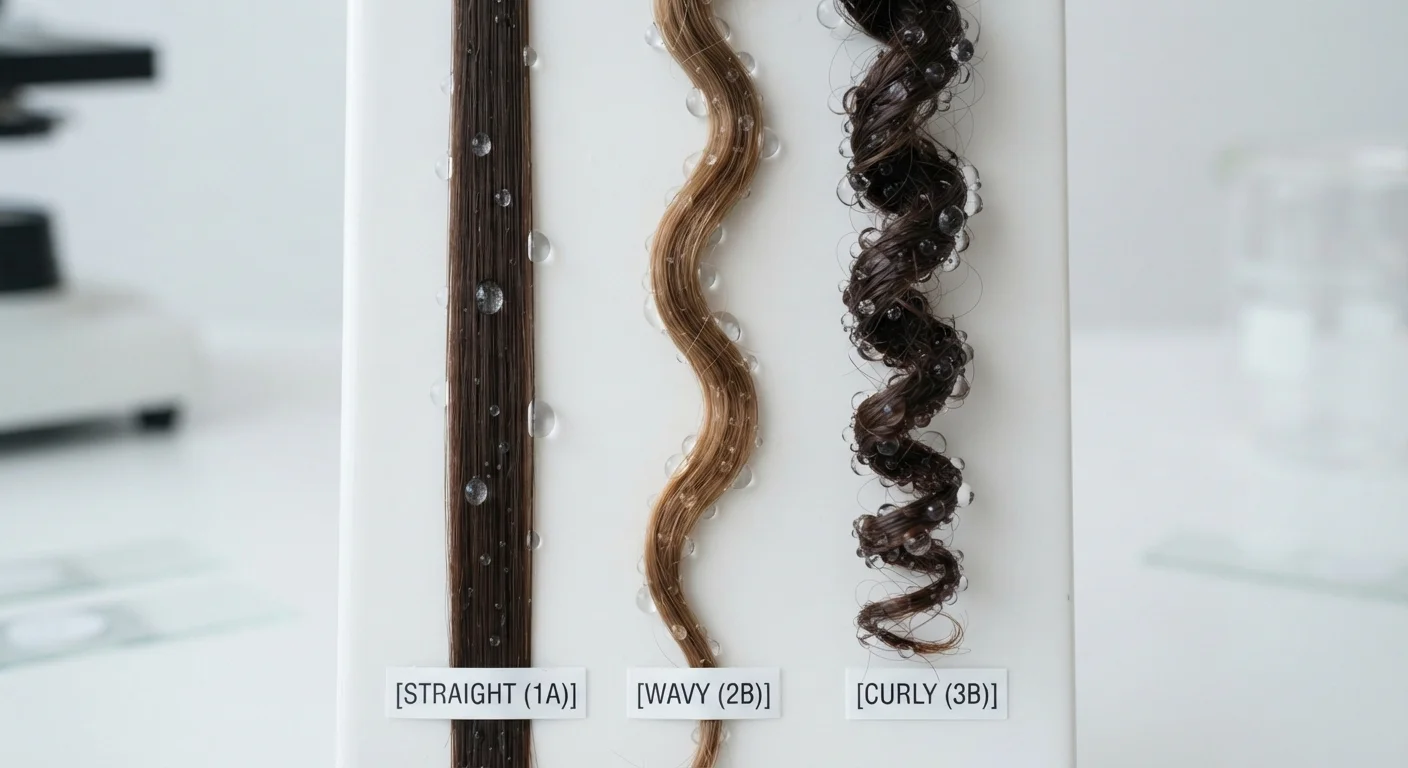
The cuticle scales lie flat and tightly packed, making it hard for moisture - and product ingredients - to get inside the strand. Water beads up on the hair surface instead of soaking in. Low porosity hair often looks healthy and shiny but can take forever to dry and feels product-heavy easily. Lightweight formulas and gentle heat (like a warm shower cap during conditioning) help open the cuticle temporarily for better absorption.
Normal (Medium) Porosity
The cuticle is slightly raised, allowing moisture in at a balanced rate while still holding it reasonably well. This is often considered the sweet spot - hair responds well to a wide variety of products and doesn't require extreme routines. Maintaining this level often means avoiding unnecessary damage.
High Porosity
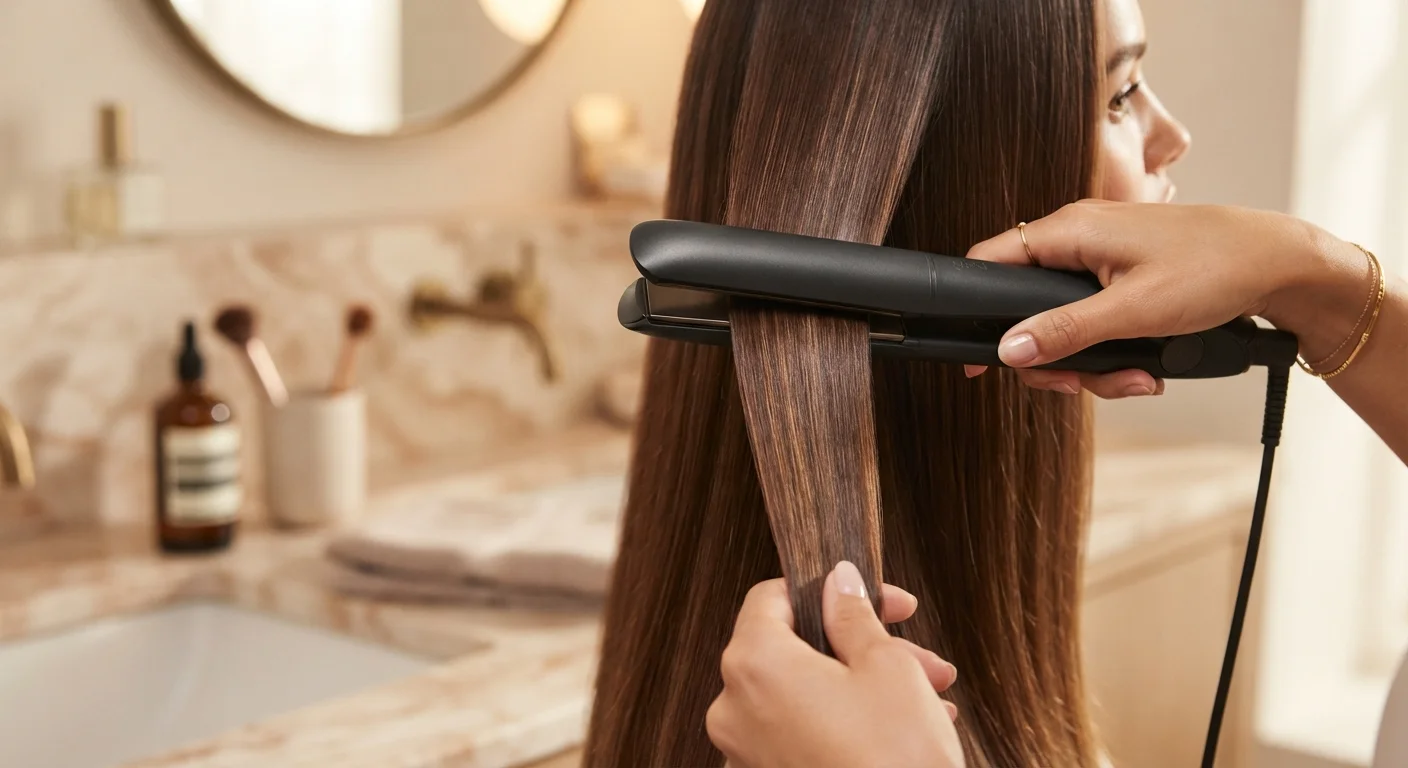
The cuticle has gaps or is raised significantly, either naturally or through damage. Moisture rushes in quickly - but also escapes just as fast, leaving hair prone to dryness, frizz, and breakage. Heat styling is one of the most common culprits behind elevated porosity, because repeated thermal stress lifts and chips the cuticle over time. High porosity hair generally benefits from protein-based treatments and heavier creams or oils applied as a sealant after moisturizing.
Porosity Can Vary Along One Strand
It's possible to have different porosity levels on the same head of hair - or even along a single strand. The ends, which are the oldest part of the hair, often have higher porosity than the roots due to cumulative wear. This is especially common in longer hair that has experienced years of styling and environmental exposure.
Building a Routine Around Your Porosity
Once you know your porosity level, the goal is simple: help moisture get in and stay in. Here's how that translates to real product decisions:
- Low porosity: Prioritize humectants (ingredients that attract water, like glycerin or aloe), apply products to damp hair, and use heat during deep conditioning to encourage absorption.
- Normal porosity: Maintain what's working. Focus on avoiding unnecessary damage from chemical treatments or excessive heat to preserve your cuticle's natural balance.
- High porosity: Layer your moisture - start with a water-based product, follow with a cream, and seal with a light oil. Acidic rinses (like diluted apple cider vinegar) can help temporarily flatten the cuticle and reduce frizz.
3
Porosity levels that define moisture behavior
Hair care educators and trichologists commonly classify porosity into low, medium, and high categories, each requiring a distinct product and technique approach.
~450°F
Max temp at which cuticle damage accelerates
Research on hair thermal damage indicates that cuticle integrity degrades significantly at high heat exposures, contributing to raised porosity over time.
Porosity also interacts with other hair characteristics - density, elasticity, and texture - so your ideal routine may look a little different from someone with the same porosity level but a different curl pattern or hair thickness. That's normal. Think of porosity as one important lens, not the entire picture.
The Bigger Picture: Porosity and Hair Health
Porosity isn't just a beauty buzzword - it's a practical framework for understanding what your hair actually needs. When you stop fighting your hair's natural behavior and start working with its structure, products perform better, routines get simpler, and results become more consistent.
It's also worth noting that porosity can shift. If you color, bleach, or regularly use hot tools, you're likely raising your porosity over time. That doesn't mean stopping all styling - it means being strategic. Protective habits, like using lower heat settings and incorporating regular protein and moisture treatments, help slow that cuticle degradation.
Hair care advice is most useful when it's specific to your hair - and porosity is one of the clearest ways to start making it personal. A simple float test costs nothing, and the knowledge it gives you can redirect your entire routine toward products and methods that actually deliver.