What Heat Actually Does to the Hair Shaft
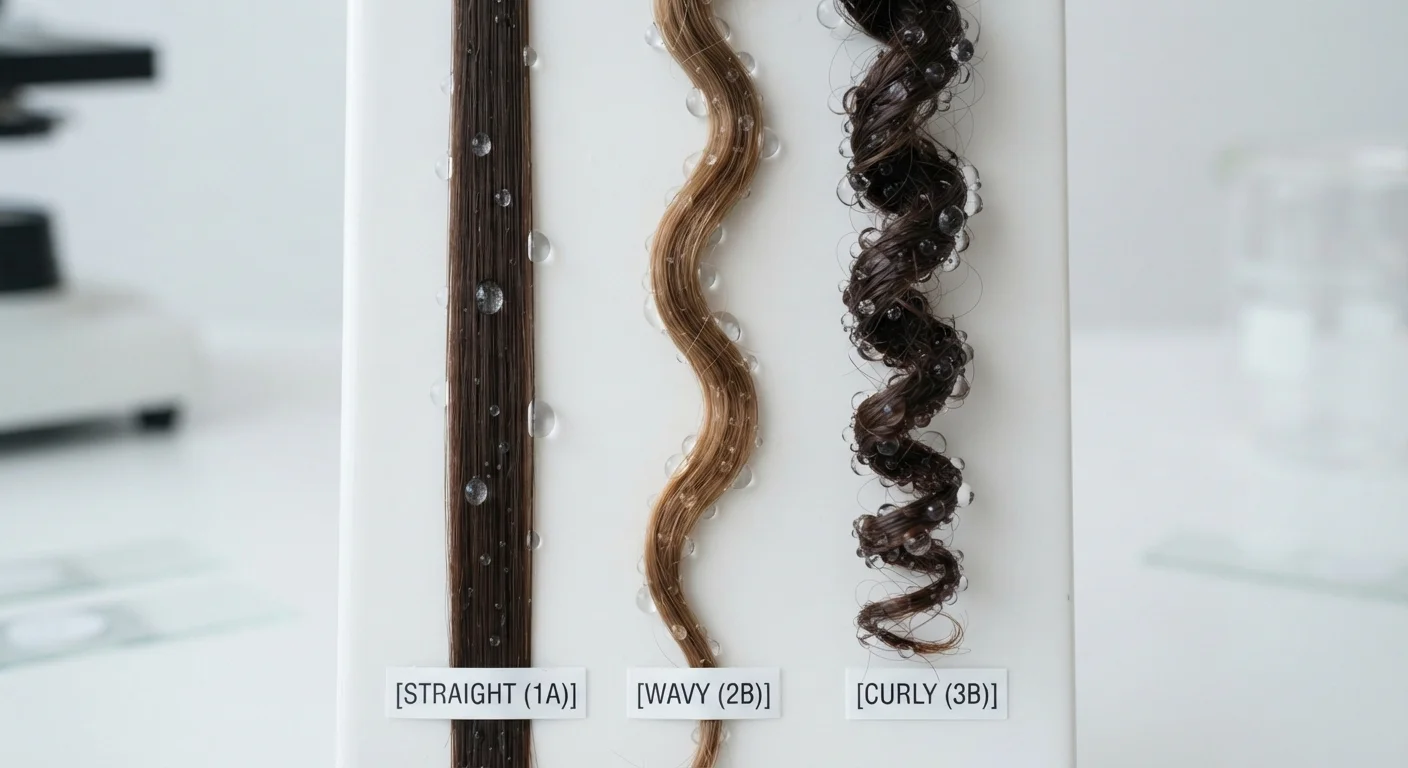
Hair is primarily composed of a protein called keratin, arranged in a layered structure: an outer cuticle, a cortex underneath, and a medulla at the core. When heat is applied, it disrupts the hydrogen bonds within these protein chains - which is exactly what allows you to reshape curly hair straight or smooth a frizzy texture.
The problem is that those bonds weren't designed for repeated disruption. At temperatures above 300°F, the cuticle - the hair's protective outer layer - begins to lift and crack. Above 450°F, you risk denaturing the keratin proteins themselves, causing permanent structural changes. Hair becomes porous, brittle, and prone to breakage that no conditioning treatment can fully undo.
Understanding your hair's porosity matters here too. Hair porosity determines how easily moisture enters and escapes the strand - high-porosity hair, with its already-raised cuticle, is significantly more vulnerable to heat damage than low-porosity hair.
Heat Damage Is Cumulative, Not Instant
A single blow-dry session rarely causes noticeable damage on its own. The harm builds over weeks and months of repeated exposure without protective measures. This is why hair can seem fine for a long time and then appear to deteriorate rapidly - the structural weakening has been accumulating beneath the surface. Adjusting habits early is far more effective than trying to repair severely compromised hair later.
The Real Pros of Heat Styling
Heat tools aren't all bad news. When used correctly, they offer real, practical benefits that explain why millions of people incorporate them into their routines.
Delivers predictable, consistent styling results
Unlike air-drying, heat tools give you control over the final shape and texture of your hair, making your routine more reliable and time-efficient.
Can reduce styling time significantly
A blow dryer cuts drying time dramatically compared to air-drying, which matters practically for people with thick or long hair on busy mornings.
Smooths the cuticle for a polished appearance
Properly applied heat and tension can temporarily flatten the cuticle layer, resulting in shinier, more reflective hair that looks healthier in the short term.
Enables versatile styling for many hair types
Heat tools allow people to shift between textures - straight, wavy, curly - offering creative flexibility that air-drying alone cannot provide.
The ability to achieve consistent, predictable results - whether that's a sleek blowout or defined waves - gives many people genuine confidence and saves significant time compared to air-drying and hoping for the best. For certain hair types, heat is also the most effective way to manage bulk or detangle without breakage.
The Real Cons of Heat Styling
The downsides are real and worth naming plainly. Ignoring them leads to the kind of gradual hair damage that sneaks up on you over months of styling.
Repeated use degrades keratin protein structure
High heat disrupts the hydrogen bonds in keratin repeatedly, and over time this causes cumulative weakening that makes hair more prone to snapping and split ends.
Can cause irreversible cuticle damage
Once the outer cuticle is cracked or stripped away, no topical treatment can repair it fully - only trimming the affected length removes it entirely.
Accelerates moisture loss from the cortex
Heat drives water out of the hair shaft rapidly. Without adequate hydration and protective measures, strands become chronically dry and lose their natural elasticity.
High settings risk thermal burning of strands
Temperatures above 450°F can scorch hair, leaving discolored, brittle patches that break off and create uneven, damaged texture throughout the length.
450°F
Temperature threshold for keratin denaturation
Hair science research indicates that sustained heat above approximately 450°F begins to permanently alter the protein bonds within the hair cortex.
~30%
Reduction in breakage with heat protectant use
Studies on thermal protectant formulations suggest that properly applied products can meaningfully reduce mechanical and thermal breakage compared to unprotected heat application.
One often-overlooked cost is tool wear. Just as consistent care keeps kitchen appliances performing well - see tips for extending appliance life - heat tools also degrade over time, and a malfunctioning flat iron with uneven heat distribution can cause hot spots that scorch strands unevenly and unpredictably.
Practical Ways to Reduce the Trade-Off
The goal isn't to guilt anyone out of a blow dryer. It's to understand the mechanics well enough to make smarter choices. Here's what research and hair science consistently point to:
- Use a heat protectant: Products containing silicones or polymers form a barrier that slows heat transfer to the cortex. They don't eliminate damage, but they measurably reduce it.
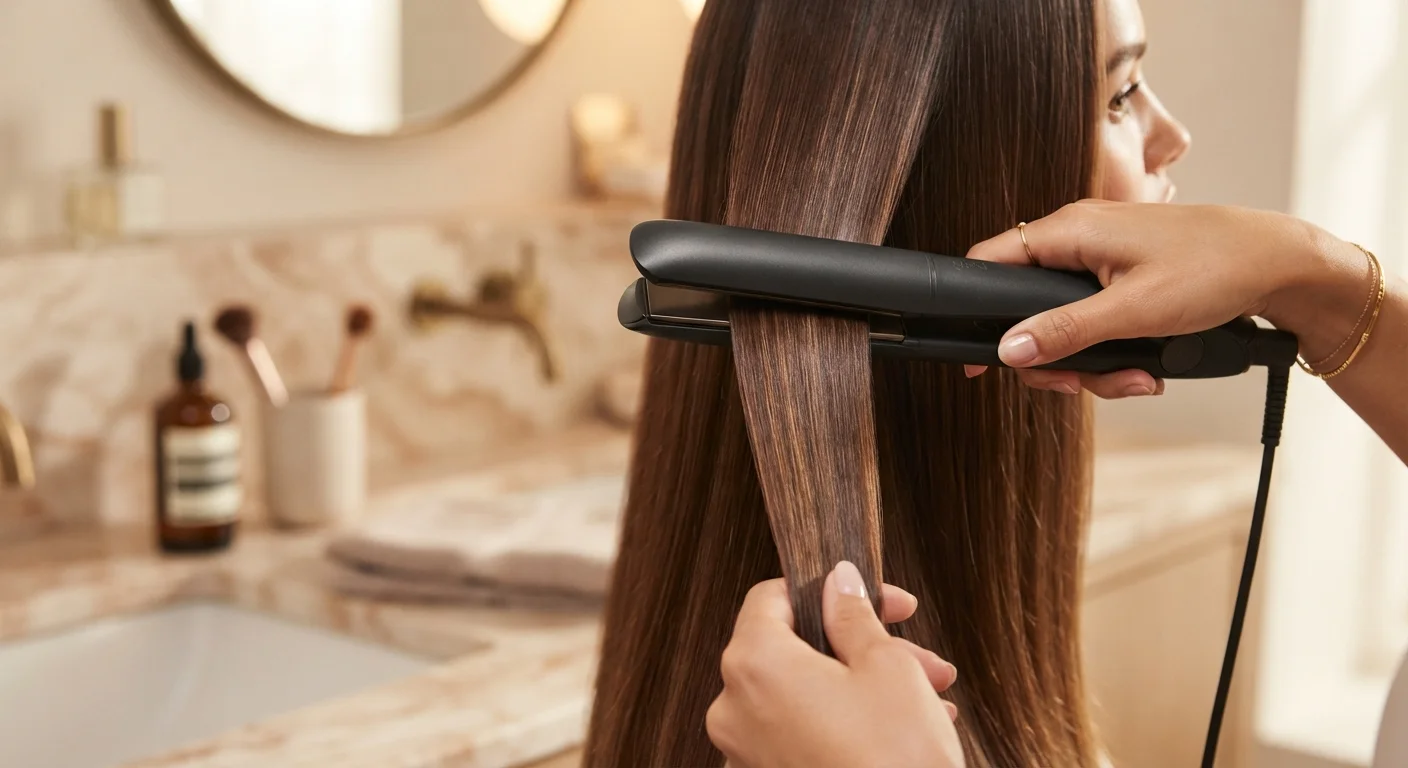
- Lower the temperature: For most hair types, 350°F or below is sufficient for straightening. Reserve higher settings for very coarse or resistant hair only.
- Limit passes: One slow, deliberate pass at moderate heat does less cumulative damage than several fast passes at high heat.
- Dry hair fully before flat-ironing: Applying a flat iron to damp hair causes water inside the shaft to vaporize rapidly, which literally bubbles the cortex from within.
- Schedule rest days: Alternating between heat and air-dry days gives the cuticle time to settle and reduces cumulative stress on the strand.
This article is for general informational purposes only and does not constitute medical or professional hair care advice. Individual hair types and conditions vary; consult a licensed cosmetologist or trichologist for personalized guidance.