What Makes an Exercise "Low-Impact"?
The term "low-impact" gets used loosely in fitness culture, so it helps to anchor it to a clear meaning. In exercise science, impact refers specifically to the force transmitted through your body each time it makes contact with a surface. Running, jumping jacks, and plyometric moves generate high peak forces because both feet leave the ground simultaneously, causing a sharp collision on landing.
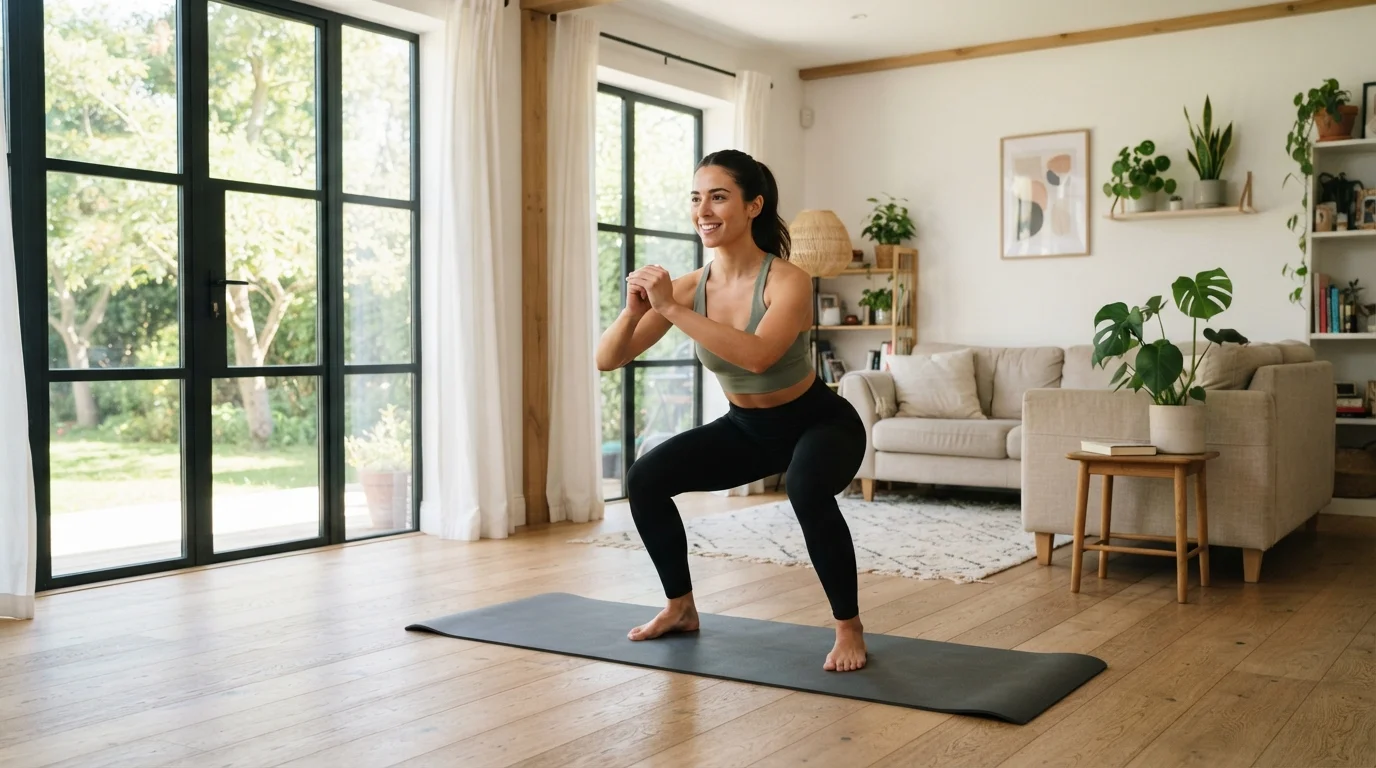
Low-impact movements avoid that collision. Walking is the classic example: one foot is always on the ground, so forces build and dissipate gradually rather than spiking. The same logic applies to swimming (water supports your weight), stationary cycling (no foot-strike at all), and controlled bodyweight exercises like squats or modified push-ups.
What low-impact doesn't mean is effortless. You can raise your heart rate, challenge your muscles, and work up a real sweat - all without the repeated joint shock of high-impact training. That distinction matters for how you plan your routine and who can safely participate.
Low-Impact vs. Low-Intensity: A Key Distinction
These two terms are often confused but describe different things. Low-impact describes how your body interacts with the ground - specifically, the forces generated on landing or contact. Low-intensity describes how hard your heart and muscles are working. A brisk march or a challenging Pilates sequence can be simultaneously low-impact and high-intensity. Keeping this distinction clear helps you design workouts that protect your joints without sacrificing fitness gains.
Who Benefits Most from Low-Impact Training
Low-impact workouts aren't a consolation prize for people who "can't" do real exercise. They are simply better suited - or more appropriate - for specific populations:
- Beginners: Starting with lower forces gives muscles, tendons, and bones time to adapt before adding more load. Jumping straight into high-impact training is a common route to early injury.
- Older adults: Bone density and cartilage thickness typically decline with age, making sustained high-impact activity harder on the body. Low-impact exercise preserves cardiovascular fitness and muscle mass with less wear.
- People managing joint conditions: Those with osteoarthritis, prior injuries, or chronic joint pain often find high-impact activity aggravates symptoms. Low-impact alternatives can maintain fitness without inflammation flare-ups.
- Those recovering from injury: Healthcare providers frequently recommend low-impact movement as part of rehabilitation because it maintains circulation and muscle activation while protecting healing tissue.
- People returning after a long break: Reconditioned exercise tolerance reduces the risk of overuse injury when ramping back up.
That said, healthy, injury-free adults at any fitness level can benefit from building low-impact sessions into a mixed routine. It provides active recovery on hard training days and lowers cumulative joint stress over years of consistent exercise. See how to adapt workouts to your fitness level for guidance on scaling appropriately.
Common Low-Impact Movements You Can Do at Home
No gym and no equipment are necessary to build a complete low-impact routine. The following movement categories cover cardiovascular conditioning, strength, flexibility, and balance:
- Marching in place
- A simple cardiovascular option that elevates heart rate without any ground impact. Raising knees higher or pumping arms increases intensity.
- Bodyweight squats and lunges (no jump)
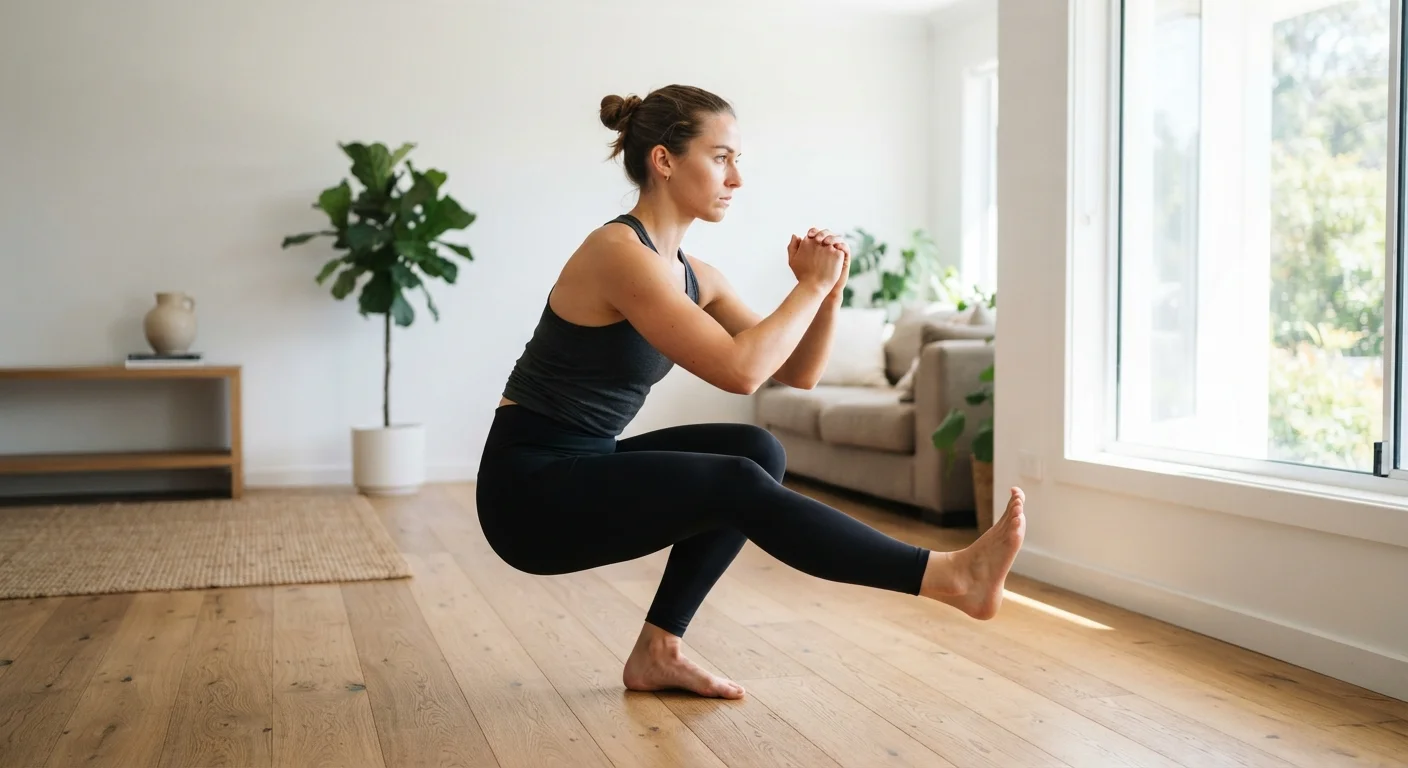
- Controlled lower-body strength work that keeps feet grounded throughout. Slowing the tempo dramatically increases muscular demand.
- Modified push-ups
- Performed from the knees or at an incline against a wall, these build upper-body and core strength with minimal joint stress.
- Yoga and Pilates movements
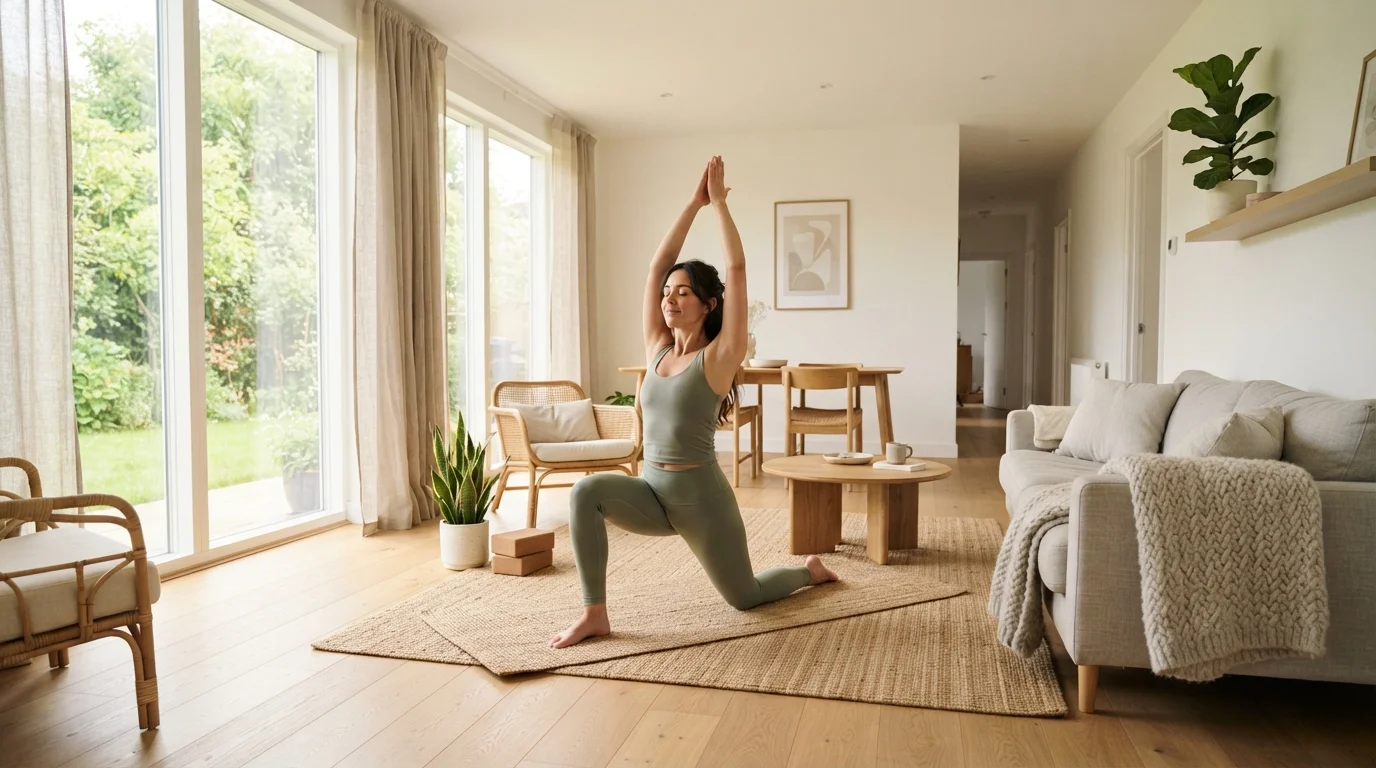
- Floor-based sequences that improve mobility, core stability, and balance - all high-value capabilities for long-term health.
- Glute bridges and supine core work
- Performed lying down, these target posterior chain and abdominal muscles with essentially zero impact.
- Seated resistance exercises
- Using a sturdy chair, resistance bands, or body weight, seated pressing and rowing movements make upper-body training accessible even with lower limb restrictions.
As you grow more comfortable, you can make these movements progressively harder over time - learn how to keep challenging your body at home without weights.
Use Tempo to Increase Challenge
If a low-impact move feels too easy, slow it down before adding repetitions. Performing a squat over four counts down and two counts up dramatically increases time under tension and muscular demand - no jumping required. This is one of the most effective and joint-friendly ways to make bodyweight exercises harder.
Getting Started Safely and Effectively
Starting any new exercise routine - low-impact or otherwise - works best when approached thoughtfully. A few practical points:
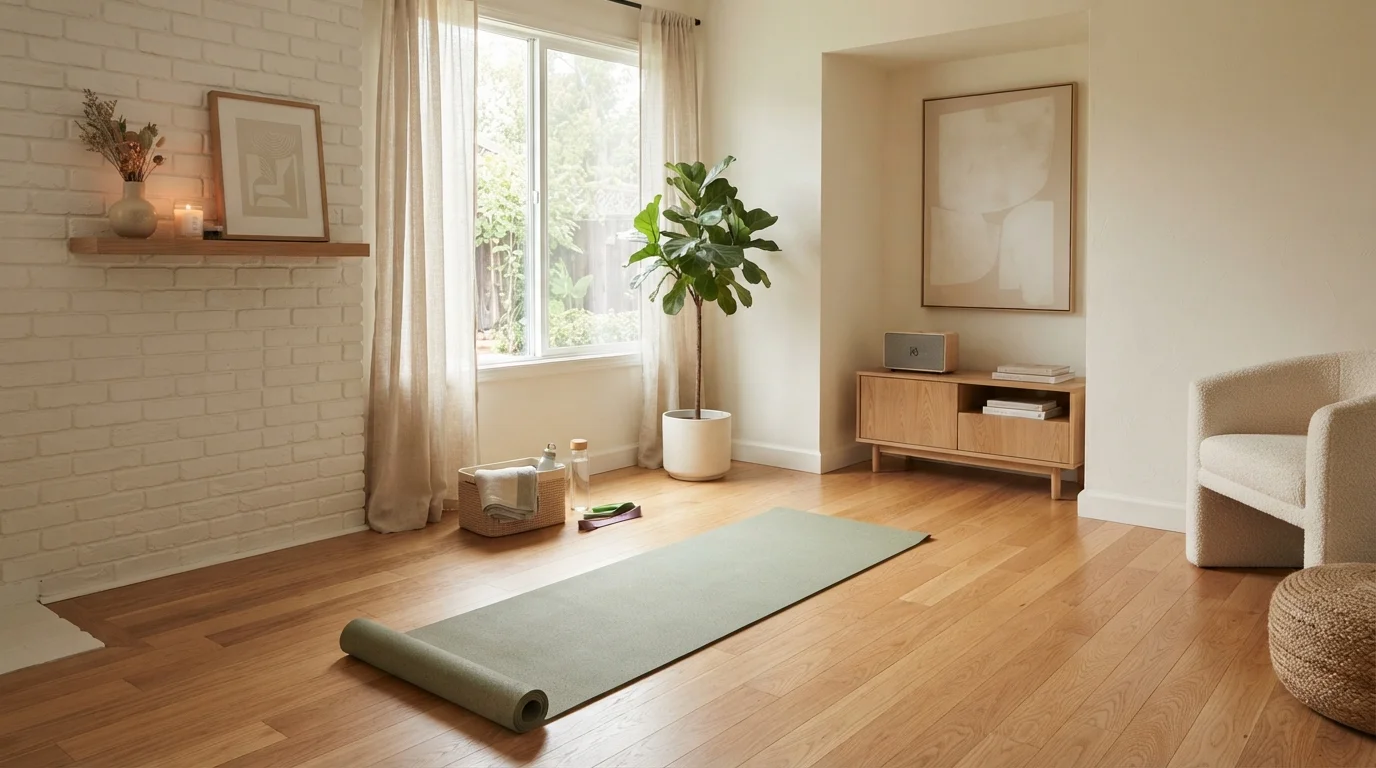
- Clear and prepare your space. You don't need a dedicated room. Even a small patch of floor is enough for most movements. Setting up a safe, functional home workout space doesn't have to cost much.
- Start shorter and build gradually. Beginning with 15-20 minute sessions and increasing duration over weeks is a sustainable approach.
- Pay attention to pain signals. Low impact reduces risk but does not eliminate it. Sharp, sudden, or persistent pain during or after exercise warrants stopping and consulting a healthcare provider.
- Consider variety. Mixing movement types - some cardiovascular, some strength, some flexibility - produces broader benefits than doing the same routine every session. If progress stalls, understand why home workouts plateau and how to adjust.
150 min
Recommended moderate aerobic activity per week
The U.S. Centers for Disease Control and Prevention (CDC) recommends adults get at least 150 minutes of moderate-intensity aerobic activity weekly - a target fully achievable through low-impact exercise.
~54 million
U.S. adults affected by arthritis
According to the CDC, approximately 54 million American adults have been diagnosed with some form of arthritis, making low-impact exercise options especially relevant for a large share of the population.
This article is for general informational and educational purposes only and is not a substitute for professional medical advice, diagnosis, or treatment. Always consult a qualified healthcare professional before beginning a new exercise program, particularly if you have existing health conditions, injuries, or concerns.