What Each Diet Actually Is
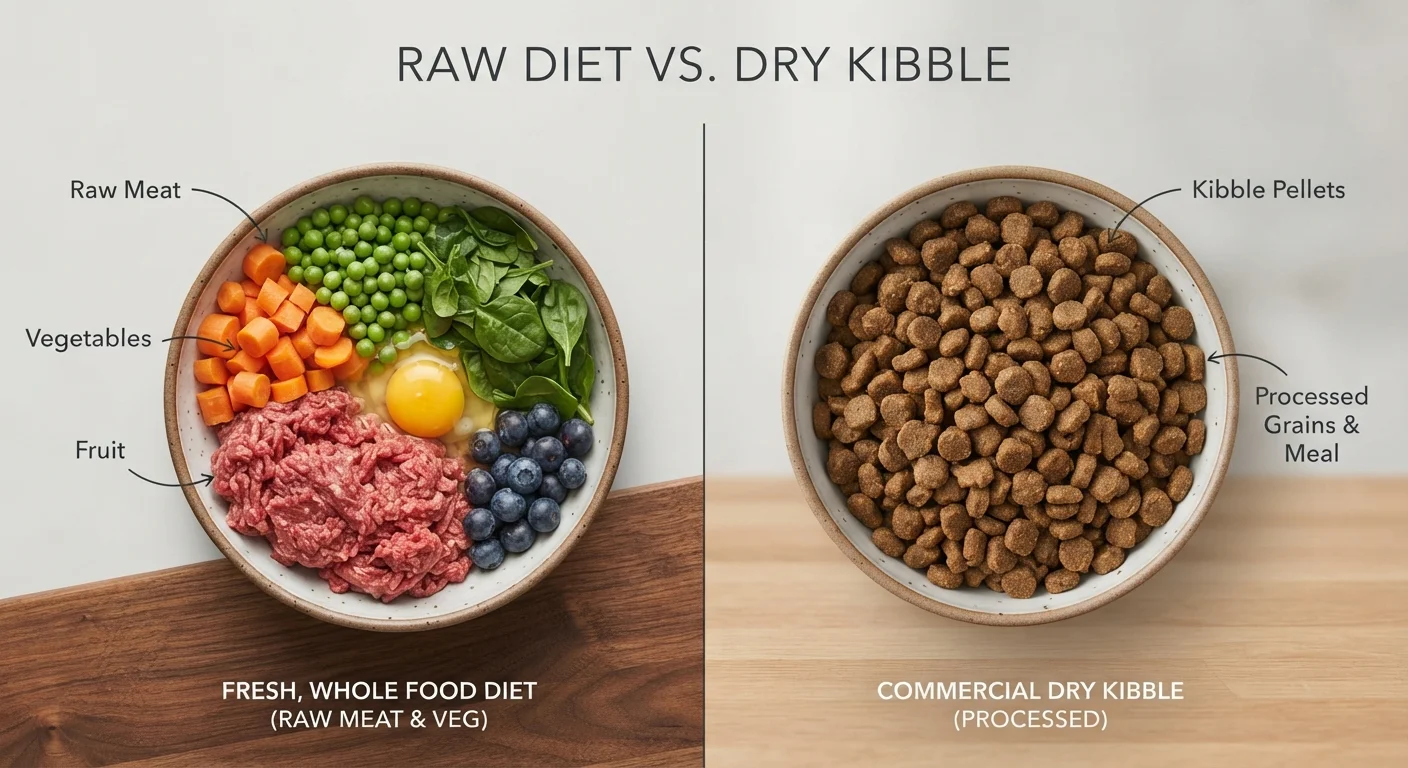
A raw diet typically consists of uncooked muscle meat, organ meat, raw meaty bones, and sometimes fruits, vegetables, or eggs. These diets are sometimes called BARF diets - an acronym for Biologically Appropriate Raw Food or Bones and Raw Food. They can be home-assembled or purchased as commercially frozen or freeze-dried raw products.
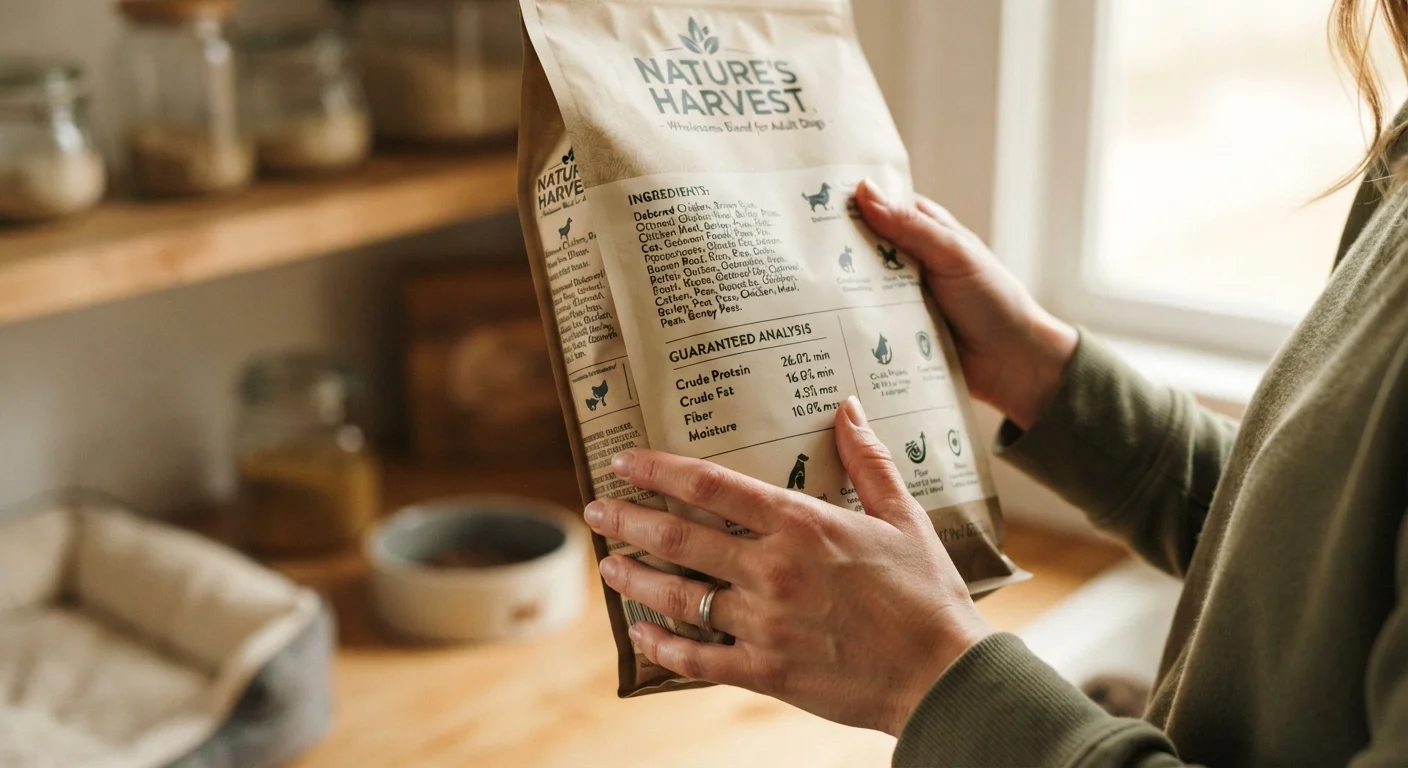
Commercial pet food spans dry kibble, canned wet food, semi-moist formulas, and commercially prepared cooked or dehydrated diets. The defining quality marker for most owners to look for is an AAFCO (Association of American Feed Control Officials) nutritional adequacy statement, which indicates the food meets established nutrient profiles for a specific life stage. For a deeper look at how to read those labels, see our field guide to pet food labels.
Understanding the actual composition of each approach is essential before weighing the trade-offs.
Nutrition: What the Evidence Shows
Proponents of raw feeding often cite higher protein bioavailability, fewer processing-related nutrient losses, and the absence of preservatives or fillers. These points have some biological basis - heat processing can degrade certain heat-sensitive nutrients - but the practical significance for most companion animals remains debated among veterinary researchers.
The more pressing concern with raw diets is nutritional completeness. Studies published in veterinary nutrition journals have found that a substantial proportion of home-formulated raw diets are deficient in key nutrients such as calcium, phosphorus, zinc, or vitamins A, D, and E. Commercially prepared raw products vary widely in quality and not all carry AAFCO statements. Common pet nutrition myths - including assumptions about raw diets - are worth reviewing before making a switch.
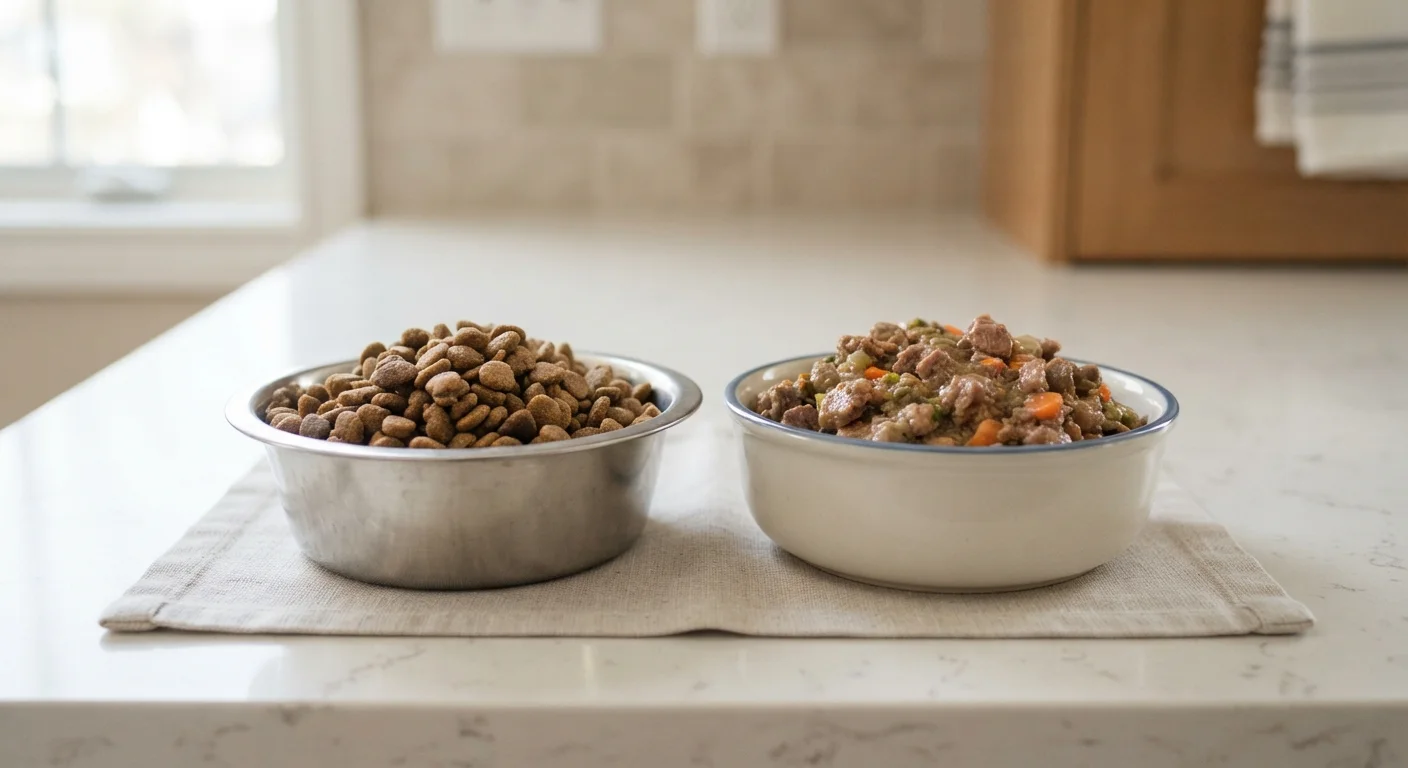
Quality commercial foods, by contrast, are formulated and tested to meet defined nutrient profiles. This does not mean all commercial foods are equal, but it does mean the nutritional baseline is more reliably verified. For a parallel comparison across other food formats, see how dry kibble and wet food compare on nutrition.
| Raw Diet | Commercial Pet Food | |
|---|---|---|
| Nutritional completeness | Variable; gaps common without expert formulation | Consistent when AAFCO-compliant |
| Pathogen safety risk | Higher; requires strict handling protocols | Lower; processing standards reduce baseline risk |
| Average daily cost (medium dog) | $4-$8+ per day | $1.50-$3 per day |
| Preparation time | Significant; thawing, portioning, cleaning | Minimal; measure and serve |
| Ingredient transparency | High if home-assembled with records | Dependent on label detail and brand practice |
| Veterinary consensus | Caution advised by most professional bodies | Generally supported when quality standards met |
| Shelf stability | Low; requires freezer storage | High for dry; moderate for canned |
Food Safety: A Non-Negotiable Consideration
This is where the evidence is least ambiguous. Raw meat - whether for humans or pets - carries Salmonella, Listeria, E. coli, and other pathogens. The U.S. Food and Drug Administration and the American Veterinary Medical Association have both issued policy statements raising concern about raw pet food, citing risks not only to the animal but to people in the household through secondary contamination.
Pathogen Risk Extends Beyond Your Pet
Raw pet food can harbor Salmonella, Listeria, and E. coli - organisms that can sicken people in the household, not just animals. The FDA advises that households with young children, pregnant individuals, elderly members, or anyone with a weakened immune system exercise particular caution. If you choose to feed raw, consult your veterinarian about safe handling practices and discuss the household risk profile honestly.
Pets fed raw diets can shed pathogens in their feces without showing signs of illness, creating exposure risks for children, elderly individuals, and immunocompromised household members. Commercial pet foods are not immune to contamination - recalls do occur - but mandatory processing standards and testing requirements reduce baseline pathogen load considerably.
Safe raw feeding requires dedicated prep surfaces, thorough handwashing, careful storage, and sourcing from suppliers with verified safety testing. These practices are manageable but non-trivial, especially in busy households.
Cost and Practical Realities
For budget-conscious owners, cost is often the deciding factor. Quality dry kibble from reputable manufacturers typically costs between $1.50 and $3.00 per day for a medium-sized dog. A raw diet - whether home-assembled or commercially prepared - for the same animal often runs $4.00 to $8.00 or more per day, depending on sourcing. Freeze-dried raw formats can cost even more per calorie.
~2-3x
Raw diet cost vs. quality dry kibble
Veterinary nutrition educators commonly estimate raw feeding runs two to three times the daily cost of quality commercial dry food for similar-sized dogs.
Over 60%
Home-formulated raw diets with nutrient gaps
Multiple peer-reviewed veterinary nutrition studies have found that the majority of home-formulated raw diets do not meet established nutrient profiles for dogs or cats.
Beyond ingredient cost, raw feeding requires freezer space, time for portioning and thawing, and potentially supplements to correct nutritional gaps. Owners considering home-cooked alternatives should review the genuine benefits and real risks of home-cooked pet meals for a parallel analysis of the effort involved.
Commercial food, especially kibble, wins on convenience and shelf stability. These factors matter in real households where consistency is key to an animal's long-term dietary health. Cat owners navigating this same decision will find additional format-specific detail in this trade-off guide for cat diets.
Start with a Nutritional Consultation
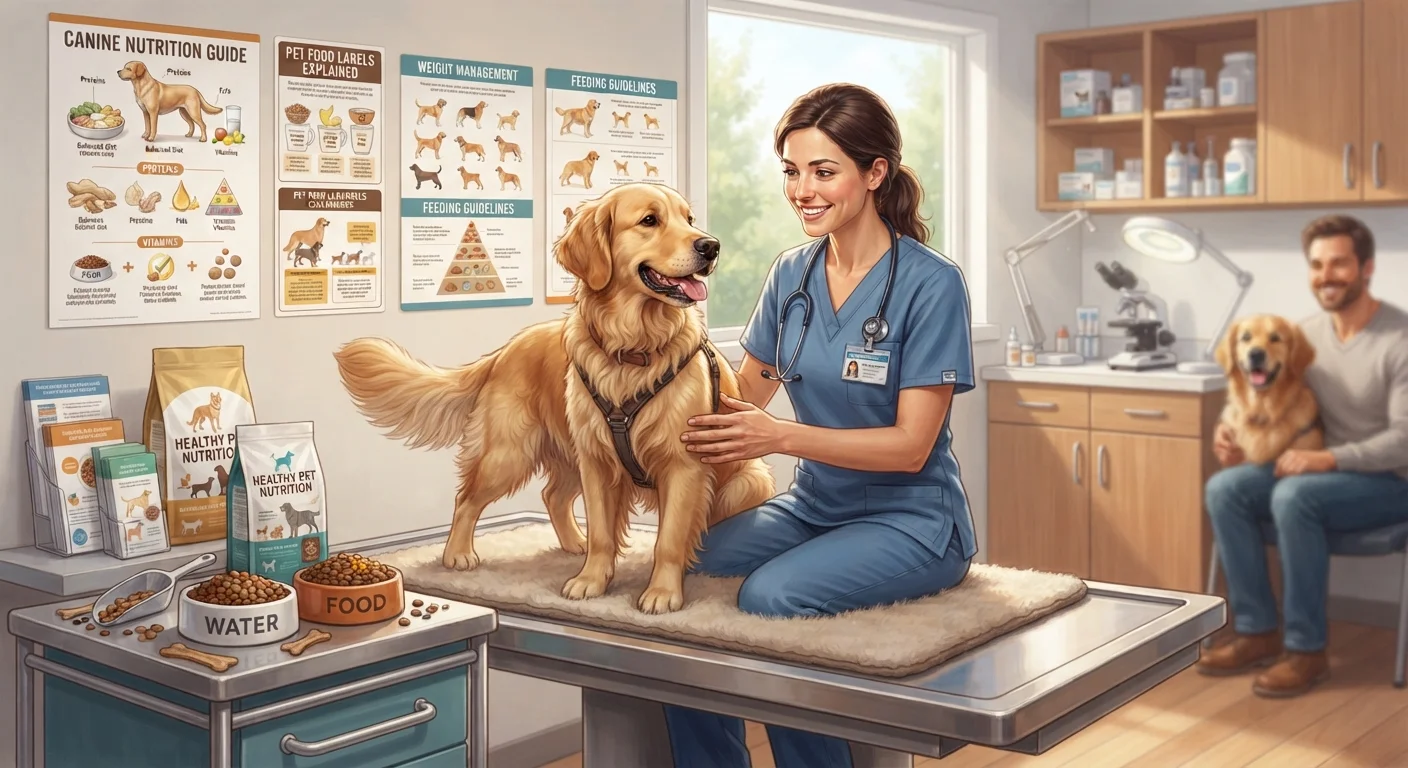
Before switching your pet to any new diet - raw or otherwise - schedule a dedicated nutrition-focused appointment with your veterinarian. Bring your current food, any supplements you use, and your pet's most recent weight. A short consultation can prevent costly nutritional mistakes down the line and is especially important for puppies, kittens, pregnant animals, or those with chronic health conditions.
How to Make the Decision Responsibly
No feeding decision should be made based solely on online advocacy - in either direction. The appropriate starting point is a conversation with a licensed veterinarian, ideally one with formal training or interest in nutrition, or a board-certified veterinary nutritionist (DACVN). These professionals can assess the individual animal's age, health status, weight, and any underlying conditions that influence dietary needs.
If raw feeding is pursued, using a diet formulated by a veterinary nutritionist - not assembled from general internet recipes - substantially reduces the risk of nutritional deficiency. If commercial food is the path, reading AAFCO statements and ingredient panels carefully helps owners select appropriate products. The Pet Health Basics hub provides foundational guidance across these decisions.
This article is for general informational purposes only and does not constitute veterinary or medical advice. Always consult a qualified veterinarian before making significant changes to your pet's diet.