
Why Diet Format Matters for Cats Specifically
Cats have nutritional requirements that are meaningfully different from dogs or humans. As obligate carnivores, they cannot synthesize certain amino acids - most critically taurine - on their own, and they rely on animal-based protein for many essential nutrients. Their bodies are also poorly adapted to concentrate urine efficiently, which means moisture intake from food plays a direct role in urinary and kidney health.
Understanding these biological baselines is the starting point for evaluating any feeding format. For a deeper look at the foundational science, see Cat Nutrition 101: Why Cats Are Not Small Dogs. The format question - wet, dry, or raw - matters because each one delivers those nutrients in different concentrations, with different moisture levels, palatability, costs, and handling requirements.
Wet Food: Advantages and Limitations
High moisture content supports urinary and kidney health
Wet food's 70-80% water content helps cats - who have a naturally low thirst drive - stay adequately hydrated, which can reduce risk of urinary crystal formation and support kidney function.
Higher protein density relative to carbohydrates
Most canned formulas derive a greater proportion of calories from animal protein and fat, which aligns more closely with a cat's obligate carnivore metabolism than many dry foods.
Typically more palatable for picky or aging cats
Wet food's stronger aroma and softer texture often appeal to cats with reduced appetites, dental pain, or sensory decline common in senior animals.
Canned and pouch-style wet foods typically contain 70-80% moisture, closely mimicking the water content of prey animals. This makes them a natural ally for hydration, particularly for cats prone to urinary tract issues or early-stage kidney disease. Wet food is also generally higher in animal protein per calorie and lower in carbohydrates than most kibble formulas.
On the practical side, open cans must be refrigerated and used within 24-48 hours, and the per-meal cost is typically higher than dry food. Dental benefits are also limited, since wet food does not provide the abrasive chewing that may help reduce tartar.
Mixed Feeding Is a Legitimate Option
Many veterinarians support combining wet and dry food as a practical middle ground - wet food provides hydration and palatability while kibble adds convenience and cost savings. There is no rule requiring owners to commit exclusively to one format. If you pursue a mixed approach, ensure both products carry AAFCO complete-and-balanced statements and adjust total calorie portions to prevent overfeeding.
Dry Kibble: Advantages and Limitations
Higher cost per serving than dry kibble
On a per-calorie basis, wet food consistently costs more than dry kibble, which can become a real budget strain for owners feeding multiple cats or large portions.
Short shelf life once opened
Opened cans must be refrigerated and used within 24-48 hours, making portioning more demanding and creating more food waste if cats don't finish servings promptly.
Limited contribution to dental hygiene
Wet food does not provide meaningful abrasive action against teeth, so owners relying solely on it should discuss supplemental dental care with their veterinarian.
Raw diets carry documented food-safety risks
Regulatory bodies including the FDA have identified raw pet food as a consistent source of bacterial pathogens that can affect both pets and their human household members.
Home-prepared raw diets frequently lack nutritional completeness
Studies have found that many home-prepared raw recipes - even those found in published books - fail to meet established nutrient profiles for cats without professional veterinary nutritionist input.
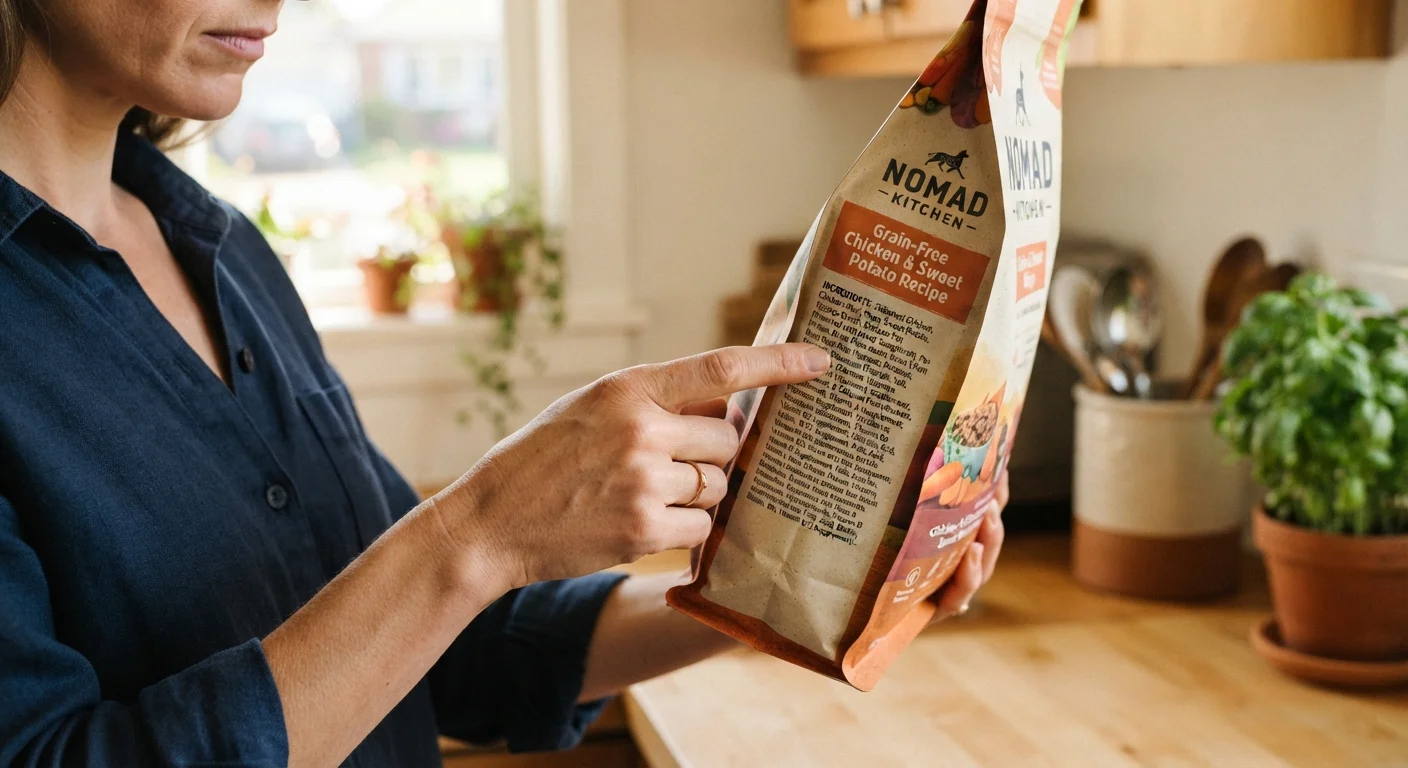
Kibble's main strengths are convenience and cost-efficiency. It stores well at room temperature, can be left out for free-feeding without immediate spoilage risk, and tends to cost significantly less per calorie than wet food. Many high-quality kibble formulas are nutritionally complete and carry AAFCO adequacy statements - the minimum standard to look for on any commercial cat food. To understand what those labels actually mean, see Reading a Pet Food Label Without the Confusion.
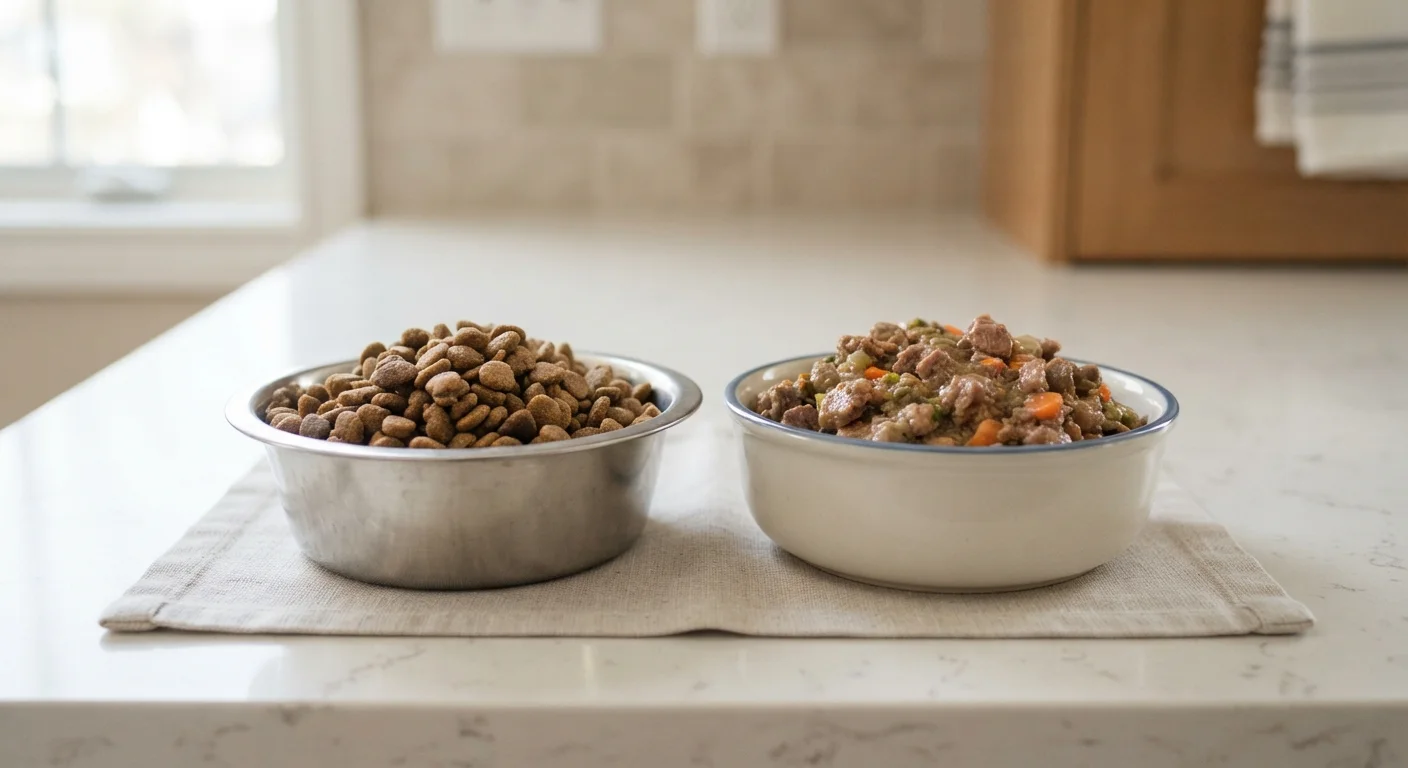
The core limitation of dry kibble is moisture content, which typically falls between 8-12%. Cats fed exclusively dry food often have chronically low moisture intake, which some veterinary nutritionists associate with increased risk of urinary disease over time. Kibble also tends to be more carbohydrate-dense than wet food, though carbohydrates are not inherently harmful to cats in moderate quantities. For a direct nutritional comparison between the two formats, see our side-by-side breakdown.
Raw Diets: What the Evidence Actually Shows
70-80%
Moisture content in typical wet cat food
Compared to 8-12% in dry kibble, wet food's moisture profile more closely resembles the water content of whole prey animals.
~25%
Proportion of cats affected by kidney disease
Chronic kidney disease is among the most common conditions in older cats, according to veterinary internal medicine literature, making dietary moisture a clinically relevant factor.
Raw feeding - whether commercial frozen/freeze-dried raw or home-prepared - has a passionate following, but the evidence base is more complicated than advocates often suggest. The theoretical appeal is intuitive: cats evolved eating whole prey, and raw diets can deliver high protein and moisture without processing. Some owners report improvements in coat quality and digestion, though these are largely anecdotal.
The documented concerns are more concrete. Both the U.S. Food and Drug Administration and the American Veterinary Medical Association have noted risks of bacterial contamination (including Salmonella and Listeria) in raw pet food - a risk that extends to human household members, particularly children, elderly individuals, and immunocompromised people. Home-prepared raw diets also carry a significant risk of nutritional imbalance unless carefully formulated by a board-certified veterinary nutritionist. For a fuller comparison of raw versus commercial options, see Raw Diets vs. Commercial Pet Food.
This article is for general informational purposes only and is not a substitute for veterinary advice. Consult a licensed veterinarian before making significant changes to your cat's diet, especially if your cat has an existing health condition.