Why Ingredient Lists Look So Intimidating
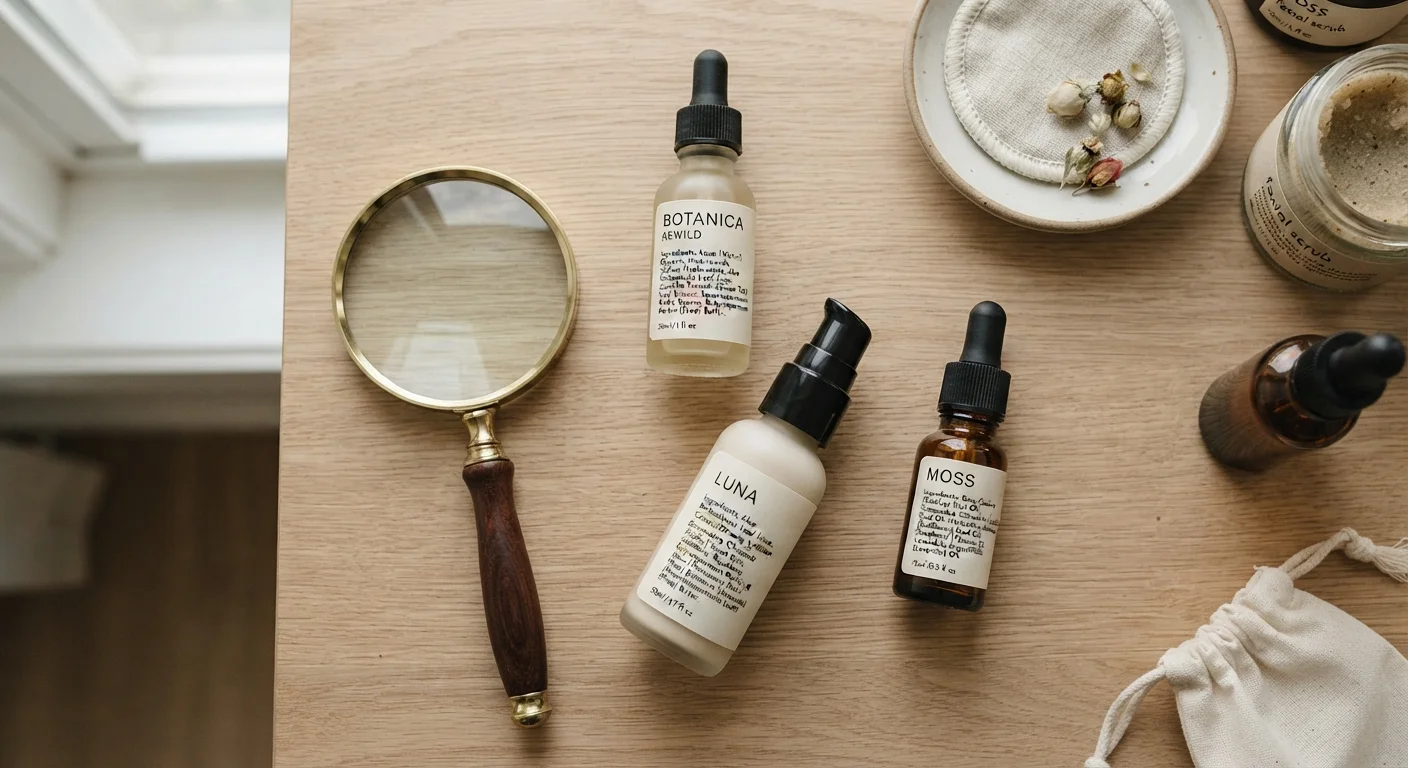
Cosmetic ingredient lists weren't designed for casual reading - they were standardized for regulatory consistency across global markets. The result is labels packed with Latin binomials, chemical nomenclature, and color index numbers that feel more like lab reports than product descriptions. But the underlying logic is surprisingly straightforward once you know the two or three rules that govern every list.
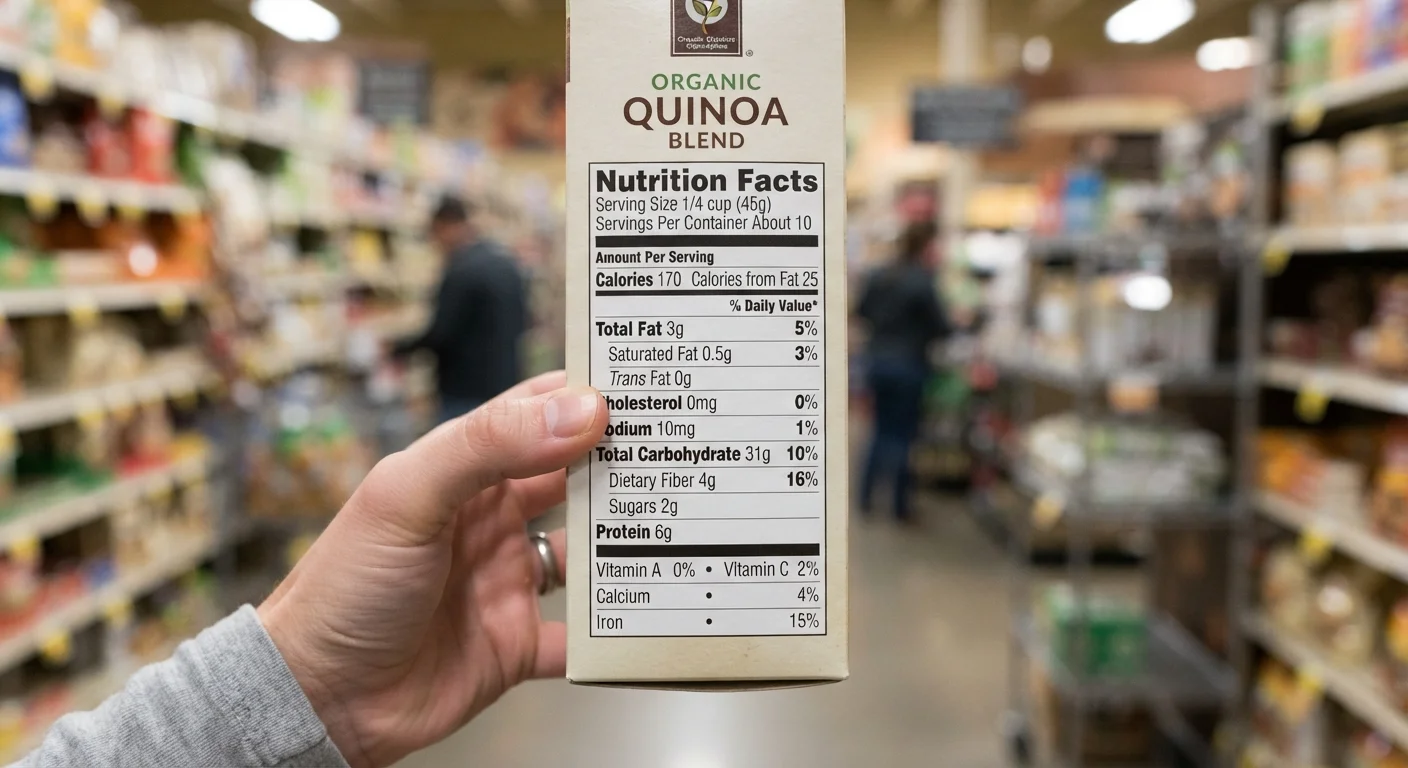
The same structure governs a drugstore cleanser and a high-end serum. Understanding it puts you in a much stronger position to evaluate whether a product actually delivers on its promises - regardless of price point. Much like learning to read a nutrition facts label, the skill transfers across every product you'll ever pick up.
What you will need
What You'll Need
Product packaging or insert
The primary source of the ingredient list you'll be analyzing.
Smartphone or computer
Used to look up unfamiliar INCI ingredient names in public databases.
Ingredient reference database
Free online resources that compile ingredient definitions and general safety research summaries.
No special equipment is required - just the product itself and a few minutes. The steps below work equally well in a store aisle, at home, or while browsing an online retailer.
How to Decode the List
Locate the full ingredient list
U.S. cosmetic regulations require the complete ingredient list to appear on the product's outer packaging or in an attached insert. Look for the heading "Ingredients" - not the marketing claims panel on the front. Flip the product over or unfold any attached leaflet. If you're shopping online, scroll to the full ingredients section in the product listing rather than relying on the highlighted claims in the description.
Understand INCI naming conventions
Cosmetic ingredients are listed using INCI names - International Nomenclature of Cosmetic Ingredients. These are standardized Latin, scientific, or English names used consistently across countries. Water appears as Aqua, shea butter as Butyrospermum Parkii Butter, and niacinamide stays as Niacinamide. When a name looks intimidating, that's usually just the INCI system at work - not a red flag. Searching any INCI name in a free ingredient database quickly returns a plain-English summary.
Read the list from top to bottom
Ingredients are listed in descending order of concentration. Whatever appears first makes up the largest proportion of the formula - almost always water (Aqua) in rinse-off and many leave-on products. Active or functional ingredients like glycerin, hyaluronic acid, or a chemical exfoliant appear somewhere in the middle. Marketing-forward ingredients - peptides, exotic oils, trendy extracts - frequently appear near the bottom, which means their actual concentration may be minimal.
Apply the 1% rule to the lower half
Once you reach approximately the 1% concentration threshold, ingredient order is no longer regulated. Manufacturers can arrange everything below 1% in any sequence they choose. Preservatives like phenoxyethanol, most fragrance components, colorants (listed as CI followed by a number), and many specialty actives typically fall in this zone. This is also where you'll often find the ingredient a product is named after - which tells you something important about how much of it is actually present.
Identify fragrance and allergen disclosures
In the U.S., "Fragrance" or "Parfum" is a protected trade secret designation covering a blend of scent compounds. The EU requires disclosure of 26 specific fragrance allergens when present above certain concentrations - U.S. labeling rules differ. If you're sensitive, look for products that list individual fragrance chemicals or are certified fragrance-free. "Unscented" products can still contain masking fragrances, so the ingredient list remains your most reliable check.
Look up anything unfamiliar
Don't let an unusual name trigger alarm. Search the INCI name in a publicly available ingredient database for a plain-English function description - emollient, humectant, preservative, pH adjuster, etc. Understanding the function category of an ingredient is often more useful than memorizing individual names. Common function categories include: emollients (soften and smooth), humectants (attract moisture), occlusives (seal in moisture), emulsifiers (bind water and oil), and preservatives (extend shelf life safely).
Cross-Reference With a Free Ingredient Database
Reputable free databases compile ingredient safety summaries based on publicly available research. They're a useful starting point for understanding unfamiliar names, though they reflect varying evidence quality. Always verify with your dermatologist if you have specific concerns.
Common Misconceptions Worth Dropping
Long lists aren't dangerous lists. A formula with 30 ingredients isn't inherently riskier than one with 8. Complexity often reflects stability, texture, and efficacy engineering rather than unnecessary additives.
Natural isn't automatically safe; synthetic isn't automatically harmful. Both categories include skin-beneficial and skin-irritating compounds. Poison ivy is natural. Hyaluronic acid synthesized in a lab is chemically identical to what your skin produces. Evaluate ingredients on function and evidence, not origin.
Marketing claims on the front label are not regulated the same way the ingredient list is. Words like "clean," "non-toxic," and "natural" have no standardized legal definition in U.S. cosmetics. The ingredient list at the back is the factual record.
Cosmetic Labels Are Not Medical Advice
This guide covers general label-reading education, not personal skincare recommendations. If you have a skin condition, allergy, or sensitivity, consult a qualified dermatologist before making changes to your routine. Ingredient reactions vary widely by individual.
Understanding labeling tactics - like how ingredient splitting can affect perceived placement in a list - is a useful next step. Similar strategies appear across product categories, as explored in our piece on ingredient splitting and label tactics.
This article is for general informational and educational purposes only and does not constitute medical or dermatological advice. If you have skin conditions, allergies, or sensitivities, consult a qualified healthcare professional before changing your skincare routine.