SPF: What the Number Is Really Measuring
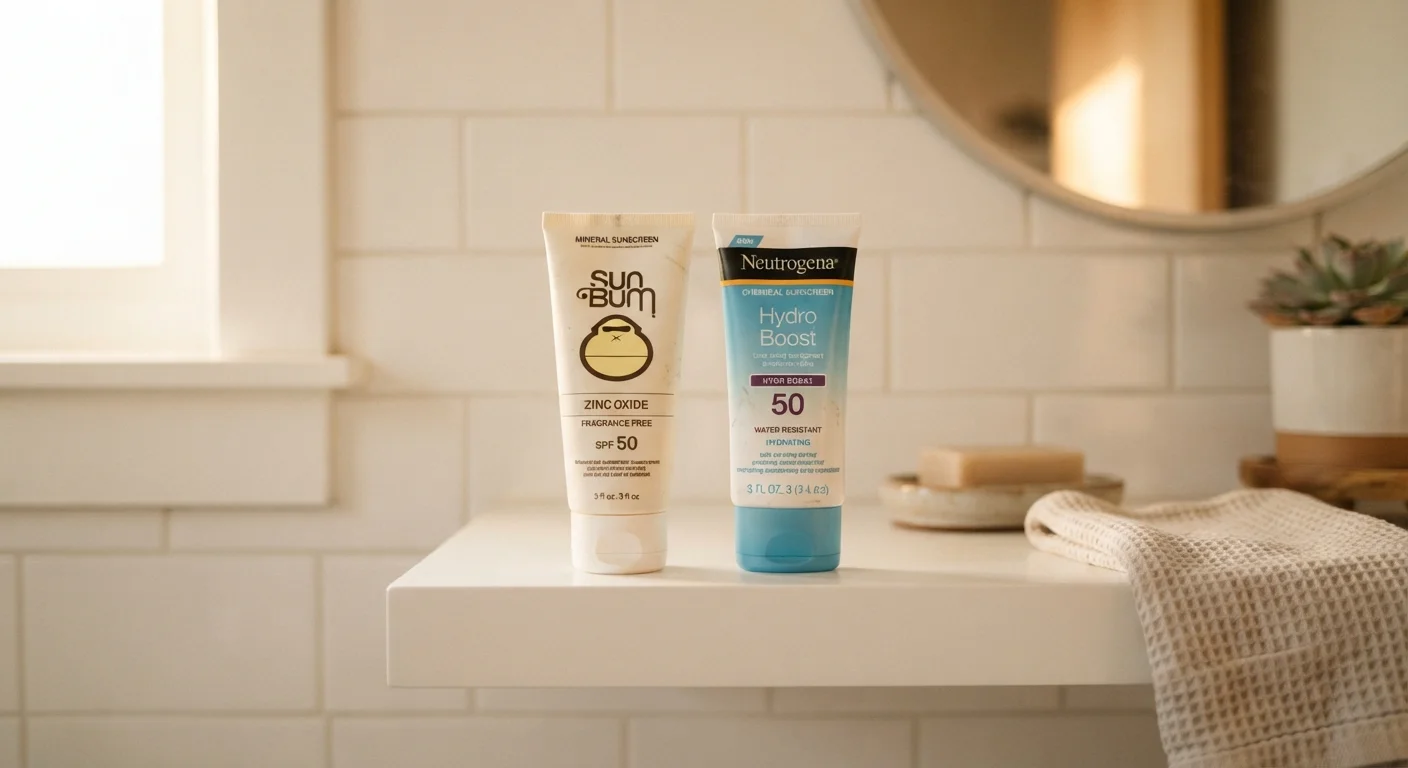
SPF stands for Sun Protection Factor, and it measures how well a sunscreen shields skin from UVB rays - the primary cause of sunburn. The number itself reflects a ratio: SPF 30 means it would theoretically take 30 times longer for protected skin to redden than unprotected skin, under controlled lab conditions.
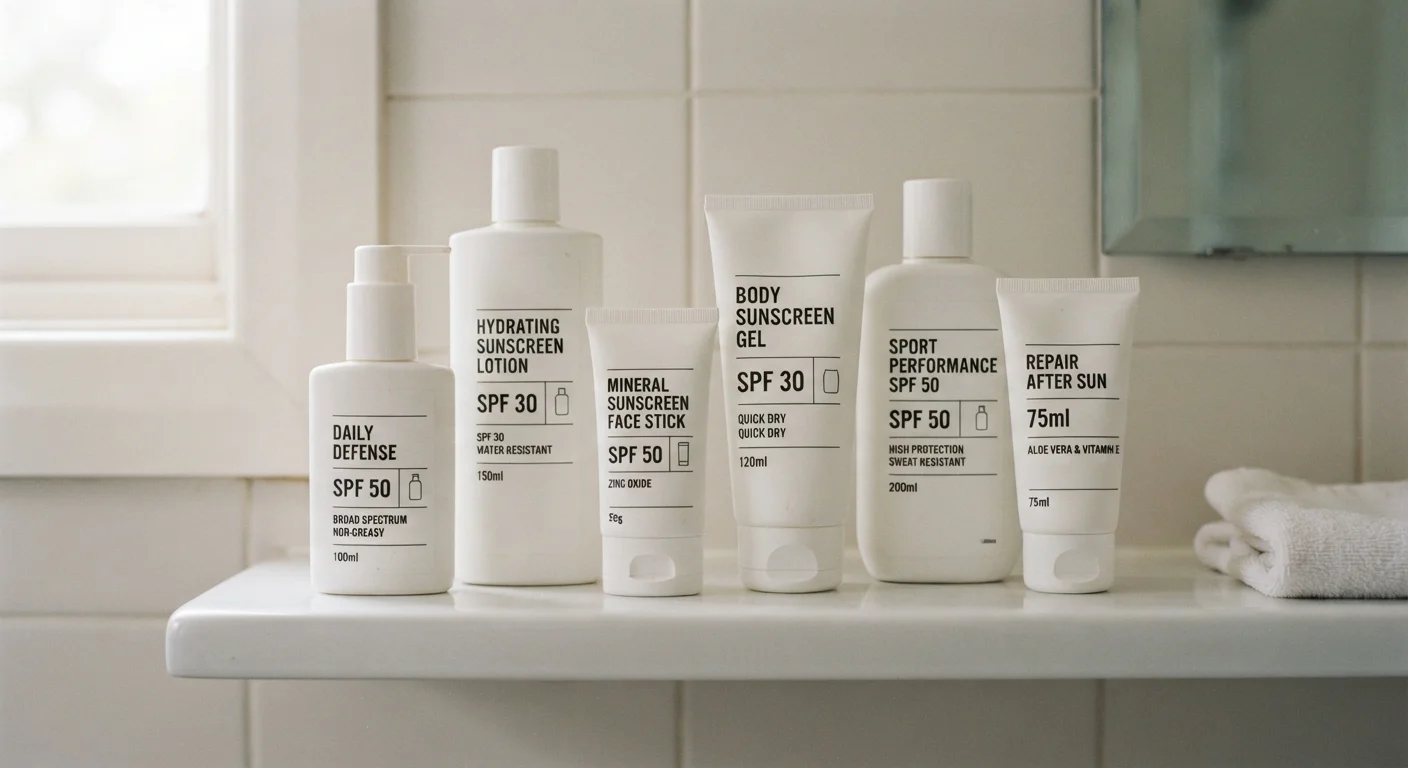
In practice, the difference between SPF values is smaller than most people expect. SPF 30 filters roughly 97% of UVB rays; SPF 50 filters about 98%; SPF 100 reaches approximately 99%. That one-percentage-point gap between 30 and 50 matters most for people with fair skin, photosensitivity, or prolonged outdoor exposure - but for everyday use, SPF 30 to 50 covers most situations well when applied correctly.
The critical caveat: those percentages assume you're applying about a teaspoon for the face and neck, and reapplying every two hours. Most people apply far less than the tested amount, which can effectively cut protection roughly in half.
Broad-Spectrum, UVA, and the PA Rating System
UVB gets most of the attention, but UVA rays - which penetrate deeper into the skin and contribute to premature aging and long-term damage - are equally worth blocking. The term broad-spectrum on a U.S. label means the product has passed an FDA test confirming it protects against both UVA and UVB rays. Without this label, SPF alone tells you nothing about UVA coverage.
You may also see a PA+ rating on sunscreens, particularly those imported from or formulated for Asian markets. This system, developed in Japan, grades UVA protection from PA+ (some protection) to PA++++ (the highest). It's not an FDA-required label in the U.S., but it provides more granular UVA information than "broad-spectrum" alone does.
Understanding how ingredients deliver that protection is a separate conversation - if you're curious about the mechanism behind mineral versus chemical filters, see our breakdown in how each sunscreen type actually works.
SPF (Sun Protection Factor)
A measure of how much UVB radiation a sunscreen blocks relative to unprotected skin. Higher numbers indicate marginally greater filtration, but application amount and frequency matter more than small numerical differences.
Broad-Spectrum
An FDA-regulated label indicating a sunscreen protects against both UVA and UVB rays. Products without this designation may only address UVB exposure.
UVA vs. UVB
UVB rays cause sunburn and are the primary SPF target. UVA rays penetrate more deeply, contributing to skin aging and long-term cellular damage; both require protection.
PA Rating
A UVA protection grading system used widely in Asia, ranging from PA+ to PA++++. Not required by U.S. regulators but offers more specific UVA grading than 'broad-spectrum' alone.
Water-Resistant
An FDA-regulated claim indicating a sunscreen maintains its stated SPF for either 40 or 80 minutes during water exposure. No sunscreen is fully waterproof.
What No Number Can Do for You
Here's the honest truth: even a well-formulated, high-SPF, broad-spectrum sunscreen has real-world limits. Sweat, water, and physical contact all degrade the protective film on your skin. Water-resistant sunscreens - another regulated U.S. label - maintain their SPF for either 40 or 80 minutes of water exposure, after which reapplication is required.
Sunscreen is also just one layer of a complete sun-protection approach. Where it sits in your routine matters too - generally, it goes on as the last skincare step before makeup. For a full picture of product order and why it affects performance, skincare layering logic is worth a read.
No Sunscreen Makes You Invincible
Even SPF 100 blocks only about 99% of UVB rays - and real-world conditions like sweating, toweling off, or simply not applying enough lower that further. Shade, protective clothing, and hats remain meaningful tools alongside sunscreen, not replacements for it. Dermatologists consistently emphasize that consistent daily use of a moderate SPF beats occasional use of a very high one.
This article is for general informational purposes only and is not a substitute for advice from a qualified dermatologist or healthcare professional. Individual skin needs vary; consult a licensed provider for personalized guidance.