The Core Logic: Thinnest to Thickest
If there's one rule that holds across virtually every skincare routine, it's this: apply products in order of texture, starting with the lightest and ending with the heaviest. This isn't arbitrary - it follows the way skin absorbs different formulas.
Water-based products like toners and serums have small molecules designed to penetrate the outer skin barrier. If a thick cream or face oil goes on first, it creates a layer those lighter formulas can't push through. The result is that the active ingredients you paid for - vitamin C, niacinamide, hyaluronic acid - sit on top doing nothing instead of reaching the skin where they're meant to work.
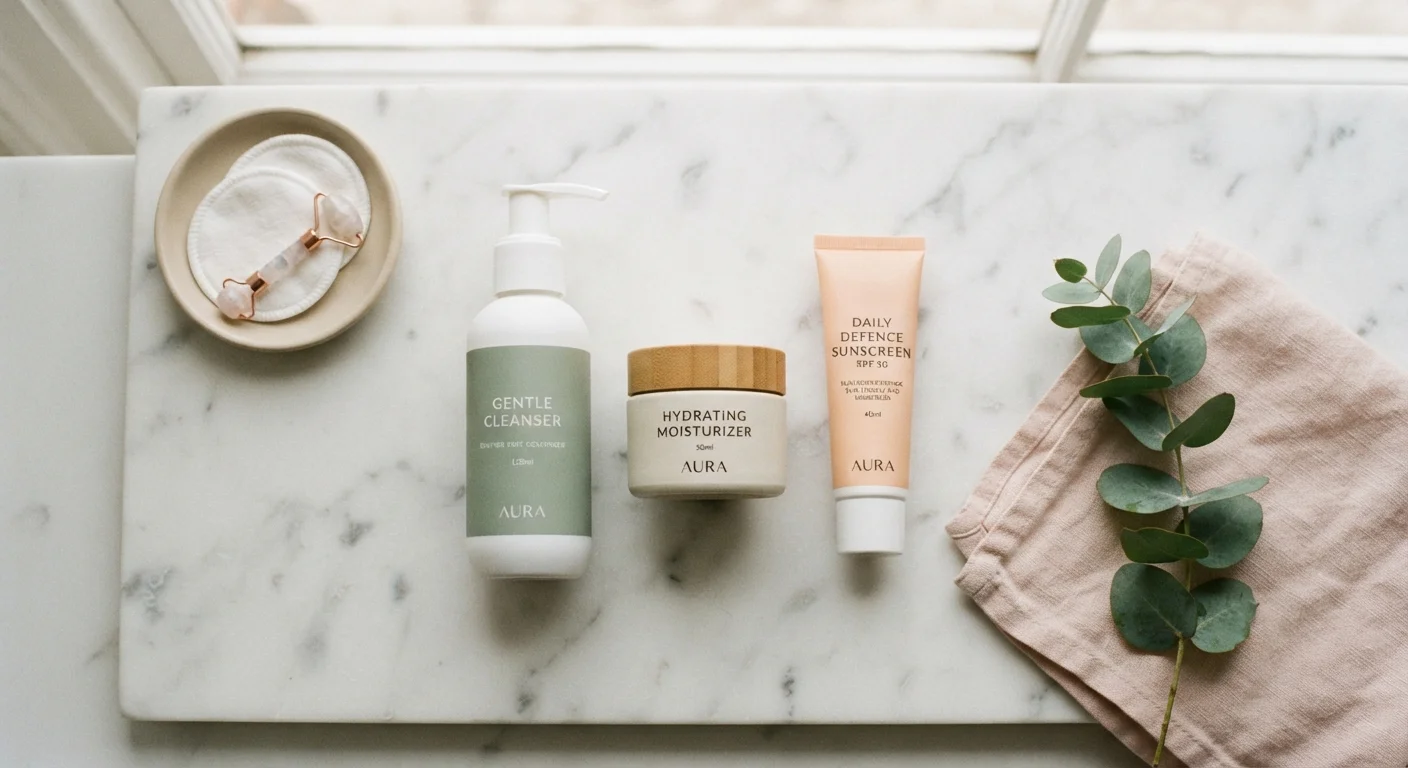
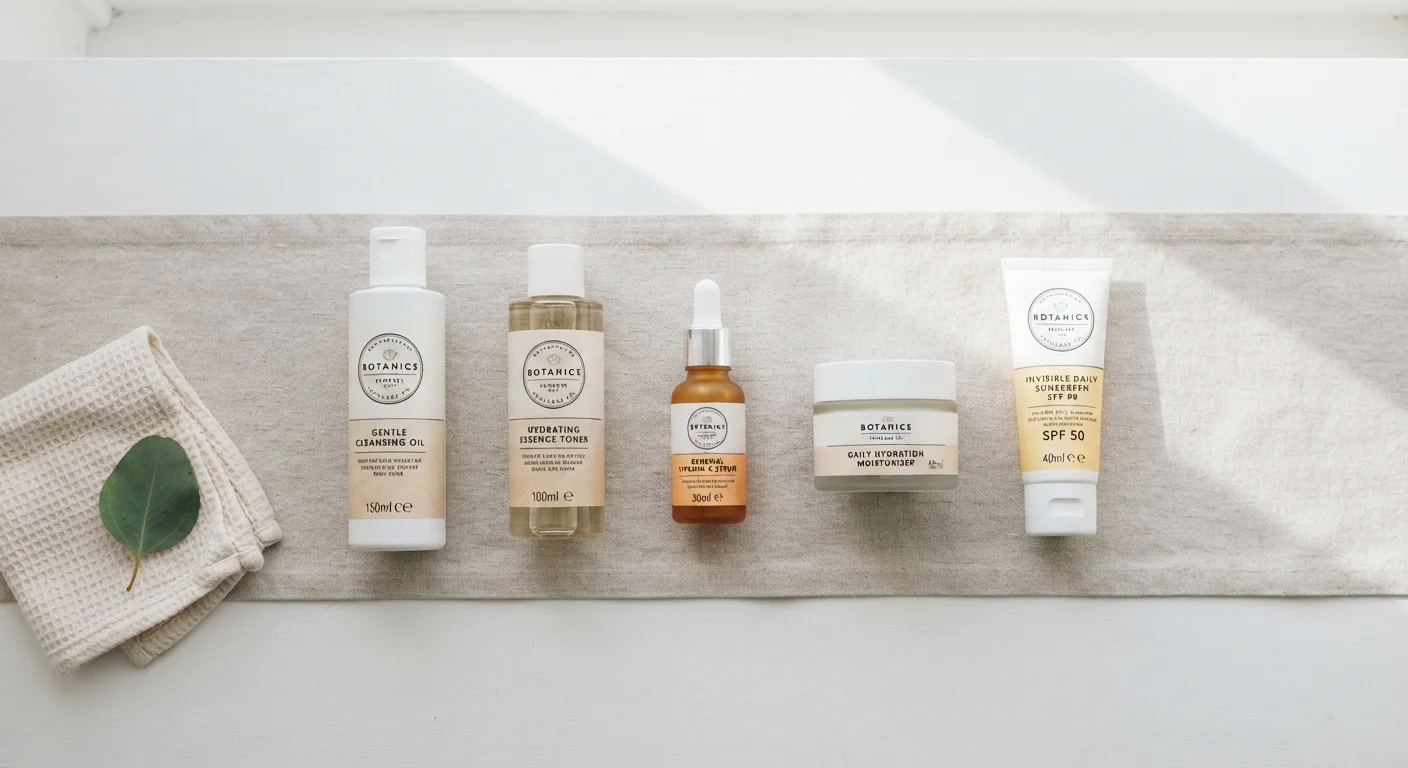
A standard morning layering sequence looks roughly like this:
- Cleanser - clears the surface
- Toner - preps and slightly hydrates
- Serum(s) - concentrated actives targeting specific concerns
- Eye cream - if used, applied before heavier moisturizers
- Moisturizer - seals in hydration and earlier layers
- Sunscreen - always the final morning step, non-negotiable
If you're just getting started, this plain-language guide to building a skincare routine walks through what you actually need versus what you can skip.
Give Each Layer a Moment
You don't need to wait long between steps - about 30 to 60 seconds is typically enough for a product to settle before the next one goes on. For actives like retinoids or exfoliating acids, a slightly longer pause (up to a few minutes) can reduce the chance of irritation when the next layer contacts the skin.
Why Sunscreen Is Always Last
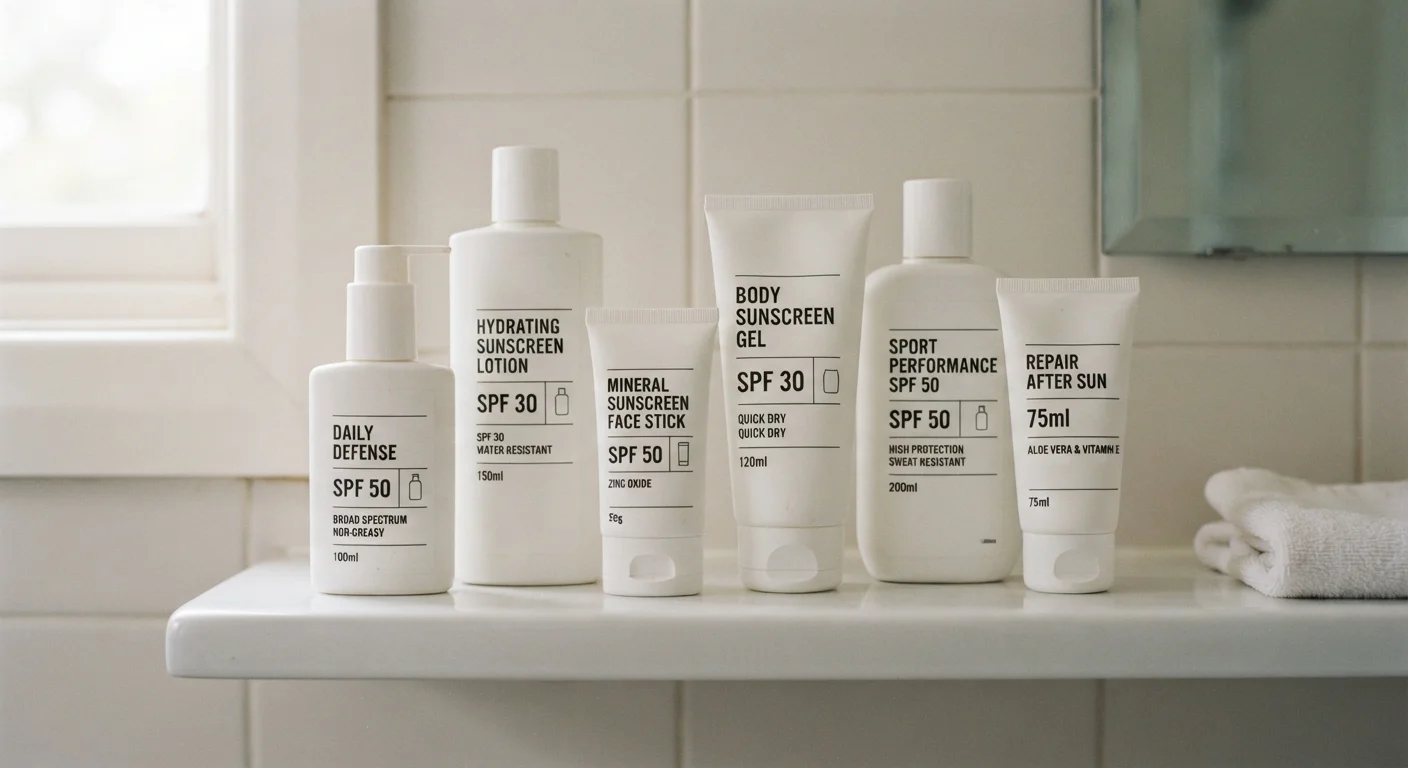
Sunscreen occupies a unique position in the lineup - it's the one product that needs to sit undisturbed on the skin's surface to function properly. SPF works by forming a protective layer that either absorbs or reflects UV radiation. Applying anything over it - even a light finishing mist - physically disrupts that barrier and reduces coverage.
This is one of the most commonly misunderstood points in skincare: sunscreen isn't a treatment you layer under other things. It's a shield that goes on last and stays there. If you want to understand what SPF numbers and broad-spectrum ratings actually mean, this breakdown of sunscreen labels is worth reading before your next purchase.
~55%
Adults who skip or misapply sunscreen daily
Survey data from the American Academy of Dermatology consistently shows a majority of adults do not apply broad-spectrum SPF as a daily habit, despite professional recommendations.
30-60 sec
Recommended wait time between skincare layers
Dermatologists generally advise waiting 30 to 60 seconds between steps to allow each layer to settle before applying the next product.
When Active Ingredients Complicate the Stack
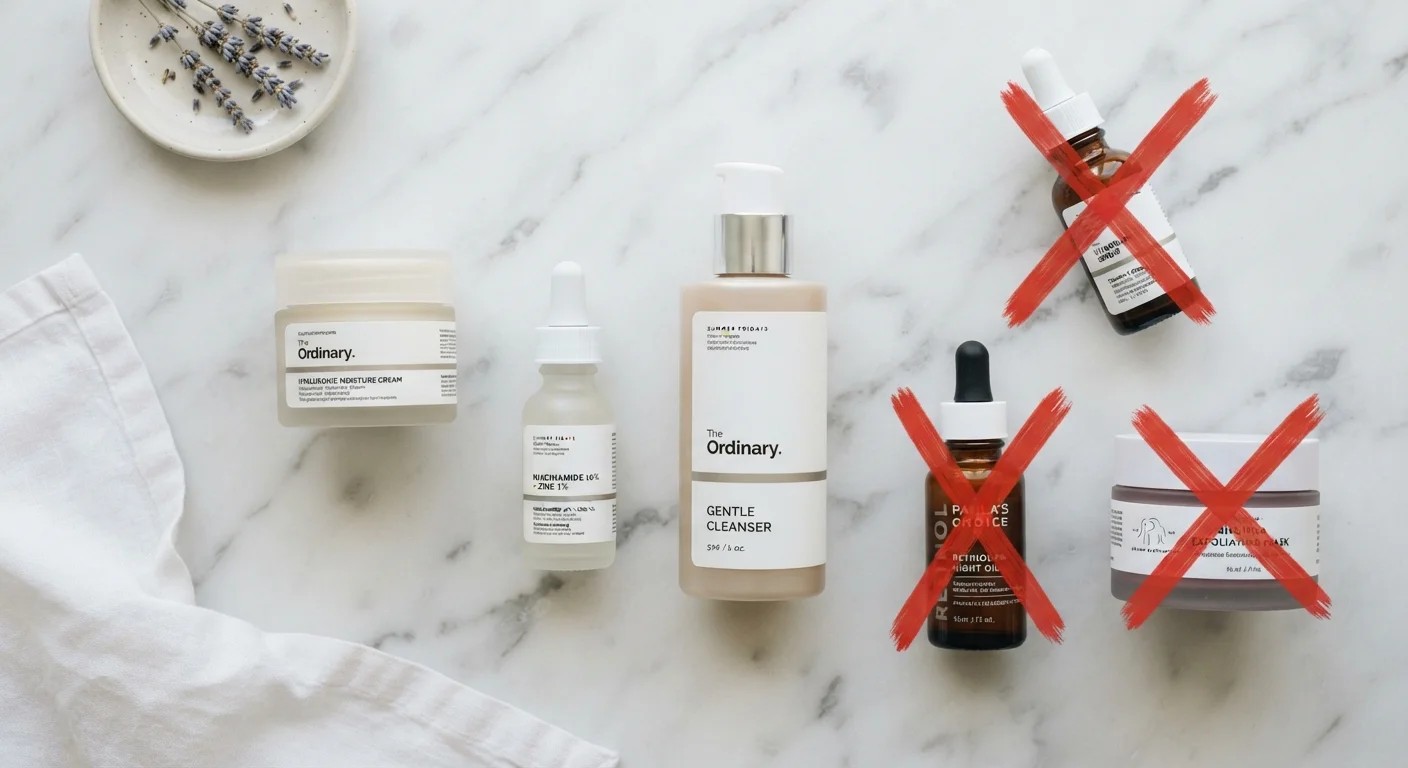
Layering gets more nuanced once you add in treatment actives - acids, retinoids, vitamin C, benzoyl peroxide. Some of these can cancel each other out or cause real irritation when applied on top of one another. For example, a low-pH acid applied over a retinoid can break it down and make it less effective while increasing the likelihood of sensitivity.
The practical workaround most dermatologists suggest is to use conflicting actives at different times of day - vitamin C in the morning, retinoids at night - or on alternating nights if your skin is still adjusting. For a deeper look at which pairings to avoid entirely, this guide to ingredient pairings covers the combinations worth knowing before you layer.
It's also worth remembering that more products don't mean better results. A short routine applied in the right order will generally outperform a complicated one applied randomly. And checking that none of your products have passed their prime matters too - this expiration reference guide explains how long common products actually last.
Nighttime Routines Follow the Same Logic
The thinnest-to-thickest rule applies equally at night. The main difference is that evening routines often feature treatment actives - retinoids, exfoliants, peptides - and swap SPF for a richer occlusive or face oil as the final step. Some actives are also better suited to nighttime use because they can degrade in sunlight or increase photosensitivity.
One Routine, Fewer Wasted Products
Getting the order right isn't just about efficacy - it's a value question. Every product applied in the wrong sequence is money that doesn't deliver on its promise. A serum blocked by a cream it can't penetrate is a serum you're essentially not using. Sequencing correctly means you're getting full use of what's already in your bathroom cabinet.
Skincare marketing loves big claims, but a look at what the evidence actually supports is a helpful reality check when deciding whether a new product is worth adding to your stack. And if you're reading ingredient labels more closely, understanding what "fragrance" actually means on a label can help you make better-informed choices.
The takeaway: start simple, sequence deliberately, and give each layer a moment to settle before adding the next. Your routine doesn't need to be long to be effective - it needs to be in the right order.
This article is for general informational purposes only and is not a substitute for advice from a qualified dermatologist or healthcare professional.