Why Ingredient Combinations Actually Matter
Building a skincare routine feels intuitive - cleanse, layer, moisturize - until you realize that some of those carefully chosen serums are quietly working against each other. Certain active ingredients compete for the same receptors, destabilize each other's molecular structure, or overwhelm the skin when used together. The result: irritation, reduced effectiveness, or a compromised skin barrier that leaves you more reactive than before you started.
The good news is that understanding a handful of key conflicts goes a long way. You don't need a chemistry degree - just a clear picture of which pairs to separate and why. See our guide to skincare layering order for context on how sequencing affects absorption even when your ingredients are compatible.
Barrier Damage Is Cumulative
Skin irritation from bad ingredient pairings doesn't always appear immediately. Repeated exposure to conflicting actives can quietly degrade your moisture barrier over weeks, leading to sensitivity, redness, and breakouts that seem unrelated to your routine. If your skin has become reactive without an obvious cause, your combination of actives may be worth revisiting.
Prescription Actives Need Extra Caution
Prescription retinoids, antibiotics, and other dermatologist-prescribed treatments carry different interaction risks than over-the-counter versions. Do not add new OTC actives to a routine that includes prescription products without first speaking to your prescribing provider.
Use the checklist below to audit your current shelf before you layer anything new.
What to Watch For in Your Current Routine
Most ingredient conflicts fall into a few predictable categories: pH clashes (where one product neutralizes another's working environment), oxidation reactions (where one ingredient chemically degrades another), and barrier overload (where two otherwise effective ingredients create more irritation together than either does alone).
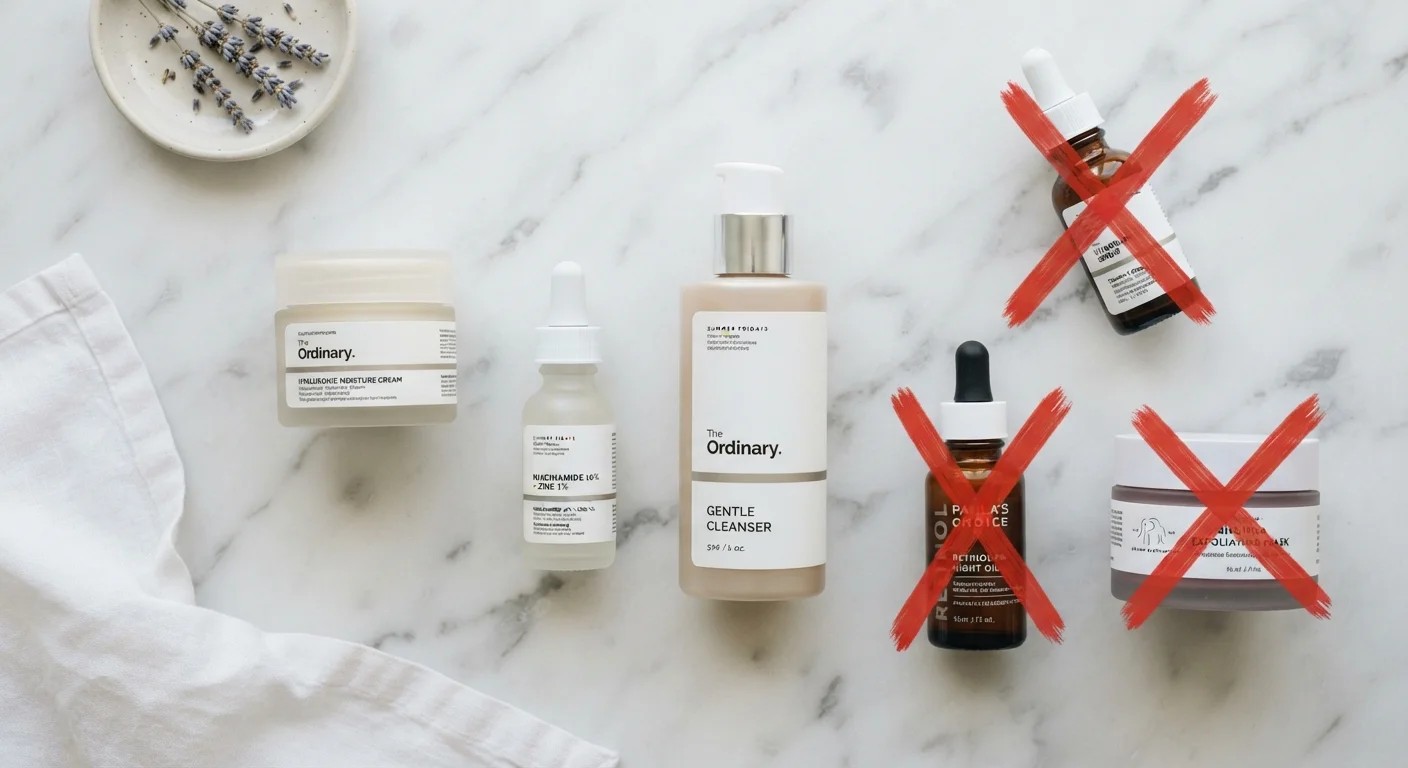
Before working through the checklist, gather every product in your current AM and PM routine. Pull up each ingredient list - an ingredient-scanning tool makes this faster - and look for the actives named in each group below. It's surprisingly common to have, say, an acid toner and a retinol serum and a vitamin C moisturizer all in one routine without realizing the conflicts stacking up.
Ingredient-scanning app or website
Helps identify specific ingredients in your current products so you can spot problematic overlaps before layering.
pH testing strips
Useful for checking the approximate pH of water-based serums to determine optimal application order.
Skincare tracking journal or spreadsheet
Logs which products you used on which day, making it easier to diagnose skin reactions linked to specific combinations.
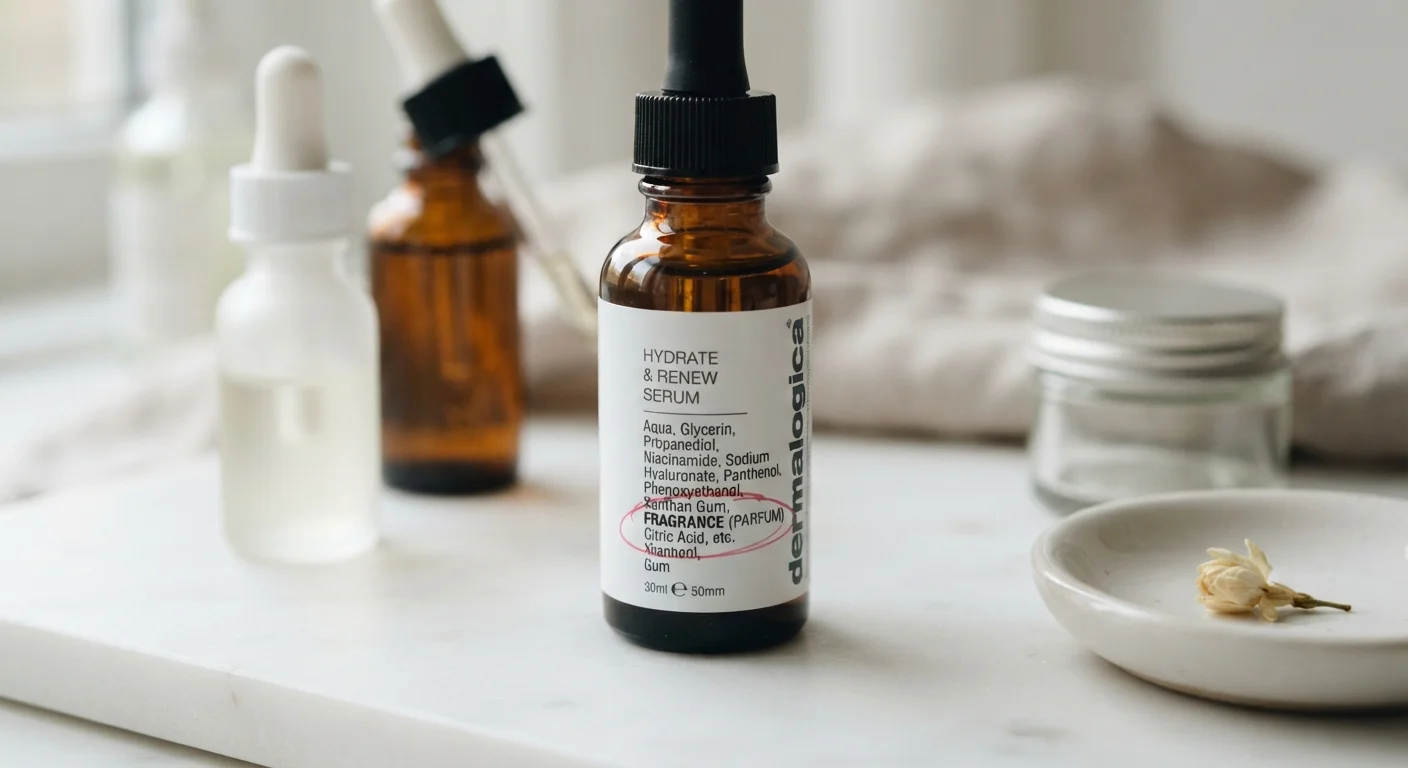
Also worth a read: what fragrance on an ingredient label actually means - because hidden additives can amplify irritation when your actives are already pushing the limit.
The Ingredient Conflict Checklist
Work through each group below, checking your current products against each item. Items marked must represent pairings with well-documented risks; should items carry meaningful but sometimes context-dependent concern; nice to have items add an extra layer of optimization.
Acids and Retinoids
Vitamin C Conflicts
Exfoliant Overload
Benzoyl Peroxide Pairs to Skip
pH and Formulation Clashes
General Safety Checks
This Is General Information, Not Medical Advice
Skincare ingredient interactions can vary based on individual skin type, product concentrations, and formulation specifics. The guidance here is educational and general in nature. If you have a skin condition, are pregnant, or are using prescription treatments, consult a licensed dermatologist before adjusting your routine.
If you notice your skin has become more reactive over time without a clear cause, understanding what skincare claims are actually backed by evidence can help you cut through the noise and simplify your routine. Likewise, if products are balling up on application, our piece on why moisturizer pills under makeup explains another layer of formulation compatibility worth knowing.
This article is for informational and educational purposes only and does not constitute medical or dermatological advice. Always consult a qualified healthcare professional for concerns about your skin health.