What Pilling Actually Is - and Why It Happens
You've blended your moisturizer, smoothed on your primer, and reached for your foundation - and suddenly tiny, rolled-up flecks of product appear on your skin like lint on a sweater. That's pilling, and it happens when layers of skincare or makeup can't properly bond to each other or absorb into skin before the next layer is applied.
The root cause is almost always one of a few things: applying too much product, not waiting between steps, or layering formulas that don't chemically agree. Understanding which issue is driving your pilling is the fastest path to fixing it. The good news? You don't need to overhaul your entire routine - you likely just need to adjust your application habits.
Pilling Can Signal Poor Absorption
When your moisturizer pills under makeup, it often means skin hasn't fully absorbed your skincare - meaning those active ingredients may not be doing their job. Fixing pilling isn't just a cosmetic concern; it can mean your routine is actually more effective when the problem is resolved.
The Mistakes That Cause Pilling - and How to Fix Them
Most pilling traces back to a handful of very specific (and very fixable) errors. Here's what to watch for across your morning routine:
Applying moisturizer immediately before primer or foundation without waiting for it to absorb.
Why it happens: Mornings feel rushed, and the idea of waiting between skincare steps seems unnecessary - especially when products feel dry to the touch almost instantly.
Using too much moisturizer, creating a thick layer that can't fully absorb before makeup application.
Why it happens: More product feels like more hydration, and many people apply skincare generously without realizing excess sits on the surface rather than penetrating skin.
Layering a silicone-based primer directly over a rich, oil-based or water-gel moisturizer.
Why it happens: People often choose primer and moisturizer separately without checking ingredient compatibility, assuming all skincare plays well together.
Rubbing primer or foundation into skin with friction rather than pressing or patting.
Why it happens: Rubbing feels intuitive and thorough, and many people apply skincare the same way they'd apply lotion to the body.
Mixing skincare products that contain ingredients that don't chemically cooperate, causing texture breakdown before makeup even enters the picture.
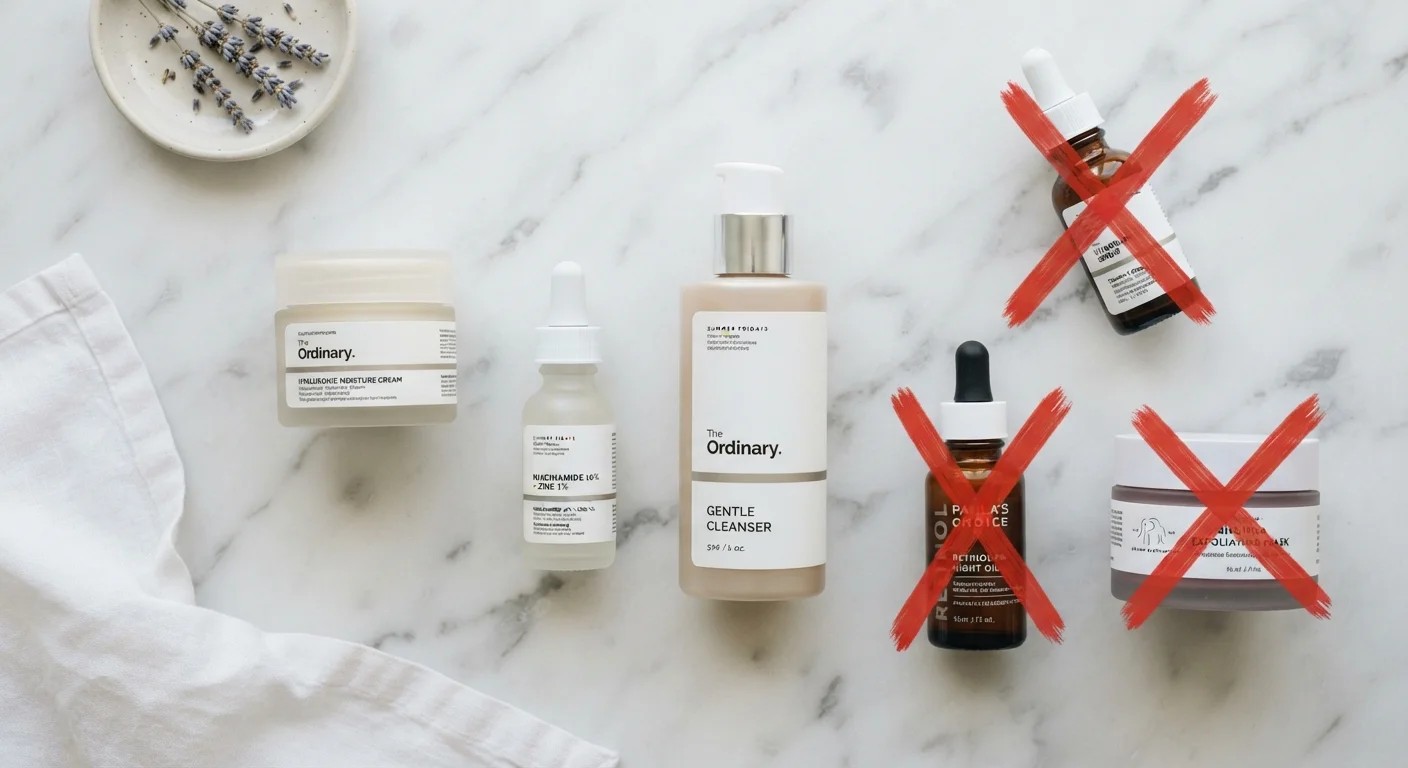
Why it happens: Most people don't realize that certain active ingredient combinations can destabilize formula textures, leading to a gummy, uneven base. For a deeper look, explore ingredient pairs to avoid.
It's also worth noting that some formulas marketed with impressive-sounding claims may not actually perform the way their labels suggest - which can affect how they layer. Here's a look at common skincare claims and what the evidence says before investing in a new moisturizer you expect to layer flawlessly.
60-90s
Recommended wait time between moisturizer and makeup
Dermatologists and makeup artists commonly recommend waiting at least 60 to 90 seconds between skincare and primer application to allow proper absorption.
~70%
Of pilling cases tied to product overuse
Beauty educators and estheticians frequently cite applying too much product as the single most common cause of pilling, accounting for the majority of routine-related complaints.
Quick Habits That Make a Big Difference
Preventing pilling doesn't require spending more money - it mostly requires slowing down. A few adjustments that consistently help:
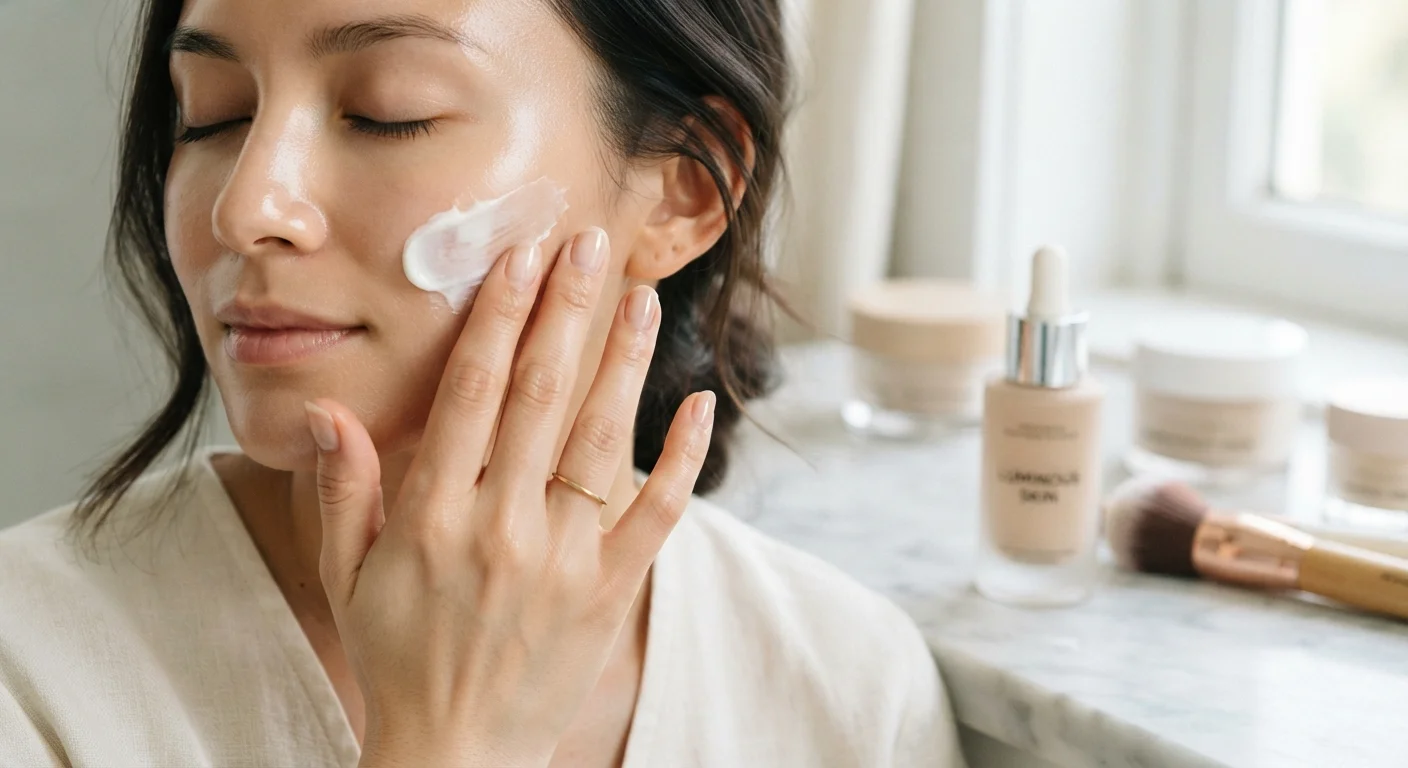
- Press, don't rub. Use a damp sponge or clean fingertips to press products gently into skin rather than sweeping them across.
- Let each layer breathe. One to two minutes between moisturizer, SPF, and primer is enough time to prevent the slip-and-ball effect.
- Use less product. A smaller amount absorbs fully; excess stays on the surface and disrupts your makeup.
- Check your base ingredients. Silicone over silicone, or water over water - try to keep your formulas in the same family.
Don't Layer Silicones Over Water-Based Products
Silicone-based primers or foundations applied over water-heavy, gel-textured moisturizers are a recipe for pilling. The two formulas can't properly bond, causing them to roll and ball up on contact. Always confirm whether your moisturizer and primer share compatible base ingredients before layering.
With a few intentional tweaks to how you layer, that frustrating mid-blend texture breakdown can become a thing of the past - no new products required.