That Little Symbol on Your Mascara Is Doing a Lot of Work
Flip over almost any beauty product and you'll spot a small open jar icon with a number inside it - something like 6M or 12M. That's the Period After Opening (PAO) symbol, and it tells you how many months a product is considered safe and effective after you first unseal it. Most people glance at it once and never think about it again. That's a mistake worth fixing.
Expired beauty products aren't just a minor inconvenience. Preservative systems break down, active ingredients lose potency, and - especially with anything that goes near your eyes or breaks your skin barrier - bacteria can accumulate. Understanding expiration dates isn't about being wasteful; it's about getting real results from the products you're actually paying for.
| PAO Symbol Meaning | Open jar icon - number inside = months safe after opening (EU Cosmetics Regulation, broadly adopted globally) |
| Mascara Lifespan | 3 months after opening (General cosmetic industry guidance) |
| Sunscreen Expiration | Printed date required; typically 3 years from manufacture (U.S. FDA sunscreen regulations) |
| Powder Product Lifespan | Up to 24 months (General cosmetic formulation standards) |
| Preservative-Free Products | Often 3-6 months or less (Varies by formulation) |
| Vitamin C Serum Signal | Yellowing or browning indicates oxidation (Cosmetic chemistry consensus) |
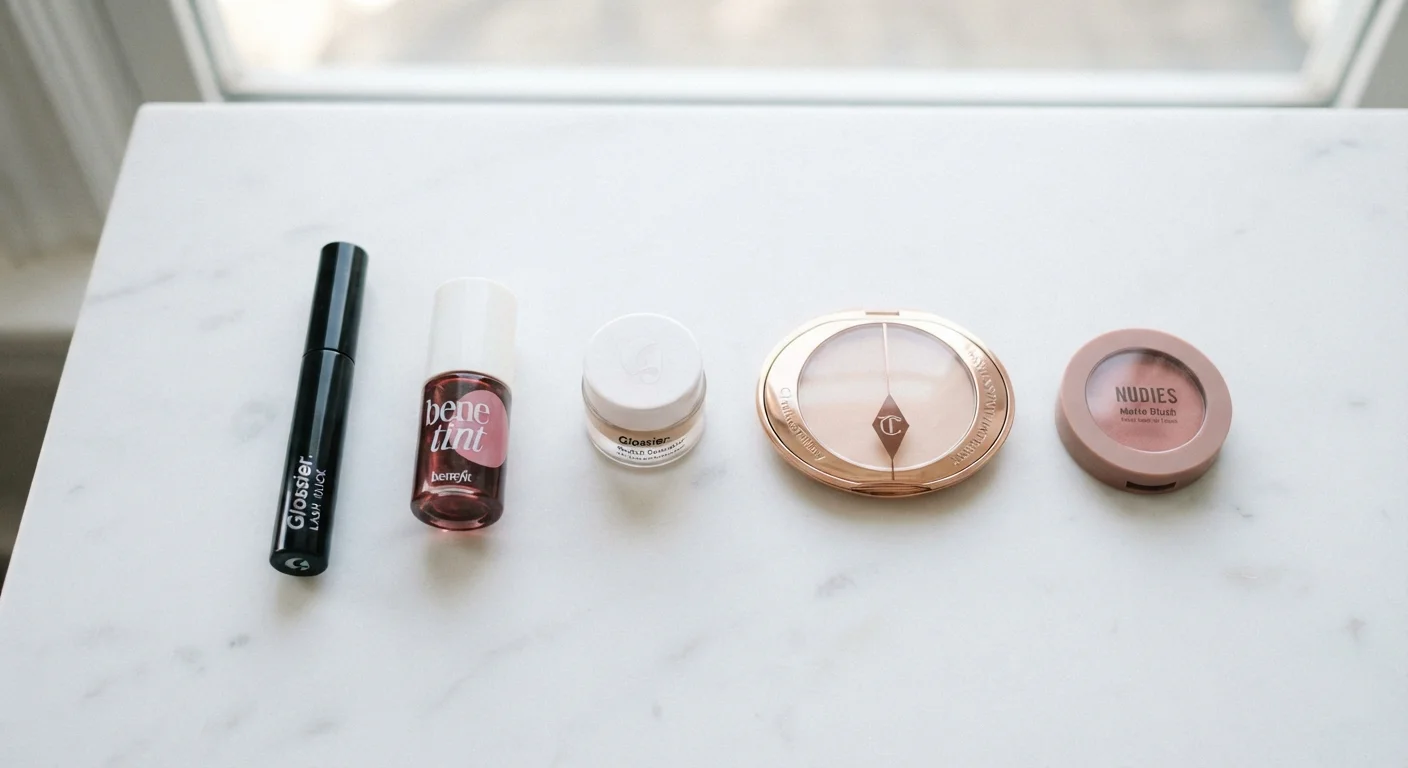
If you're building or editing your collection, our guide on what a basic makeup kit realistically needs is a solid place to start - especially for understanding which products you'll cycle through quickly versus slowly.
How Long Common Products Actually Last
Shelf life varies dramatically by product type, formulation, and how you store and handle them. Here's a practical breakdown:
- Mascara: 3 months after opening. The wet, dark tube is a bacteria incubator. Pumping the wand introduces air and accelerates degradation. This is the one product almost everyone holds onto too long.
- Liquid eyeliner: 3-6 months. Same logic as mascara - proximity to eyes plus wet formula equals short window.
- Liquid foundation: 6-12 months. Oil-free formulas can go faster; pump bottles last longer than open jars because fingers don't dip in.
- Lipstick and lip gloss: 12-24 months. Glosses with applicator wands expire closer to 12 months; bullet lipsticks can last up to 2 years if stored properly.
- Powder products (blush, eyeshadow, setting powder): Up to 2 years. Powder is less hospitable to bacteria, but shared brushes can contaminate pans quickly.
- Moisturizers and serums: 6-12 months for opened jars; up to 24 months for sealed pumps. Vitamin C serums oxidize especially fast - yellowing or browning is a clear sign they've turned.
- Sunscreen: Check the printed expiration date, not just the PAO. Most are formulated for 3 years from manufacture, but the FDA requires expiration dates on all sunscreen.
- Natural or preservative-free products: Often 3-6 months - sometimes less. The absence of conventional preservatives shortens the safety window significantly.
Period After Opening (PAO)
A standardized symbol - an open jar with a number - found on cosmetics packaging. The number indicates how many months the product remains safe and effective after first being opened.
Preservative System
The combination of ingredients in a cosmetic formulation designed to prevent microbial growth. Over time, these systems degrade, reducing a product's ability to stay free of harmful bacteria.
Oxidation
A chemical reaction where a substance is exposed to oxygen, causing it to break down. In skincare, oxidation can reduce the effectiveness of active ingredients like vitamin C and cause color or texture changes.
Emulsion
A mixture of oil and water held together by emulsifying agents. Many moisturizers and foundations are emulsions; when they expire, the mixture can separate into distinct layers.
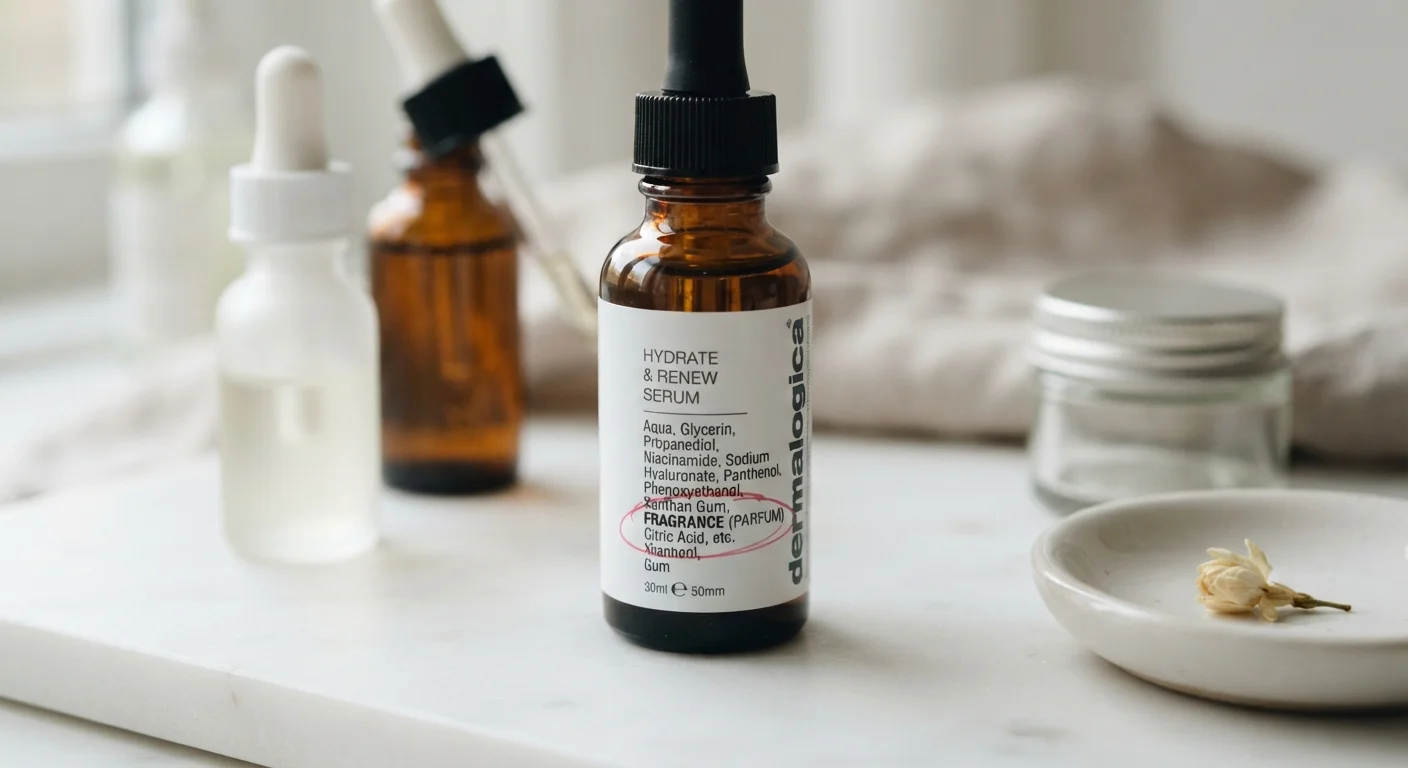
Knowing how to read your product labels accurately also helps here. Our piece on fragrance in skincare and what labels aren't telling you digs into exactly that.
Signs a Product Has Gone Off - and Why It Matters
You don't always need to count months. Products communicate when they've turned, if you know what to look for:
- Smell changes: A rancid, sour, or chemical-sharp scent where there wasn't one before is a strong signal.
- Texture separation or graininess: Emulsions can break; lotions may become watery or clumpy.
- Color shift: Oxidized vitamin C turns orange-brown; foundations can shift undertone as pigments degrade.
- Skin reactions: Increased irritation, breakouts, or stinging in someone who never had those responses can indicate a product past its prime.
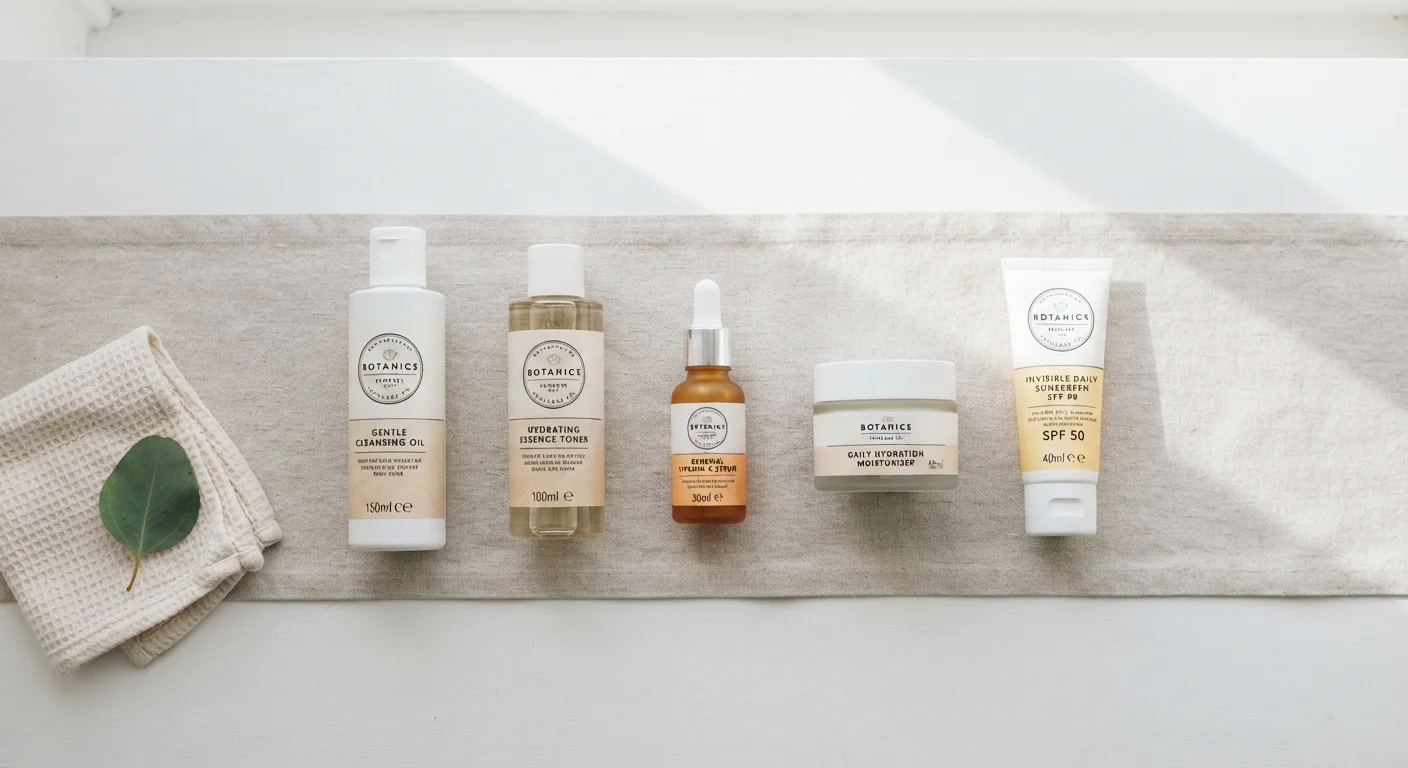
The stakes are highest for anything used around eyes (risk of eye infections) and anything applied to broken or sensitive skin. If you're following a layered skincare routine - and if you're not, skincare layering and why order matters is worth reading - expired actives can undermine every other step.
Storage Conditions Change Everything
Heat, humidity, and light exposure can cut a product's lifespan significantly - sometimes in half. A bathroom with a hot shower running daily is one of the worst places to store skincare. Keeping products in a cool, dry, shaded spot (or a dedicated mini fridge for serums) preserves them closer to their intended shelf life.
This article is for general informational purposes only and is not a substitute for medical or dermatological advice. If you experience a skin reaction to a beauty product, consult a qualified healthcare professional.