Why Most Starter Kits Are Overstuffed
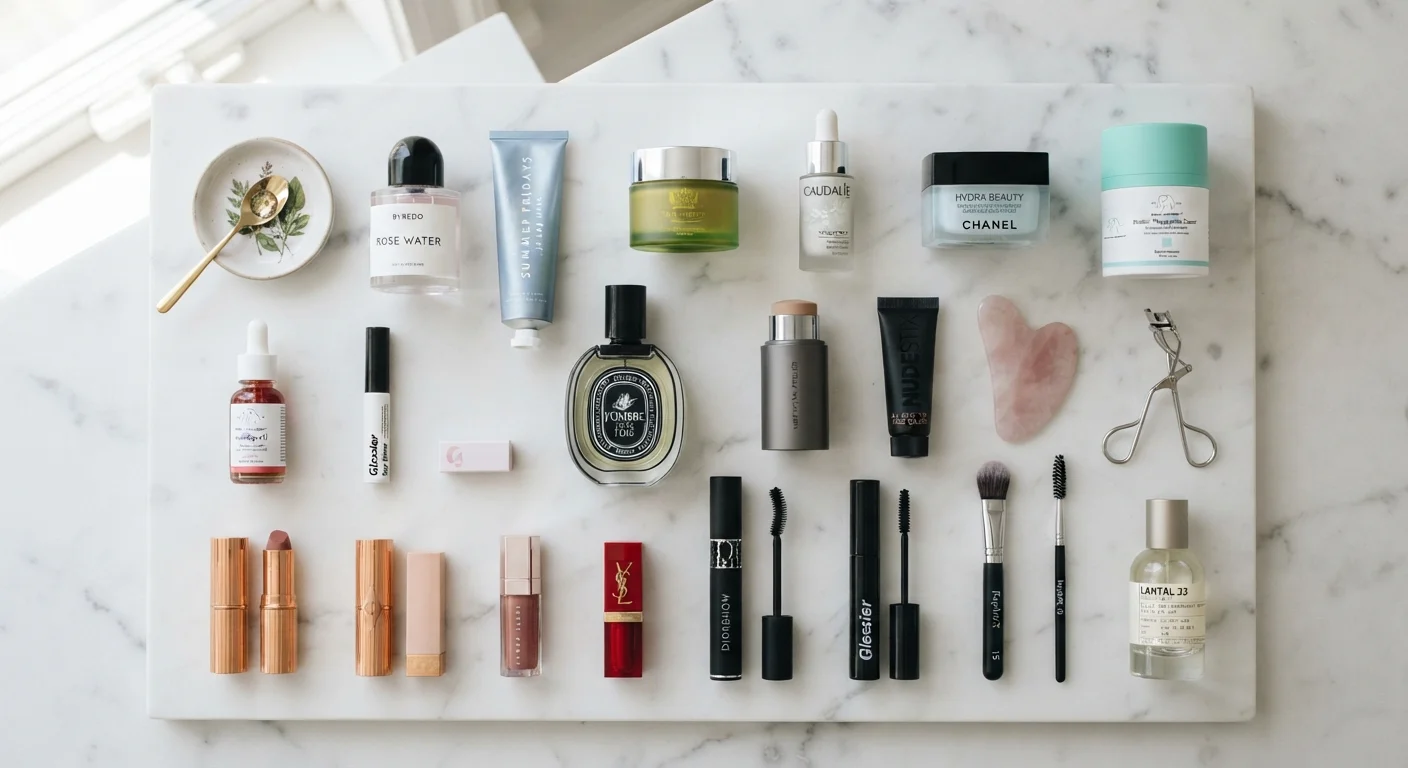
Walk into any beauty aisle and the sheer volume of products can make building a kit feel overwhelming - and expensive. The reality is that a genuinely useful everyday makeup kit is much smaller than brands would like you to believe. Duplicate products, single-use items, and trendy additions all eat into budgets without improving results.
Before building your kit, it helps to understand what makeup is actually doing on your skin. Most products fall into one of three jobs: evening out skin tone, adding definition and color, and setting everything in place. Once you map a product to its job, it becomes much easier to spot when you already have that job covered.
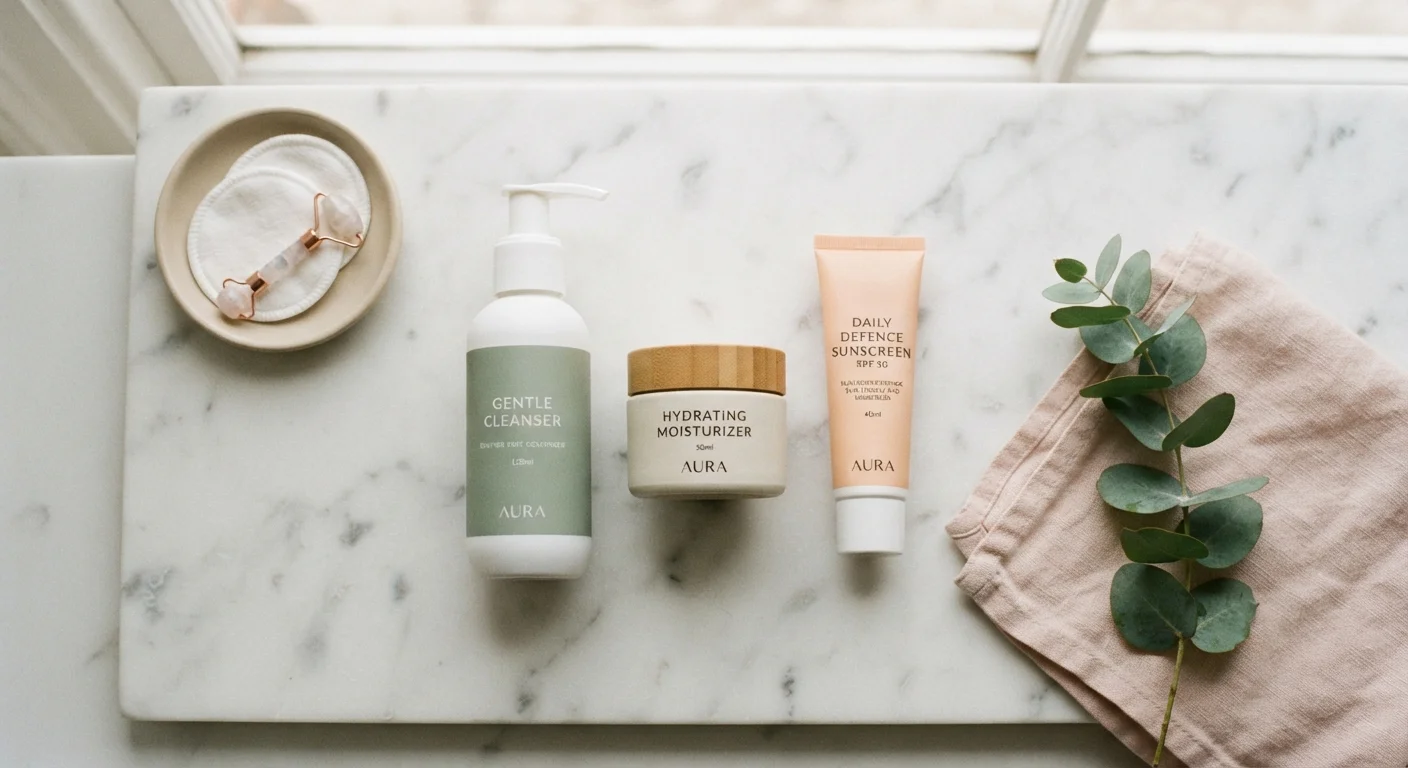
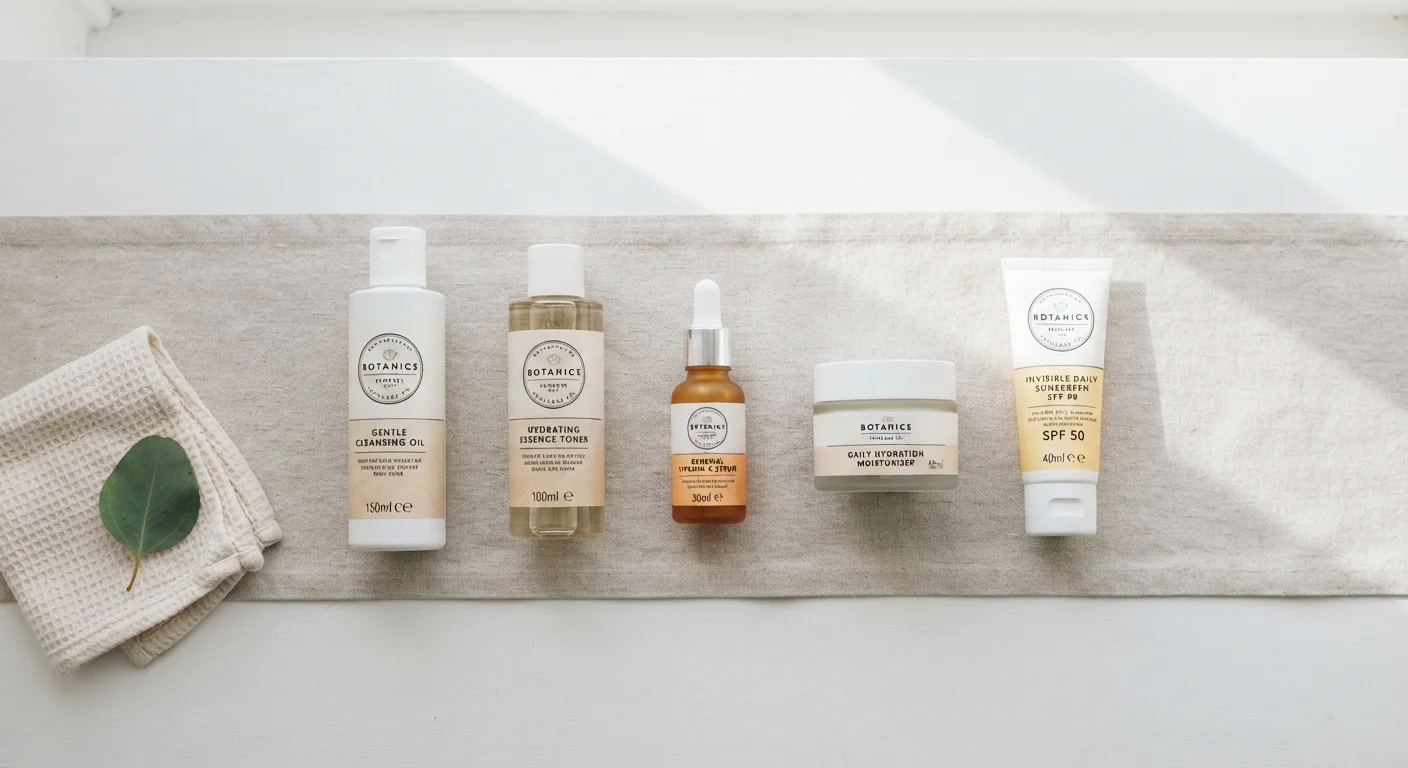
It's also worth noting that good skin prep reduces how much makeup you need in the first place. If you're still working out a skincare routine, this plain-language skincare guide is a solid place to start before stocking a single makeup product.
Skin Prep & Base
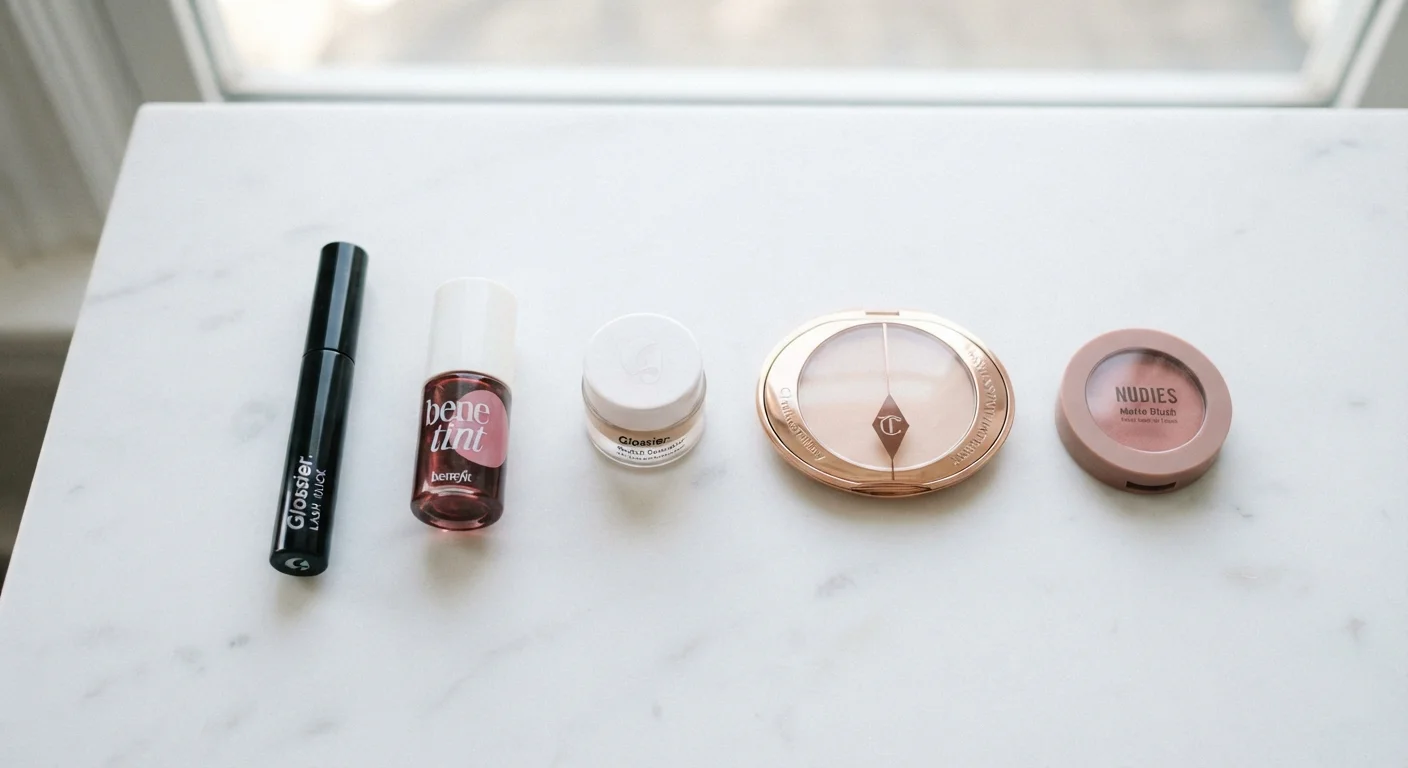
Coverage & Tone Evening
Setting & Finishing
Color & Definition
Lip Products
Removal & Hygiene
Tools, Shelf Life, and the Art of Buying Less
Products are only half the equation. Applying makeup with your fingers works better than you'd expect for many formulas, but a few tools genuinely improve results - particularly for blending concealer and setting powder evenly.
Makeup sponge or beauty blender
Blends concealer and liquid foundation seamlessly into skin without streaking.
Fluffy powder brush
Distributes setting powder evenly across the face for a natural, non-cakey finish.
Small blush or contour brush
Places blush precisely on the cheeks for a controlled, blended application.
Spoolie brush
Combs and blends brow products for a natural, groomed finish.
Eyeshadow brush set (2-3 brushes)
Applies and blends eyeshadow for more polished eye looks than finger application allows.
One often-overlooked issue with starter kits: shelf life. Buying a large haul means products can expire before you finish them, which is both wasteful and a mild hygiene concern. Mascara in particular has a short open lifespan - typically around three months. For a full breakdown of what to watch for, the beauty product expiration guide covers every common category.
Don't Overlook Expiration Dates
Mascara, liquid eyeliner, and concealer all degrade and can harbor bacteria after opening. Using expired products - especially around the eyes - can cause irritation or infection. Buy in quantities you'll realistically use within the product's open lifespan, and check the period-after-opening symbol (a jar icon with a number) on every package.
Makeup spending also fits neatly into broader budgeting habits. If you're tracking personal expenses, basic budgeting strategies can help you set a realistic beauty allowance so kit-building doesn't quietly derail other financial goals.
The most budget-conscious approach is simple: identify a gap in your current routine, fill it with one product, and use it until you understand whether you actually need it before buying anything else. That discipline - familiar to anyone who's learned to layer skincare correctly - applies equally well to makeup.
This article is for general informational purposes only and does not constitute professional beauty, medical, or financial advice. Product performance varies by skin type and individual preference.