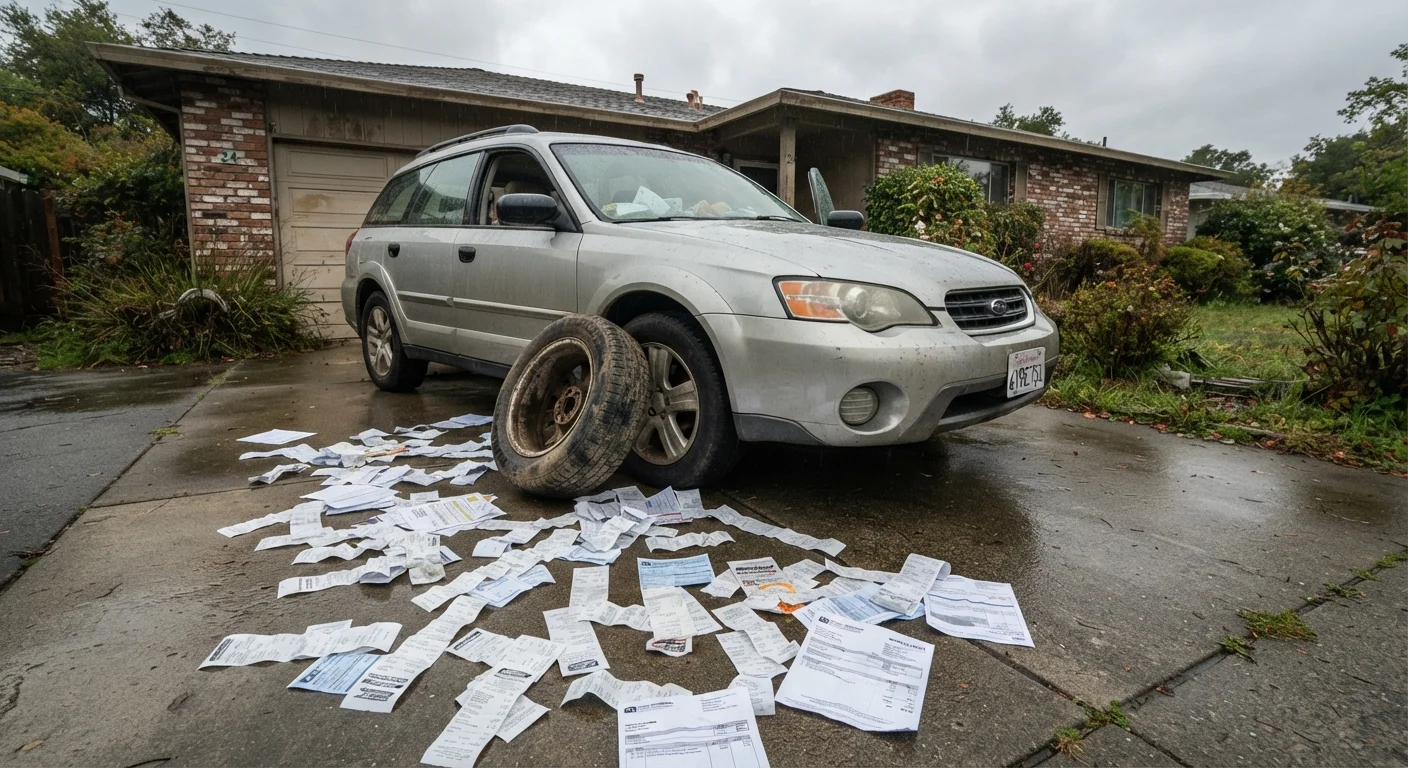

The Basics: What These Fees Are and Why They Exist
Every time you register a vehicle or transfer ownership, you pay government fees that fund specific public programs. These aren't arbitrary charges - they're tied to services that keep roads functional and ownership records accurate. Understanding what you're paying for helps you plan ahead and avoid surprises.
There are two primary fee categories drivers encounter:
- Registration fees - paid annually (or biennially in some states) to maintain your vehicle's legal operating status on public roads.
- Title fees - paid once during ownership transfer to establish legal ownership in state records.
Most states also layer in additional charges: emissions testing fees, county or local surcharges, and in many cases a vehicle license tax or property tax component tied to the car's value. These are part of hidden car ownership expenses that rarely appear in most people's budget planning.
Where the Money Actually Goes
Registration fee revenue is primarily directed toward state highway and transportation funds. Depending on the state, the breakdown can include:
- Road construction and maintenance - the largest share in most states, covering resurfacing, bridge repair, and infrastructure upkeep.
- DMV operations - staffing, facilities, and IT systems that process titles, registrations, and licenses.
- Public transit programs - some states allocate a portion to bus or rail systems.
- Environmental programs - emissions inspection programs and air quality funds in states with stricter standards.
Title fees go directly toward maintaining the state's vehicle ownership database - a legal record system that protects buyers and lenders from fraud and establishes lien priority.
Vehicle Registration
The process of recording a vehicle with the state and receiving license plates and a registration certificate. It must be renewed periodically - usually annually - to keep the vehicle legally operable on public roads.
Certificate of Title
A legal document issued by the state that identifies the official owner of a vehicle. It records any liens (loans) against the vehicle and must be transferred whenever ownership changes.
Ad Valorem Tax
A fee or tax calculated as a percentage of an item's assessed value. In the context of vehicle registration, it means owners of newer or more valuable vehicles pay higher fees.
Lien
A legal claim against a vehicle, typically held by a lender who financed the purchase. The lien appears on the title and must be released when the loan is fully paid off.
Emissions Fee
A charge assessed in some states to fund mandatory vehicle emissions testing programs, typically aimed at improving air quality in areas with high pollution levels.
These costs are one piece of the true annual cost of owning a car in America, which also includes fuel, insurance, maintenance, and depreciation.
How Fees Are Calculated - and Why They Vary So Much
No two states charge the same way, which is why registration costs can range from under $50 to over $500 for the same vehicle.
Common calculation methods include:
- Flat fee
- A fixed amount regardless of vehicle type or value - used in a handful of states for simplicity.
- Weight-based
- Heavier vehicles pay more, based on the assumption they cause more road wear. Common in states like Oregon and Washington.
- Value-based (ad valorem)
- The fee is a percentage of the vehicle's assessed value - meaning a newer or more expensive car costs more to register. California and Virginia use variations of this model.
- Age-based
- Older vehicles pay lower fees, often as an incentive to keep older cars registered rather than abandoned.
Many states combine methods - for example, charging a flat base fee plus a value-based component. This is why it's worth checking your specific state's DMV fee schedule when budgeting. For a full picture of how government fees stack up against other costs, see car ownership costs from purchase to resale.
Moving to a New State? Expect a Timing Cost
Most states require you to re-title and re-register your vehicle within 30-90 days of establishing residency. This means paying title transfer fees and potentially a full registration cycle in your new state - even if you just renewed at home. Factor this into relocation budgets. Check your new state's DMV website for exact deadlines and fee schedules.