Carbohydrates: Your Body's Preferred Fuel
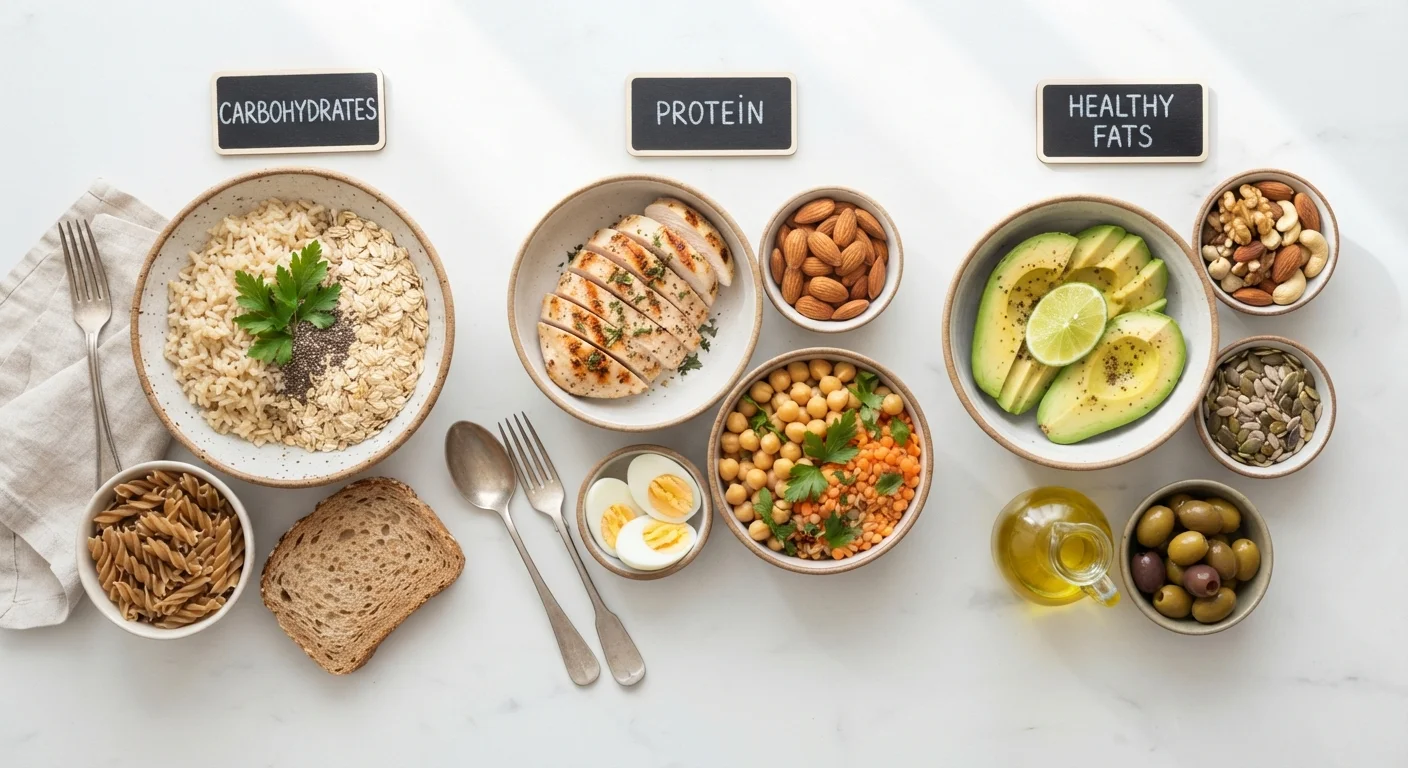
Carbohydrates are the sugars, starches, and fibers found in foods like grains, fruits, vegetables, legumes, and dairy. When you eat them, your digestive system breaks most carbs down into glucose - a simple sugar your cells use directly for energy. Your brain, in particular, runs almost exclusively on glucose under normal conditions.
Not all carbohydrates behave the same way. Simple carbohydrates (found in table sugar, white bread, and many processed snacks) digest quickly and can cause rapid spikes in blood sugar. Complex carbohydrates (found in whole grains, beans, and vegetables) digest more slowly, providing steadier energy and often delivering fiber alongside. Dietary fiber - technically a carbohydrate - is not digested for fuel but supports gut health, helps regulate blood sugar, and contributes to feelings of fullness.
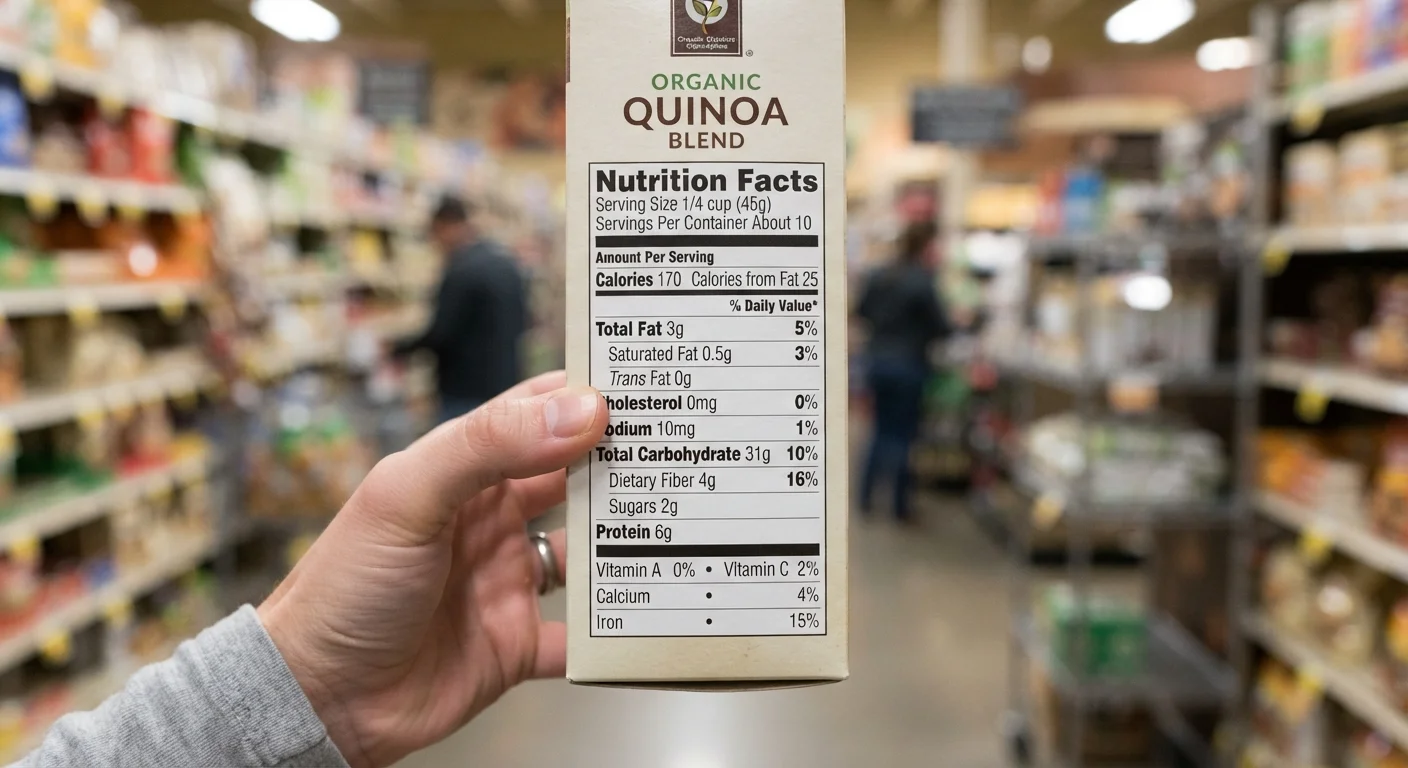
Eliminating carbohydrates entirely is not supported by mainstream nutrition science for most people. The key is choosing carb sources that are higher in fiber and lower in added sugars. You can learn how these values appear on food packaging by reviewing how to read a Nutrition Facts label.
45-65%
Recommended share of daily calories from carbohydrates
According to the Dietary Guidelines for Americans, most adults should get nearly half or more of their calories from carbohydrate sources.
0.8 g/kg
Daily protein RDA for sedentary adults
The National Academies of Medicine sets this as the minimum protein intake per kilogram of body weight to meet basic needs for most adults.
9 cal/g
Calories provided per gram of fat
Fat is more than twice as calorie-dense as carbohydrates or protein, which provide 4 calories per gram each.
Protein: The Body's Builder and Repairer
Protein is made up of smaller units called amino acids, often described as the building blocks of the body. Your body uses protein to build and repair muscle tissue, produce enzymes and hormones, support immune function, and maintain the structural integrity of skin, hair, and nails.
Of the 20 amino acids your body needs, nine are considered essential - meaning your body cannot make them on its own, so you must get them from food. Animal proteins (meat, poultry, fish, eggs, dairy) tend to contain all nine essential amino acids and are called complete proteins. Many plant proteins are incomplete - they lack one or more essential amino acids - but eating a variety of plant foods throughout the day can easily cover all your needs.
Protein also contributes to satiety. Meals with adequate protein tend to keep you fuller longer, which can help prevent overeating. Budget-friendly protein sources include canned beans, lentils, eggs, canned fish, and plain Greek yogurt.
Affordable High-Protein Foods to Keep on Hand
You do not need expensive supplements or specialty products to meet daily protein needs. Canned beans, lentils, eggs, plain Greek yogurt, cottage cheese, and canned tuna or salmon are among the most cost-effective protein sources available at most grocery stores. Rotating these across your meals covers your amino acid bases without straining a budget.
Fat: Far More Than Just Stored Energy
Dietary fat has long been misunderstood. While it is calorie-dense at 9 calories per gram, fat is essential - not optional. Your body depends on fat to absorb vitamins A, D, E, and K (all fat-soluble), produce hormones, insulate organs, and support brain development and function.
Fat types matter significantly. Unsaturated fats - found in olive oil, avocados, nuts, seeds, and fatty fish - are generally associated with cardiovascular and metabolic health. Saturated fats - prominent in red meat, butter, and full-fat dairy - are advised in moderation by most major health organizations. Trans fats, largely eliminated from the U.S. food supply through regulatory action, were linked to increased cardiovascular risk and are best avoided where they still appear.
The idea that eating fat automatically causes weight gain is a persistent myth. Overconsumption of any macronutrient contributes to excess calorie intake. For a deeper look at how this and other nutrition misconceptions have shaped American eating habits, see the truth behind popular nutrition myths.
Balance Over Elimination: Why All Three Matter
Fad diets often target one macronutrient as the villain - low-fat in the 1980s and 1990s, low-carb from the 2000s onward. Research consistently shows, however, that sustainable health is better supported by overall dietary patterns than by eliminating any single group. Carbohydrates, protein, and fat each perform functions the others cannot fully replicate.
General guidance from health authorities such as the Dietary Guidelines for Americans suggests that most adults get roughly 45-65% of daily calories from carbohydrates, 10-35% from protein, and 20-35% from fat - though these are population-level estimates, not personal prescriptions. Individual needs vary considerably based on age, activity level, health status, and other factors.
For a broader foundation in nutrition science, this article is part of a larger reference: Nutrition Fundamentals: A Complete Reference for Everyday Eating, which covers additional concepts including micronutrients, meal timing, and food labels. For a focused look at how vitamins and minerals differ from macronutrients, see Vitamins vs. Minerals.
Macro Ratios Vary by Individual
The percentage ranges cited in dietary guidelines are population-level benchmarks, not personal targets. Athletes, older adults, people managing chronic conditions, and pregnant individuals may have meaningfully different macronutrient needs. A registered dietitian can help you determine what proportions are appropriate for your specific circumstances.
This article is for general informational and educational purposes only and is not a substitute for professional medical or dietary advice. Speak with a qualified healthcare provider or registered dietitian before making significant changes to your diet.