Why Nutrition Myths Persist
Nutrition advice is everywhere - on packaging, social media, and from well-meaning friends. The problem is that a lot of it is wrong, or at least incomplete. Food industry marketing, misrepresented studies, and cultural habit all fuel misconceptions that can make healthy eating feel more complicated and expensive than it needs to be.
Understanding what the evidence actually says helps you make smarter choices without overhauling your grocery budget. For a grounded starting point, see our complete nutrition fundamentals reference. Below, we work through some of the most stubborn myths Americans still encounter.
Myth
Eating fat makes you fat.
Fact
Dietary fat does not directly translate to body fat. Weight change is driven by overall calorie balance, not by any single macronutrient.
This myth gained momentum from low-fat diet trends that dominated public health messaging for decades. In reality, fat is a necessary macronutrient - it supports hormone production, vitamin absorption, and cell function. The body stores excess calories as fat regardless of whether those calories come from fat, carbohydrates, or protein. Some fats, such as unsaturated fats found in nuts, seeds, and fish, are associated with favorable health outcomes in research. The critical factor is total dietary pattern and calorie context, not fat content alone.
Myth
Detox diets and cleanses flush harmful toxins from your body.
Fact
The liver, kidneys, and other organs continuously process and eliminate waste. No commercial cleanse has been shown to enhance or accelerate this process.
The concept of a dietary "detox" is not supported by established physiology. Your body has a sophisticated, ongoing detoxification system - primarily the liver and kidneys - that operates around the clock. Proponents of detox products rarely specify which toxins are being removed or provide credible clinical evidence for their claims. Some cleanses may cause short-term calorie restriction, which people sometimes interpret as feeling "lighter," but this reflects reduced food volume rather than toxin elimination. If you're concerned about how specific substances affect your health, speak with a healthcare provider.
Myth
Carbohydrates are inherently fattening and should be avoided.
Fact
Carbohydrates are the body's preferred energy source. The type and quantity consumed - within a person's overall diet - matters far more than their mere presence.
Carbohydrates became a dietary villain during the low-carb trend, but lumping all carbs together misrepresents the evidence. Whole grains, legumes, fruits, and vegetables are carbohydrate-rich foods consistently associated with positive health outcomes in large-scale research. Refined carbohydrates - such as white bread and sugary beverages - consumed in excess are a separate concern. Eliminating an entire macronutrient group is rarely necessary or sustainable for most people. Context, portion, and food quality are the relevant variables.
Myth
Eating many small meals throughout the day boosts your metabolism.
Fact
Meal frequency has minimal effect on metabolic rate for most people. Total daily calorie and nutrient intake matters more than how often you eat.
The idea that eating every two to three hours "keeps your metabolism fired up" is a durable gym myth, but the evidence does not bear it out consistently. The body does expend some energy digesting food - a phenomenon called the thermic effect of food - but this is proportional to the total amount eaten, not the number of eating occasions. Some people find frequent small meals help with appetite management, while others do well with three meals. Individual preference and sustainability are valid guides here, but the metabolic "boost" claim is not well-supported.
Myth
Organic produce is significantly more nutritious than conventionally grown food.
Fact
Current evidence does not consistently show meaningful nutritional differences between organic and conventional produce. Both can be part of a healthy diet.
Organic farming differs from conventional farming primarily in its use of pesticides and synthetic fertilizers - not in methods that reliably increase vitamin or mineral content. Multiple systematic reviews have found no consistent, clinically significant nutritional advantage to organic produce. Choosing organic may reflect valid personal or environmental preferences, but it is not necessary for a nutritious diet. For budget-conscious shoppers, prioritizing variety and volume of fruits and vegetables - regardless of how they're grown - is supported by nutritional research.
Myth
You need to drink eight glasses of water per day, no exceptions.
Fact
Hydration needs vary by body size, activity level, climate, and diet. The "eight glasses" rule is a rough guideline, not a universal prescription.
The origin of the "eight 8-ounce glasses" rule is murky, and nutrition researchers have noted it lacks a firm evidence base as a universal target. Water needs differ significantly between individuals, and much of daily hydration comes from food - particularly fruits and vegetables. Thirst remains a reliable guide for most healthy adults. People who are physically active, live in hot climates, or have certain health conditions may need considerably more fluid. Rather than counting glasses, paying attention to thirst and urine color (pale yellow generally indicates adequate hydration) is a practical approach.
What the Evidence Actually Supports
Sorting fact from fiction in nutrition doesn't require a science degree - it mainly requires skepticism toward oversimplified rules. The myths debunked above share a common flaw: they reduce complex physiological processes to a single villain (fat, carbs, meal frequency) while ignoring the broader dietary picture.
95%
Americans falling short on dietary fiber
According to data from the Dietary Guidelines for Americans, fiber is one of the most widespread nutrient shortfalls among U.S. adults.
~36%
U.S. adults who used a special diet in the past year
National survey data from the CDC has found that a substantial share of Americans follow some form of restrictive or special diet at any given time.
1 in 3
Adults who believe low-fat means healthy
Consumer nutrition surveys have repeatedly found that "low-fat" labeling leads many shoppers to perceive a product as healthier overall, regardless of other ingredients.
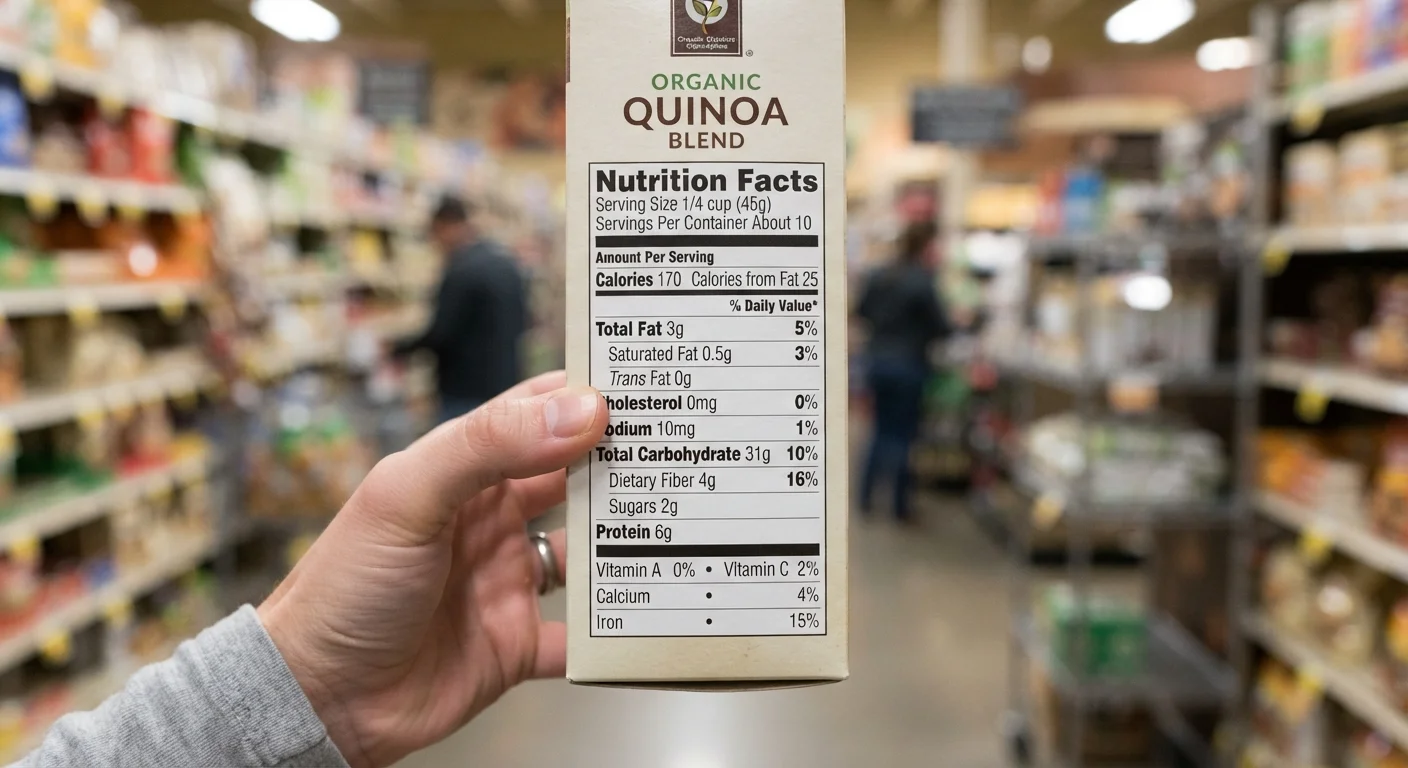
Rather than chasing the latest trend, focusing on whole foods, adequate fiber, and appropriate portions covers most of what research consistently supports. Learning to read a nutrition facts label clearly is one of the most practical skills for everyday shoppers. And if you've encountered similar oversimplifications in fitness spaces, our piece on home fitness myths applies the same evidence-first lens.
For a deeper look at what each macronutrient actually does in the body, our macronutrients explainer breaks it down without the jargon. And if fiber keeps coming up in your reading - it should - our guide on why Americans under-eat fiber covers why it matters so much.
This article is for general informational and educational purposes only and is not a substitute for professional medical or dietary advice. Consult a qualified healthcare provider or registered dietitian for guidance tailored to your individual health needs.