How Long Kitchen Appliances Typically Last
Before you decide whether to repair or replace a struggling appliance, it helps to know what a reasonable lifespan actually looks like. Industry data and appliance repair professionals generally agree on the following ranges for common kitchen equipment:
| Refrigerator | 10-18 years (National Association of Home Builders, 2007 (widely cited industry benchmark)) |
| Dishwasher | 9-12 years (Appliance repair industry estimates) |
| Microwave (countertop) | 7-10 years (Consumer appliance data, general industry range) |
| Gas or Electric Range | 13-15 years (National Association of Home Builders, 2007) |
| Coffee Maker (drip) | 5-10 years (Appliance care and repair industry estimates) |
| Blender | 5-8 years (General industry estimates; varies by motor quality) |
| Toaster / Toaster Oven | 6-8 years (Industry estimates under normal use) |
| Stand Mixer | 10-15 years (Industry estimates; quality models often exceed this range) |
These figures represent average lifespans under normal household use. Heavy daily use, hard water, power fluctuations, and poor ventilation can all shorten an appliance's life significantly. Conversely, consistent cleaning and proper usage habits can push appliances toward - or past - the upper end of these ranges. See our guide to keeping small kitchen appliances running longer for practical care habits worth building.
One important distinction: built-in or high-capacity appliances (wall ovens, range hoods, chest freezers) tend to outlast their countertop counterparts. The motors and components are typically more robust, and they experience fewer vibrations from being moved or jostled.
What Actually Shortens an Appliance's Life
Lifespan estimates assume appliances are used roughly as intended. Several common habits quietly accelerate wear:
- Overloading: Running a blender or food processor past its rated capacity strains the motor. The same applies to overfilling a dishwasher or packing a refrigerator so tightly that airflow is blocked.
- Skipping routine cleaning: Grease buildup in range hoods and microwaves traps heat. Coffee maker mineral deposits reduce heating efficiency and eventually clog components. Debris in toaster crumb trays is a fire risk and a mechanical one.
- Ignoring small warning signs: Unusual sounds, slower performance, or error codes that appear and disappear are often early indicators of a component under stress. Waiting until complete failure typically leaves fewer repair options.
- Poor ventilation: Appliances with motors - refrigerators, dishwashers, stand mixers - generate heat. Blocking vents or installing appliances in poorly ventilated spaces shortens motor life.
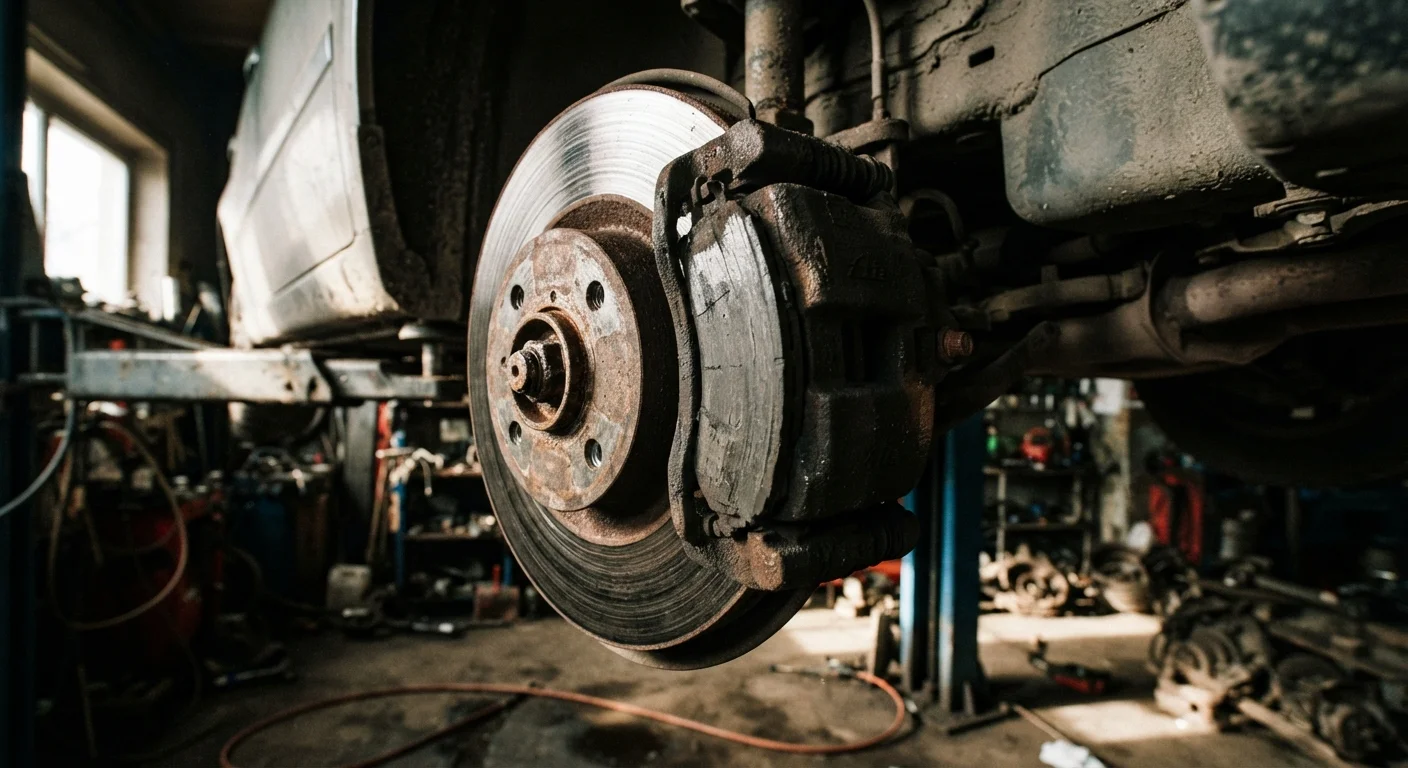
The pattern mirrors what happens with other mechanical systems. Everyday habits can quietly shorten a car's lifespan in the same incremental way - small stresses compound over time into larger failures.
Mean Time Between Failures (MTBF)
A reliability metric expressing the average operating time between breakdowns for a given component or appliance. Manufacturers use it internally; it's rarely published for consumer products but informs warranty terms.
Compressor
The motorized component in refrigerators and freezers responsible for circulating refrigerant. Compressor failure is typically the most expensive refrigerator repair and often makes replacement the practical choice.
Descaling
The process of removing mineral deposits - primarily calcium and magnesium from hard water - that accumulate inside appliances like coffee makers and kettles. Regular descaling extends heating element life and maintains performance.
Planned Obsolescence
A product design or manufacturing strategy in which a product is made to become outdated or non-functional after a predictable period, encouraging repeat purchases. Relevant when evaluating whether lower-cost appliances offer genuine long-term value.
Repair vs. Replace: A Practical Framework
A common rule of thumb in appliance repair: if the cost of repair exceeds 50% of the cost of a comparable replacement unit, replacement is usually the more economical choice - especially if the appliance is already past the midpoint of its expected lifespan.
That said, this threshold isn't universal. A high-end stand mixer or a large refrigerator may justify a repair cost that exceeds 50% simply because the replacement cost is substantially higher and the repaired unit has meaningful life remaining. Context matters.
Warranties Don't Equal Expected Lifespan
A one-year warranty on a countertop appliance doesn't mean the manufacturer expects it to fail at 13 months - but it does signal the coverage the manufacturer is willing to stand behind. Extended warranties from retailers are a separate product with their own cost-benefit considerations. Read the terms carefully: many exclude wear-and-tear, which accounts for the majority of real-world appliance failures.
When evaluating any appliance purchase - new or as a replacement - it's worth building a clear comparison framework before you start shopping. Our article on questions worth asking before comparing home appliances can help you define what actually matters for your household before price becomes the deciding factor.
If you're equipping a kitchen from scratch and working within a tight budget, understanding appliance longevity should factor into your initial purchase decisions. Cheaper appliances with short expected lifespans may cost more over five years than a mid-range unit purchased once. See our guide to setting up a functional kitchen on a tight budget for a cost-conscious framework.