Why Thread Count Became the Go-To Shopping Shortcut
Thread count - the number of threads woven into one square inch of fabric - started appearing prominently on bedding packaging decades ago as a quick-read quality signal. Retailers leaned into it heavily because it gave shoppers something concrete to compare on the shelf. Over time, a simple number became the dominant proxy for quality, often overshadowing factors that matter far more: the type of fiber used, the way the fabric is woven, and how it holds up after repeated washing.
For budget-conscious shoppers trying to stretch a linen budget, understanding what thread count actually measures - and what it doesn't - can save real money and prevent disappointment. See how thread count, fill power, and GSM each work for a broader look at bedding specs.
Myth
Higher thread count always means softer, more luxurious sheets.
Fact
Thread count above roughly 400 provides diminishing returns and can actually reduce breathability and softness.
The assumption that more threads equal better fabric made sense as a starting point, but fabric science doesn't scale that simply. Packing more threads into a square inch can make the weave stiffer and less breathable rather than more comfortable. Independent textile testing has repeatedly found that sheets in the 200-400 thread count range, made from quality fibers, outperform higher-count sheets in durability and feel after washing.
Myth
A 1,000-thread-count sheet is genuinely made with 1,000 threads per square inch.
Fact
Very high thread counts are usually inflated by counting individual plies within twisted threads rather than single threads.
Some manufacturers use multi-ply threads - several fibers twisted together - and count each ply separately. A two-ply thread counted twice can turn a 300-thread-count fabric into a marketed "600-count" sheet. The Federal Trade Commission has flagged misleading thread count labeling practices in the past. When you see counts above 600, it's worth examining the fiber content and construction details instead of taking the number at face value.
Myth
Thread count applies equally to all sheet materials, so you can compare across fabrics.
Fact
Thread count is only a useful measure within the same fiber type; it cannot meaningfully compare cotton to linen or bamboo-derived fabrics.
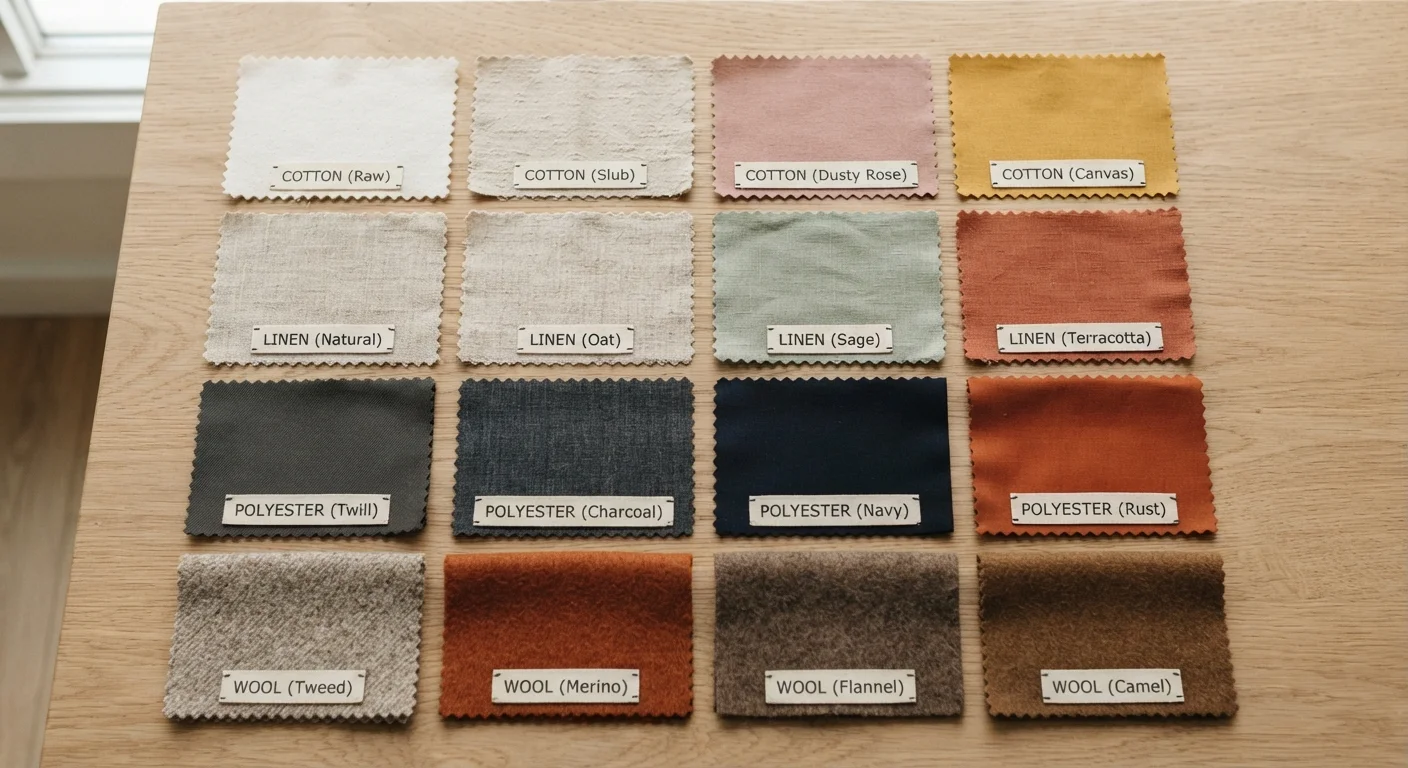
Linen naturally has a lower thread count than cotton because flax fibers are thicker - but linen sheets are prized for durability and breathability. Comparing a 200-count linen sheet to a 400-count cotton sheet using thread count alone tells you almost nothing useful. The metric was developed primarily in the context of cotton weaving, and applying it as a universal quality standard across fiber types leads shoppers to incorrect conclusions.
Myth
You should always buy the highest thread count your budget allows.
Fact
Spending more on thread count alone is often less effective than spending the same money on better fiber quality at a moderate thread count.
If you have a fixed budget for sheets, fiber quality is typically a better place to allocate it than chasing a high thread count number. A sheet labeled as 300-count 100% long-staple cotton is likely to soften with each wash and hold its shape for years. A 900-count sheet made from short-staple or blended fiber often pills, thins, and loses its feel after a season of use. Evaluating textile quality before you buy helps you make that judgment more reliably.
What to Look for Instead (or Alongside) Thread Count
Thread count is not meaningless - but it works best as one input among several. Fiber content is the most important factor most shoppers overlook. Long-staple cotton varieties, such as Egyptian or Pima, produce stronger, smoother individual threads that hold up better over time than shorter-staple cottons, regardless of thread count. A 300-count long-staple cotton sheet will typically outperform a 600-count sheet made from shorter, weaker fibers.
Weave type also changes the feel dramatically. Percale weaves (a simple one-over, one-under pattern) produce a crisp, cool, matte finish, while sateen weaves have a silkier drape but can pill more easily. Neither is objectively better - it depends on your preference for feel and how you sleep. Understanding basic fabric construction can help you interpret these labels more confidently.
200-400
Thread count sweet spot for most quality sheets
Textile industry guidance and independent testing consistently indicate most well-made sheets fall in this range, with higher counts offering little practical benefit.
~30%
Typical softness improvement after several washes
Quality long-staple cotton sheets are generally known to soften noticeably over the first several wash cycles, a property linked to fiber length rather than thread count.
Finally, consider GSM (grams per square meter), which measures fabric weight. Lighter sheets (around 100-150 GSM) tend to be cooler and more breathable; heavier sheets feel more substantial. None of these numbers work in isolation - and sheets that perform well over years of use, rather than just one night, are the real measure of value. Long-term textile costs are worth factoring in before you buy.