
How Each Model Actually Works
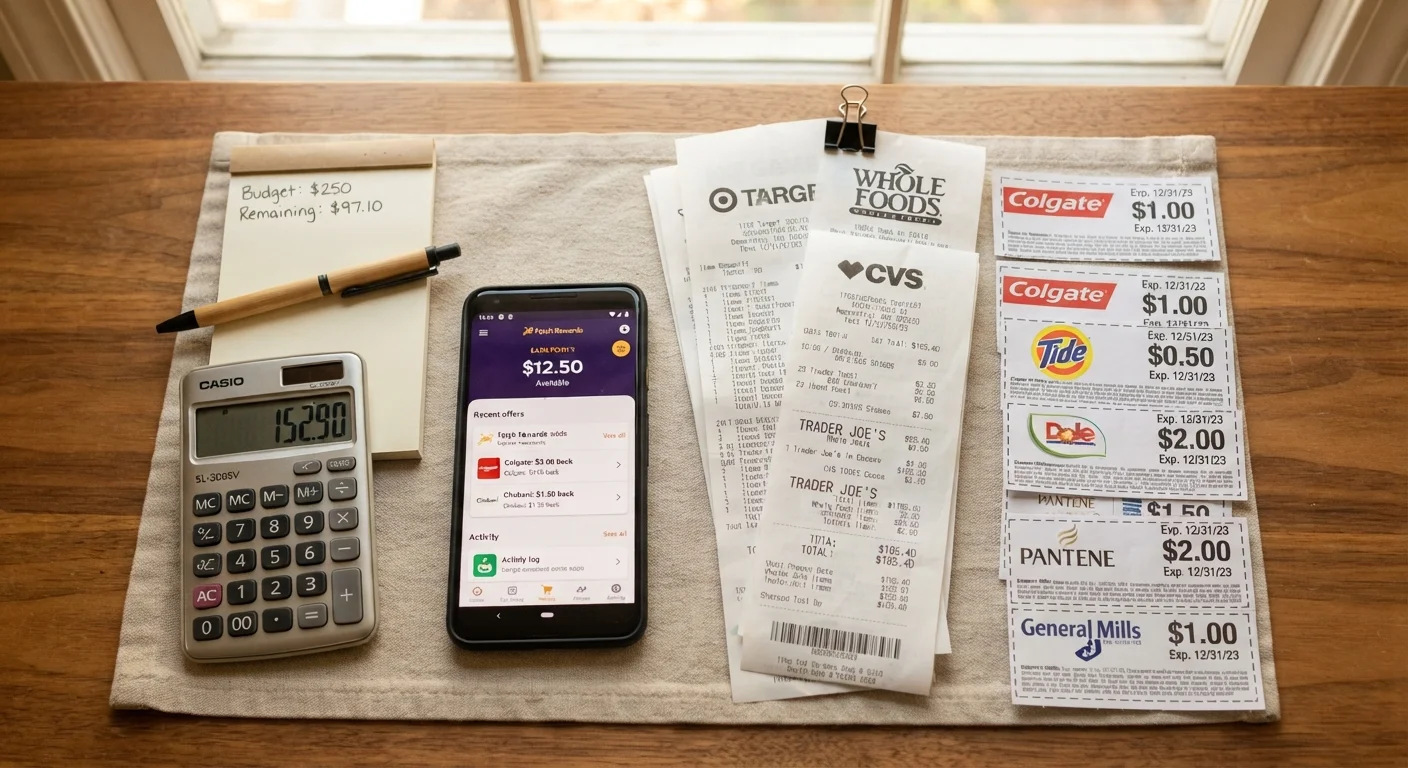
Cashback programs return a set percentage of your spending as real currency - credited to your account, applied as a statement credit, or paid out via check or transfer. There's no conversion rate to decode. Spend $100 at a 2% cashback rate, get $2 back. The math is transparent.
Loyalty points programs assign point values to purchases - typically a fixed number of points per dollar spent. Those points then redeem against future purchases, flights, hotel stays, or merchandise at a rate the program sets and can change. A program offering 5 points per dollar might redeem at 0.5 cents per point, delivering roughly the same 2.5% return - or far less if redemption options are limited.
The structural difference matters: cashback value is fixed at the moment of earning. Points value floats depending on how and when you redeem. For a deeper look at how layering multiple savings methods affects overall returns, see how to layer deals without misreading the fine print.
| Criterion | Cashback Programs | Loyalty Points Programs |
|---|---|---|
| Value clarity | Fixed percentage, easy to calculate | Variable - depends on redemption choice |
| Redemption flexibility | Cash, statement credit, transfer | Often limited to brand or category |
| Expiration risk | Low; most balances persist | Higher; programs can expire or devalue points |
| Upside potential | Moderate and predictable | High - if redeemed strategically |
| Best spending pattern | Varied, multi-retailer spending | Concentrated, brand-loyal spending |
| Tracking required | Minimal | Moderate to high |
Where Loyalty Points Can Outperform Cashback
Points programs aren't just a gimmick - they're deliberately structured to reward concentrated spending. When a frequent flyer redeems points for a business-class ticket, the cents-per-point value often exceeds what any cashback card offers on the same purchase. Travel and hotel programs in particular can yield outsized returns for redemptions in high-value categories.
Bonus point events - double or triple points during sales periods - temporarily amplify earning rates. Shoppers who time large purchases to coincide with these windows can accumulate points at rates that genuinely beat a flat cashback percentage.
~$175B
Unredeemed loyalty points value annually (US)
Industry estimates suggest American consumers leave hundreds of billions in loyalty points unused each year, indicating widespread underutilization of points programs.
0.5-2¢
Typical cents-per-point redemption range
Redemption values vary widely across programs; cash-equivalent redemptions often yield less than travel redemptions for the same points balance.
The catch: that upside is contingent on redemption discipline. Points sitting unused, or redeemed for low-value merchandise, often deliver well under 1 cent each - below what a basic cashback program would have returned automatically.
The Hidden Risks in Both Models
Cashback programs are simpler, but not without friction. Minimum redemption thresholds, annual caps on earning categories, and rotating bonus categories that require activation all reduce real-world returns. Some programs expire balances after extended inactivity.
Points programs carry larger structural risks. Programs can and do devalue points - adjusting redemption rates with little notice. Points that redeemed for $0.015 each this year may redeem for $0.010 next year. Unlike cashback, which is effectively locked in at the moment of earning, points value is always subject to program terms.
Both models also share a common behavioral risk: spending more than you otherwise would in pursuit of rewards. As a general principle, rewards programs add value only when they're applied to purchases you'd already make. This is part of the broader point that a lower upfront cost doesn't always represent a better deal - the same logic applies to reward structures that encourage overspending.
Program Terms Can Change Without Warning
Both cashback and points programs are governed by terms set by the issuer or retailer, which can be updated at any time. Earning rates, redemption values, expiration policies, and bonus categories are all subject to change. It's worth reviewing your program's terms annually and not assuming the value you calculated when enrolling still holds today.
Matching the Model to Your Spending Pattern
The question isn't which program type is universally better - it's which fits how you actually shop. Cashback tends to suit shoppers with varied, unpredictable spending across multiple categories and retailers. It's also easier to track alongside a broader household budget.
Points programs reward loyalty and planning. If most of your discretionary spending flows through one ecosystem - a specific airline, grocery chain, or retailer - a points program with strong redemption options in that category can outperform a general cashback rate. The key is to calculate the cents-per-point redemption value before committing, and to compare program terms across options rather than defaulting to whichever card arrived in the mail.
Neither model substitutes for a sound savings strategy. For context on how rewards fit alongside broader financial tools, see how different savings account types compare.
This article is for general informational purposes only and does not constitute financial advice. Reward program terms vary by provider and may change. Consult program documentation and, where relevant, a licensed financial professional for guidance specific to your situation.